
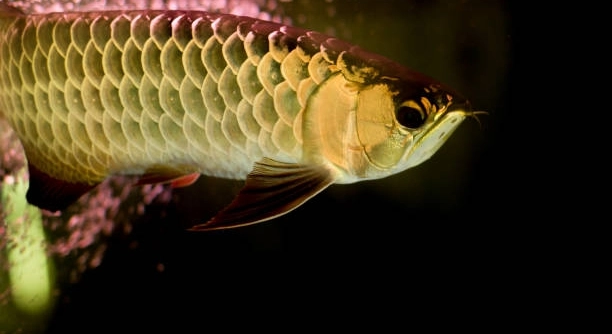
Have you ever noticed your Arowana acting differently in its tank, seeming less lively or more withdrawn than usual? Observing changes in behavior can be subtle, but it often hints at the fish’s overall health and wellbeing.
Arowanas display specific physical and behavioral changes when unwell, including abnormal swimming, loss of appetite, faded colors, clamped fins, visible wounds, labored breathing, and irregular growth patterns. Early detection of these signs is crucial for timely intervention and treatment.
Recognizing these early warning signs can help prevent serious health issues and maintain a thriving, vibrant tank environment for your Arowana.
Changes in Swimming Patterns
When your Arowana starts swimming oddly, it is often an early sign of sickness. You may notice it floating near the surface or bottom more than usual, or darting quickly from side to side without reason. Sometimes, it may tilt to one side or struggle to maintain balance. These behaviors can indicate stress, infection, or internal problems like swim bladder issues. Consistently observing your fish’s movement will help you identify these patterns early. Environmental factors such as water temperature, cleanliness, and oxygen levels can also affect swimming. Regularly checking the tank’s parameters ensures your fish stays healthy. Small adjustments, like improving filtration or maintaining proper temperature, can make a big difference. Fish often hide symptoms until conditions worsen, so noticing these changes early is crucial. By paying attention to subtle shifts in movement, you can take action before minor issues escalate into serious health problems.
Abnormal swimming can signal stress or disease, requiring immediate attention to prevent further health complications.
Tracking daily movement and noting changes helps identify patterns. Keeping a consistent schedule and clean tank supports stable behavior and overall health.
Loss of Appetite
A sudden decrease in appetite often indicates underlying health issues in your Arowana. Fish that stop eating may be fighting infections, parasites, or internal organ stress. In some cases, poor water quality or unsuitable diet contributes to this change. Monitoring feeding habits is essential, as reduced food intake can weaken the fish, lowering its immunity. Sometimes, stress from overcrowding, loud noises, or changes in the tank setup can also reduce appetite. It’s important to remove uneaten food promptly to prevent contamination, which can worsen health problems. Offering a variety of high-quality food and ensuring stable environmental conditions can encourage eating again. Consistency in feeding times helps the fish feel secure and more likely to eat regularly. Observing which foods your Arowana prefers and how often it eats gives insight into its wellbeing. Quick action at the first signs of refusal can prevent serious nutritional deficiencies and keep the fish strong and active.
Regular feeding observations and maintaining proper tank conditions are key to supporting your Arowana’s health.
Ignoring appetite changes may lead to serious illness. Adjusting diet, reducing stress, and monitoring water quality are effective strategies. Ensuring a varied, nutrient-rich diet while keeping environmental conditions stable encourages recovery. Taking notes on feeding patterns can help detect early warning signs and allow prompt intervention.
Faded Colors
Faded or dull coloration in your Arowana often signals stress or illness. Healthy Arowanas have vibrant, shiny scales, so any loss of brightness should be noted. Poor water quality, nutritional deficiencies, or infections can all cause color changes that need immediate attention.
Color changes usually occur gradually, starting with slight dullness before becoming more pronounced. Stress from sudden tank changes, overcrowding, or incompatible tankmates can also impact pigmentation. Diseases like parasitic infections or bacterial outbreaks often show early signs through fading colors. Ensuring stable water conditions, a balanced diet, and reducing stressors can help maintain your Arowana’s natural vibrancy. Regular observation allows you to detect subtle shifts in color before they indicate severe health problems. Some Arowanas may regain color with proper care, while persistent fading can signal the need for veterinary attention or more thorough tank adjustments to prevent worsening conditions.
Maintaining proper nutrition and clean, stable water is essential for restoring vibrant coloration and overall fish health. Observing even small changes in hue helps prevent serious health problems.
Clamped Fins
Clamped fins occur when an Arowana holds its fins close to its body, often indicating discomfort or disease. Stress, poor water conditions, or bacterial infections are common causes. Immediate action is necessary to prevent complications and restore comfort.
Clamped fins reduce the fish’s ability to swim efficiently, leading to fatigue and vulnerability to further illness. Environmental issues such as improper pH, temperature fluctuations, or low oxygen levels are frequent triggers. Infections or parasites can also cause fin clamping as the fish attempts to minimize exposure. Observing your Arowana’s fins daily helps detect early signs of illness. Adjusting tank conditions, checking for parasites, and providing supportive care often improve fin posture. Failing to address the problem promptly can lead to worsening health, including decreased feeding and weakened immunity. Maintaining a clean, stable environment and monitoring behavior closely are crucial to reversing fin clamping and supporting long-term health.
Visible Wounds
Visible wounds on your Arowana, such as cuts, sores, or torn fins, are clear signs of health issues. These injuries can result from tank decorations, aggressive tankmates, or infections. Immediate care is important to prevent further damage or disease.
Cleaning the tank and isolating the fish can help wounds heal. Treating with appropriate medication reduces the risk of bacterial infection.
Labored Breathing
Labored breathing occurs when your Arowana struggles to take in enough oxygen, often seen as rapid gill movement or gasping at the surface. Poor water quality, low oxygen levels, or gill infections are common causes. Maintaining proper aeration, regular water changes, and monitoring water parameters is essential for recovery.
Irregular Growth
Irregular growth in your Arowana can indicate nutritional deficiencies or internal health problems. Some areas may grow slower or develop deformities. Providing a balanced diet and monitoring overall development helps ensure healthy, consistent growth. Early intervention prevents long-term physical issues.
FAQ
What should I do if my Arowana stops eating?
If your Arowana refuses food, first check the water quality and temperature. Poor conditions often cause appetite loss. Remove any uneaten food to prevent contamination, and offer a variety of high-quality foods, such as pellets, frozen or live fish. Observing its behavior closely can help identify underlying stress or illness.
How can I tell if my Arowana has an infection?
Signs of infection include faded colors, clamped fins, visible wounds, or labored breathing. Pay attention to unusual swimming patterns or lethargy. Early detection is key. Isolate the affected fish if possible and treat with recommended antibacterial or antifungal medications based on the type of infection.
Why is my Arowana’s color fading?
Faded coloration often results from stress, poor diet, or water quality issues. Ensure proper filtration, temperature, and a balanced diet rich in nutrients. Stress from aggressive tankmates or sudden environmental changes can also affect pigmentation. Consistent care often restores natural vibrancy over time.
What causes clamped fins, and how can I fix them?
Clamped fins usually indicate stress or illness. Causes include poor water parameters, low oxygen, parasites, or bacterial infections. Improving water quality, isolating the fish, and providing supportive treatment often resolves the issue. Monitor your Arowana’s fins daily to detect changes early.
When should I be concerned about swimming patterns?
Abnormal swimming, such as floating sideways, staying at the surface, or rapid darting, is a serious warning. These behaviors may result from swim bladder issues, infections, or stress. Regularly observing movement helps identify problems quickly, allowing timely intervention. Correcting water quality and reducing stressors can improve swimming behavior.
How do I care for wounds on my Arowana?
Wounds need a clean, stable environment to heal. Isolate the fish if possible and treat the injury with appropriate medications to prevent bacterial infection. Avoid sharp decorations and check for aggressive tankmates that may cause further injury. Regular monitoring ensures recovery without complications.
What can I do if my Arowana is breathing heavily?
Labored breathing often signals low oxygen, gill problems, or poor water quality. Check aeration and perform water changes if necessary. Inspect gills for parasites or infections. Adjusting water parameters and providing treatment promptly helps the fish recover without long-term harm.
Why is my Arowana not growing evenly?
Irregular growth can result from nutrient deficiencies, illness, or genetic factors. Providing a varied, high-quality diet and ensuring proper tank conditions supports even development. Early attention to growth issues helps prevent deformities and ensures the fish remains strong and healthy.
How often should I check my Arowana’s tank?
Daily checks of water quality, temperature, and behavior are crucial. Observing feeding, swimming, and fin conditions helps catch problems early. Consistent monitoring and routine maintenance reduce stress and disease risk, keeping your Arowana healthy over time.
Can stress alone make my Arowana sick?
Yes, stress can weaken the immune system, leading to illness. Causes include overcrowding, loud noises, sudden changes in water, or aggressive tankmates. Reducing stress through proper tank setup, stable conditions, and careful handling improves overall health and prevents complications.
What is the best diet for a sick Arowana?
A balanced diet with high-quality pellets, frozen foods, or live prey is ideal. Nutrient-rich meals support recovery and boost immunity. Avoid overfeeding, and maintain consistent feeding schedules. Providing foods that your Arowana prefers encourages appetite and helps restore strength.
How can I prevent sickness in my Arowana?
Maintaining clean water, stable temperatures, proper aeration, and a balanced diet is key. Observing behavior, swimming, and color regularly allows early detection of issues. Minimizing stress and avoiding overcrowding helps your Arowana remain healthy long-term.
What are the first steps if I suspect my Arowana is sick?
Immediately check water quality, temperature, and oxygen levels. Isolate the fish if necessary. Observe for visible signs like wounds, faded colors, or abnormal swimming. Providing a clean environment and consulting appropriate treatment options helps prevent the condition from worsening.
Can water changes alone improve my Arowana’s health?
Regular water changes help maintain clean, oxygen-rich water, which reduces stress and prevents infections. While they are not a cure for all illnesses, consistent water management is essential for recovery and overall health. Pairing this with proper nutrition and observation ensures better outcomes.
How do I know when to consult a vet for my Arowana?
If your Arowana shows persistent signs of illness such as refusal to eat, abnormal swimming, labored breathing, or worsening wounds, professional consultation is necessary. Early veterinary intervention can prevent complications and increase the chances of full recovery.
What is the safest way to treat infections at home?
Use recommended medications for bacterial, fungal, or parasitic infections, following dosage instructions carefully. Isolate the fish, maintain clean water, and monitor behavior daily. Avoid overmedicating, as this can stress the fish further. Early and consistent treatment is key to recovery.
How can I reduce stress in my Arowana tank?
Provide adequate space, stable water conditions, gentle filtration, and compatible tankmates. Avoid loud noises or sudden changes, and establish consistent feeding schedules. A calm environment supports the immune system, reduces sickness, and encourages natural behavior.
Is it normal for Arowanas to hide frequently?
Hiding can indicate stress, illness, or poor environmental conditions. Ensure proper lighting, temperature, and water quality. Observe feeding and swimming patterns to determine if hiding is behaviorally normal or a sign of a problem that needs attention.
How can I monitor my Arowana’s health daily?
Watch for changes in swimming, appetite, fin position, coloration, and breathing. Record observations if necessary. Check water parameters consistently, remove uneaten food, and maintain a clean tank. Daily attention helps catch issues before they become serious, improving overall fish health.
What steps help prevent recurring sickness in Arowanas?
Maintain optimal water quality, provide a nutrient-rich diet, reduce stress, and observe behavior consistently. Isolate new fish to prevent disease introduction. Routine tank maintenance, monitoring, and preventive care reduce the likelihood of repeated health problems.
Final Thoughts
Keeping an Arowana healthy takes consistent attention and care. These fish are sensitive to changes in their environment, so maintaining stable water conditions, a proper temperature, and good filtration is essential. Observing your fish daily allows you to notice subtle changes in behavior, swimming patterns, or appearance before they develop into serious problems. Even small signs, like faded colors or clamped fins, can indicate underlying health issues that need attention. Providing a balanced, nutrient-rich diet is equally important. Arowanas require high-quality food, whether it’s specially formulated pellets, frozen or live fish, or occasional treats, to support their growth and immunity. Regular water changes and removing uneaten food also prevent harmful bacteria or toxins from accumulating, which keeps your fish from becoming stressed or sick.
Stress is one of the biggest factors that can make an Arowana vulnerable to illness. Overcrowded tanks, aggressive tankmates, loud noises, and sudden environmental changes all add stress that can weaken their immune system. Even when your fish appears active and healthy, hidden stress can make it more susceptible to infections or slower recovery from minor injuries. Ensuring enough space, compatible companions, and a calm tank environment goes a long way toward keeping your Arowana comfortable. Consistent routines, such as feeding at the same times each day and regularly checking water parameters, also create a sense of stability for your fish. When these basic needs are met, your Arowana is more likely to display vibrant colors, strong growth, and natural, healthy behaviors.
Early detection and prompt action are critical for preventing serious health problems. Watching for signs like abnormal swimming, loss of appetite, labored breathing, or visible wounds allows you to intervene quickly, whether by adjusting water quality, changing the diet, or seeking treatment. Many illnesses can be prevented or treated successfully when caught early. Understanding your Arowana’s normal behavior and appearance helps you notice when something is off. By combining careful observation, proper tank maintenance, a healthy diet, and stress reduction, you create the best conditions for your Arowana to thrive. Consistency, patience, and attention to detail are key. With these practices, you not only support your fish’s health but also enjoy the satisfaction of a thriving, vibrant Arowana in your home.

Hello,
If you enjoy the content that we create, please consider saying a "Thank You!" by leaving a tip.
Every little bit helps us continue crafting quality advice that supports the health, happiness, and well-being of pets around the world, for pets of all shapes, sizes, and species.
We really appreciate the kindness and support that you show us!