
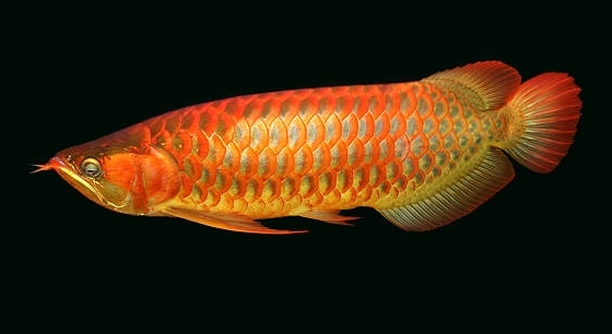
Do you ever notice your arowana flinching at sudden movements or loud noises around your home? These graceful fish are naturally sensitive, and small disturbances can easily startle them. Keeping them calm is key to their well-being.
Arowanas are highly sensitive to sudden changes in their environment, and minimizing startling stimuli involves controlling light, noise, and movement near their tank. Maintaining stable conditions reduces stress and promotes healthier, more relaxed behavior in these fish.
Maintaining a calm environment for your arowana is easier than it seems, and these tips will help ensure your fish feels safe and secure.
Keep the Tank in a Quiet Area
Placing your arowana tank in a quiet spot makes a big difference. Loud noises, people moving around, or a TV blasting nearby can easily startle your fish. I’ve found that positioning the tank in a low-traffic room helps the arowana stay calm. Even subtle vibrations from doors closing or footsteps can make them jump. It’s important to notice how your fish reacts to different sounds. You can reduce startling moments by keeping the tank away from sudden disturbances. If possible, use a small rug or mat under the tank stand to dampen vibrations. Arowanas thrive in consistent, predictable environments. Over time, you’ll notice that the fish becomes more confident and shows less stress. Keeping the surroundings quiet also benefits their overall health, as stress can affect appetite and growth. Observing your arowana daily lets you adjust its environment to reduce stressors effectively, making it feel safe and secure.
Quiet areas prevent frequent stress, which helps arowanas stay healthy and more comfortable in their tank.
Minimizing loud sounds and high activity around the tank ensures your arowana feels secure. Combine this with soft lighting and stable water conditions to create a peaceful environment. Regularly check for sources of noise, including household appliances or guests, and adjust as needed. Even small changes, like moving a chair or closing doors gently, can improve your fish’s comfort. Once the arowana becomes accustomed to a calmer environment, you’ll see calmer swimming patterns, less sudden darting, and a more relaxed presence in its tank. Keeping routines predictable also helps, like feeding at the same time and avoiding sudden movements near the glass. Over weeks, your efforts will result in a fish that seems confident and less easily startled, making tank care more enjoyable.
Control Light and Reflection
Bright lights and reflections can easily startle an arowana. Avoid placing the tank where sunlight hits directly or where indoor lights flicker across the water.
Controlling light exposure helps your arowana remain calm, preventing sudden darting and stress responses that may affect health and appetite.
Arowanas are sensitive to changes in brightness, and sudden flashes or reflections can trigger rapid swimming or jumping. Covering part of the tank with a background or using dimmable lighting can reduce startling reflections. Artificial lights should be turned on gradually, mimicking natural sunrise and sunset, to avoid shocking your fish. It’s also helpful to monitor the water surface for reflective glare that might appear from windows or lamps, as these can confuse the fish and cause stress. Using floating plants or adjusting the tank’s angle slightly can break reflections and create shaded areas, giving the arowana comfortable zones to retreat to. Over time, the fish will become more relaxed, swim confidently, and interact with its environment without frequent fear responses. Simple changes in lighting and tank placement lead to a calmer, healthier arowana.
Maintain Stable Water Conditions
Consistent water temperature and quality keep your arowana calm. Sudden changes in pH, temperature, or cleanliness can startle them, so regular monitoring is essential.
Fluctuations in water parameters stress arowanas and trigger erratic swimming or hiding. I make it a habit to check temperature daily and test pH weekly. Using a reliable heater and filtration system helps maintain stability. Water changes should be gradual to avoid shocking the fish. Even small variations in hardness or chlorine levels can cause discomfort. Observing the arowana’s behavior after water changes is helpful, as it shows whether the adjustments are too abrupt. Over time, stable conditions lead to calmer, more confident swimming patterns and a noticeable reduction in stress responses. Maintaining consistent water parameters also supports immune function, growth, and appetite, making your fish healthier overall.
Arowanas are sensitive to even minor changes, so slow adjustments are key. Regular testing prevents sudden stress.
Keeping the water clean and balanced requires attention, but it greatly reduces startling. Filter maintenance, regular partial water changes, and gradual adjustments create a comfortable environment. I schedule weekly routines and track readings carefully. Arowanas respond well when the water stays consistent, showing calmer movements and fewer jumps. Introducing new water slowly prevents sudden shifts, and checking ammonia, nitrite, and nitrate levels ensures the fish remains in a healthy environment. These steps may seem detailed, but they pay off in long-term comfort. When the water conditions are stable, the fish exhibits natural behavior, swims with confidence, and interacts with its surroundings calmly, making tank management easier.
Limit Sudden Movements Around the Tank
Fast movements near the tank can startle arowanas, so avoid leaning over or tapping the glass.
Arowanas react quickly to sudden motions and may dart or jump. I move slowly near the tank, keeping hands and objects away from the water surface. Avoid tapping or knocking on the glass, as vibrations are stressful. Even routine cleaning should be done with gentle, deliberate motions. Using tools instead of hands directly in the tank reduces accidental splashes and sudden movements. Over time, the fish learns the pattern of gentle activity and becomes more relaxed. Limiting movement around the tank also makes feeding easier, as the arowana focuses on food instead of potential threats. Predictable and calm activity encourages trust and reduces stress.
Consistent slow movements are essential for arowanas. Rushing around the tank causes unnecessary stress.
By controlling how you move near the tank, you prevent frequent startling. I keep my steps soft and hands slow when near the aquarium. Feeding, cleaning, and adjusting decorations are all done deliberately. Avoiding sudden gestures or leaning over the water prevents the fish from reacting defensively. This approach also creates a stable routine that the arowana can recognize, reducing fear responses. Even small daily interactions benefit from calm behavior, as the fish associates your presence with safety. Over time, slow movements allow the arowana to swim naturally, explore decorations, and feed without panic. Limiting abrupt actions around the tank makes a noticeable difference in the fish’s comfort and overall health.
Provide Hiding Spots
Arowanas feel safer when they have places to hide. Adding driftwood, rocks, or large plants creates secure areas where they can retreat if startled.
Hiding spots reduce stress by giving your fish control over its environment. I like to place decorations strategically so the arowana has multiple options for shelter.
Avoid Overcrowding
Too many fish in the tank can increase stress and sudden reactions. Arowanas need space to swim freely and feel secure. Overcrowding leads to competition and more frequent startling, so it’s important to keep tank mates limited and compatible.
Use Gentle Feeding Techniques
Feeding calmly prevents sudden splashes or fast movements that can scare your arowana. I prefer slow, measured drops of food to avoid startling the fish. This method encourages natural feeding behavior and reduces stress, making meals a peaceful part of their day.
Observe Behavior Regularly
Watching your arowana helps identify triggers that startle it. Small changes in posture or swimming patterns can indicate stress, allowing timely adjustments to their environment and care.
FAQ
Why does my arowana get startled easily?
Arowanas are naturally sensitive fish. They rely on their environment for safety, and sudden changes like loud noises, fast movements, or flashes of light trigger their instinctive reactions. Even small vibrations from doors closing or heavy footsteps can cause them to dart or jump. Over time, arowanas can adapt to calmer environments if stressors are reduced. I’ve noticed that after placing the tank in a quieter room and limiting sudden activity nearby, my fish became noticeably calmer. Maintaining stable water conditions and consistent feeding routines also helps reduce startling.
Can tank decorations help reduce stress?
Yes, adding hiding spots like driftwood, large rocks, or floating plants creates safe zones for your arowana. They feel secure when they can retreat from perceived threats. I arrange decorations to provide multiple areas for shelter, so the fish can choose where it feels safest. Hiding spots not only reduce stress but also encourage natural swimming behavior and exploration. Avoid overcrowding the tank with too many items, as that can make the space feel cramped. Proper placement of decorations balances open swimming areas and shaded retreats, which keeps the arowana more relaxed and confident.
How do I know if my arowana is stressed?
Signs of stress include rapid swimming, frequent hiding, jumping, loss of appetite, or unusual color changes. I watch my arowana daily for these behaviors. If the fish consistently reacts to minor disturbances, it likely feels unsafe. Adjusting light, reducing noise, and ensuring stable water conditions usually help. Stress can also be subtle, like a fish avoiding certain areas of the tank. Keeping a behavior log helps track patterns over time. Early observation allows for preventive measures before stress affects health or growth. Calm, consistent care promotes more relaxed swimming and natural behaviors.
Does feeding method affect startling?
Yes, feeding too quickly or splashing food into the tank can scare arowanas. I drop food slowly near the surface to reduce sudden water movement. Using feeding tongs or small containers can help control portions. Over time, this creates a predictable feeding routine, and the fish learns that mealtime is safe. Avoid tapping the glass or moving hands quickly near the water. Gentle feeding techniques also prevent waste, keep the water cleaner, and reduce stress from competition with tank mates. Predictable, calm feeding improves both behavior and overall health.
Can tank mates cause my arowana to get startled?
Definitely. Aggressive or overly active fish can stress an arowana. I select tank mates carefully, focusing on calm, similarly sized species that won’t compete aggressively. Avoid overcrowding the tank, as limited space increases tension. Observing interactions helps identify which fish may be causing stress. If a particular species consistently triggers panic, it may be necessary to separate them. Ensuring ample swimming space and hiding spots for all fish minimizes conflicts. Arowanas become less easily startled when they feel dominant or safe in their territory without interference from others.
How important is water quality for preventing startling?
Water quality is extremely important. Sudden changes in temperature, pH, or ammonia levels stress arowanas and trigger sudden movements. I test water regularly and make gradual adjustments during water changes. A reliable heater, filter, and consistent monitoring help maintain stability. Clean, stable water reduces erratic swimming and promotes healthy behavior. Stress from poor water quality also affects appetite, immune function, and growth. Providing a consistent aquatic environment ensures the fish feels secure, reducing startling incidents. Even minor fluctuations over time can cause repeated stress responses, so monitoring is essential.
Will my arowana calm down over time?
Yes, with consistent care, they can become calmer. I noticed that after reducing sudden noises, providing hiding spots, and maintaining stable water conditions, my arowana reacted less to minor disturbances. Gradual exposure to routine activities near the tank helps build trust. Predictable schedules for feeding and cleaning also support calm behavior. While some individual fish remain naturally skittish, most adjust when their environment is stable, quiet, and predictable. Patience and careful observation are key. Regularly monitoring behavior and adjusting the environment reduces stress and makes the fish more confident, improving both its well-being and your enjoyment of the aquarium.
Are there tools to help reduce startling?
Yes, using a background on the tank, dimmable lighting, or vibration-absorbing mats can help. I place soft mats under the stand to reduce vibrations and adjust lights gradually. Tank covers and floating plants can block reflections that might scare the fish. Even minor adjustments, like moving noisy appliances away, help create a calmer environment. Consistent use of these tools provides stability, reduces stress triggers, and encourages natural swimming patterns. Over time, these small changes contribute significantly to the arowana’s comfort and overall health.
Final Thoughts
Keeping an arowana calm takes attention to detail, but it is worth the effort. These fish are naturally sensitive and react strongly to sudden changes in their environment. Small disturbances, like loud noises, rapid movements, or flashing lights, can easily startle them. I’ve learned that observing the arowana closely is essential to understand its reactions. Even tiny adjustments, such as moving the tank to a quieter area or adding some decorations for hiding, can make a noticeable difference in the fish’s behavior. Over time, arowanas respond well to consistent routines, and their stress levels decrease. Calm and stable conditions allow them to swim confidently, feed without fear, and explore their tank comfortably. Maintaining predictable patterns in daily care is just as important as monitoring water quality or temperature, as these routines create a sense of security that reduces startling.
Providing a balanced and stable environment involves multiple factors. Water quality, temperature, and pH must remain consistent, as even small changes can create stress. I make it a habit to test water regularly and perform gradual water changes to avoid sudden shifts. The placement of the tank also matters; low-traffic areas with minimal vibrations reduce unnecessary stress. Light control is another important factor, as bright reflections or sudden changes in lighting can trigger startling reactions. Decorations like driftwood, rocks, or plants offer safe spaces where the arowana can retreat if it feels threatened. Feeding routines should be gentle and predictable, with slow drops of food that minimize splashing. Every small step contributes to an environment that feels secure for the fish, reducing panic responses and improving overall health.
Patience and observation are key to keeping an arowana calm. Each fish has a unique personality, and what startles one may not affect another as much. I found that by watching my arowana daily, I could notice early signs of stress, like sudden darting or hiding, and adjust the environment accordingly. Limiting rapid movements near the tank, maintaining stable water conditions, and providing hiding spots gradually builds trust and confidence. Over time, the arowana becomes more relaxed and exhibits natural behaviors, such as smooth swimming and steady feeding. The results are rewarding: a healthier, more confident fish and a more enjoyable experience as a caretaker. Consistent care, observation, and thoughtful adjustments are the foundation for preventing startling, and they ensure the arowana thrives in a calm, comfortable habitat.

Hello,
If you enjoy the content that we create, please consider saying a "Thank You!" by leaving a tip.
Every little bit helps us continue crafting quality advice that supports the health, happiness, and well-being of pets around the world, for pets of all shapes, sizes, and species.
We really appreciate the kindness and support that you show us!