
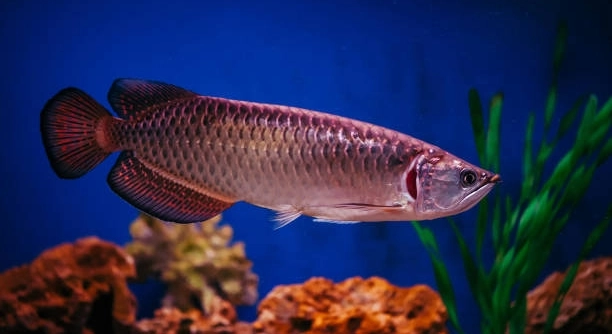
Is your arowana keeping its distance and seeming uninterested in your presence? Many fish owners notice their arowana avoiding eye contact, creating a sense of worry about their pet’s comfort and overall wellbeing in the tank.
Arowanas may avoid eye contact due to stress, illness, or environmental discomfort. Factors such as poor water quality, insufficient hiding spots, or sudden changes in the tank can cause them to display avoidance behavior consistently.
Learning to read your arowana’s signals can help you create a healthier, more comfortable environment and strengthen your bond with your fish.
Understanding Arowana Behavior
Arowanas are sensitive fish that respond strongly to their environment. When they avoid eye contact, it is often a sign of stress or discomfort. Changes in water temperature, pH, or cleanliness can make them wary and hesitant to interact. Even minor disturbances, like tapping the glass or sudden movement near the tank, can cause them to retreat and appear distant. Their natural instinct is to avoid potential threats, which explains why they may look away from humans or other fish. Lighting also plays a role; overly bright tanks can make them feel exposed. Providing hiding spots or plants helps them feel secure. Diet inconsistencies or lack of proper nutrition can add to their unease, impacting behavior. Observing patterns in their reactions can give insight into what triggers avoidance. Over time, adjusting their environment to meet their needs encourages more engagement and reduces stress.
Stress and environment changes are the main reasons arowanas avoid eye contact, signaling the need for careful observation.
Watching your arowana closely allows you to spot stress signs early. Regular water checks, gradual adjustments, and providing safe spaces can improve their comfort. Consistent feeding routines and minimal disturbances support a calmer, more confident fish. Patience is key.
Health Factors That Affect Eye Contact
Illness can affect how your arowana interacts with you. Even minor health issues may make them avoid eye contact.
Parasites, bacterial infections, or internal problems often cause discomfort that leads arowanas to hide or withdraw. Sick fish may eat less, swim slowly, or cling to one area of the tank. Early signs can be subtle, like faded colors or slight changes in movement. Proper diagnosis requires monitoring behavior over time and, if needed, consulting a veterinarian specializing in fish. Quarantining new fish before adding them to the main tank can prevent disease spread. Regular water changes, clean filters, and careful attention to temperature stabilize their immune system, reducing stress-induced avoidance. Supplements or specific diets can strengthen health, while minimizing sudden changes helps prevent flare-ups. Arowanas are resilient when given consistent care, but ignoring signs of illness can worsen both behavior and overall wellbeing. By addressing health concerns promptly, you support a confident, engaged, and visually responsive fish, improving their interaction and reducing avoidance patterns.
Environmental Adjustments
Small changes in the tank can make a big difference in your arowana’s comfort. Proper water temperature, pH balance, and consistent lighting reduce stress and encourage natural behavior.
Providing hiding spots like driftwood or plants creates a sense of security. Sudden movements or loud noises can make arowanas avoid eye contact, so keeping the tank area calm helps. Consistent feeding schedules also contribute to a stable environment. Observing how your fish responds to these adjustments allows you to fine-tune the setup for comfort. Over time, a well-maintained tank leads to more confident and interactive behavior.
Even minor changes, like adjusting the light cycle or adding gentle decorations, can improve your arowana’s willingness to interact. A calm, stable environment reduces anxiety and encourages natural movement, helping the fish feel safe enough to acknowledge your presence more often.
Feeding and Nutrition
Balanced nutrition plays a critical role in your arowana’s behavior. Regular, high-quality food keeps them healthy and reduces stress-related avoidance.
Skipping meals or offering an inconsistent diet can make arowanas withdrawn or less responsive. Protein-rich foods like pellets, insects, or small fish support growth and vitality. Avoid overfeeding, as excess food pollutes the tank and causes discomfort. Supplements, such as vitamins or fatty acids, can strengthen their immune system and improve energy levels. Paying attention to your fish’s preferences while maintaining variety ensures they receive the necessary nutrients. Healthy fish are more active, confident, and likely to engage with their environment, including maintaining eye contact.
Monitoring feeding habits also reveals early signs of illness or stress. Changes in appetite, food rejection, or unusual swimming patterns often indicate underlying issues. Maintaining a consistent feeding routine reduces anxiety, helps regulate their metabolism, and supports overall wellbeing. Offering food at predictable times builds trust and encourages interaction, while observing reactions ensures any health concerns are addressed promptly. Combining nutrition with a stable environment maximizes comfort, creating a more visually responsive and engaged arowana.
Tank Size and Space
Arowanas need ample space to swim comfortably. A cramped tank increases stress and encourages avoidance behavior, making eye contact rare.
Overcrowding with other fish can also trigger fear or territorial behavior. Providing enough room allows your arowana to feel secure and display natural movements.
Social Interaction
Arowanas are naturally solitary but notice changes in tank mates or human presence. Too many fish or aggressive companions can cause them to hide or avoid attention.
Observing how your arowana interacts with other fish helps determine if the environment feels threatening. Reducing stressors improves comfort and encourages more relaxed behavior over time.
Lighting Conditions
Bright or inconsistent lighting can make arowanas feel exposed and uneasy. Dim, stable lighting reduces stress and promotes normal behavior.
Observation and Patience
Consistent observation is key to understanding your arowana. Tracking changes in movement, appetite, and reactions allows you to address problems early and support their wellbeing.
FAQ
Why is my arowana avoiding eye contact?
Arowanas may avoid eye contact due to stress, illness, or environmental discomfort. Poor water quality, sudden changes in lighting, or overcrowding can make them wary. They naturally retreat from potential threats, so avoiding direct gaze is often a protective response rather than aggression.
How can I reduce stress for my arowana?
Maintaining stable water parameters, providing hiding spots, and keeping a consistent feeding schedule can significantly reduce stress. Avoid tapping the glass or creating loud noises near the tank. Observing their behavior helps you identify triggers, allowing for small adjustments that improve comfort and confidence.
Can tank size affect eye contact behavior?
Yes. Arowanas need plenty of space to swim freely. A small or overcrowded tank can increase stress, making them more likely to hide and avoid interaction. Larger tanks with open swimming areas and secure hiding spots encourage natural behavior and visual engagement.
Does lighting impact eye contact?
Bright or inconsistent lighting can make arowanas feel exposed. Using soft, stable lighting reduces stress and encourages normal behavior. Adjusting light gradually during changes in the room or season prevents sudden discomfort that could trigger avoidance.
Could diet affect their willingness to engage?
Yes, nutrition directly impacts behavior. Inconsistent feeding, overfeeding, or poor-quality food can lead to withdrawal. Providing a balanced diet rich in protein and necessary supplements improves energy, immune health, and overall willingness to interact with the environment.
When should I consult a veterinarian?
If your arowana shows prolonged avoidance, loss of appetite, unusual swimming patterns, or color changes, it may indicate illness. Early veterinary intervention ensures proper diagnosis and treatment, preventing worsening conditions and supporting healthier, more confident behavior.
Do arowanas recognize their owners?
Arowanas can become familiar with human presence, especially through regular feeding and consistent interaction. Avoidance of eye contact does not mean they do not recognize you; it often reflects stress or discomfort rather than lack of recognition.
How long does it take for an arowana to feel comfortable?
Adjustment times vary based on tank setup, health, and previous stress. Providing a stable environment, proper nutrition, and minimizing disturbances can encourage comfort within weeks, though some fish may take longer to consistently engage and make eye contact.
Will introducing plants or decorations help?
Yes. Hiding spots like driftwood, rocks, or plants provide security and reduce stress. Feeling safe encourages your arowana to explore and interact more confidently, making them more likely to maintain eye contact and display natural behaviors.
Is solitary behavior normal for arowanas?
Arowanas are naturally solitary and territorial. Avoiding eye contact with humans or other fish is normal if the environment feels unsafe. Providing enough space and minimizing stressors allows them to display normal curiosity while respecting their independent nature.
Can temperature changes affect behavior?
Sudden or extreme temperature shifts can stress arowanas, causing them to hide or avoid eye contact. Maintaining stable water temperature within the species’ preferred range supports comfort, immune health, and engagement, reducing avoidance behaviors.
How can I monitor my arowana effectively?
Observe daily behaviors such as swimming patterns, appetite, color, and interaction with the tank. Keeping notes helps track changes over time, making it easier to spot stress or illness early and adjust care practices promptly.
Are certain fish companions better than others?
Aggressive or overly active tank mates can increase stress. Choosing compatible, calm species reduces competition and tension. Ensuring sufficient space and separate territories helps your arowana feel secure and more likely to maintain eye contact with its environment.
Does frequent movement near the tank affect behavior?
Yes. Sudden movements or tapping the glass can startle arowanas, making them avoid interaction. Limiting disruptions and approaching the tank slowly encourages trust and allows the fish to engage naturally without feeling threatened.
How important is water cleanliness?
Extremely important. Poor water quality can stress arowanas, making them hide and avoid eye contact. Regular water changes, proper filtration, and monitoring chemical levels support health and promote confident, interactive behavior.
Can I train my arowana to make eye contact?
While not “training” in the traditional sense, consistent routines, gentle interactions, and stable conditions help your arowana feel safe. Over time, familiarity may increase visual acknowledgment, though natural instincts will always influence how often they make direct eye contact.
What is the most common mistake owners make?
Many owners overlook water quality, tank size, or stress factors, assuming avoidance is behavioral rather than environmental or health-related. Addressing these core issues ensures comfort, reduces anxiety, and promotes more engaged and confident interactions.
How do I know if my arowana is stressed?
Signs include hiding, erratic swimming, color changes, reduced appetite, and avoidance of humans or other fish. Tracking these behaviors and responding promptly with environmental adjustments or veterinary care helps restore normal patterns.
Does age affect behavior?
Younger arowanas may be more skittish, while older ones may develop consistent routines. Both respond to stress, health, and environment, so maintaining optimal conditions is essential at any stage for comfortable and confident behavior.
Can adding mirrors help?
Mirrors may stimulate curiosity temporarily but can also stress arowanas by creating perceived competition. Use caution, and observe how your fish reacts. Providing stable hiding spots and consistent human interaction is usually more effective in encouraging engagement.
Is eye contact linked to trust?
Yes, but indirectly. Avoidance often signals stress rather than distrust. When your arowana consistently engages visually, it reflects comfort and a sense of security in its environment rather than a conscious emotional bond.
How often should I check on my arowana?
Daily observation is ideal. Quick checks for swimming patterns, appetite, and interaction help detect problems early. Consistent monitoring combined with proper care practices ensures long-term health and reduces avoidance behaviors.
Are sudden decorations or tank changes harmful?
Sudden changes can increase stress and trigger avoidance. Introducing new items gradually allows your arowana to adjust comfortably, preventing unnecessary hiding and promoting natural exploration. Gradual adaptation encourages visual engagement and reduces anxiety.
Do arowanas remember previous stressors?
Yes, they can react cautiously to areas or stimuli linked to past discomfort. Minimizing negative experiences and maintaining a stable environment helps build confidence and encourages regular interaction over time.
Is water current important?
Strong currents may tire or stress arowanas, causing them to avoid interaction. Gentle, controlled flow supports natural movement without overwhelming them, encouraging calm behavior and increased willingness to make eye contact.
How do I know if my arowana feels safe?
A confident arowana swims openly, explores its environment, maintains normal coloration, and may acknowledge human presence. When these behaviors appear consistently, it indicates comfort, trust, and minimal stress.
Can overcrowding affect eye contact?
Yes, overcrowded tanks increase competition and stress, reducing visual engagement. Providing ample space and appropriate tank mates supports natural behavior and encourages interaction with the environment and caretakers.
Are water supplements helpful?
Supplements like vitamins or trace minerals support health and immunity. Healthy fish are more active and responsive, which indirectly improves visual engagement and reduces avoidance behaviors. Over-supplementing can cause problems, so moderation and research are essential.
How long does it take to see improvement?
Improvement depends on the underlying cause. Environmental adjustments, proper feeding, and consistent care can show positive behavioral changes within weeks, though some arowanas may take longer to consistently engage and maintain eye contact.
Is avoiding eye contact always a problem?
Not always. Arowanas are naturally cautious and solitary. Temporary avoidance is normal, especially during tank changes, illness, or stress. Persistent avoidance, however, signals the need for attention to environment, health, or nutrition.
What are subtle signs of discomfort?
Slow swimming, pale coloration, reduced feeding, and frequent hiding are subtle signs. Monitoring these behaviors closely allows early intervention, preventing escalation into serious health or behavioral issues.
Can water temperature drops cause avoidance?
Yes. Even slight drops outside the preferred range can cause lethargy, hiding, and reduced interaction. Stable temperature control is essential for comfort and encourages more normal, visually responsive behavior.
Do arowanas respond to consistent interaction?
They can become accustomed to regular, calm human presence. Predictable routines help reduce stress and improve responsiveness, although natural instincts will still influence eye contact frequency and duration.
Is it normal for arowanas to avoid new people?
Yes. New or unfamiliar humans can trigger caution. Gradual, calm exposure helps your arowana adjust, promoting comfort and reducing avoidance without forcing interaction.
Are water changes stressful?
Sudden or poorly executed water changes can stress arowanas. Gradual adjustments, proper temperature matching, and careful handling minimize disruption, supporting a stable environment and reducing avoidance behavior.
How do I combine all these strategies?
Stable water, adequate tank size, hiding spots, proper nutrition, gentle lighting, and consistent observation together create an environment where your arowana feels secure. Each factor reinforces comfort, reducing stress and encouraging more confident visual interaction over time.
Is patience important?
Absolutely. Arowanas respond slowly to environmental changes. Patience and consistent care allow them to adjust safely, gradually increasing eye contact and engagement without causing stress.
Can seasonal changes affect behavior?
Yes, temperature, daylight, and seasonal shifts can influence activity and stress levels. Adjusting care routines and maintaining stable conditions help minimize seasonal impacts, keeping your arowana comfortable and more likely to engage visually.
Do arowanas communicate with body language?
Yes, movements, posture, and fin positioning signal mood, stress, or curiosity. Understanding these cues helps you interpret avoidance behavior and respond appropriately to improve comfort and engagement.
Should I limit tank decorations?
Too many decorations can limit swimming space, increasing stress. Balance hiding spots with open areas to allow exploration and natural behavior, encouraging eye contact without overwhelming the fish.
Can water hardness affect behavior?
Yes, incorrect hardness levels can stress arowanas. Maintaining proper water chemistry supports health, comfort, and natural behavior, reducing avoidance patterns and promoting confident interaction.
How do I know my arowana is happy?
Signs of a happy arowana include active swimming, regular feeding, bright coloration, and occasional acknowledgment of human presence. Comfortable fish exhibit natural behavior patterns and minimal stress signals, including relaxed eye contact.
Does tank location matter?
Yes. High-traffic areas or noisy surroundings can increase stress. Placing the tank in a calm, stable environment supports comfort, encouraging normal interaction and reducing avoidance behavior.
Are sudden temperature rises harmful?
Yes. Rapid increases can shock the fish, causing hiding and avoidance. Gradual adjustments maintain stability, supporting wellbeing and consistent engagement.
Do arowanas prefer routine?
Yes. Predictable feeding, lighting, and environmental conditions reduce stress. Routine helps them feel secure, increasing the likelihood of normal behavior, including visual acknowledgment of their surroundings.
Can poor filtration impact behavior?
Yes. Ineffective filtration affects water quality, leading to stress and avoidance. Maintaining proper filtration ensures clean water, supporting health and confidence.
How often should I monitor water parameters?
Regular checks, ideally weekly, help maintain stable conditions. Monitoring pH, temperature, ammonia, nitrite, and nitrate prevents stress-induced avoidance and supports overall health.
Are sudden noises harmful?
Yes. Loud or sudden sounds can startle arowanas, causing them to hide. Minimizing noise near the tank promotes comfort and reduces avoidance behavior.
Do arowanas enjoy interaction?
They may acknowledge calm, consistent human presence but prefer minimal disruption. Interaction is best guided by observing their comfort level and natural instincts.
Can water flow affect feeding behavior?
Strong currents may make feeding difficult or stressful. Gentle water movement supports natural swimming and comfort, encouraging relaxed feeding and engagement.
Is it normal for arowanas to hide for long periods?
Occasional hiding is normal, especially in stressful situations. Persistent hiding signals issues with health, environment, or stress, requiring adjustments to restore comfort and encourage normal interaction.
Can supplements prevent avoidance behavior?
Indirectly, yes. Healthy, well-nourished arowanas are more active and confident. Supplements support overall wellbeing, which reduces stress-related avoidance over time.
Does the type of food matter?
High-quality, protein-rich food supports growth, energy, and immune health. Proper nutrition reduces stress, making arowanas more likely to engage and maintain eye contact.
Can seasonal lighting changes confuse arowanas?
Yes. Inconsistent light patterns can stress fish. Gradual adjustments or consistent artificial lighting help maintain comfort and reduce avoidance behavior.
Are young arowanas more skittish?
Yes. Juveniles are generally more cautious and may hide frequently. Providing a secure environment and consistent care helps them gradually build confidence and engage visually.
How can I tell if my interventions are working?
Look for more consistent swimming patterns, reduced hiding, regular feeding, bright coloration, and increased eye contact. Positive behavioral changes indicate your adjustments are effective.
Is patience more important than frequent intervention?
Yes. Over-intervention can stress arowanas. Gradual, consistent adjustments allow the fish to adapt safely and naturally, encouraging confident interaction over time.
Does tank cover affect behavior?
Partial covers reduce light and provide a sense of security. Too little or too much coverage can stress fish. Adjust coverage to balance comfort with visibility.
Do arowanas get bored?
Yes. Lack of stimulation can lead to lethargy or avoidance. Providing a varied environment and occasional enrichment encourages activity, natural behavior, and engagement.
Can temperature swings cause illness?
Yes. Rapid changes weaken immunity, increasing disease risk. Stable temperature supports health, comfort, and normal behavior, reducing avoidance and promoting engagement.
How do I balance interaction and stress?
Provide calm, consistent observation without disturbing the fish. Ensure environmental stability, proper nutrition, and safe hiding spots. Monitoring reactions guides the level of interaction that supports comfort.
Is water clarity important?
Yes. Clear, clean water reduces stress and allows the arowana to see its surroundings safely. Poor visibility increases anxiety, making avoidance more likely.
Can seasonal feeding adjustments help?
Minor adjustments based on metabolism or water temperature can help maintain health. Consistency is key, preventing stress that leads to hiding or avoidance behavior.
How long should arowanas hide before intervention?
Occasional hiding is normal. If hiding persists beyond a few days, review water quality, tank setup, and health. Early intervention prevents prolonged stress and encourages normal behavior.
Does tank decoration movement affect behavior?
Yes. Sudden repositioning of decorations can startle arowanas. Gradual adjustments allow them to acclimate, reducing stress and avoidance.
Can stress affect coloration?
Yes. Pale or dull colors indicate stress. Monitoring coloration helps identify discomfort and prompts timely interventions to restore comfort.
Do arowanas prefer soft or strong water currents?
Soft, gentle currents are preferred. Strong currents tire or stress them, reducing activity and making them more likely to avoid interaction.
Is it normal for arowanas to ignore humans at first?
Yes. Initial caution is typical. Consistent, calm interaction and a secure environment gradually encourage acknowledgment and visual engagement.
Can tank location near windows affect behavior?
Yes. Direct sunlight or frequent shadows may stress fish. Stable placement with controlled lighting supports comfort and reduces avoidance.
How do I know my interventions are safe?
Changes should be gradual, with careful observation for stress signs. If fish remain calm and begin to display natural behavior, the interventions are likely safe and effective.
Are stress behaviors reversible?
Yes. With consistent care, proper environment, and attention to health, most stress-related avoidance behaviors can be reduced or eliminated over time.
Can temperature drops at night affect behavior?
Yes. Nighttime drops can cause hiding or lethargy. Using heaters or stabilizers maintains comfort and encourages normal activity patterns.
Does human activity near the tank matter?
Yes. Frequent movement or sudden gestures can startle fish. Maintaining calm, predictable presence reduces stress and improves engagement.
Can aggressive tank mates cause long-term avoidance?
Yes. Persistent stress from aggressive companions can lead to chronic hiding or reluctance to engage visually. Removing or separating aggressive fish restores confidence and comfort.
Is it normal for arowanas to swim near the bottom when stressed?
Yes. Staying low often signals caution or discomfort. Addressing environmental factors, tank setup, and water quality encourages more natural, relaxed swimming and engagement.
Can adding new fish cause temporary avoidance?
Yes. New tank mates may create stress or territorial behavior. Introducing changes gradually and monitoring interactions supports comfort and reduces avoidance.
Does water vibration affect behavior?
Yes. Vibrations from pumps, filters, or external sources can stress arowanas. Ensuring stable, gentle conditions minimizes avoidance and encourages normal exploration.
How often should I clean the tank?
Regular cleaning prevents waste buildup, maintaining water quality. Consistent maintenance reduces stress, supports health, and encourages natural engagement and visual acknowledgment.
Can temperature drops in winter cause avoidance?
Yes. Cold water slows metabolism and may trigger hiding. Maintaining stable temperatures ensures comfort and reduces stress-related avoidance.
Is it normal for arowanas to avoid eye contact for weeks?
Occasional prolonged avoidance is normal during stress or adjustment periods. Persistent avoidance, however, indicates environmental, health, or social factors need attention.
Can overfeeding cause stress?
Indirectly, yes. Excess food pollutes water, affecting quality and comfort. Controlled feeding supports a stable environment, reducing stress and encouraging normal behavior.
Do arowanas prefer routine light cycles?
Yes. Consistent light and dark periods support natural rhythms, reduce stress, and promote engagement and eye contact.
Can water pH fluctuations affect behavior?
Yes. Rapid or extreme pH changes stress arowanas, leading to hiding or avoidance. Maintaining stable pH is essential for comfort and normal behavior.
How can I tell if my fish is recovering from stress?
Signs include normal swimming, active feeding, bright coloration, and occasional acknowledgment of human presence. Gradual return to typical behaviors indicates successful stress reduction.
Can sudden tank cleaning scare arowanas?
Yes. Abrupt changes can trigger hiding. Gradual maintenance with minimal disruption ensures comfort and reduces stress-related avoidance.
Do arowanas respond to gentle tapping?
They may interpret tapping as a threat, leading to avoidance. Minimizing disturbances helps them feel secure and more likely to interact naturally.
Is it normal for arowanas to retreat when approached?
Yes. Retreating is a natural defense mechanism. With time, stable care, and minimal stress, they may become more confident and visually responsive.
Can seasonal water changes affect eye contact?
Yes. Rapid temperature or chemistry changes can stress arowanas. Gradual adjustments maintain comfort, supporting natural
Final Thoughts
Arowanas are beautiful and fascinating fish, but they can be sensitive and easily stressed. Avoiding eye contact is often a sign that your fish is uncomfortable, not that it is unfriendly. Paying attention to water quality, tank size, lighting, and diet helps create an environment where your arowana can feel safe. Even small adjustments, like adding a hiding spot or changing the light gradually, can make a noticeable difference in its behavior. Observing your fish daily allows you to notice subtle signs of stress, such as hiding, reduced appetite, or changes in swimming patterns. By taking these observations seriously, you can make informed decisions that support your arowana’s comfort and overall health.
Consistency is key when caring for arowanas. Maintaining a stable environment reduces stress and encourages natural behavior. This includes keeping water parameters steady, feeding at regular times, and minimizing sudden disturbances near the tank. Introducing new tank decorations, fish, or equipment should be done gradually to avoid overwhelming your arowana. Over time, a calm and predictable environment helps the fish feel secure and more confident, which may lead to increased eye contact and interaction. Patience is important, as changes in behavior do not happen overnight. Some arowanas take weeks or even months to adjust fully, especially if they were previously stressed or if the tank setup is new. A thoughtful, measured approach ensures long-term comfort and wellbeing, allowing your arowana to thrive in its home.
Health also plays a major role in behavior. Illness, parasites, or nutritional deficiencies can make your arowana withdraw and avoid eye contact. Regular monitoring of feeding habits, swimming activity, and coloration helps identify potential issues early. Addressing health concerns promptly, whether through diet adjustments or consulting a veterinarian, prevents long-term problems and reduces stress-related behavior. By combining proper care, attention to the environment, and awareness of health factors, you can create a supportive space for your arowana. Over time, these efforts build trust and allow your fish to feel comfortable, safe, and engaged, resulting in a more active and visually responsive companion in your aquarium.

Hello,
If you enjoy the content that we create, please consider saying a "Thank You!" by leaving a tip.
Every little bit helps us continue crafting quality advice that supports the health, happiness, and well-being of pets around the world, for pets of all shapes, sizes, and species.
We really appreciate the kindness and support that you show us!