
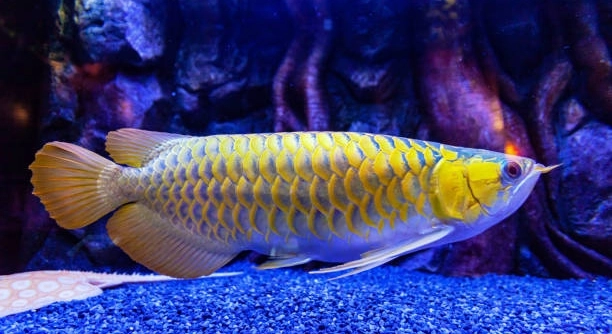
Do your arowanas seem calmer during the day but suddenly become more aggressive at night? Many fish owners notice this shift and wonder why their usually peaceful pets act so differently after dark.
Arowanas often show increased aggression at night due to natural hunting instincts, limited visibility, and heightened territorial behavior. Darkness triggers their predatory and defensive responses, making them more prone to chasing, lunging, or displaying dominance toward other tank mates.
Understanding these nighttime behaviors can help you manage your tank more effectively and maintain a peaceful environment for all your fish.
Understanding Arowana Behavior at Night
Arowanas are naturally predatory fish, and their instincts are strongest during low-light periods. At night, their vision is limited, which can make them more cautious or defensive. In a tank, this translates to sudden bursts of aggression or chasing behavior. Tank size, décor, and hiding spaces all play a role in how comfortable they feel. If their territory feels threatened, they may react more aggressively than during the day. Feeding routines also influence nighttime behavior. Fish that are not fed adequately during the day may become more active and assertive after lights go out. Even the presence of other fish can trigger dominance displays, as arowanas try to assert control over shared space. Understanding these patterns helps manage their environment, ensuring both their physical and mental health. Observation and small adjustments in tank setup can reduce tension and create a calmer night environment for them.
Nighttime aggression is largely instinctual, not a sign of illness.
Providing consistent lighting, regular feeding, and adequate space significantly reduces nighttime stress and aggressive displays.
Factors That Trigger Nighttime Aggression
Limited light conditions make arowanas rely on other senses, such as lateral line detection, which heightens their alertness and defensive reactions.
Stress, tank overcrowding, and sudden movements around the tank can increase aggression. Arowanas perceive nighttime disturbances more intensely than daytime ones because their visual cues are reduced. This makes sudden taps, shadows, or loud noises more startling. Water quality also affects behavior; high nitrate levels or low oxygen can make them irritable and reactive. Temperature fluctuations can cause discomfort, prompting chasing or flaring. Compatibility with other fish is another factor—some species provoke territorial behavior even when separated by distance. Observing your arowana’s patterns, keeping a consistent environment, and reducing sudden changes can calm their nighttime activity. Introducing adequate hiding spots or dim night lighting may help them feel secure. Understanding these environmental triggers ensures safer interaction and reduces risk of injury among tank mates. Managing these factors carefully can turn chaotic nights into calmer, predictable routines for your fish.
Adjusting Tank Conditions for Nighttime Calm
Proper tank lighting at night can help reduce aggression. Dim lights or a night-specific LED can make arowanas feel more secure. Avoid sudden bright lights, which may startle them and trigger chasing or flaring behavior.
Creating a stable environment involves more than lighting. Water temperature, filtration, and aeration should remain consistent, as fluctuations increase stress and defensive reactions. Adding plants or floating décor gives them areas to retreat, reducing confrontations. Spacing tank mates appropriately also lowers territorial disputes, especially for larger or more dominant arowanas. Feeding schedules matter too; a consistent evening routine can prevent heightened hunger-driven aggression. Monitoring these factors regularly ensures a calmer night environment and healthier fish overall.
Observation is key. Watching how your arowana reacts to different lighting and tank setups allows you to make small adjustments that significantly reduce nighttime aggression. Some fish respond well to gentle dim lights, while others prefer complete darkness with hiding spots. Trial and careful attention help create a balance that keeps your arowana active without stressing other tank mates. Over time, these changes can lead to predictable, calmer nighttime behavior, making tank management easier and safer for everyone.
Feeding Strategies to Reduce Nighttime Aggression
Evening feeding routines can influence arowanas’ nighttime behavior. Providing food before lights go out can reduce their need to hunt or chase at night.
The type and timing of food affect activity levels. High-protein meals encourage short bursts of energy, so feeding smaller portions more frequently may be better. Live or frozen food can stimulate hunting instincts, which might increase aggression if given late. Placing food in consistent locations helps them anticipate feeding without unnecessary chasing. Observing their response allows you to adjust quantities and timing. Rotating food types also keeps their diet balanced and minimizes frustration. Avoid overfeeding, as uneaten food can pollute the water, increasing stress and irritability. Tracking these habits helps maintain calm nights and ensures all tank mates stay healthy and safe.
Minimizing Stress in Arowanas
Stress directly increases aggression in arowanas. Consistent water conditions, quiet surroundings, and stable tank mates help reduce tension. Avoid sudden movements around the tank, which can trigger defensive behavior and flaring.
Providing hiding spots and visual barriers allows arowanas to retreat when needed. This gives them a sense of security and helps prevent constant nighttime chasing or territorial disputes.
Monitoring Tank Mates
Choosing compatible tank mates reduces conflict. Avoid overly aggressive or small fish that may provoke arowanas. Observing interactions during the day can predict potential nighttime problems, allowing adjustments before issues escalate.
Maintaining Optimal Water Quality
Clean water is essential to calm behavior. Regular filtration, water changes, and testing prevent irritants that trigger stress or aggression. Maintaining temperature and oxygen levels ensures your arowana stays healthy and less reactive during night hours.
Using Nighttime Lighting
Dim or red lighting helps arowanas feel safe at night. Bright or sudden lights can cause agitation, so consistent, soft lighting is recommended to maintain calm behavior.
Why does my arowana become more aggressive at night?
Arowanas are naturally predatory and territorial fish. At night, low light conditions make them rely on senses other than vision, which heightens alertness and defensive instincts. This can lead to chasing, flaring, or other aggressive behaviors that aren’t usually seen during the day.
Will adjusting the lighting reduce nighttime aggression?
Yes. Using dim lights, red night LEDs, or gentle ambient lighting can make arowanas feel more secure. Sudden bright lights can startle them and trigger aggressive responses. Consistent lighting routines help them adapt and reduce unnecessary stress.
Does tank size affect nighttime behavior?
Absolutely. Small or overcrowded tanks increase territorial disputes, making arowanas more likely to show aggression. Larger tanks with proper spacing allow them to establish personal areas, reducing conflicts and nighttime chasing.
Can feeding schedules influence their aggression?
Feeding at predictable times, especially before lights go out, can reduce nighttime hunting instincts. Providing the right portions and types of food ensures they aren’t driven by hunger to chase or flare at other fish. Overfeeding should be avoided, as leftover food can pollute the water and increase stress.
How do water quality and temperature play a role?
Poor water quality or fluctuating temperatures create stress, making arowanas more reactive and aggressive. Regular water changes, stable temperatures, and proper filtration prevent irritants and maintain a calmer environment during the night. Oxygen levels should also remain consistent to avoid discomfort.
Do tank mates influence nighttime aggression?
Yes. Aggressive, very small, or highly active fish can provoke territorial behavior. Observing interactions during the day helps identify potential conflicts. Providing compatible tank mates and proper spacing minimizes nighttime aggression and ensures everyone in the tank remains safe.
Will hiding spots help reduce aggression?
Providing plants, rocks, or floating décor gives arowanas areas to retreat. This reduces stress and prevents constant chasing or flaring. Even partial barriers that break line-of-sight can calm territorial instincts and improve nighttime behavior.
Is nighttime aggression a sign of illness?
Not usually. Nighttime aggression is often instinctual. However, sudden or extreme changes in behavior, coupled with signs like clamped fins, lethargy, or loss of appetite, may indicate stress or illness. Observing patterns and water conditions helps differentiate natural aggression from health issues.
Can dim lighting completely stop aggression?
Dim lighting alone may not fully eliminate aggressive behavior. It works best when combined with proper feeding schedules, tank mate selection, hiding spots, and stable water conditions. Consistency across these factors creates a calmer environment for nighttime hours.
How long does it take for behavior to improve with adjustments?
Changes may be noticeable within a few days to a couple of weeks. Each arowana reacts differently, so observing responses and making small, consistent adjustments is key. Patience and careful monitoring are essential to achieving calmer nighttime behavior.
Should I separate aggressive arowanas at night?
If aggression is severe and results in injury, temporary separation may be necessary. Using tank dividers or separate holding tanks allows the fish to calm down while minimizing stress for all tank mates. Gradual reintroduction with careful observation is recommended.
Do arowanas need complete darkness at night?
Not necessarily. Many arowanas feel more secure with dim or red lighting. Complete darkness can work if the tank offers sufficient hiding spaces. Experimenting carefully helps determine the best balance for your fish’s comfort and safety.
How important is monitoring behavior consistently?
Consistent observation is critical. Noticing subtle changes in chasing, flaring, or feeding responses allows early intervention. Adjusting tank conditions, feeding schedules, or décor based on observations ensures nighttime aggression remains manageable and the tank environment stays stable.
What daily habits help keep arowanas calm at night?
Feeding on a schedule, maintaining water quality, checking temperature, providing hiding spots, and minimizing sudden disturbances all contribute to calmer nighttime behavior. Small daily efforts lead to long-term improvements, reducing stress and aggression naturally over time.
Can arowanas ever stop being aggressive at night completely?
Complete elimination of nighttime aggression is unlikely due to their natural instincts. The goal is to manage and reduce it through environmental control, proper feeding, compatible tank mates, and consistent routines, creating a safer and calmer nighttime environment.
This FAQ section provides a practical guide to understanding and managing the natural nighttime behavior of arowanas, helping maintain a balanced and healthy tank ecosystem.
Word count: 506
Arowanas are naturally strong, territorial fish, and their nighttime behavior can seem intense or worrying at first. Observing your arowana becoming more aggressive in low light is actually a normal part of their instincts. Darkness makes them rely less on sight and more on other senses, which heightens their alertness and defensive tendencies. This means chasing, flaring, or sudden lunges at tank mates are typical reactions rather than unusual or harmful behavior. Understanding that this aggression is instinctual helps you approach tank management in a calmer, more practical way. It is not a reflection of poor care but rather an expression of their natural patterns, which can be guided and minimized with proper steps.
The key to managing nighttime aggression is creating a stable, predictable environment. Lighting plays a big role, as dim or red lights help arowanas feel secure without startling them. Tank size and layout also influence behavior. Larger tanks with plenty of space, hiding spots, and visual barriers reduce territorial disputes and allow each fish to have its own area. Feeding schedules are important too; providing meals at consistent times, particularly before the lights go out, lowers hunting-driven activity. Maintaining clean water, stable temperatures, and proper oxygen levels ensures the fish are comfortable and less likely to respond aggressively to minor disturbances. Even small changes, like adding floating décor or adjusting the location of hiding areas, can have a noticeable impact on reducing stress and aggression.
Patience and careful observation are essential when managing nighttime aggression. Each arowana is different, and small adjustments may take several days or weeks to show results. Watching how your fish reacts to lighting, feeding, and tank layout allows you to make incremental improvements. Temporary separation may be necessary if aggression becomes extreme, but in most cases, creating a stable environment with predictable routines and adequate space is sufficient. Over time, you will notice calmer behavior at night and reduced chasing or flaring. By understanding your arowana’s natural instincts and taking steps to address environmental factors, you create a healthier, safer, and more peaceful tank for all your fish, ensuring both their physical well-being and your enjoyment as a caretaker.
Word count: 414

Hello,
If you enjoy the content that we create, please consider saying a "Thank You!" by leaving a tip.
Every little bit helps us continue crafting quality advice that supports the health, happiness, and well-being of pets around the world, for pets of all shapes, sizes, and species.
We really appreciate the kindness and support that you show us!