
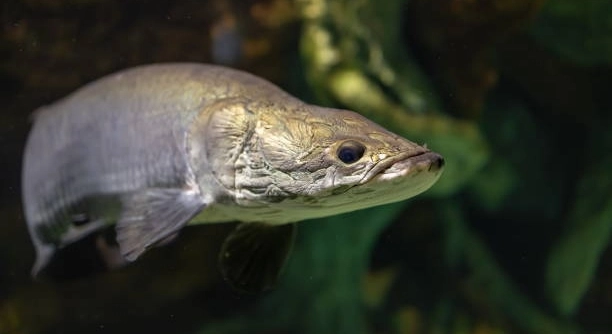
Arowanas are majestic fish that bring elegance to any home aquarium. Their size and active nature require careful planning in their environment. Many hobbyists focus on decorations and layout to create a healthy and visually pleasing tank.
Changing an arowana tank layout frequently can cause stress and disrupt established territories. Stability in the tank environment promotes natural behavior, reduces aggression, and supports optimal health. Minor adjustments are preferable over complete rearrangements for the well-being of these fish.
Maintaining a balance between aesthetics and stability is key. Small changes can enhance the tank without unsettling the arowana’s established environment.
Why Stability Matters in Arowana Tanks
Arowanas thrive in environments that are consistent and predictable. Sudden changes to their tank layout can stress them, causing erratic swimming, hiding, or loss of appetite. These fish establish territories and rely on familiar surroundings to feel secure. Rocks, driftwood, and plants create natural barriers and resting spots, which help reduce aggression and allow them to display natural behavior. Consistent water parameters are equally important; a stable layout prevents disruptions to filtration and circulation patterns. Over time, a well-set tank allows arowanas to adapt, explore confidently, and develop strong immunity. While occasional small changes, like rearranging décor slightly or adding new plants, can be enriching, frequent large-scale modifications are unnecessary. Observing how your arowana responds to minor adjustments can guide you in making subtle improvements that enhance their environment without causing stress. Overall, stability supports both mental and physical well-being.
Even minor disruptions can unsettle an arowana. Maintaining a consistent environment promotes calm behavior and better health.
Small changes, like moving a decoration slightly or adding new plants, can improve aesthetics and enrichment. These adjustments should be gradual and infrequent to avoid stress.
How to Safely Adjust Your Tank
Adjustments should focus on enrichment without overwhelming the fish. Adding new plants or repositioning rocks gradually encourages exploration. Large rearrangements should be avoided, as they can trigger stress responses, territorial disputes, and changes in feeding patterns. When introducing new elements, it’s helpful to monitor the arowana for a few days, observing swimming patterns and appetite. Keeping a routine for feeding and water maintenance adds predictability.
Before making changes, plan the layout carefully. Measure tank space, consider water flow, and select décor that won’t obstruct swimming. Avoid sharp objects that could injure the fish. Gradually introduce any new elements to allow the arowana to adjust comfortably. Using background decorations or subtle substrate changes can refresh the tank visually without altering core territories. By respecting the fish’s need for a stable environment, you can enhance their habitat thoughtfully. Observing responses to these small adjustments ensures their comfort, encourages natural behavior, and supports long-term health, making the tank both functional and visually pleasing for you and the arowana.
Signs Your Arowana Prefers a Stable Layout
Frequent hiding, sluggish swimming, or aggression toward tank mates often indicate stress from changes. Sudden rearrangements can unsettle their sense of territory and comfort. Observing these behaviors helps you decide when to leave the layout unchanged.
Arowanas rely on visual landmarks to navigate and feel secure. When decorations, plants, or rocks are moved too often, they may become disoriented, leading to erratic swimming or constant pacing along tank edges. Stress can also affect their appetite and immune system. Maintaining a consistent arrangement allows them to establish familiar territories, reducing aggression and promoting calm behavior. Even small changes should be gradual, giving the fish time to adjust without feeling threatened. Keeping a balanced and predictable environment contributes to both their physical and mental well-being.
Some behaviors are subtle but meaningful. Arowanas may ignore food, hover in one spot, or appear tense near new objects. Recognizing these signs ensures that adjustments are made thoughtfully. Slow, minor changes are preferable to frequent large rearrangements, keeping the fish confident and comfortable.
Effective Techniques for Safe Adjustments
Gradual changes, like adding a single plant or moving rocks slightly, allow the arowana to explore without stress. Abrupt shifts should be avoided to prevent disruption of established territories.
Before making adjustments, evaluate the tank space carefully. Introduce new décor one piece at a time and observe how your arowana responds over several days. Maintain consistent water parameters and feeding routines during these changes. Using soft, natural materials prevents injuries while preserving swimming space. Adjustments should enhance enrichment without interfering with the fish’s comfort zones. This measured approach reduces aggression, prevents stress, and encourages natural exploration, allowing the fish to adapt smoothly.
Documenting each change and monitoring reactions helps identify what works best. Gradual introduction of objects or plants ensures that the arowana adjusts at its own pace. Avoid overloading the tank with new décor simultaneously, as this can confuse or stress the fish. Maintaining some fixed landmarks supports territory recognition and comfort. By combining consistency with thoughtful enrichment, you create a healthy, stimulating environment that balances the fish’s needs with visual appeal. Observing these reactions guides future adjustments while protecting the fish’s well-being and encouraging natural behavior.
Timing Changes for Your Arowana Tank
Choose periods when your arowana is least active for adjustments. Avoid changes during feeding or nighttime, as these are sensitive times for the fish. Gradual modifications are less disruptive.
Spacing out rearrangements over weeks rather than days helps the arowana adapt. Small, incremental shifts maintain comfort and reduce stress.
Balancing Aesthetics and Functionality
While aesthetics are important, the layout should prioritize swimming space and safety. Avoid overcrowding with décor that restricts movement. Use natural materials like smooth driftwood or rounded rocks to minimize injury risk. Plants can provide shelter, but they should not block key swimming areas. Position filtration and aeration systems carefully to maintain consistent water flow. Arowanas need open areas for exercise and exploration alongside shaded zones for resting. This balance ensures the tank remains visually appealing while supporting the fish’s health and natural behavior. Monitoring responses to changes allows adjustments to improve functionality without compromising comfort.
Avoid Frequent Major Rearrangements
Large, repeated changes can unsettle your arowana. Keep significant modifications to a minimum to protect its well-being.
FAQ
How often should I change my arowana tank layout?
Frequent major changes are not recommended. Arowanas prefer stability and familiarity. Minor adjustments, such as moving a plant slightly or adding a single new decoration, can be done occasionally. Large-scale rearrangements should be spaced out over months, allowing the fish to adjust gradually. Observing behavior after small changes helps determine if the environment is comfortable.
Can rearranging the tank stress my arowana?
Yes. Sudden or frequent rearrangements can cause stress, which may result in hiding, erratic swimming, or loss of appetite. Stress also weakens the immune system, making the fish more vulnerable to disease. Gradual, minimal adjustments are safer and help maintain a healthy and calm fish.
Are there any changes that are safe for arowanas?
Small, incremental modifications are generally safe. Adding a single plant, slightly moving rocks, or adjusting substrate in a limited area can provide enrichment. Always monitor the fish’s reaction to these changes, and avoid sharp or unstable decorations that could cause injury.
Does tank size affect how often I can change the layout?
Yes. Larger tanks give more flexibility because arowanas can move freely and maintain territories even when minor adjustments are made. Smaller tanks require careful planning and minimal changes, as the fish has less space to establish comfort zones. Stability is more critical in smaller environments.
What signs indicate my arowana is stressed from layout changes?
Common signs include hiding for long periods, erratic swimming, aggressive behavior, reduced appetite, and unusual hovering near tank corners. Sudden reactions after a new object is introduced are also indicators. Recognizing these signs early allows for reversing changes or making adjustments gradually.
Can enrichment be added without changing the layout?
Yes. Enrichment does not always require moving decorations. Adding floating plants, rearranging a single rock slightly, or using visual background changes can stimulate exploration. These subtle adjustments keep the environment engaging while preserving stability and minimizing stress.
How long should I wait between changes?
It is best to wait several weeks between adjustments, especially major ones. This gives the arowana time to explore, establish territories, and feel secure. Observing behavior during this period helps determine if the fish is comfortable before considering further modifications.
Is it okay to completely redesign my tank?
Complete redesigns should be avoided unless necessary. Such drastic changes can be very stressful, especially if the arowana is accustomed to the existing layout. If a redesign is needed, implement it gradually, introduce new elements slowly, and monitor the fish closely for signs of stress.
Do decorations affect territorial behavior?
Yes. Arowanas use rocks, driftwood, and plants as landmarks to define territories. Frequent changes can confuse them and trigger aggression or defensive behavior. Consistent placement helps reduce conflict, while small, thoughtful adjustments can provide enrichment without disrupting established territories.
Can water conditions influence how my arowana responds to changes?
Absolutely. Even small changes in layout can affect water flow, filtration, and aeration. Arowanas are sensitive to environmental shifts, so maintaining consistent water parameters is essential when making any adjustments. Stability in both layout and water quality ensures the fish stays healthy and stress-free.
Should I document changes to the tank?
Yes. Keeping a log of modifications, dates, and observed behaviors helps track what works best. It provides insight into how your arowana adapts and allows you to plan future adjustments safely, reducing stress and promoting long-term well-being.
Can young arowanas handle changes better than adults?
Juvenile arowanas are generally more adaptable than adults but still benefit from stable environments. Frequent major changes can still cause stress or confusion. Gradual, minimal adjustments are recommended at all stages of life to support growth, health, and natural behavior.
How can I make my arowana feel comfortable after a change?
Provide stable water conditions, consistent feeding schedules, and minimal disturbance. Observing the fish and allowing it to explore at its own pace helps it regain confidence. Avoid adding multiple new elements simultaneously and ensure swimming areas remain open and safe.
Is it better to rearrange decorations or add new ones?
Adding new, small elements is usually less stressful than moving existing decorations. Arowanas are familiar with their established landmarks, so introducing subtle enrichment rather than changing core elements preserves comfort while still enhancing the environment.
Can stress from layout changes affect feeding habits?
Yes. Stress can lead to reduced appetite or refusal to eat. Maintaining a stable layout, introducing changes slowly, and observing reactions ensures feeding behavior remains consistent, supporting overall health and growth.
This FAQ covers the key points on managing tank layout for arowanas, balancing stability and enrichment, and ensuring the fish remains healthy and comfortable.
Final Thoughts
Maintaining an arowana tank requires a careful balance between stability and subtle enrichment. These fish thrive in predictable environments where they can establish territories and explore confidently. Frequent or drastic changes can cause stress, which affects both behavior and overall health. Observing how your arowana reacts to even minor adjustments is important to ensure its comfort. Small changes, such as moving a rock slightly, adding a plant, or adjusting decorations gradually, can provide stimulation without overwhelming the fish. Over time, these thoughtful modifications help the tank remain interesting while preserving a stable environment that supports natural behaviors. Consistency in layout, water conditions, and feeding routines is key to creating a secure habitat where the fish can grow and develop without unnecessary stress.
It is easy to focus on the visual appeal of a tank, but the fish’s needs should always come first. Arowanas are active, territorial, and intelligent, which means they notice changes in their surroundings quickly. Sudden shifts in layout, overcrowding with decorations, or moving landmarks frequently can disrupt their sense of security. Even changes that seem minor to the owner may be significant to the fish. By spacing out adjustments over weeks and monitoring reactions, you give the arowana time to adapt. Observing behavior such as swimming patterns, feeding responses, and resting spots provides insight into whether the environment remains comfortable. Gradual enrichment allows the tank to stay visually appealing without compromising the well-being of the fish. Prioritizing stability over constant modification ensures a calm and healthy aquatic environment.
Long-term health and happiness for an arowana come from a balance of careful planning, consistency, and attention to subtle needs. Providing open swimming space, safe décor, and familiar landmarks creates a predictable environment where the fish can thrive. Adjustments should always be deliberate and minimal, avoiding sudden changes that could trigger stress. Monitoring water parameters, maintaining regular feeding schedules, and observing behavior are essential components of successful care. Over time, even small, thoughtful changes can enrich the tank while keeping the fish secure. Understanding your arowana’s responses and preferences helps create a habitat that meets both aesthetic goals and the fish’s natural requirements. A stable, well-planned tank encourages natural behavior, reduces aggression, and promotes long-term health, making the aquarium both enjoyable to observe and safe for the fish.

Hello,
If you enjoy the content that we create, please consider saying a "Thank You!" by leaving a tip.
Every little bit helps us continue crafting quality advice that supports the health, happiness, and well-being of pets around the world, for pets of all shapes, sizes, and species.
We really appreciate the kindness and support that you show us!