
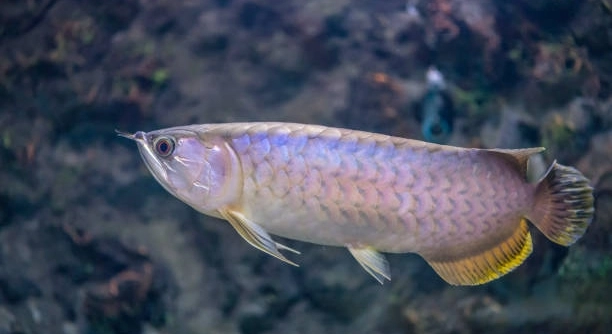
Adult Arowanas are striking freshwater fish admired for their elegance and size. Caring for them requires attention to feeding habits, water quality, and overall health to ensure they thrive in home aquariums comfortably.
Overfeeding an adult Arowana can lead to serious health problems. Excess food may cause digestive issues, obesity, and water contamination. Maintaining a controlled diet with appropriate portions and feeding schedules is essential for the fish’s long-term well-being.
Proper feeding practices are crucial for sustaining your Arowana’s health, growth, and natural behavior within its aquatic environment.
Recognizing Signs of Overfeeding
Adult Arowanas can show subtle changes when they are overfed. A bloated abdomen, lethargy, and slower swimming patterns often indicate digestive stress. Uneaten food sinking to the bottom can also signal that feeding amounts are too high. These signs are usually gradual and may be overlooked if you feed without monitoring portions. It’s important to watch how your fish reacts after each feeding. Adjusting the diet according to behavior and appetite can prevent health problems before they escalate. Over time, consistent observation helps you understand the right quantity of food for your Arowana. Avoid sudden changes in feeding amounts, as this can disturb their digestion. Monitoring water clarity is another way to assess feeding. Cloudy or dirty water often results from excess food and waste, which affects oxygen levels. Taking note of these indicators ensures a healthier, more balanced aquatic environment for your fish. Careful attention prevents stress and disease while promoting natural activity.
Overfeeding can reduce your Arowana’s lifespan if left unchecked. Proper portion control is key to preventing complications.
Balancing nutrition and quantity supports overall health. Providing a variety of proteins and occasional live or frozen food stimulates appetite without excess. Avoid frequent treats that may upset digestion. Regularly clean the tank and monitor water quality to reduce risks. Observation helps tailor feeding habits to your fish’s behavior.
Adjusting Feeding Schedules
Consistency in feeding schedules keeps Arowanas healthy and active. Feeding at the same times each day helps regulate digestion and appetite. A varied routine prevents boredom and ensures they receive necessary nutrients without overconsumption.
Adult Arowanas generally do well with one to two feedings per day. Start with small portions and gradually increase if the fish maintains a healthy body condition. Avoid overfeeding by removing uneaten food promptly. Keep a log of feeding times, quantities, and reactions to monitor trends. Live foods like small fish, shrimp, or insects can be introduced, but only in moderation to prevent obesity and contamination. Frozen or prepared pellets are safer for daily feeding and easier to measure. Adjust portions based on activity levels, water temperature, and fish size. Seasonal changes may also require slight modifications. A well-planned schedule supports digestion, prevents bloating, and reduces waste accumulation in the tank. By observing your Arowana closely, you can fine-tune feeding practices that suit its needs while maintaining a stable, clean aquatic environment. This careful approach encourages healthy growth, optimal energy, and a vibrant appearance over time.
Common Foods and Portions
Arowanas need a mix of protein sources. Pellets, shrimp, and small fish provide essential nutrients. Portion sizes should be measured carefully to avoid overfeeding. Monitoring leftovers helps determine the correct amount.
Too much live food can increase risk of digestive issues. Small, frequent feedings work better than large, infrequent ones. Varying the diet with frozen or prepared pellets reduces the chances of overeating while still providing necessary vitamins and minerals. Avoid giving multiple treats at once, as this can cause bloating and stress. Observing how your fish eats allows adjustment of portions over time to maintain optimal health and activity.
Feeding should not exceed what the Arowana can consume in a few minutes. Leftovers decompose quickly, affecting water quality and encouraging harmful bacteria. Consistent portion control ensures proper digestion and prevents long-term health complications. Tracking consumption daily helps refine feeding habits.
Water Quality and Overfeeding
Excess food leads to dirty water, which can harm Arowanas. Regular cleaning prevents ammonia spikes and keeps fish healthy.
Poor water conditions can cause stress, weaken immunity, and lead to disease. Overfeeding directly contributes to waste accumulation, making filtration essential. Regular water testing helps detect rising ammonia, nitrite, or nitrate levels. Removing uneaten food and performing partial water changes maintain balance. Tank size, population, and filter capacity influence how overfeeding affects water quality. Overfed fish in small or crowded tanks experience faster water degradation. Monitoring both feeding and water parameters ensures a stable environment, reducing illness risk and promoting natural behavior. Proper maintenance keeps your Arowana energetic and vibrant.
Tips to Prevent Overfeeding
Measure food carefully before feeding your Arowana. Stick to a consistent schedule to maintain a healthy appetite and avoid excessive leftovers.
Observe how much your fish eats within a few minutes. Remove uneaten food promptly to keep the tank clean and reduce health risks.
Monitoring Health and Behavior
Regularly check your Arowana for signs of bloating, lethargy, or unusual swimming patterns. These can indicate overfeeding or digestive issues. Maintaining a balanced diet, proper portion sizes, and clean water helps prevent health complications. Tracking behavior over time allows adjustments in feeding practices and ensures your fish stays active, healthy, and visually vibrant.
Using Feeding Tools
Tweezers or feeding sticks make it easier to control portions and limit overeating. They also help direct food to active fish efficiently.
FAQ
How often should I feed an adult Arowana?
Adult Arowanas generally do well with one to two feedings per day. Feeding more frequently can increase the risk of overfeeding, digestive problems, and water quality issues. Start with small portions and adjust based on appetite and activity. Consistency is key, as it helps regulate digestion and prevents stress caused by sudden changes in food intake. Monitoring leftovers ensures you do not provide too much.
What is the right portion size for an adult Arowana?
A suitable portion is roughly the size of the fish’s head per feeding. This can vary depending on the fish’s size, activity level, and age. Observing how quickly the Arowana consumes the food helps gauge if the amount is correct. Uneaten food should be removed promptly to maintain water quality. Overfeeding can lead to obesity, bloating, and poor water conditions, which negatively affect overall health.
Can I give live food every day?
Live food is rich in protein and stimulates natural hunting behavior, but daily feeding is not recommended. Excess live food increases the risk of digestive issues and water contamination. Incorporate frozen or prepared pellets to provide balanced nutrition while reducing the risk of overfeeding. Treat live food as a supplement rather than the primary diet. Proper rotation of protein sources ensures your Arowana remains healthy, energetic, and vibrant.
What are the signs my Arowana is overfed?
Common signs include a swollen abdomen, sluggish swimming, and refusal to eat. Uneaten food accumulating in the tank and cloudy water are indirect indicators. Overfed Arowanas are more prone to digestive problems and illness. Watching for changes in behavior and appearance helps identify overfeeding early, allowing for adjustments in diet and portion control before serious health issues develop.
Does overfeeding affect water quality?
Yes, excess food decomposes quickly, raising ammonia, nitrite, and nitrate levels. Poor water quality can stress the fish, weaken immunity, and trigger disease. Proper portion control, timely removal of leftovers, and regular water changes help maintain a stable environment. Filters should be adequate for tank size and population to prevent waste buildup.
Are pellets better than live food?
Pellets provide balanced nutrition, are easy to measure, and help control portion size. They reduce the risk of overfeeding and water contamination. While live food can be beneficial for enrichment, pellets should form the core of the diet. A combination of both ensures variety without compromising health or tank conditions.
Can overfeeding shorten my Arowana’s lifespan?
Yes, chronic overfeeding can lead to obesity, organ stress, and digestive issues. Over time, these health problems may reduce lifespan. Maintaining proper portions, feeding schedules, and water quality supports long-term health, activity, and appearance, helping your Arowana live a full, healthy life in captivity.
How do I adjust feeding for seasonal changes?
Arowanas may eat less during cooler temperatures and more when water is warm. Monitor appetite and activity to adjust portion sizes accordingly. Avoid sudden increases or decreases in food, as this can stress the fish. Seasonal adjustments help maintain healthy digestion and prevent overfeeding-related complications.
What if my Arowana refuses to eat?
Refusal to eat can result from stress, illness, or improper feeding conditions. Check water quality, temperature, and tank environment. Offering smaller portions or varying food types can encourage feeding. Persistent refusal may require consultation with an aquatic veterinarian to rule out health issues.
Can overfeeding cause diseases?
Yes, overfeeding increases the risk of fatty liver, bloating, constipation, and bacterial infections. It also worsens water quality, making the tank more prone to pathogens. Controlled portions, varied diet, and clean water are crucial to prevent these health problems and maintain a healthy, active Arowana.
This FAQ addresses the most common concerns regarding feeding adult Arowanas and emphasizes careful portion control, diet variation, and monitoring to ensure a healthy fish and clean tank environment. Proper feeding habits directly impact longevity, behavior, and overall well-being.
Final Thoughts
Proper feeding is one of the most important aspects of keeping an adult Arowana healthy. Overfeeding can lead to a range of problems, from bloating and digestive issues to a decline in water quality. Observing your fish closely after each feeding helps you determine the right amount of food. Adult Arowanas do not require excessive portions, and small, controlled feedings are usually sufficient. Removing uneaten food promptly prevents decay in the tank and keeps the environment stable. By focusing on portion control, you ensure your Arowana maintains a healthy weight and avoids long-term complications. Feeding is not just about providing nutrition; it also involves understanding your fish’s behavior and adjusting habits to match its needs. Each fish may react differently, and paying attention to appetite, activity levels, and overall appearance gives insight into whether the diet is appropriate. Maintaining a balance between nutrition and quantity is essential to support growth, energy, and natural behavior in captivity.
A varied diet is just as important as proper portion control. Pellets, frozen foods, and occasional live foods provide essential nutrients without overloading the digestive system. Relying too heavily on one type of food may result in deficiencies or digestive stress. Live foods can be enriching, but they should be given in moderation to prevent overfeeding and water contamination. Pellets are convenient for daily feedings because they are measured easily, digest well, and contribute to stable water conditions. Observing how your Arowana consumes each type of food helps determine what works best. Some fish prefer slower, more deliberate feeding, while others eat quickly and may require smaller, more frequent portions. Adapting to these patterns ensures proper nutrition while minimizing risks. A balanced diet supports overall health, encourages active swimming, and enhances the natural color and appearance of your fish. Keeping variety in mind while avoiding excess makes feeding a more effective and controlled process.
Water quality and environmental management go hand in hand with feeding practices. Overfeeding increases waste, which can rapidly degrade water conditions. Ammonia, nitrite, and nitrate levels rise if excess food is left to decompose, stressing the fish and potentially causing illness. Regular water changes, effective filtration, and tank maintenance are essential to counteract these effects. Monitoring water parameters alongside feeding habits ensures a stable and healthy environment for your Arowana. Consistency is key, both in feeding schedules and environmental upkeep. Attention to these details supports proper digestion, prevents disease, and promotes longevity. An adult Arowana thrives when its diet, portion control, and water conditions are all balanced. Careful observation and adjustments over time make a significant difference, allowing your fish to remain healthy, active, and visually vibrant throughout its life.

Hello,
If you enjoy the content that we create, please consider saying a "Thank You!" by leaving a tip.
Every little bit helps us continue crafting quality advice that supports the health, happiness, and well-being of pets around the world, for pets of all shapes, sizes, and species.
We really appreciate the kindness and support that you show us!