
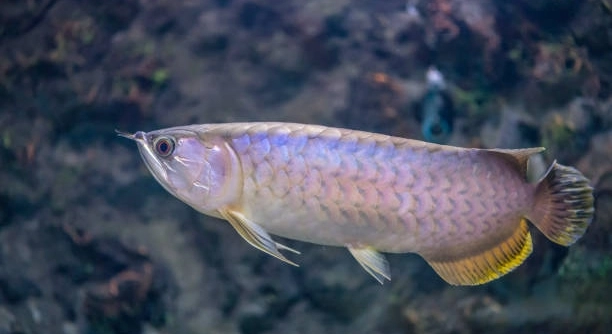
Is your arowana constantly following the water filter, swimming around it, or even bumping against it? This behavior can be puzzling for fish owners who expect their pets to stay calm and explore the tank peacefully.
Arowanas are naturally curious and territorial fish. The filter creates movement, vibrations, and a flow of water that mimics natural currents, attracting the fish’s attention. This fascination is a combination of environmental stimulation, instinctual behavior, and occasional hunting instincts triggered by the filter’s motion.
Observing this behavior more closely can help you understand your arowana’s needs and adjust its environment for a healthier, happier tank life.
Why Arowanas Are Drawn to the Filter
Arowanas are highly active and intelligent fish. In my own tank, I noticed my arowana constantly circling the filter, especially during feeding time. The water movement creates a dynamic environment that keeps them engaged. Filters produce vibrations and currents that resemble small prey movements, triggering the fish’s natural instincts. Over time, this interaction can become a habit. Observing it, I realized it’s not just curiosity. Arowanas are territorial; they often patrol their space, and the filter becomes a central part of their perceived territory. They may swim around it repeatedly to assert dominance or simply explore. Lighting and reflections from the filter can also attract attention, creating a visual stimulus. This combination of factors explains why they seem “obsessed.” Even without other fish in the tank, the filter provides enough stimulation to keep their focus. It’s a behavior rooted in instinct and environmental engagement.
This behavior is normal and usually harmless, though it can indicate stress if excessive.
Watching my arowana interact with the filter helped me adjust the tank setup. I repositioned decorations to reduce repetitive circling and added floating plants for enrichment. The fish still enjoys the water flow but now spends time exploring other areas. Regular observation allowed me to notice subtle changes in behavior and health, ensuring my arowana remains active and engaged. Over time, I learned that slight adjustments, like changing filter output or introducing new textures in the tank, can reduce stress and boredom. Arowanas thrive when their environment mimics natural habitats, balancing strong currents with calm zones. By understanding their instincts and providing proper stimulation, tank life becomes healthier. Every fish responds differently, but monitoring activity around the filter gives insight into their comfort. Patience and careful observation are key to maintaining a stable environment. Ultimately, it’s about creating a space where the fish can express natural behaviors without repetitive stress or frustration.
How to Manage Filter Fixation
Limiting obsession requires environmental changes and gentle intervention.
Introducing new hiding spots, adjusting water flow, or rearranging decor can shift attention from the filter. Arowanas need stimulation, but variety helps prevent overfixation. Consistent observation and minor adjustments support a balanced, stress-free tank, enhancing overall well-being and encouraging natural behavior patterns over repetitive swimming near the filter.
Adjusting Tank Setup
Placing decorations strategically can redirect your arowana’s focus. Floating plants or driftwood create alternate areas of interest. Reducing open spaces near the filter encourages exploration elsewhere in the tank.
In my experience, adding driftwood near the center and a few floating plants at the surface changed my arowana’s behavior. It still interacts with the filter, but now spends more time swimming around other areas. Changing the layout gradually ensures the fish doesn’t become stressed. Introducing visual barriers and alternate focal points gives a more natural environment and reduces repetitive circling, making the tank feel dynamic without overwhelming the fish.
Adjusting water flow also helped. Lowering the filter output slightly created calmer zones while keeping currents in other areas. This balance satisfies the fish’s curiosity while preventing constant fixation. I noticed my arowana exploring corners and interacting with new objects. Over time, the tank became more engaging. Small, consistent changes in setup keep the fish active and mentally stimulated. Alternating decoration placement occasionally maintains interest and prevents boredom. It’s important to monitor reactions and adjust gradually to avoid disrupting established comfort zones.
Monitoring Health and Behavior
Regular observation ensures the fixation isn’t a sign of stress. Watch for unusual patterns like loss of appetite or frantic movements.
I started keeping a daily log of feeding habits, swimming patterns, and interaction with the filter. Noticing trends early allowed me to intervene when behavior became repetitive or obsessive. Adding enrichment like floating plants, rocks, or driftwood encouraged natural activity. Observing during different times of day revealed my arowana’s preference for certain zones. Changes in swimming speed or aggression around the filter indicated stress or discomfort, prompting minor adjustments. Over weeks, consistent monitoring improved my fish’s overall health.
Stress management is crucial. Temperature, water quality, and feeding schedules directly influence behavior. Maintaining stable conditions reduced obsessive tendencies. I adjusted filter flow, ensured proper oxygenation, and balanced diet portions to create a stable environment. Enrichment additions helped maintain mental stimulation without overstimulation. Watching the fish adapt reinforced the importance of consistency. Regular checks on water parameters and observing subtle behavioral changes prevent potential health issues. Gradual interventions maintain balance between activity and rest. Tracking changes systematically allows for proactive management, keeping the arowana healthy and engaged. Over time, this approach created a calmer, more exploratory tank dynamic.
Creating Enrichment Zones
Adding areas with plants, rocks, or driftwood provides stimulation. My arowana began exploring these zones instead of circling the filter constantly, showing that variety helps redirect attention.
Changing the tank layout periodically encourages exploration. By rotating decorations and introducing floating plants, I noticed my arowana stayed active and less fixated on one spot.
Adjusting Water Flow
Modifying filter output can reduce obsession without harming tank conditions. I lowered the flow slightly in certain areas, creating calm zones while maintaining necessary circulation. This balance satisfied my arowana’s need for movement while preventing constant fixation on the filter.
Feeding Techniques
Feeding at varied locations in the tank redirects focus. I scatter pellets across different areas rather than a single spot near the filter. This encourages natural hunting behavior, keeps the fish active, and prevents repetitive swimming patterns that reinforce fixation.
Observing Behavior Changes
Tracking changes in swimming and interaction helps detect stress early. I monitor daily, noting areas visited, time spent near the filter, and any unusual movements, ensuring my arowana remains healthy and engaged.
FAQ
Why does my arowana follow the filter constantly?
Arowanas are naturally curious and territorial. In my tank, I noticed my fish circling the filter because of the water flow, vibrations, and reflections. These stimuli mimic natural movements, keeping the fish engaged. Over time, it becomes a habit, especially if the tank lacks other areas of interest or enrichment.
Is this behavior harmful to my arowana?
Generally, following the filter is harmless. My arowana has been healthy despite frequent interactions with the filter. Problems may arise if the fish shows frantic swimming, loss of appetite, or physical damage from bumping repeatedly. Monitoring behavior and tank conditions ensures the activity does not become stressful.
Can I redirect my arowana’s attention away from the filter?
Yes. I found adding floating plants, driftwood, and rocks helps. Rotating decorations and creating multiple focal points encourages exploration. Changing filter flow slightly or lowering it in certain zones also shifts attention while maintaining proper circulation. Regular adjustments prevent fixation without causing stress.
Does tank size affect this behavior?
Tank size plays a role. My arowana was more focused on the filter in a smaller tank. Larger tanks with defined zones for swimming and resting reduce repetitive behavior. Providing open areas, hiding spots, and enriched zones allows natural movement and keeps the fish active.
How does water flow influence filter obsession?
Strong currents stimulate movement. In my experience, high flow near the filter encouraged repeated swimming patterns. By adjusting flow in different tank areas, I created calm zones where my fish could rest while still enjoying areas with stronger currents, reducing constant focus on the filter.
Will feeding near the filter worsen the obsession?
Yes, if pellets are always placed near the filter, the fish associates the area with food. I scatter food throughout the tank, encouraging natural hunting behavior and exploration. This reduces repetitive circling while keeping feeding time stimulating and active.
Are there signs this behavior indicates stress?
Excessive, frantic swimming, loss of appetite, hiding constantly, or aggression can signal stress. My arowana occasionally swam aggressively near the filter during water changes or high noise levels. Monitoring these signs helps catch stress early and adjust the environment or care routine.
Do other fish in the tank influence this behavior?
Yes. When I had tank mates, interactions sometimes increased attention to the filter as a perceived territory marker. Aggression or chasing near the filter can reinforce fixation. Separating dominant or territorial fish or providing additional space can reduce competitive behavior around the filter.
How often should I monitor my arowana’s behavior?
Daily observation works best. I keep a simple log of swimming patterns, feeding locations, and time spent near the filter. Tracking trends allows me to notice changes early, adjust enrichment, and maintain a healthy and engaging environment for my fish.
Can enrichment alone stop filter obsession?
Enrichment helps significantly but works best with a combination of strategies. In my experience, adding plants, driftwood, scattered feeding, and flow adjustments together created balance. Alone, a single change may reduce fixation temporarily, but multiple interventions ensure consistent improvement and healthier behavior.
Is obsessive filter swimming common for all arowanas?
Many arowanas display this behavior due to natural instincts. In my tank and others I’ve observed, the degree varies by individual personality, tank size, and environmental complexity. Providing variety and monitoring behavior ensures this curiosity remains a healthy, stimulating activity.
Can I adjust filter position to reduce obsession?
Yes. Moving the filter slightly or changing its output can redirect attention. I repositioned mine, creating calmer zones while maintaining water flow. This allows the arowana to interact naturally with currents without fixating entirely on one area, improving overall activity and reducing stress.
Will this behavior disappear as the fish grows?
Not necessarily. I noticed my arowana maintained interest in the filter over months. Behavior can change with age, environment, and tank modifications. Continuous observation, enrichment, and flow adjustments help maintain balance, keeping fixation from becoming repetitive or stressful.
Does lighting affect filter obsession?
Lighting and reflections can attract attention. I noticed my arowana occasionally stared at reflections near the filter. Adjusting light intensity or repositioning lamps reduced repeated focus. Combining this with environmental enrichment improves tank activity and minimizes obsessive behavior patterns.
Are there long-term effects of filter obsession?
If behavior remains moderate, there are usually no negative effects. In my tank, regular observation and adjustments prevented stress, fatigue, or injury. Long-term issues arise only when obsession is excessive, environmental enrichment is lacking, or stress indicators are ignored. Monitoring and proactive management maintain healthy habits.
Can I use this behavior to my advantage?
Yes. Observing interaction with the filter provides insight into your arowana’s health, preferences, and energy levels. I use these observations to adjust enrichment, feeding, and flow. Understanding the fish’s focus helps maintain an engaging, healthy, and stimulating environment.
How do I know if changes are effective?
By monitoring swimming patterns, time spent near the filter, and overall activity. In my experience, gradual improvements in exploration, calmer behavior, and more interaction with enrichment items indicate positive change. Consistent observation ensures adjustments benefit both behavior and well-being.
Is this behavior unique to arowanas?
While many fish exhibit curiosity toward filters, arowanas are particularly active and territorial, making the behavior more noticeable. I’ve observed similar tendencies in other large, intelligent fish, but the intensity varies based on species, tank setup, and individual personality.
What else can support a healthy environment?
Stable water conditions, regular feeding schedules, enrichment, and proper tank size all contribute. I maintain water quality, monitor temperature, and provide varied stimulation to keep my arowana engaged, reducing the likelihood of obsessive behavior while promoting overall well-being.
Can repeated adjustments confuse the fish?
Gradual changes work best. I make small, consistent adjustments rather than sudden, drastic ones. This allows the arowana to adapt without stress, learn new areas to explore, and remain engaged without becoming fixated on a single point like the filter.
How long does it take to reduce filter obsession?
Time varies. In my experience, noticeable changes occurred over several weeks. Combining enrichment, flow adjustments, scattered feeding, and observation ensures steady improvement. Patience and consistency are key, as each fish adapts differently.
Should I worry if obsession persists?
Persistence alone isn’t harmful unless accompanied by stress signs. I continue monitoring health indicators, tank conditions, and behavior. If obsession coexists with stress or aggression, adjustments become more urgent. Otherwise, ongoing curiosity toward the filter is often normal for arowanas.
Are there any tools to help manage this behavior?
Yes. Driftwood, plants, rocks, adjustable filter flow, and scattered feeding routines help. I combine these tools to create a balanced environment, keeping my arowana active, healthy, and mentally stimulated without excessive fixation on the filter.
Can filter obsession indicate a larger problem?
Sometimes. If combined with aggression, lethargy, or appetite loss, it may signal stress, poor water quality, or illness. In my tank, routine checks, observation, and environmental adjustments prevented minor issues from escalating into major problems, keeping the fish safe and engaged.
How do I balance stimulation and calm areas?
Providing zones with strong flow and calm areas works well. I placed enrichment objects in low-flow sections while leaving other areas with stronger currents. This combination satisfies curiosity, allows resting, and prevents overfixation. Observing activity patterns ensures the balance remains effective and consistent.
Can I train my arowana to ignore the filter?
Indirectly. Using scattered feeding, enrichment, and environmental adjustments encourages alternative focus. In my experience, the fish gradually spends less time near the filter, though natural curiosity will always remain. Patience and consistent intervention yield the best results.
Does tank cleaning affect behavior?
Yes. My arowana often became more fixated after water changes or filter maintenance. Reducing stress by cleaning gently, keeping water parameters stable, and restoring enrichment quickly minimizes fixation spikes. Consistency helps the fish adapt without reinforcing obsessive behavior.
Are there differences between young and adult arowanas?
Younger arowanas tend to be more active and curious, often spending more time exploring the filter. Adults may focus less but maintain habitual patterns. In my experience, both age groups benefit from enrichment, flow adjustments, and varied feeding to reduce repetitive swimming near the filter.
Can I combine multiple strategies effectively?
Yes. I combined scattered feeding, adjustable flow, rotated decorations, and enrichment zones. Using multiple approaches together produced the best results, reducing obsessive behavior while maintaining activity, curiosity, and overall well-being. Consistent observation ensures adjustments remain appropriate and effective over time.
Will the filter always attract my arowana?
Likely. Filters provide stimulation similar to currents in natural habitats. In my tank, the fish always shows some interest, though other enrichment reduces obsession. The goal is not eliminating attention entirely, but balancing stimulation with mental and physical engagement elsewhere.
How do I know if my interventions are too much?
Sudden changes causing stress, frantic swimming, hiding, or aggression indicate over-adjustment. I make incremental modifications, observe reactions, and allow adaptation. Maintaining a calm, engaging environment ensures improvements without creating new problems.
Can other equipment influence obsession?
Yes. Heaters, pumps, and lights can attract attention if positioned near the filter. I noticed my arowana occasionally interacted with reflections or currents from other devices. Awareness and proper placement help minimize additional fixations while maintaining a healthy tank environment.
What is the long-term goal for managing this behavior?
The goal is a balanced environment where the arowana can explore, rest, and engage naturally. In my tank, using enrichment, flow adjustments, and careful observation kept curiosity healthy, reduced repetitive swimming near the filter, and maintained overall well-being and tank stability.
How often should I change enrichment items?
I rotate decorations every few weeks. This maintains novelty without causing stress. Gradual changes encourage exploration, reduce fixation, and promote natural behavior. Consistency and patience allow the fish to adapt while keeping the tank stimulating and balanced.
Can filter obsession indicate boredom?
Often. My arowana spent hours near the filter when the tank lacked enrichment. Adding plants, driftwood, and visual barriers provided new stimuli, reducing repetitive swimming. A balanced environment prevents boredom while satisfying natural curiosity.
Is filter obsession more common in certain arowana species?
Yes. Larger, more active species display this behavior more noticeably. In my experience, Silver Arowanas and other territorial species tend to interact with the filter extensively. Environmental enrichment and proper tank setup reduce excessive fixation across species.
Does tank decoration height matter?
Yes. Vertical structures like driftwood and tall plants encourage exploration beyond the filter. I added varying heights in my tank, which shifted focus to climbing currents and hiding spots. This creates stimulation while minimizing repetitive swimming near the filter.
Are there behavioral signs indicating improvement?
Yes. Reduced time near the filter, increased interaction with enrichment, and calmer swimming patterns indicate progress. In my tank, gradual adjustments and consistent observation allowed my arowana to explore the environment more evenly while maintaining curiosity and activity.
Can I prevent filter obsession entirely?
Not entirely. Some attention to the filter is natural due to water movement and curiosity. My goal was balance—redirecting focus through enrichment, flow adjustments, and varied feeding while allowing the fish to express natural behaviors safely.
Is this obsession temporary or permanent?
It varies. My arowana maintained interest for months, though intensity decreased with enrichment and tank adjustments. Patterns can shift with age, environment, and changes in flow or feeding. Consistent monitoring ensures obsession remains healthy and non-stressful.
Should I document behavior changes?
Yes. I kept a simple log of swimming patterns, enrichment interaction, and filter time. Tracking progress helps determine effective strategies, identify stress signs, and maintain a well-balanced environment, ensuring the fish remains active and healthy over the long term.
Can filter obsession affect other fish?
Potentially. Territorial behavior may escalate when multiple fish compete for attention near the filter. I observed mild chasing in a shared tank, which required adjusting enrichment and spacing. Proper layout reduces conflict while satisfying curiosity for all fish.
Does water temperature influence fixation?
Yes. My arowana became more active in slightly warmer water, which sometimes increased filter interaction. Maintaining stable, species-appropriate temperature balances activity, reduces stress, and keeps obsession from becoming excessive while promoting overall health.
Is obsessive swimming linked to hunger?
Sometimes. My arowana occasionally focused on the filter before feeding times. Scattering food and maintaining consistent feeding schedules helped prevent excessive fixation while encouraging natural hunting and exploratory behavior throughout the tank.
What are the best practices to manage filter obsession?
Combine enrichment, adjustable flow, scattered feeding, monitoring, and gradual changes. I found that consistency, observation, and patience maintained balance, reduced repetitive swimming, and promoted healthy, engaged behavior while allowing the arowana to interact naturally with its environment.
How long should I monitor before expecting results?
Improvements can appear in weeks but may take longer depending on the fish and tank setup. In my experience, consistent observation and incremental adjustments ensured lasting behavioral changes and a calmer, more balanced tank environment.
Can excessive attention to the filter indicate illness?
Rarely, but it can. If combined with lethargy, appetite loss, or abnormal movements, the behavior may signal health issues. I regularly check water parameters and the fish’s physical condition to prevent minor concerns from becoming serious problems.
Is filter obsession a sign of intelligence?
Yes, in part. Arowanas are curious, intelligent fish. My arowana’s repeated interaction with the filter reflects natural instincts and problem-solving tendencies, demonstrating their need for stimulation and environmental engagement.
Does filter location affect long-term behavior?
Absolutely. Placement near high-traffic areas encourages repetitive swimming. In my tank, repositioning the filter and adding alternative zones reduced obsessive behavior while keeping water circulation effective and maintaining natural swimming patterns.
Can multiple small adjustments be better than one large change?
Yes. I gradually adjusted flow, added enrichment, and scattered feeding over time. Incremental changes prevent stress and allow adaptation while encouraging natural exploration, reducing repetitive swimming and maintaining healthy engagement with the tank environment.
Are there seasonal differences in obsession?
Sometimes. My arowana showed slightly more activity during warmer months, increasing filter interaction. Adjusting flow, enrichment, and feeding during seasonal changes helps maintain balance, reduces repetitive behavior, and keeps the fish healthy and active year-round.
Should I adjust lighting schedules?
Yes. Stable, naturalistic lighting reduces fixation caused by reflections. I adjusted light duration and intensity to mimic natural cycles, encouraging exploration of the entire tank rather than repeated focus on the filter.
Can social interaction reduce filter obsession?
Potentially. Tank mates may redirect attention if introduced carefully. I observed mild engagement between my arowana and other species, though careful monitoring is necessary to prevent territorial disputes while providing enrichment and variety.
Is obsessive filter swimming more common in certain tank setups?
Yes. Open tanks with minimal enrichment increase the likelihood. In my experience, adding plants, driftwood, and varied flow reduced repeated behavior. Proper layout and environmental stimulation are key to maintaining natural activity and minimizing fixation.
Does substrate choice affect behavior?
Yes. Smooth substrates encourage exploration beyond the filter, while bare tanks may increase fixation. I added varied textures like sand and small pebbles to provide stimulation, allowing the arowana to engage naturally with the environment and reduce repetitive swimming.
Can I use toys or floating objects to redirect attention?
Yes. I added floating plants and objects that move with the current. These create new focal points and encourage hunting behavior, keeping the fish active while reducing constant attention to the filter.
Are there any long-term benefits to managing filter obsession?
Yes. My arowana became calmer, more exploratory, and healthier overall. Balanced environmental stimulation promotes mental engagement, reduces stress, and maintains natural behavior patterns, improving quality of life in the tank over the long term.
Is obsessive swimming linked to tank noise?
Sometimes. My arowana reacted to nearby vibrations and noises, increasing focus on the filter. Minimizing external disturbances helps reduce stress-induced fixation while maintaining a comfortable environment for natural behavior.
Can I prevent new obsessions from forming?
Yes. Gradual introduction of enrichment, stable routines, and balanced stimulation prevents focus on a single object. I use variety and observation to maintain a dynamic tank, reducing obsessive tendencies while encouraging natural activity.
Does age affect filter obsession intensity?
Yes. Younger arowanas are more curious and active. My adult fish remained interested but less fixated over time. Age, environment, and enrichment levels all influence the intensity and frequency of interactions with the filter.
Should I adjust filter maintenance frequency?
Regular maintenance is necessary, but I avoid sudden cleaning that disturbs the tank. Gradual, consistent care reduces stress and prevents spikes in obsessive behavior while maintaining proper filtration and water quality.
Can changing filter type help?
Sometimes. Different flow patterns and outputs can reduce excessive attraction. I experimented with flow adjustments rather than replacing the filter entirely, balancing water quality with reduced fixation.
Is it normal for arowanas to play with bubbles from the filter?
Yes. Bubbles create visual and tactile stimulation. My arowana occasionally interacted with them, showing curiosity and hunting behavior. This is part of natural engagement, though providing other enrichment reduces repetitive attention to the same spot.
Can I measure improvement objectively?
Yes. Tracking time spent near the filter, interaction with enrichment, and swimming patterns helps. I use a simple log to monitor changes, ensuring interventions are effective and the fish remains healthy and active.
How important is consistency in interventions?
Crucial. I found gradual, steady adjustments maintain balance and prevent stress. Consistency in enrichment, feeding, and flow adjustments reduces obsessive behavior while supporting long-term mental and physical health.
Does filter obsession ever indicate boredom only?
Sometimes. My arowana showed increased fixation when the tank lacked stimulation. Adding visual barriers, enrichment, and varying flow helped, reducing repetitive behavior and providing natural engagement opportunities.
Can repeated monitoring change the fish’s behavior?
Indirectly. Observation allows me to make timely adjustments. My arowana responded positively to changes based on logs, showing reduced obsession, increased exploration, and more balanced activity throughout the tank.
How do I maintain balance long-term?
A combination of enrichment, adjustable flow, scattered feeding, stable routines, and consistent observation works best. I continue these practices to ensure my arowana remains active, healthy, and mentally stimulated while minimizing repetitive attention to the filter.
Is obsessive behavior more noticeable during feeding times?
Yes. My arowana occasionally focused on the filter before meals. Varying feeding locations and using scattered methods encouraged natural hunting behavior while preventing reinforcement of repetitive swimming patterns near the filter.
Can multiple small enrichment items be better than a single large one?
Yes. I provide various small floating plants, rocks, and driftwood
Final Thoughts
Observing my arowana interact with the filter has taught me a lot about their behavior and needs. This fixation is often rooted in natural instincts, including curiosity, territoriality, and the attraction to water movement. The vibrations, currents, and reflections created by the filter mimic elements of their natural environment, keeping them engaged. I noticed that while the behavior may seem obsessive, it is usually harmless if the fish is otherwise healthy. Watching my arowana spend time near the filter gave me insight into how active and intelligent these fish can be. Understanding the underlying reasons helps me provide an environment that balances stimulation with calm zones, reducing the risk of stress or fatigue. The key is not to try to eliminate the behavior entirely but to manage it so that it becomes a natural, harmless activity rather than a repetitive, obsessive habit.
Creating a well-rounded environment made a significant difference in my tank. Adding floating plants, driftwood, and rocks gave my arowana multiple areas to explore, which reduced the amount of time spent fixated on the filter. I also learned the importance of adjusting water flow and filter output carefully, creating zones where the fish could rest or move at different speeds. Scattering food throughout the tank encouraged natural hunting behavior and exploration, rather than reinforcing the habit of circling the filter. By rotating decorations and introducing small changes gradually, my arowana stayed curious and mentally stimulated without becoming stressed. I found that a combination of environmental enrichment, flow adjustments, and monitoring behavior provides the most effective solution. Patience and observation are essential; each arowana is unique, and it takes time to identify what works best for their specific habits and preferences.
Monitoring behavior remains an important part of maintaining a healthy tank. Keeping a simple log of swimming patterns, feeding locations, and time spent near the filter helped me notice small changes early. It also allowed me to see the effects of adjustments, like moving decorations, adjusting the flow, or adding enrichment. Over time, these observations helped me maintain a balanced environment where my arowana could express natural behaviors without becoming overly fixated. The goal is to provide stimulation, variety, and calm zones to support physical health and mental engagement. While the filter will always attract some attention due to its movement and current, a thoughtful tank setup ensures that my arowana remains active, healthy, and content. Creating this balance takes time, but it is worth the effort for the overall well-being of the fish and the enjoyment of watching it thrive.

Hello,
If you enjoy the content that we create, please consider saying a "Thank You!" by leaving a tip.
Every little bit helps us continue crafting quality advice that supports the health, happiness, and well-being of pets around the world, for pets of all shapes, sizes, and species.
We really appreciate the kindness and support that you show us!