
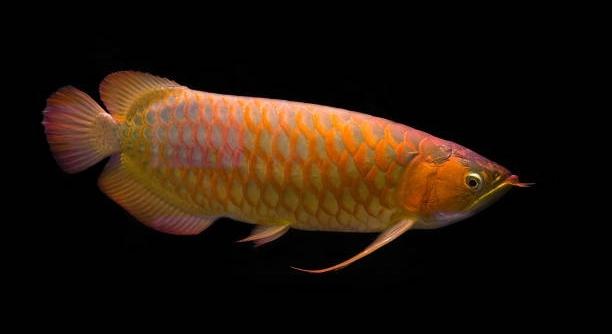
Are your arowanas suddenly flashing their bodies and catching your attention more than usual? This common behavior can be both fascinating and concerning for aquarists. Observing these flashes carefully helps you understand their needs and environment better.
Arowanas flash their bodies primarily due to environmental stress, territorial disputes, feeding reactions, or health issues. Other factors include water quality fluctuations, breeding instincts, and external irritations that provoke defensive or attention-seeking behavior. Proper monitoring is essential for their well-being.
Recognizing the reasons behind these flashes allows you to create a healthier, more comfortable environment. Each factor contributes to your arowana’s behavior and overall life quality.
Stress from Environment
Arowanas are sensitive to changes in their surroundings. Sudden movements, loud noises, or new additions to the tank can trigger flashing. Even minor disturbances like rearranging decorations or introducing unfamiliar tankmates may cause stress. Observing your fish after these changes often reveals increased flashing or erratic swimming patterns. Maintaining a calm, stable environment reduces stress significantly. Water temperature, filtration, and lighting all influence their comfort. Inconsistent conditions may lead to repeated flashes as a sign of discomfort or alertness. By paying attention to tank layout and surroundings, you can minimize unnecessary stress. This includes avoiding rapid changes and providing hiding spaces. Stress can also affect appetite, swimming patterns, and immune response. Addressing environmental factors is a proactive way to ensure your arowana remains healthy, calm, and behaves naturally within its habitat. Regular monitoring helps detect early signs of stress before it impacts long-term health. A consistent routine creates a predictable, secure environment for these sensitive fish.
Flashing often signals that your arowana feels uneasy or threatened in its current environment.
Observing your arowana closely can reveal specific stress triggers. Consistent water quality, stable temperature, and gentle handling reduce stress responses. Tank decorations should be arranged to allow swimming space while offering shelter. Avoid sudden changes in lighting or loud noises near the aquarium. A balanced diet and regular feeding schedule further support well-being. By understanding environmental factors, you can prevent frequent flashing and maintain a peaceful habitat. Tankmates should be compatible, and overcrowding must be avoided. Recognizing and addressing stressors early protects your arowana’s health and minimizes aggressive or defensive behavior. Regular observation and thoughtful tank management are key.
Territorial Behavior
Arowanas naturally defend their space, especially in limited tanks. Flashing can indicate territorial disputes, often accompanied by chasing or displays of dominance. This behavior is more common during feeding or when introducing new fish. Proper tank size and clear boundaries help reduce conflicts.
Territorial disputes are stronger in confined tanks with multiple aggressive fish.
When arowanas feel their territory is threatened, they may flare fins, flash bodies, or engage in chasing behavior. In smaller tanks, territorial behavior is more pronounced, leading to constant stress. Introducing new tankmates requires careful planning, as aggressive or similarly sized fish can trigger repeated displays. Providing hiding spots and visual barriers reduces direct confrontation. Observing feeding order and ensuring sufficient space for swimming can minimize conflicts. Seasonal changes or breeding periods may amplify territorial instincts. Adjusting tank layout and monitoring interactions helps prevent injury. Understanding the species’ natural behavior ensures harmonious cohabitation and reduces the frequency of flashing.
Feeding Reactions
Arowanas often flash their bodies during feeding. This behavior can indicate excitement, anticipation, or competition with other fish. Sudden movements or rapid swimming toward food are common signs, especially when multiple fish are present. Monitoring feeding interactions helps manage aggression and stress.
Feeding time can provoke intense flashes as arowanas react to food presence. They may display quick lunges, tail flicks, or shimmering movements to assert dominance or compete for the best pieces. Ensuring each fish receives adequate portions prevents prolonged stress. Using feeding rings or scattering food reduces competition and encourages calmer behavior. Observing individual reactions allows you to adjust feeding techniques, such as providing separate feeding zones or timing intervals. Feeding behavior provides insight into health and social dynamics, allowing early detection of issues like poor appetite or aggression. Properly managing feeding interactions ensures a more peaceful environment.
Flashing can also result from excitement during feeding rather than aggression. Arowanas may repeatedly flash when anticipating food delivery. Recognizing these behaviors helps distinguish between stress-induced flashing and normal feeding responses. Adjusting feeding schedules, portion sizes, and placement improves harmony. By understanding these reactions, you can support both social balance and healthy growth. Observing patterns over time makes it easier to identify unusual or concerning behaviors. Feeding management directly affects overall tank dynamics and reduces unnecessary flashing, maintaining calm among all inhabitants.
Water Quality Issues
Poor water quality frequently causes arowanas to flash. High ammonia, nitrite, or nitrate levels irritate their skin and gills. Inconsistent pH, temperature fluctuations, or low oxygen levels can also provoke flashing as a stress response.
Maintaining clean, stable water conditions is essential for arowana health. Frequent testing of ammonia, nitrite, nitrate, and pH ensures optimal parameters. Regular water changes prevent the buildup of harmful substances that trigger flashing. Using reliable filtration, proper aeration, and monitoring temperature stability reduces stress and skin irritation. Arowanas are particularly sensitive to sudden changes, so gradual adjustments are necessary when correcting water issues. Observing fish during and after maintenance helps detect early signs of discomfort. Addressing water quality proactively minimizes flashing, promotes natural behavior, and supports long-term health. Consistency in care prevents recurring water-related stress responses and keeps the tank environment stable.
Breeding Instincts
Flashing can be linked to breeding behavior. Arowanas may display shimmering movements and body flashes to attract mates or establish dominance during spawning periods. These displays are natural and more common in mature, healthy fish.
During breeding seasons, flashes often intensify. Males may show more vivid flashes to signal readiness, while females respond with similar movements. Recognizing these patterns helps differentiate reproductive behavior from stress or aggression.
External Irritations
Parasites, skin infections, or debris in the water can cause arowanas to flash repeatedly. This behavior is an attempt to remove irritants from their body and relieve discomfort.
Health Concerns
Flashing can indicate underlying health issues. Skin ulcers, gill parasites, or bacterial infections provoke repeated body movements. Observing additional signs such as loss of appetite, lethargy, or abnormal swimming patterns helps identify health problems. Early detection and treatment prevent long-term damage and support recovery.
Overcrowding
Overcrowded tanks increase competition for space and resources. Arowanas may flash to assert dominance or escape persistent harassment from tankmates. Maintaining proper stocking density minimizes stress and reduces aggressive or defensive flashing behavior.
FAQ
Why does my arowana flash its body so often?
Flashing is often a sign of environmental stress, territorial disputes, feeding reactions, or health problems. Sudden changes in water quality, temperature, or tank layout can trigger these flashes. Observing your arowana’s behavior alongside environmental conditions helps pinpoint the cause.
Is flashing always a sign of illness?
Not necessarily. While frequent flashing can indicate parasites, skin irritations, or bacterial infections, it can also result from excitement during feeding, territorial displays, or natural breeding behavior. Monitoring additional symptoms like lethargy, appetite loss, or unusual swimming helps determine if it’s a health concern.
Can poor water quality cause flashing?
Yes. High ammonia, nitrite, or nitrate levels irritate the skin and gills, prompting flashing. Sudden pH changes, low oxygen levels, or temperature fluctuations also contribute. Regular testing and maintaining stable water parameters prevent stress and reduce flashing behavior.
Does tank size affect flashing?
Overcrowding or insufficient swimming space increases stress and territorial disputes. In smaller tanks, arowanas are more likely to flash to assert dominance or escape from other fish. Providing a spacious, well-structured environment minimizes aggressive and defensive displays.
Are flashes related to feeding?
Yes, arowanas often flash during feeding due to excitement or competition. Multiple fish in the tank can intensify these flashes. Managing portion sizes, feeding zones, and intervals helps reduce aggressive or repetitive flashing during meal times.
Can breeding behavior trigger flashing?
Flashes often occur during mating periods as part of courtship displays. Males and females use shimmering movements to signal readiness. Recognizing reproductive flashes helps distinguish natural behavior from stress or illness.
How can I tell if flashing is from parasites or irritation?
If flashes are accompanied by rubbing against surfaces, fin damage, or visible spots, it may indicate parasites or skin infections. Quarantining affected fish and treating with appropriate medication helps prevent the spread of disease.
Does lighting affect flashing?
Bright or inconsistent lighting can cause sudden flashes as arowanas react to perceived threats or discomfort. Maintaining consistent lighting cycles and avoiding sudden brightness changes reduces stress-induced flashing.
Can tankmates influence flashing behavior?
Aggressive or incompatible tankmates can trigger defensive or territorial flashing. Ensuring compatible species and maintaining enough space reduces conflict. Visual barriers or hiding spots also help minimize repeated flashing caused by harassment.
What should I do if my arowana keeps flashing despite proper care?
Persistent flashing may indicate subtle stressors, minor irritations, or undetected health issues. Reassessing water quality, tank setup, feeding habits, and fish interactions is necessary. Consulting a veterinarian or experienced aquarist can provide guidance for unresolved cases.
How often should I check for water-related stress?
Daily observation and weekly testing of ammonia, nitrite, nitrate, pH, and temperature help prevent water-related flashing. Timely water changes and stable conditions significantly reduce stress responses in arowanas.
Can flashing indicate aggression between arowanas?
Yes. Arowanas are territorial, and flashes often accompany chasing or dominance displays. Monitoring interactions and separating aggressive individuals when needed prevents injuries and minimizes repeated flashing.
Do flashes ever indicate excitement rather than stress?
Flashes during feeding, enrichment, or breeding periods can indicate excitement instead of stress. Observing context and body language helps differentiate between normal and concerning behavior.
Is flashing more common in certain arowana species?
Yes. Some species are naturally more active or territorial, making flashes more frequent. Understanding species-specific behavior helps interpret flashes accurately and adjust care accordingly.
How can I reduce unnecessary flashing?
Stabilizing water quality, maintaining appropriate tank size, providing hiding spots, ensuring compatible tankmates, and managing feeding routines all help minimize unnecessary flashing. Consistent observation and proactive adjustments maintain a calm, healthy environment for your arowana.
This FAQ covers the main reasons and considerations for arowana flashing behavior. Observing patterns, addressing environmental factors, and monitoring health ensures your fish remains comfortable and active in the tank.
Final Thoughts
Observing your arowana flashing its body can be both intriguing and concerning. This behavior is a form of communication that often signals stress, excitement, or health issues. Understanding the underlying reasons for flashing is essential for maintaining the well-being of your fish. Environmental factors, such as sudden changes in tank layout, water quality, or lighting, play a significant role in triggering these displays. Arowanas are sensitive creatures, and even minor disturbances can provoke noticeable reactions. By monitoring their behavior closely and noting when flashes occur, you can begin to identify patterns that indicate specific stressors or needs. Over time, recognizing these signs allows for quicker responses and helps prevent more serious problems. Providing a stable, clean, and well-structured environment reduces stress and promotes natural behavior. Maintaining consistent water parameters, including temperature, pH, and oxygen levels, is equally important for their comfort. Fluctuations in these conditions often lead to repeated flashes, signaling discomfort or irritation. Proper filtration and regular maintenance also contribute to a stable habitat, which supports both physical health and natural behavioral expression. Observing the tank carefully and making gradual adjustments ensures your arowana feels secure and exhibits minimal stress-related flashing.
Feeding behavior and social interactions are other common reasons for flashing. During meal times, flashes often occur due to excitement or competition for food. Multiple fish in the same tank can intensify these displays, especially if space is limited. Careful management of feeding routines, including portion sizes, placement of food, and timing intervals, helps minimize stress and reduces aggressive or defensive flashing. Territorial instincts are also a natural part of arowana behavior. Inadequate tank size or incompatible tankmates can lead to repeated flashes as fish assert dominance or attempt to escape confrontations. Providing sufficient swimming space, hiding spots, and visual barriers can help reduce these tensions. Breeding periods may also increase flashing as males and females display courtship behaviors. Distinguishing reproductive flashes from stress-induced flashes is important to avoid unnecessary concern. Regular observation, coupled with an understanding of natural behavior, allows you to respond appropriately to each situation, ensuring your arowana remains healthy and less prone to stress-related flashing. Recognizing these patterns improves both fish welfare and your ability to manage a harmonious tank environment.
Health considerations should always be part of the evaluation. Parasites, skin infections, and bacterial issues frequently manifest through flashing behavior. Additional signs such as lethargy, loss of appetite, or abnormal swimming can indicate a more serious problem requiring prompt attention. Early detection and treatment prevent long-term damage and support recovery. Regular monitoring of both behavior and physical condition is crucial for maintaining optimal health. Maintaining a calm, stable environment combined with proper nutrition and care practices helps reduce flashing triggered by stress or discomfort. Addressing potential health issues, managing environmental factors, and understanding natural behaviors all contribute to a more peaceful and thriving aquarium. By consistently observing and adjusting care practices, you create a setting where your arowana can display natural behaviors without unnecessary stress, ensuring both comfort and longevity. Proper attention to these details not only improves quality of life for the fish but also makes caring for an arowana a more predictable and rewarding experience.

Hello,
If you enjoy the content that we create, please consider saying a "Thank You!" by leaving a tip.
Every little bit helps us continue crafting quality advice that supports the health, happiness, and well-being of pets around the world, for pets of all shapes, sizes, and species.
We really appreciate the kindness and support that you show us!