
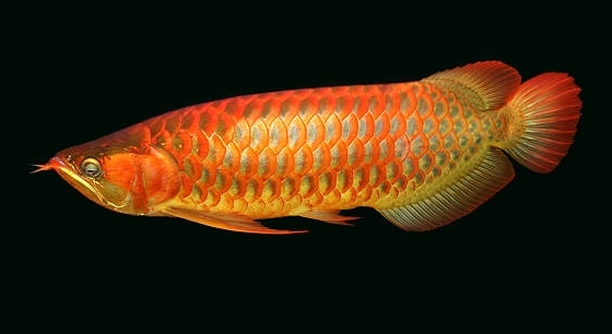
Are your arowana’s colors looking unusually dull or pale? A sudden change in coloration can be alarming for any fish owner. Recognizing the signs early is important to maintain the health and well-being of your arowana.
Arowana turning pale is commonly caused by stress, poor water quality, illness, or inadequate diet. Immediate steps include checking water parameters, improving diet, and observing behavior to identify and address the underlying issue promptly.
Monitoring your arowana’s condition closely can prevent further health problems. This guide provides clear steps to restore your fish’s vibrancy and maintain a healthy aquatic environment.
Common Causes of Arowana Turning Pale
Arowanas can lose their vibrant color for several reasons. Poor water quality is a leading factor, as high ammonia or nitrite levels stress the fish. Sudden changes in temperature or pH can also affect pigmentation. Nutrition plays a key role; insufficient protein or lack of variety in their diet can make scales appear dull. Stress from overcrowding, aggressive tank mates, or excessive handling may trigger a pale appearance. Illnesses, including bacterial or parasitic infections, can weaken the fish and reduce color intensity. Observing your arowana’s behavior, appetite, and swimming patterns helps determine if the cause is environmental or health-related. Keeping a consistent routine in feeding, water changes, and tank maintenance minimizes the likelihood of sudden color loss. Regular monitoring of water parameters, along with providing a balanced diet and a calm environment, is essential for maintaining your arowana’s natural coloration and overall well-being.
Monitoring water quality consistently ensures that your arowana remains healthy and vibrant. Early detection prevents more serious issues.
Arowanas rely heavily on their environment to stay healthy. Water temperature should be stable, typically between 75 and 82°F, and pH should remain neutral. Frequent water changes, at least 25% weekly, remove waste buildup and maintain clarity. A varied diet with live or frozen fish, shrimp, and occasional pellets ensures proper nutrition. Observing for unusual behavior, such as lethargy, hiding, or loss of appetite, can indicate stress or illness before color changes become severe. Avoid overcrowding, and provide hiding spaces to reduce stress. Gentle handling during tank maintenance minimizes shock. By combining proper care with attentive observation, you can address problems quickly. Color loss is often reversible when conditions improve, highlighting the importance of consistent care and environmental stability in keeping your arowana vibrant.
Steps to Restore Arowana Color
Immediate adjustments in diet and environment can help your arowana regain color. Feeding high-protein food and including natural color enhancers like krill or spirulina supports pigmentation. Maintaining clean, stable water conditions is essential.
Gradual improvement occurs with consistent care. Start by testing water for ammonia, nitrites, and nitrates, correcting imbalances as needed. Introduce a varied diet, focusing on fresh or frozen high-protein options that promote natural coloration. Reduce stress by minimizing sudden disturbances, ensuring adequate space, and separating aggressive tank mates if necessary. Monitor the fish daily, noting changes in color, activity, and appetite. If color does not improve, consult a veterinarian experienced with aquatic species to rule out infection or illness. Maintaining a consistent schedule for feeding, water changes, and environmental checks reinforces the arowana’s immune system and overall health. With patience and attentive care, most arowanas gradually regain their natural vibrancy, reflecting both improved health and a comfortable habitat.
Preventing Stress in Arowanas
Stress is a major factor in color loss. Minimizing sudden changes in water temperature, handling, and tank disturbances keeps your arowana calm and reduces the risk of paleness.
Providing a stable environment is crucial. Avoid placing the tank in direct sunlight or near drafts. Keep water temperature consistent, ideally between 75 and 82°F, and maintain neutral pH levels. Limit loud noises or vibrations near the tank. Overcrowding increases tension, so ensure adequate space for swimming. Adding hiding spots or plants gives the arowana areas to retreat, reducing anxiety. Daily observation helps detect early signs of stress, such as erratic swimming, loss of appetite, or hiding. Addressing stress promptly prevents long-term health and color issues, supporting the fish’s overall vitality and natural appearance.
Routine care plays a significant role in keeping stress low. Performing regular water changes, cleaning the tank, and providing a balanced diet helps the arowana feel secure. Avoid sudden changes in lighting or tank layout. Separate aggressive fish if necessary, and maintain a calm feeding routine. Observing social interactions within the tank ensures the arowana isn’t bullied, which can further affect coloration. Consistency in care builds a stable environment, allowing the fish to thrive. By prioritizing stress reduction, your arowana’s health and coloration remain vibrant, making color restoration easier when paleness occurs.
Monitoring Water Quality
Clean water is essential for arowana health. Regularly checking parameters prevents conditions that cause stress or illness.
Water quality should be checked frequently. Ammonia and nitrite must remain at zero, while nitrate levels should stay below 20 ppm. Test pH regularly and keep it stable. Use a reliable filtration system and perform partial water changes weekly to remove waste and toxins. Avoid overfeeding, which increases waste and lowers water quality. Maintaining these standards ensures the arowana’s environment remains optimal, reducing the risk of disease and color loss. Clean, stable water also supports the immune system, helping the fish recover faster from stress or illness.
Consistency in water maintenance protects your arowana’s health and coloration. Invest in high-quality testing kits to monitor parameters accurately. Filtration systems must be cleaned without disrupting beneficial bacteria. Regularly remove uneaten food and debris, and ensure oxygenation is sufficient, especially in warm water. Monitoring allows early detection of imbalances that could impact color or behavior. Pairing clean water with proper nutrition and stress management creates a supportive environment for your arowana. This approach not only prevents color loss but also encourages vibrant growth, active behavior, and long-term well-being, making maintenance a key part of responsible fishkeeping.
Adjusting Diet for Color Recovery
A balanced diet directly affects arowana coloration. High-protein foods like shrimp, fish, and pellets help restore vibrancy.
Including natural color enhancers such as krill, spirulina, or carotenoid-rich foods improves pigmentation. Feed small portions multiple times daily to encourage appetite and digestion. Consistent nutrition supports overall health and helps the fish regain its natural color.
Observing Behavior Changes
Behavioral changes can signal stress or illness. Monitor swimming patterns, appetite, and interaction with tank mates. Sudden hiding, lethargy, or refusal to eat may indicate underlying issues that require immediate attention and adjustment of care practices.
Treating Possible Illness
If your arowana’s color loss is due to disease, prompt treatment is essential. Identifying the type of infection—bacterial, parasitic, or fungal—guides the choice of medication. Isolate the affected fish if needed to prevent spread. Maintain clean water and follow proper dosing instructions carefully.
Maintaining Consistent Environment
Consistency in temperature, lighting, and tank layout reduces stress. Avoid sudden changes, provide proper filtration, and ensure adequate space to keep your arowana healthy and its colors vibrant.
FAQ
Why did my arowana suddenly turn pale?
Arowanas lose color mainly due to stress, poor water quality, illness, or nutritional deficiencies. Sudden changes in temperature, pH, or tank conditions can trigger paleness. Overcrowding, aggressive tank mates, and inadequate hiding spots also contribute to stress-related color loss. Observing your fish carefully helps pinpoint the cause.
How can I quickly restore my arowana’s color?
Immediate action involves checking water quality, stabilizing temperature, and improving diet. Feeding high-protein foods like shrimp, fish, and pellets, along with color-enhancing foods such as spirulina or krill, supports pigmentation. Reducing stress and monitoring behavior daily is also essential for recovery.
What water parameters should I maintain for healthy coloration?
Ammonia and nitrites must remain at zero, while nitrates should stay below 20 ppm. Keep pH stable and water temperature between 75 and 82°F. Frequent testing, proper filtration, and weekly partial water changes help maintain a clean, stable environment that supports natural color.
Can stress alone cause paleness?
Yes. Stress can rapidly dull an arowana’s colors. Overhandling, sudden changes in tank setup, loud noises, or aggressive tank mates can trigger stress. Providing hiding spots, reducing disturbances, and maintaining a consistent routine minimizes stress and helps restore coloration.
How long does it take for color to return?
Recovery time depends on the cause. Environmental adjustments and dietary improvements can show results in one to three weeks. Illness-related color loss may take longer, and some underlying conditions require veterinary intervention. Patience and consistent care are key to restoring vibrancy.
Should I separate my arowana if it turns pale?
Isolation is recommended if other fish are aggressive or if the arowana appears weak or sick. A separate tank with clean, stable water reduces stress and allows closer observation, improving chances for color recovery and preventing disease spread.
What signs indicate illness rather than stress?
Behavioral changes like lethargy, refusal to eat, rapid gill movement, frayed fins, or unusual swimming patterns often indicate illness. Combined with paleness, these signs suggest infection or parasites. Quick identification and treatment are critical to prevent further deterioration.
Are supplements necessary for color enhancement?
Supplements like spirulina, carotenoid-rich foods, or commercial color boosters can help, especially if diet lacks variety. While not always required, they support pigmentation and overall health. Use them in moderation and combine with a balanced diet for best results.
How often should I observe my arowana?
Daily observation is important to catch early signs of stress, illness, or color loss. Look for changes in behavior, appetite, and interaction with tank mates. Frequent monitoring allows prompt corrective action before issues worsen.
Can poor lighting affect my arowana’s color?
Yes. Inadequate or inconsistent lighting can dull color. Providing consistent, appropriate lighting enhances natural coloration and supports overall health. Avoid extreme brightness or sudden changes that may stress the fish.
What steps prevent future color loss?
Maintain clean water, stable temperature and pH, a balanced diet, and low-stress conditions. Regular monitoring, adequate tank space, and consistent feeding schedules keep your arowana vibrant. Observing behavior and adjusting care promptly ensures long-term health and coloration.
Is it normal for color to fade slightly as arowanas grow?
Some gradual fading can occur with age or seasonal changes, but sudden paleness is a sign of stress or health issues. Maintaining proper care helps distinguish normal changes from problems requiring attention.
Can diet alone fix paleness?
Diet helps restore color but is most effective when combined with clean water and reduced stress. High-protein foods and natural color enhancers support pigmentation, but environmental stability is equally important for long-term recovery.
Do temperature fluctuations matter for color?
Yes. Sudden drops or rises in temperature stress the fish and can cause paleness. Consistent, appropriate temperatures support metabolism, immune function, and vibrant coloration. Gradual adjustments are safer when changing tank conditions.
When should I consult a veterinarian?
If paleness persists despite water and dietary adjustments, or if the fish shows illness signs like lethargy, abnormal swimming, or fin damage, professional advice is necessary. Early intervention can prevent severe health issues and improve recovery chances.
Final Thoughts
Maintaining arowana health requires attention to multiple factors, and sudden color changes are often the first sign of an underlying issue. Pale coloration usually signals stress, poor water quality, illness, or nutritional deficiencies. Each of these factors can impact the fish differently, but all are interconnected. Stress from overcrowding, aggressive tank mates, or abrupt changes in the tank environment directly affects both health and appearance. Similarly, inconsistent water conditions, including temperature shifts, pH imbalances, and high ammonia or nitrite levels, can cause noticeable changes in coloration. Paying attention to these details regularly allows you to catch problems early and take corrective action before they become severe. Observing your arowana’s behavior, appetite, and swimming patterns is just as important as maintaining the tank itself. Minor changes can indicate early stress, allowing for timely adjustments in environment or care.
Diet also plays a significant role in keeping arowanas vibrant. High-protein foods such as shrimp, fish, and specialized pellets support overall health and natural pigmentation. Including natural color enhancers, such as krill or spirulina, can improve scale intensity when used alongside a balanced diet. It is important to feed in moderation and provide multiple small meals rather than large portions, as overfeeding can lead to water pollution and additional stress. A well-fed arowana with adequate nutrition is better equipped to recover from stress or mild illness. In addition, supplements and specialized foods should be used to complement a balanced diet rather than replace essential nutrients. Combining proper nutrition with careful observation, environmental consistency, and stress management creates a comprehensive care routine that promotes both health and vibrant coloration over time.
Consistency and patience are key to maintaining a healthy arowana. Water quality should be monitored regularly, and partial water changes must be performed to keep the environment stable. Gradual adjustments in tank conditions are safer than sudden changes, which can cause stress and exacerbate color loss. Isolation may be necessary in certain situations, especially if illness or aggression is present. Daily observation ensures early detection of issues, while addressing problems promptly improves the fish’s chances of recovery. Even after color returns, maintaining these care practices supports long-term health and prevents future episodes of paleness. By focusing on environmental stability, proper diet, stress reduction, and attentive care, you can help your arowana thrive. Over time, these efforts allow your fish to regain and maintain its natural vibrancy, ensuring both health and aesthetic appeal in your tank.

Hello,
If you enjoy the content that we create, please consider saying a "Thank You!" by leaving a tip.
Every little bit helps us continue crafting quality advice that supports the health, happiness, and well-being of pets around the world, for pets of all shapes, sizes, and species.
We really appreciate the kindness and support that you show us!