
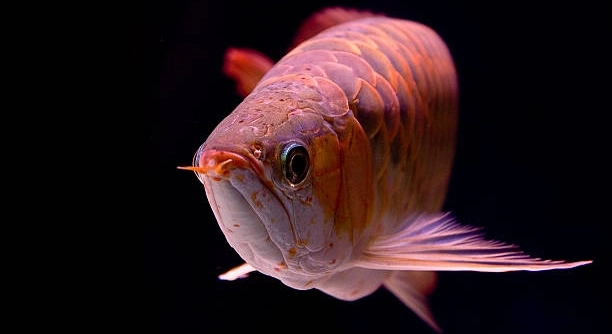
Do you ever find yourself arranging your aquarium but still feel unsure if your arowana is truly comfortable? Creating a stable environment takes more than decoration, requiring consistent routines that support the fish’s natural behaviors.
Establishing daily routines for arowanas is essential for their sense of security. Regular feeding schedules, consistent lighting, predictable water changes, and stable environmental conditions reduce stress and encourage natural behaviors, promoting overall health and well-being in captivity.
Following simple steps each day can make a significant difference in your arowana’s comfort. Implementing these routines ensures a calmer, more confident fish in your care.
Consistent Feeding Schedule
Maintaining a consistent feeding schedule is crucial for arowanas to feel secure. Feeding them at the same times every day helps them anticipate food, reducing stress and promoting regular digestion. Arowanas are natural hunters, and a predictable routine mirrors their instinctive behavior in the wild. Overfeeding or irregular feeding can lead to aggression, bloating, and water quality issues. It is important to monitor portion sizes carefully and adjust based on the fish’s size and age. Offering a variety of high-quality pellets, frozen, or live foods ensures balanced nutrition, supporting growth and vitality. Observing how your arowana responds to feeding times can indicate health and well-being, as lethargy or refusal to eat may signal stress or illness. A steady schedule not only maintains physical health but also fosters trust in their environment, as they learn to rely on predictable care. Small adjustments over time can help refine the routine to match your arowana’s needs accurately.
A fixed feeding schedule strengthens your arowana’s routine. Predictability lowers stress and encourages natural behaviors, ensuring a calmer, healthier fish.
Consistency in feeding times sets a foundation for your arowana’s sense of security. By maintaining this pattern, you create a stable environment that promotes regular activity, reduces aggression, and supports digestion. Over time, the fish recognizes the schedule, showing less anxiety and more curiosity. Combined with proper portion control, varied diet, and observation of responses, this routine directly impacts overall health and behavior. Implementing this method ensures the fish feels safe, supported, and properly cared for in its tank environment.
Stable Lighting and Environment
Stable lighting prevents stress in arowanas. Sudden changes can startle them and disrupt natural behavior.
Consistent lighting, temperature, and water parameters create an environment that arowanas can rely on. Bright lights that mimic natural daylight cycles should be timed, and sudden fluctuations should be avoided. Maintaining stable water temperature and pH reduces stress and disease risk. Decorations and tank layout should remain consistent, allowing the fish to establish territories and explore without fear. Regular checks of filtration and aeration systems further ensure stability. Inconsistent conditions can lead to nervous behavior, hiding, or aggression. Gradual changes in tank setup or lighting, when necessary, help the fish adjust without anxiety. Combining environmental stability with feeding routines enhances overall security. These practices work together to provide a predictable habitat that aligns with their natural instincts, promoting calm behavior and long-term well-being. Arowanas thrive when their surroundings are reliable, predictable, and carefully maintained.
Regular Water Changes
Regular water changes are essential for maintaining arowana health. Clean water reduces stress, prevents disease, and keeps the tank environment predictable, which helps the fish feel secure and comfortable in its habitat.
Performing weekly or biweekly water changes helps remove waste, toxins, and excess nutrients from the tank. Arowanas are sensitive to ammonia, nitrites, and nitrates, and consistent water quality prevents sudden fluctuations that could trigger stress or illness. Using a siphon to remove debris from the substrate while replacing 20–30% of the water helps maintain balance without shocking the fish. Conditioning tap water to match temperature and pH before adding it ensures stability. Over time, a clear routine in water changes allows the arowana to adapt to predictable maintenance, reducing anxiety and promoting calmer behavior. Proper equipment, such as filters and heaters, complements water changes by maintaining consistent conditions in between.
Water changes also encourage your arowana to develop natural swimming patterns. Clean, stable water promotes active behavior, exploration, and appetite, further supporting its sense of security.
Gentle Handling and Observation
Gentle handling and careful observation prevent unnecessary stress. Avoid sudden movements, tapping, or chasing the fish, as these actions can startle it and disrupt its routine.
Observing your arowana daily allows you to notice early signs of illness or stress, such as unusual swimming patterns, loss of appetite, or color changes. Minimal handling ensures the fish remains comfortable and avoids unnecessary trauma. When feeding or performing maintenance, approach the tank slowly and move deliberately. Over time, the arowana becomes familiar with your presence and recognizes predictable patterns in care. This builds confidence and reduces fear responses. Recording observations, such as behavior changes after water changes or diet adjustments, provides insight into the fish’s well-being. Gentle interaction paired with consistent environmental conditions helps the arowana feel safe while strengthening its natural behaviors and resilience in captivity.
Proper Tank Size
Providing a proper tank size is vital for your arowana’s comfort. A spacious environment allows free swimming, reduces stress, and prevents territorial aggression. Overcrowding can lead to injuries and behavioral issues.
Arowanas require a tank that accommodates their adult size. A minimum of 250 gallons is recommended for larger specimens, with sufficient length and width to allow natural movement. Extra space reduces collisions with decorations and walls, supporting calmer behavior.
Hiding Spots and Decorations
Including hiding spots and stable decorations offers security. Rocks, driftwood, and plants create areas for the arowana to explore and retreat, mimicking natural habitats and lowering stress.
Consistent Temperature
Maintaining a stable temperature is crucial. Sudden drops or spikes can shock arowanas, affecting appetite and behavior.
FAQ
How often should I feed my arowana?
Feeding frequency depends on age and size. Juvenile arowanas benefit from two meals a day, while adults typically thrive on once-daily feeding. Portion sizes should match the fish’s mouth size and activity level. Overfeeding can lead to water quality issues and digestive problems. High-quality pellets supplemented with frozen or live foods provide balanced nutrition. Observing your arowana during feeding helps ensure it is eating well and shows no signs of stress or illness. Adjusting food amounts gradually prevents sudden changes that could affect health. Consistency in feeding routines helps the fish feel secure and reduces aggressive behavior during mealtime.
What is the ideal tank size for an arowana?
Arowanas require a large tank to accommodate their growth and swimming habits. Minimum recommended size for adult arowanas is 250 gallons, with a long and wide design. Sufficient space allows free movement and reduces collisions with decorations or walls, which can lead to injuries. Overcrowding increases stress and encourages territorial aggression. Larger tanks also make it easier to maintain stable water parameters, which are critical for the fish’s overall health. Including open swimming areas alongside hiding spots creates a balanced environment that promotes security and natural behaviors.
How often should I perform water changes?
Regular water changes are essential to maintain a clean, safe environment. Weekly or biweekly changes of 20–30% of tank water are ideal. Removing debris and toxins prevents harmful buildup of ammonia, nitrites, and nitrates. Using a siphon to clean the substrate during water changes minimizes disturbance to the fish. Conditioning new water to match the tank’s temperature and pH prevents stress. Consistent water maintenance supports predictable routines, helping the arowana feel secure. Combined with proper filtration, water changes reduce the risk of disease and support healthy growth and behavior.
What temperature is best for arowanas?
Arowanas are tropical fish and require stable temperatures between 75–82°F (24–28°C). Sudden drops or spikes can stress the fish, reduce appetite, and weaken immunity. Using a reliable heater and thermometer helps maintain consistent conditions. Gradual adjustments are necessary when changing temperature to avoid shocking the fish. Stability in temperature complements regular feeding and water routines, promoting security and natural activity. Monitoring temperature daily ensures any fluctuations are quickly corrected, preventing long-term health issues and promoting calm, predictable behavior.
Why are hiding spots important in the tank?
Hiding spots offer a sense of security and reduce stress. Driftwood, rocks, or tall plants provide areas for arowanas to retreat or explore, mimicking natural environments. These features allow the fish to establish territories and feel safe, reducing nervous or aggressive behavior. Stable decorations also prevent sudden changes that might startle the fish. Hiding spots enhance well-being and support natural behavior patterns while maintaining a calm, balanced environment.
How can I handle my arowana safely?
Arowanas are sensitive to stress, so minimal handling is important. Avoid tapping on the glass or chasing the fish. Observing gently allows you to monitor health without causing fear. When maintenance is required, move slowly and carefully to avoid startling the fish. Gradual, consistent interaction helps the arowana become familiar with your presence while reducing anxiety.
What are signs of stress in arowanas?
Common signs include loss of appetite, erratic swimming, hiding constantly, or clamped fins. Color fading or aggression toward tank mates can also indicate stress. Identifying these behaviors early allows timely adjustments to feeding, water quality, or tank environment. Reducing stress through stable routines, proper tank size, hiding spots, and gentle handling promotes long-term health and a sense of security for your arowana.
Can I keep other fish with an arowana?
Arowanas are predatory and territorial, so tankmates must be chosen carefully. Avoid small fish that can be eaten. Larger, non-aggressive species may work if the tank is spacious and hiding spots are available. Introducing companions gradually while monitoring behavior ensures minimal conflict. Ensuring proper tank size and stable conditions is critical when housing multiple species.
How do I maintain a balanced diet?
Offer a mix of high-quality pellets, frozen foods like shrimp or fish, and occasional live food. Variety ensures vitamins, minerals, and protein needs are met. Avoid overfeeding, which can harm health and water quality. Observing appetite and adjusting portions maintains proper nutrition and supports predictable behavior.
How can I tell if my arowana is healthy?
A healthy arowana displays clear eyes, smooth scales, active swimming, and consistent appetite. Regular observation for changes in behavior, coloration, or swimming patterns allows early detection of issues. Maintaining stable routines, water quality, temperature, and proper diet supports overall health and security.
This FAQ provides practical guidance for daily care, helping you create a stable environment where your arowana can thrive and feel secure.
Final Thoughts
Caring for an arowana requires attention to detail and consistent daily routines. These fish are sensitive to changes in their environment, and even small disruptions can create stress. Establishing regular feeding times, stable water conditions, and predictable lighting schedules helps the fish feel secure. Observing your arowana daily allows you to notice early signs of stress, illness, or changes in behavior, giving you the chance to make adjustments before problems worsen. By maintaining a calm and reliable environment, you encourage natural behaviors like swimming, exploring, and resting, which are important for both physical health and mental well-being. Over time, arowanas learn to anticipate routines, which reduces anxiety and promotes a sense of safety in their habitat. Consistency in these care practices is key because sudden changes in feeding, tank setup, or water conditions can have immediate negative effects on their health.
Providing a suitable tank with adequate space and carefully chosen decorations further enhances arowana security. A large tank allows them to swim freely, while hiding spots or driftwood create areas where the fish can retreat if they feel stressed. Maintaining proper water quality through regular changes and using filtration systems ensures the environment remains safe and comfortable. Temperature stability is equally important, as sudden shifts can shock the fish and disrupt natural behavior. By combining environmental stability with consistent feeding and gentle observation, arowanas can develop trust in their surroundings. These practices also make it easier to notice subtle changes in behavior or appetite, which are often the first indicators of potential health issues. Ensuring your arowana’s habitat is both spacious and predictable allows the fish to thrive, showing calmer, more confident behavior over time.
Ultimately, the sense of security arowanas gain from structured daily routines has a significant impact on their overall well-being. Small, consistent actions such as feeding on schedule, monitoring water parameters, and providing stable lighting may seem simple, but they collectively create a supportive environment. Gentle handling and minimal stress interactions strengthen this security, while proper nutrition and observation support long-term health. Every routine, from water changes to decoration placement, contributes to creating a space where the arowana feels safe and confident. Following these practices allows the fish to exhibit natural behaviors, promotes longevity, and reduces the likelihood of health problems. With patience, consistency, and careful attention to their needs, your arowana can live a more comfortable, secure, and thriving life in captivity, showing its natural grace and energy every day.

Hello,
If you enjoy the content that we create, please consider saying a "Thank You!" by leaving a tip.
Every little bit helps us continue crafting quality advice that supports the health, happiness, and well-being of pets around the world, for pets of all shapes, sizes, and species.
We really appreciate the kindness and support that you show us!