
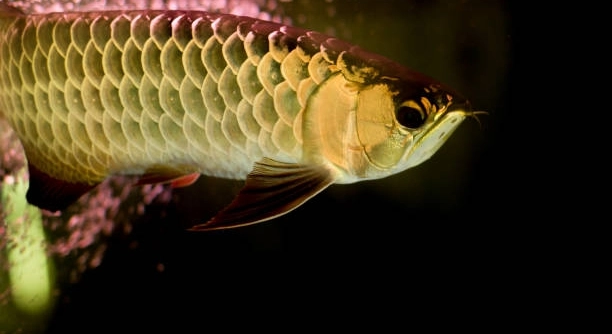
Is your arowana’s vibrant color fading despite regular care? Many fish owners notice dullness or paleness in their arowanas, which can be worrying. Color loss is a common issue, influenced by various environmental and dietary factors in their tank.
Arowanas lose color primarily due to stress, poor nutrition, inadequate lighting, or suboptimal water conditions. Each factor can weaken pigmentation over time, impacting the fish’s health. Addressing these causes promptly ensures color retention and supports overall wellbeing.
Maintaining ideal tank conditions and proper feeding routines can help restore your arowana’s color. Understanding these factors will guide you in preventing further fading and promoting a healthy, vibrant fish.
Poor Water Quality
Poor water quality is one of the most common reasons arowanas lose their color. High levels of ammonia, nitrites, or nitrates can stress the fish, weakening pigmentation over time. Even slight changes in pH or temperature can affect their vibrancy. Regular water testing and maintenance are crucial to keeping your arowana healthy. Filtration systems must be efficient, and partial water changes should be performed weekly to remove toxins. Dirty tanks encourage algae growth, which competes for oxygen and can introduce harmful bacteria. Observing your fish’s behavior is also important; lethargy, loss of appetite, and hiding may indicate water issues. Additionally, avoid overcrowding the tank, as it increases waste levels and stresses all inhabitants. Clean decorations and substrate prevent bacteria buildup, helping your arowana retain its natural colors. Stable water parameters over time support the fish’s overall immune system, making it more resilient to diseases that might otherwise dull its appearance.
Maintaining optimal water quality ensures your arowana’s color remains vibrant. Frequent monitoring and cleaning can prevent fading before it becomes severe.
Consistent care of water conditions creates a safe and stable environment. Use test kits regularly and adjust filtration when necessary. Perform partial water changes to remove toxins and maintain chemical balance. Avoid sudden temperature shifts or high levels of dissolved solids, as these stress the fish. Overcrowding should be prevented, and decorations cleaned to minimize bacteria. Healthy water allows your arowana to express its natural colors fully, supporting both its physical and emotional well-being.
Inadequate Diet
A poor diet lacking essential nutrients can quickly dull an arowana’s color. Color-enhancing pigments in their food are necessary for maintaining brightness. Feeding only one type of food or low-quality pellets reduces pigment intake.
High-quality proteins, fresh live food, and color-enhancing supplements improve overall appearance and health.
Variety in diet ensures your arowana receives carotenoids and vitamins that sustain vibrant hues. Foods like shrimp, crickets, and specially formulated pellets are excellent sources of nutrients. Avoid overfeeding, as excess waste can deteriorate water quality, indirectly affecting color. Rotating food types also stimulates appetite and provides balanced nutrition. Supplements rich in beta-carotene can enhance red and gold tones in the scales. Observing the fish’s eating habits helps identify preferences and deficiencies early. Over time, a nutrient-rich diet combined with clean water and proper lighting will restore and maintain the fish’s natural brilliance, reflecting its healthy condition in both scale color and vitality.
Inadequate Lighting
Arowanas need proper lighting to maintain their color. Insufficient or poor-quality light can dull scales over time. LED or full-spectrum lights are recommended, with a regular day-night cycle to mimic natural conditions.
Proper lighting supports natural pigment production. Without enough light, the fish may appear pale, and growth can slow. Bright, consistent lighting encourages healthy activity and enhances red, gold, or silver hues. Avoid placing the tank in direct sunlight, which can cause algae growth and temperature fluctuations. Timers help maintain a stable light schedule, preventing stress. Changing light bulbs or LEDs regularly ensures the tank remains well-lit, keeping colors vibrant and preventing fading due to dim or inconsistent illumination.
In addition to color, lighting affects behavior and appetite. Well-lit tanks allow your arowana to swim confidently and display natural patterns. Some owners use adjustable-spectrum lights to enhance red or gold tones subtly. Lighting combined with clean water and a proper diet maximizes pigmentation, supporting overall health. Observing how your arowana responds to light changes can help fine-tune intensity and duration, maintaining both vibrant colors and a comfortable environment.
Stress
Stress causes significant color loss in arowanas. Frequent handling, sudden movements, or aggressive tank mates can create chronic stress that dulls pigmentation.
Stress weakens immunity and reduces appetite, affecting color over time. Prolonged exposure to stressors can make scales look washed out and slow healing from minor injuries.
Minimizing stress involves creating a stable environment. Keep tank conditions consistent, avoid overcrowding, and limit loud noises or sudden changes. Provide hiding spots or decorations to give your arowana secure spaces. Introducing new fish gradually reduces tension and helps maintain social balance. Monitoring behavior is essential; lethargy, erratic swimming, or hiding are signs of stress that must be addressed promptly. Reducing stress supports natural color retention, encourages healthy growth, and improves overall vitality, helping your arowana look vibrant and lively.
Disease
Illness can quickly affect an arowana’s color. Parasites, bacterial infections, or fungal growth often cause pale or blotchy scales. Prompt treatment is essential to prevent further deterioration.
Regular observation helps detect early signs. Loss of appetite, unusual swimming, or spots on scales indicate possible disease that requires immediate attention.
Aging
As arowanas grow older, their colors naturally fade. Pigmentation may become less vibrant with time, which is a normal part of aging and does not necessarily indicate poor health.
Incompatible Tank Mates
Aggressive or territorial fish can stress an arowana, causing color loss. Conflicts over space or food weaken the fish and impact pigmentation.
FAQ
Why is my arowana losing color even though I clean the tank regularly?
Regular cleaning is important, but color loss can still occur if water parameters are inconsistent. Even minor fluctuations in temperature, pH, or ammonia levels stress the fish. Proper testing and gradual adjustments help maintain stable conditions, which are essential for vibrant pigmentation.
Can diet alone restore my arowana’s color?
A healthy diet is crucial, but it works best alongside good water quality and proper lighting. Foods rich in carotenoids and vitamins can enhance red and gold tones, but poor environmental conditions may prevent color from fully returning. A balanced approach ensures lasting results.
How long does it take for color to return?
The timeline depends on the cause and severity of color loss. With improved care, some changes may appear in a few weeks, while full recovery could take several months. Patience and consistency are key, as rapid changes can stress the fish further.
Is stress reversible in arowanas?
Yes, stress can be reduced by creating a stable environment. Avoid overcrowding, aggressive tank mates, and sudden changes. Providing hiding spaces, stable lighting, and a regular feeding routine helps the fish feel secure and can gradually restore natural color.
Do arowanas lose color naturally with age?
Yes, some fading is normal as arowanas age. Older fish may show less vibrant scales, but consistent care can maintain the best possible appearance and prevent premature dulling.
Can lighting affect my arowana’s color?
Lighting is critical for maintaining pigment. Insufficient or inconsistent light can dull scales, while proper full-spectrum lighting supports natural color expression. Using timers ensures a consistent day-night cycle, which reduces stress and encourages vibrant hues.
Should I use supplements to enhance color?
Supplements can help if dietary intake is lacking, especially those containing beta-carotene. They should complement a varied diet rather than replace quality food. Overuse can harm water quality, so dosage and frequency must be carefully controlled.
How do I know if water quality is causing color loss?
Signs include pale scales, lethargy, and reduced appetite. Regular testing for ammonia, nitrites, nitrates, and pH helps identify problems early. Maintaining clean water, proper filtration, and consistent parameters prevents stress-related color fading.
Can tank decorations affect my arowana’s color?
Yes, poorly maintained or overcrowded decorations can harbor bacteria and reduce swimming space, causing stress. Clean decorations and open areas allow the fish to move freely and display natural coloration.
Is it normal for color to fluctuate daily?
Minor fluctuations are normal due to light intensity and stress levels. However, consistent dullness or progressive fading indicates an underlying issue that needs attention. Stable care practices prevent long-term color loss.
How can I prevent future color loss?
Maintain stable water conditions, provide a balanced diet, ensure proper lighting, and minimize stress from aggressive tank mates. Regular monitoring of behavior, appetite, and environment allows early intervention before color loss becomes severe.
Are certain arowana species more prone to color loss?
Some species with more intense pigmentation, like red or golden arowanas, may show fading more noticeably under stress or poor care. Understanding your species’ specific needs helps prevent premature color dulling and supports long-term vibrancy.
Can illness permanently affect color?
Severe or untreated diseases can cause lasting pigment loss. Early detection and treatment are crucial to prevent permanent dulling and maintain overall health. Observation and timely action improve recovery chances.
Is overfeeding a problem for color retention?
Yes, overfeeding increases waste, degrading water quality and stressing the fish. Excess nutrients can cause algae growth, which further affects lighting and color. Proper portioning supports both health and vibrant pigmentation.
Can I combine all care strategies to restore color faster?
Combining diet, lighting, water quality management, and stress reduction maximizes recovery. Sudden changes should be avoided; gradual implementation ensures your arowana adapts without added stress, supporting healthier scales and more consistent color over time.
This FAQ section addresses the most common concerns about color loss, offering clear, actionable guidance for maintaining your arowana’s natural vibrancy and overall health.
Arowanas are striking fish, and their vibrant colors are often the most admired feature. Maintaining that color requires consistent care, attention, and understanding of their needs. Many factors can influence pigmentation, including water quality, diet, lighting, stress, and the presence of disease. Each of these elements plays a role in the overall health of the fish, and even small lapses can result in noticeable color fading. While it may be concerning to see arowanas lose their vibrancy, this issue is often reversible if the underlying causes are addressed. Creating a stable and well-maintained environment is the first step toward supporting their natural colors and overall well-being.
Water quality is one of the most critical aspects of care. Testing for ammonia, nitrites, nitrates, and pH should be done regularly to ensure a stable environment. Partial water changes help remove harmful substances and maintain chemical balance. Alongside water quality, diet significantly impacts pigmentation. A variety of high-quality foods, including live or frozen options and specially formulated pellets, provides essential nutrients and pigments necessary for vibrant scales. Lighting is another factor that should not be overlooked. Full-spectrum or LED lights with a consistent day-night schedule support natural pigment production, while poorly lit tanks can make colors appear dull and lifeless. Each of these elements—water, food, and lighting—works together to create a healthy environment that encourages natural coloration.
Stress and aging also contribute to color loss. Aggressive tank mates, overcrowding, and sudden environmental changes can all cause stress, which may weaken the fish’s immune system and reduce pigmentation. Providing hiding spots, stable conditions, and minimal disturbances helps reduce stress and promotes healthy behavior. Aging naturally affects color as well, though proper care can help slow the fading process and maintain brightness for longer. While some fading may be inevitable over time, consistent attention to water quality, nutrition, and stress management will maximize the arowana’s color potential. Observing your fish closely and responding promptly to any changes ensures that the environment remains suitable, allowing your arowana to display its full natural beauty for years.

Hello,
If you enjoy the content that we create, please consider saying a "Thank You!" by leaving a tip.
Every little bit helps us continue crafting quality advice that supports the health, happiness, and well-being of pets around the world, for pets of all shapes, sizes, and species.
We really appreciate the kindness and support that you show us!