
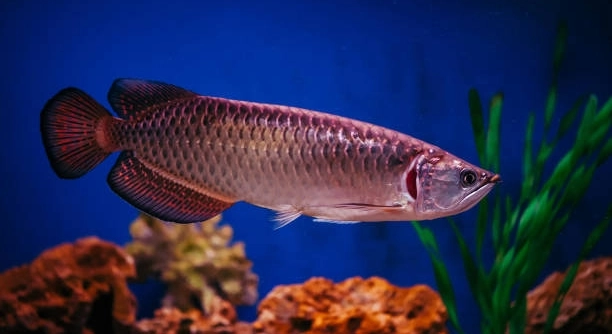
Many fish keepers notice their arowana rising toward the surface more often which can create concern about its comfort. This introduction offers a calm start as you learn what may be influencing this behavior today.
Arowanas gasp at the surface primarily due to reduced oxygen levels, improper water parameters, or underlying health stressors. Identifying these conditions helps establish a stable environment, ensuring the fish maintains proper respiration and benefits from consistent care within the aquarium.
Learning the reasons behind this behavior adds clarity and support, guiding you toward steps that help your arowana feel safer.
Low Oxygen Levels
Low oxygen levels are one of the most common reasons an arowana rises toward the surface, and it can affect the fish more quickly than many keepers expect. When oxygen becomes limited, the arowana seeks relief near the top where gas exchange is strongest. Warm tanks, heavy feeding, excess waste, and a lack of surface movement all contribute to reduced oxygen in the water. Without enough circulation, the tank becomes stagnant, and the arowana starts showing signs of stress. You may notice slower movements, weak appetite, or frequent visits to the top. These signs should never be overlooked because the longer the fish stays in low oxygen conditions, the harder it becomes for its body to recover. Improving aeration with air stones, adjusting flow, and lowering the temperature slightly can provide quick relief, allowing the arowana to breathe comfortably again and regain its normal behavior over time each day gradually.
A tank low in oxygen places immediate stress on an arowana, making surface gasping one of the earliest signs of trouble. Increasing surface agitation and improving filtration can restore balance, helping the fish return to calm, steady breathing without constant movement toward the top each day with consistency applied care.
Maintaining steady oxygen levels becomes easier once you establish a consistent routine. Regular filter upkeep, responsible feeding, and avoiding overcrowding help prevent the tank from becoming stale. Even small adjustments like angling a filter outlet toward the surface can create the circulation needed for healthier breathing. Arowanas depend heavily on stable water conditions, so keeping these habits in place supports their long term comfort. When oxygen remains available throughout the tank, the fish behaves more confidently, spends less time near the surface, and shows smoother movement overall which helps maintain stable energy levels and reduces stress in daily activity cycles.
Poor Water Quality
Poor water quality quickly disrupts an arowana’s comfort, pushing it to the surface as it seeks relief from irritation or chemical imbalance. Ammonia spikes, nitrite presence, and rising nitrate levels all create stress that affects breathing. Consistent testing and regular maintenance prevent these issues before they escalate each and every.
Water quality plays a central role in an arowana’s well being, and even slight shifts in the tank’s chemistry can lead to surface gasping. High ammonia burns the gills, nitrite affects oxygen transport, and elevated nitrates weaken overall resistance. When these factors combine, the fish feels pressure that pushes it upward where oxygen exchange is easier. Regular monitoring becomes essential, especially in heavily stocked tanks or setups with inconsistent cleaning routines. Large predators like arowanas produce significant waste, so filtration must remain strong enough to handle the load without falling behind. Mechanical filtration removes debris, biological filtration processes toxic compounds, and chemical filtration helps stabilize the environment. Water changes also play a crucial role by diluting harmful substances and restoring clarity. When performed consistently, these steps prevent stress from building up. A stable tank encourages normal swimming patterns, balanced energy use, and stronger appetite. Addressing water quality early not only stops surface gasping but also promotes long term well being. With a reliable routine in place, the arowana experiences a safer environment, allowing it to thrive more comfortably through consistent care that supports stable parameters across all seasons and reduces sudden shifts that create unnecessary strain on its overall health daily.
High Water Temperature
High water temperature lowers oxygen levels and places extra strain on an arowana, causing it to rise toward the surface more frequently. When heat increases beyond its comfort range, the fish begins to breathe harder and reacts with noticeable signs of stress.
Temperatures that stay on the higher side reduce dissolved oxygen and make the tank feel uncomfortable for your arowana. Even small spikes from faulty heaters or warm rooms can create sudden changes that affect breathing. Cooling the tank gradually helps restore balance without shocking the fish. Slight adjustments like improving airflow around the tank or using fans above the surface can help maintain steadier conditions. Keeping the temperature consistent becomes important because unstable heat can weaken the fish and leave it feeling uneasy, especially in enclosed setups.
Monitoring temperature daily helps prevent small problems from turning into bigger issues. Arowanas rely on predictable conditions, and avoiding heat buildup protects their breathing and movement. Regular equipment checks also help keep the tank stable. Replacing old heaters, confirming thermostat accuracy, and limiting heat sources near the aquarium support a calmer environment. Once the temperature stays within the ideal range, the fish shows smoother motion, steadier breathing, and less interest in staying near the surface.
Stress and Overcrowding
Stress and overcrowding affect an arowana quickly, pushing it to the surface as it tries to find space to breathe more comfortably. Aggression from tank mates, constant movement in the aquarium, and limited swimming room all create tension that disrupts normal behavior.
Large fish like arowanas need open space to move freely, and cramped environments make them feel cornered. When multiple fish compete for territory, the arowana may retreat upward, looking for relief. Even smaller fish can create pressure if they swarm or stay too active around the arowana. Giving the fish enough room helps reduce this stress. Rearranging decor to create calmer zones or removing overly active tank mates can bring quick improvement. Observation becomes helpful here because small changes in behavior often reveal when the tank feels too busy.
Creating a peaceful environment encourages healthier breathing and steadier patterns. Reducing stocking levels, keeping only compatible species, and avoiding constant rearranging prevent unnecessary stress. Arowanas feel more secure when they can glide without interruption and settle into a routine. When the tank feels calm, the fish stays deeper, moves with confidence, and shows a stronger appetite, all signs that the stress linked to overcrowding is starting to ease.
Gill Infections
Gill infections restrict breathing and push an arowana to the surface as it tries to draw in easier air. Irritation, swelling, or parasites make each breath harder, leading to rapid movements and repeated attempts to stay near areas with stronger oxygen exchange.
Treating gill issues early prevents long term discomfort. Clean water, proper medication, and reduced stress help the fish recover more smoothly. Observing breathing speed, color changes, and movement patterns lets you catch problems before they worsen and gives your arowana a better chance to return to calm swimming.
Improper Filtration
Improper filtration allows waste to build up and disrupts the balance needed for an arowana to breathe comfortably. When the filter cannot keep up, toxins rise and oxygen drops, making the fish move toward the surface more often. Upgrading the filtration system, improving maintenance routines, and reducing excess debris restore stability. Strong biological and mechanical support helps keep the tank clear, allowing your arowana to feel more at ease and avoid unnecessary surface visits.
Heavy Feeding
Heavy feeding increases waste and lowers water quality, forcing the arowana to seek relief at the surface. Reducing portions, removing leftovers, and spacing meals more evenly help keep conditions steady and prevent the breathing stress linked to overfeeding.
Why is my arowana always at the surface?
Most commonly, an arowana stays near the surface due to low oxygen levels in the water. Warm temperatures, overstocking, and poor circulation reduce oxygen availability, forcing the fish to seek areas where gas exchange is stronger. Regular testing, improving filtration, and increasing surface agitation help your arowana return to normal swimming patterns and reduce stress caused by insufficient oxygen.
Can water temperature affect my arowana’s breathing?
Yes. High water temperatures lower oxygen content and can cause rapid breathing. Even a few degrees above the ideal range can stress the fish. Maintaining a consistent temperature with reliable heaters, fans, or cooling methods allows your arowana to stay comfortable and reduces surface gasping.
How does tank overcrowding impact my arowana?
Overcrowding creates stress and limits swimming space, pushing the arowana to the surface to find room. Aggression from other fish or constant movement in the tank increases tension. Reducing stocking levels, providing hiding spaces, and separating aggressive tank mates can improve behavior and breathing.
Could poor water quality be causing surface gasping?
Absolutely. Ammonia, nitrites, and nitrates all irritate gills and affect oxygen transport. Even small chemical imbalances make the fish feel uncomfortable and force it upward. Frequent water testing, consistent water changes, and proper filtration prevent these conditions from developing and support a healthier environment.
What signs indicate a gill infection?
Gill infections often show as rapid or labored breathing, inflamed or discolored gills, and reduced movement. Parasites or bacteria can trigger this issue, making oxygen intake difficult. Early treatment with medicated water and maintaining clean water conditions helps your arowana recover and reduces the risk of long-term damage.
Does overfeeding affect my arowana’s breathing?
Yes, overfeeding increases waste and causes spikes in ammonia, which stresses the gills and lowers water quality. Uneaten food decomposes, reducing oxygen levels and forcing the fish to the surface. Feeding smaller portions and removing leftovers keeps water stable and improves your arowana’s overall comfort.
Can tank decorations or poor circulation play a role?
Decor placement can affect water flow, and stagnant areas reduce oxygen availability. Filters that are too weak or improperly positioned leave dead zones. Ensuring strong, even circulation throughout the tank helps maintain oxygen levels and encourages normal swimming behavior, keeping your arowana from lingering at the surface unnecessarily.
How can I improve oxygen levels quickly?
Adding air stones, adjusting filter outlets to create surface agitation, or lowering water temperature slightly can increase oxygen. Avoid sudden changes, as your arowana is sensitive to shocks. Gradual improvements combined with clean water practices allow breathing to normalize without creating additional stress.
When should I consult a veterinarian?
If your arowana continues gasping at the surface despite stable water quality, proper temperature, and low stocking levels, a vet should check for gill disease, parasites, or other internal health issues. Early intervention prevents complications and supports long-term health.
How do I prevent surface gasping in the future?
Maintaining consistent water parameters, providing sufficient space, feeding responsibly, and monitoring health are key. Regular tank maintenance, strong filtration, and careful observation of behavior allow early detection of problems, keeping your arowana healthy and comfortable while reducing frequent visits to the surface.
This FAQ addresses the most common reasons for surface gasping and provides practical steps for prevention, care, and treatment. Observing behavior closely, improving water conditions, and making incremental changes ensures your arowana thrives in its environment.
Caring for an arowana requires attention to its environment, feeding habits, and overall health. These fish are sensitive to changes in water quality, temperature, and oxygen levels, and any imbalance can lead to surface gasping. Observing the fish regularly helps spot early signs of discomfort before they become serious. Watching how it moves, swims, and breathes provides useful clues about its well-being. If the arowana spends more time near the surface than usual, it is often an indication that something in its tank needs attention. Simple adjustments like improving filtration, increasing aeration, or controlling water temperature can have a big impact on its comfort and overall behavior. Regular maintenance routines, even if they feel repetitive, are essential for preventing stress and promoting healthy respiration.
Feeding practices also play an important role in keeping the arowana comfortable. Overfeeding produces excess waste, which can quickly affect water quality and oxygen levels. Feeding smaller portions at consistent intervals helps maintain cleaner water and reduces the stress on the fish’s gills. Removing uneaten food promptly prevents decomposition that can produce harmful compounds, keeping the tank healthier. While it may feel tempting to offer large amounts or treat the fish frequently, moderation supports both the arowana’s health and the balance of the aquarium. Proper diet, combined with consistent water care, ensures the fish can breathe easily and behave normally without needing to spend extra time at the surface. These small adjustments create a stable, predictable environment that encourages the fish to remain relaxed and confident in its space.
Stress and tank conditions are additional factors that cannot be ignored. Overcrowding, aggressive tank mates, and poor layout can create tension, which can worsen breathing problems. Providing enough space, creating areas for the arowana to move freely, and minimizing disturbances are key to reducing stress. Monitoring the fish for signs of disease or gill problems is equally important, as infections can cause rapid surface gasping if left untreated. Maintaining consistency in all aspects of tank care—temperature, filtration, water changes, and feeding—reduces surprises and helps the fish remain calm. When these conditions are met, the arowana will spend less time at the surface and display more natural, relaxed swimming patterns. Thoughtful observation and steady maintenance are the best ways to support the long-term health and comfort of your arowana, ensuring it thrives in a well-balanced aquatic environment.

Hello,
If you enjoy the content that we create, please consider saying a "Thank You!" by leaving a tip.
Every little bit helps us continue crafting quality advice that supports the health, happiness, and well-being of pets around the world, for pets of all shapes, sizes, and species.
We really appreciate the kindness and support that you show us!