
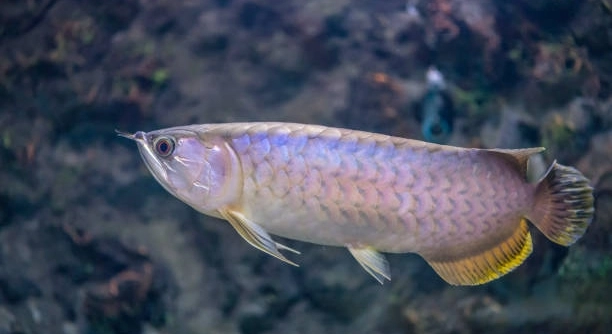
Have you ever noticed your arowana swimming near the glass and pausing as it looks around the room? These graceful fish seem to enjoy observing their surroundings, even if it is outside the tank.
Arowanas do respond positively to visual stimuli outside their tank. They are naturally curious and attentive, often following movements or changes in light, which can reduce boredom and encourage mild physical activity within a safe aquatic environment.
Observing these behaviors can reveal a lot about your arowana’s preferences and habits in its tank.
How Arowanas React to Movement Outside the Tank
Arowanas are highly visual fish, and they notice movement outside their tank more than many other species. When someone walks past or moves an object near the aquarium, the fish often follow with slow, graceful swimming motions. This behavior can indicate curiosity, awareness, and even mild stimulation, which is important for their mental health. Arowanas do not respond aggressively to every movement, but sudden or rapid changes may startle them temporarily. Over time, they may become accustomed to regular motions, like household activity or your presence, and respond calmly. Observing these interactions helps you understand their habits and preferences. It also provides an opportunity to adjust the tank setup to make it more engaging without overwhelming the fish. This interaction between the fish and its surroundings can create a subtle but meaningful connection. Knowing what captures their attention ensures a more enriched environment that supports natural behavior.
This attentiveness shows that arowanas are not passive tank residents but active participants in their environment.
Watching how they track objects and respond to light changes can help create a more suitable habitat. By arranging plants, decorations, and open spaces strategically, the fish can explore and exercise naturally, which supports both physical and mental well-being. A balanced tank environment reduces stress, encourages swimming, and provides opportunities for enrichment, making it easier to monitor overall health.
Benefits of a Stimulating View
A stimulating view outside the tank can help reduce boredom and inactivity in arowanas.
When the surroundings are visually interesting, arowanas show increased alertness and curiosity. They may swim along the glass to observe moving objects, light reflections, or shadows. This behavior promotes mental engagement, which is crucial for large, intelligent fish. Visual stimulation also supports natural instincts like hunting and tracking, even if they are not feeding. By allowing the fish to see subtle changes in the environment, it reduces stress and keeps them more active throughout the day. Careful management ensures that this exposure is safe and not overwhelming.
To maximize the benefits of external views, it is helpful to arrange the tank near areas with moderate activity, but avoid chaotic or loud surroundings that could stress the fish. Gentle light changes or slow-moving objects, like curtains swaying or small household movements, often capture attention without causing fear. Combining this with regular tank enrichment, such as floating plants or safe decorations, enhances natural behavior and encourages exploration. Observing their reactions can guide adjustments to the environment, creating a comfortable, engaging habitat. Additionally, understanding how external stimuli affect arowanas can prevent potential issues like sudden hiding or erratic swimming, ensuring long-term health. A thoughtfully positioned tank supports both visual interest and overall well-being.
Positioning the Tank for Maximum Engagement
Placing the tank near a source of natural light or moderate household activity helps arowanas stay alert and engaged. Avoid direct sunlight, as it can overheat the water or encourage algae growth, which may disrupt their environment.
Proper tank placement encourages natural behavior. Arowanas tend to explore areas where they can see subtle movements or reflections, helping prevent boredom. Positioning the tank near a quiet corner with some activity allows them to watch without stress. Careful thought about surrounding objects, like furniture or decorations, also matters. Avoid clutter that blocks their view, but provide enough visual interest to make the space stimulating. Over time, the fish will respond more actively to gentle motion or light changes, supporting their overall well-being and mental stimulation.
The tank’s height and orientation can influence how comfortable your arowana feels. Placing it at eye level or slightly higher can make them feel secure while still allowing observation. Avoid areas with frequent vibrations or loud noises, which can cause stress and reduce engagement. Adjusting these details improves their interaction with the environment. Even subtle changes, like moving a lamp or adding a small decoration outside the tank, can spark curiosity. Maintaining a consistent yet interesting visual field helps the arowana stay mentally sharp while supporting natural swimming and observational habits.
Interactive Elements Inside the Tank
Floating plants or gentle water currents can make the tank more engaging for arowanas. They encourage exploration and light activity without overwhelming the fish.
Adding decorations that create varying depths and hiding spots provides stimulation while maintaining a sense of security. Arowanas often investigate new items slowly, inspecting shapes and reflections. Even simple additions like driftwood or smooth rocks help them exercise and observe their surroundings. Changing the position of these elements occasionally can refresh their interest without causing stress, giving the fish a reason to move and explore different areas. This controlled variation in the environment mimics natural conditions, which supports physical and mental health.
Interactive elements can also include safe visual cues outside the tank. For example, gentle light reflections, slow-moving objects, or shadows can trigger tracking behavior. Combining internal and external stimuli ensures the arowana remains active and attentive, promoting healthier swimming patterns. By monitoring their reactions, you can identify which setups are most effective, providing ongoing enrichment tailored to your fish. Over time, these changes reduce inactivity, encourage curiosity, and foster a more dynamic environment that balances observation and exploration naturally.
Light and Reflection Effects
Soft lighting near the tank can capture arowanas’ attention without causing stress. They respond to gentle reflections and subtle movements, which encourages them to swim and observe naturally.
Mirrors or shiny surfaces should be used cautiously. While small reflections can stimulate curiosity, too many reflections may confuse or stress the fish.
Avoiding Overstimulation
Too much movement or bright lights outside the tank can startle arowanas. They prefer moderate, consistent visual activity rather than sudden changes. Controlled exposure helps maintain calm behavior while still offering mental engagement.
Benefits of Regular Observation
Watching your arowana over time allows you to notice preferences for certain sights or movements. This insight helps in arranging the tank and its surroundings more effectively, creating an environment that supports both comfort and activity.
Subtle Environmental Changes
Small adjustments to objects or lighting outside the tank can keep your arowana engaged. Gradual changes prevent stress while offering new visual interest.
FAQ
Do arowanas need to see outside the tank?
Arowanas do not require views outside the tank to survive, but visual stimulation can improve their mental and physical activity. Observing movements, light changes, or reflections keeps them alert and reduces boredom. A tank that offers both internal and external points of interest helps maintain natural behaviors like swimming, exploring, and tracking.
Can too much outside activity stress my arowana?
Yes, arowanas can become stressed if exposed to excessive or rapid movements outside the tank. Sudden loud noises, fast-moving people, or bright flashes may startle them. Gradual, gentle stimuli are best. Maintaining a calm environment with predictable activity helps them feel secure while remaining curious.
Is it okay to place a tank near a window?
Placing a tank near a window can provide natural light, which can be beneficial, but direct sunlight can overheat the water or promote algae growth. If you place the tank near a window, use blinds or curtains to diffuse light and ensure a consistent temperature.
Do arowanas interact with their reflection?
Arowanas sometimes react to their reflection, especially in calm water. They may follow it or swim alongside it, interpreting it as another fish. Small reflective surfaces can encourage engagement, but too many reflections may confuse or stress them. Observing their reaction helps determine safe reflection levels.
Can household movements improve their activity?
Moderate household activity can provide mental stimulation. Regular movement, like people walking by or slow light changes, captures their attention and encourages natural tracking behavior. Avoid excessive or abrupt activity, which can cause stress or hiding, and focus on gentle, predictable stimuli.
Do arowanas notice their owners?
Arowanas are attentive and can recognize familiar people. They may follow movements along the tank glass, swim near you, or react to your presence. This is a sign of curiosity rather than affection. Regular, calm interaction can help the fish feel comfortable and reduce stress.
Should I rearrange the tank for visual interest?
Rearranging decorations or plants occasionally can provide new visual stimuli without overwhelming the fish. Changes should be gradual and thoughtful to maintain security. This encourages exploration and keeps the arowana engaged with its environment, supporting both mental and physical health.
How often should I monitor their reactions?
Observing your arowana daily is ideal. Monitoring how it responds to external stimuli, decorations, and light changes allows you to adjust the environment for comfort and enrichment. Consistent observation ensures you can spot signs of stress, inactivity, or unusual behavior promptly.
Can visual stimulation reduce boredom?
Yes, visual stimulation helps prevent inactivity and mental dullness. A combination of outside movement, reflections, internal decorations, and gentle light changes encourages natural behaviors. Active, alert fish are less likely to develop stress-related issues, swim erratically, or lose appetite.
What are safe ways to add outside visual interest?
Safe visual interest includes slow-moving objects, gentle shadows, subtle light changes, or moderate activity in the room. Avoid sudden motions, bright flashing lights, or frequent mirror exposure. Gradual, controlled stimulation promotes curiosity while maintaining a calm, secure environment for your arowana.
How do arowanas respond to shadows outside the tank?
Arowanas are naturally alert to shadows and can track them as part of their hunting instincts. Soft, moving shadows provide mild stimulation and encourage exploration. Sharp, sudden shadows may startle them, so gradual, natural-looking changes are preferred for consistent engagement.
Can outside stimuli replace tank enrichment?
Outside stimuli complement but do not replace internal enrichment. Decorations, plants, water currents, and hiding spots remain essential for physical activity and mental health. Visual interaction from outside adds interest, but a balanced, enriched tank ensures overall well-being.
Are arowanas more active at certain times of day?
Arowanas tend to be more alert during daylight hours when light and movement are visible. Nighttime activity decreases as they rest. Coordinating visual stimuli with their active periods can enhance engagement without disrupting natural rest cycles.
How do I know if my arowana is stressed?
Signs of stress include hiding, erratic swimming, loss of appetite, or aggressive reactions to mild stimuli. Overexposure to external activity or excessive light can trigger these behaviors. Monitoring daily and adjusting the environment ensures stress is minimized.
Can reflections from windows or TVs affect them?
Yes, reflections can attract or confuse arowanas. Gentle, slow reflections may be engaging, but bright, moving, or sudden reflections from screens can cause stress. Observing the fish’s response helps determine safe levels. Adjust angles or cover reflective surfaces if needed.
Is it safe for arowanas to follow movement outside the tank?
Following movement is normal and indicates curiosity. As long as the stimuli are moderate, predictable, and non-threatening, this behavior is healthy. Overstimulation or chaotic movement should be minimized to prevent stress or injury.
Do arowanas prefer certain types of light outside the tank?
Soft, natural light is preferable. Bright, direct light or flashing lights can stress them. Diffused sunlight or gentle artificial lighting helps them see without overwhelming their senses. Consistency in light intensity also supports routine behavior and reduces anxiety.
Can outside visuals help with exercise?
Yes, observing movement encourages swimming and tracking, which promotes physical activity. This natural response helps maintain muscle tone and supports cardiovascular health. Combining outside stimuli with internal enrichment maximizes exercise opportunities.
How do I balance visual stimulation and calmness?
Provide moderate, predictable movements and soft lighting outside the tank while maintaining a stable internal environment. Avoid abrupt changes, loud noises, or excessive reflections. Gradual variation keeps your arowana engaged without causing stress, supporting both mental and physical health effectively.
Can children or pets near the tank affect the arowana?
Children or pets can provide gentle movement that captures attention, but too much noise or rapid motion can stress the fish. Supervision and consistent, calm interactions ensure that external activity remains safe and stimulating without causing fear or erratic swimming.
Final Thoughts
Arowanas are intelligent and visually aware fish that respond to their environment in ways that can be both subtle and noticeable. While they do not require views outside the tank to survive, external stimuli can provide important mental engagement. Observing movements, light changes, and reflections can encourage natural behaviors such as tracking, swimming, and exploring, which helps keep the fish alert and active. Arowanas are not passive creatures; they notice activity around them and can respond with curiosity. By paying attention to how they react to sights outside their tank, you can better understand their preferences and comfort levels. This observation also helps you adjust the environment to balance stimulation and calmness, which is essential for maintaining a healthy and stress-free aquatic habitat.
It is important to remember that too much activity or bright light outside the tank can be overwhelming for an arowana. Sudden movements, loud noises, or chaotic environments may cause stress, which can affect appetite, swimming patterns, and overall well-being. Arowanas thrive best in moderate, predictable conditions where they can observe without being startled. Controlled exposure to external visual cues, such as slow-moving objects, gentle shadows, or soft light changes, provides stimulation without creating anxiety. At the same time, internal tank enrichment—like plants, driftwood, and hiding spots—remains crucial. Together, these elements support both mental and physical health. Monitoring your arowana’s behavior on a regular basis allows you to identify signs of stress or boredom and make small adjustments as needed. Even minor changes in tank placement, lighting, or decorative arrangements can have a meaningful impact on their daily activity and overall comfort.
Creating an environment that balances calmness and engagement helps arowanas live a fuller, healthier life. The goal is not to constantly entertain them but to provide subtle, natural cues that encourage curiosity and gentle activity. Proper tank placement, thoughtful lighting, and carefully chosen decorations contribute to this balance. Over time, arowanas become more responsive to their surroundings and can display more natural behaviors, such as investigating new objects or following movements outside the tank. Understanding and accommodating their visual preferences can also make it easier to maintain a stable, healthy environment. Paying attention to these details ensures the fish remain active, alert, and comfortable. By focusing on consistent, safe, and gentle stimulation, you can provide an enriched habitat that supports long-term health while allowing your arowana to thrive naturally in its aquatic space.

Hello,
If you enjoy the content that we create, please consider saying a "Thank You!" by leaving a tip.
Every little bit helps us continue crafting quality advice that supports the health, happiness, and well-being of pets around the world, for pets of all shapes, sizes, and species.
We really appreciate the kindness and support that you show us!