
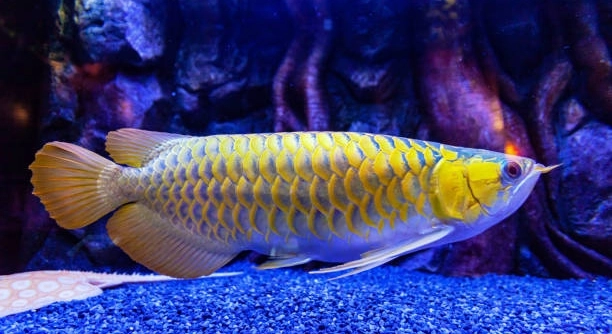
Moving your Arowana to a new room can be a delicate process. The fish may feel stressed or confused in an unfamiliar environment. Small changes in surroundings can affect its comfort, behavior, and overall well-being during the transition.
Arowanas adapt to new rooms more smoothly when the environment is stable, water parameters are maintained, and gradual acclimation techniques are used. Proper tank placement, consistent lighting, and monitoring behavior are essential for minimizing stress and promoting healthy adjustment in the fish.
Knowing the right steps can make the transition easier and safer for your fish. These tips ensure your Arowana feels secure and comfortable in its new surroundings.
Preparing the Tank Before Moving
Before moving your Arowana, the tank should be fully prepared. Make sure the water is clean and at the right temperature. Check that filters and heaters are functioning properly. Decorations should be arranged in a way that allows your fish to explore safely. Avoid sudden changes in water chemistry. Adding some plants or hiding spots can make the new environment feel familiar. Light should be consistent to prevent stress. Moving the tank itself requires care to avoid disturbing the water too much. Even small vibrations or bumps can upset the fish. Test all equipment beforehand to ensure nothing fails during the transition. A well-prepared tank helps your Arowana feel at ease quickly. A steady environment reduces stress and encourages normal behavior, like swimming and feeding. The more stable the surroundings, the faster your fish will adjust.
Proper preparation of the tank ensures minimal stress for the Arowana, creating an environment that supports healthy adaptation and normal behavior.
Having everything ready before the move saves time and prevents mistakes. You will feel more confident knowing the tank is safe and stable for your Arowana.
Gradual Acclimation
Moving the fish too quickly can shock it. A slow adjustment is better.
Gradual acclimation is one of the most effective ways to help your Arowana settle. Start by placing the fish in a separate container with water from its original tank. Slowly introduce water from the new tank over several hours. This balances temperature and water chemistry, reducing stress. Avoid sudden exposure to bright lights or strong currents. Keep noise levels low during this period. Observe the fish closely for signs of discomfort, like erratic swimming or hiding. Feeding can be reduced initially until it shows normal behavior. Gradual acclimation allows the fish to adjust to the new environment naturally, without causing unnecessary stress. With patience, your Arowana will feel comfortable and confident exploring the tank. Repeating this process carefully helps prevent health problems and ensures long-term well-being in its new space.
Maintaining Water Quality
Clean water is essential for your Arowana’s comfort. Test for ammonia, nitrite, and nitrate levels regularly. Keep temperature and pH stable. Frequent water changes prevent stress and disease, ensuring the fish adapts smoothly to the new tank environment.
Maintaining optimal water quality involves careful monitoring. Regular testing of ammonia, nitrite, and nitrate levels prevents harmful conditions. Temperature should remain steady to avoid shocking the fish, and pH must stay within a safe range. Using a reliable filter and performing partial water changes weekly helps maintain clarity and cleanliness. Avoid overfeeding, as leftover food can pollute the tank quickly. Introducing beneficial bacteria can further stabilize water conditions. These steps reduce stress and promote a healthy immune system, allowing your Arowana to adjust confidently to its new surroundings.
Consistent water maintenance also supports natural behaviors like swimming and feeding. When water quality is stable, the fish becomes more active and comfortable exploring its new space. Observing these changes helps you detect any early signs of stress or illness, so adjustments can be made promptly, keeping your Arowana safe and thriving.
Controlling Light and Noise
Sudden changes in lighting or loud noises can stress your Arowana. Keep lights consistent and reduce external noise for a calm environment.
Arowanas are sensitive to changes in their surroundings, and inconsistent lighting can disrupt their natural behavior. Use a timer for lights to create a regular day-night cycle, and avoid placing the tank near high-traffic areas. Loud sounds, vibrations, or sudden movements can startle the fish, causing it to hide or swim erratically. Soft, indirect lighting mimics natural conditions and supports healthy activity patterns. Maintaining a calm, quiet space helps the Arowana feel secure, reducing stress-related behaviors and supporting overall well-being.
Providing a stable light and noise environment is essential for adaptation. Too much light or abrupt darkness can confuse the fish, while loud household sounds may trigger anxiety. Position the tank away from doors, televisions, or appliances that produce vibrations. Natural daylight is helpful but should not directly hit the tank, as it can encourage algae growth and sudden temperature shifts. Using a dimmable light or adjustable lamp allows control over intensity. Keeping the area calm supports normal feeding habits and allows the fish to explore its new tank without fear. Over time, your Arowana will settle into a routine and show consistent, healthy behavior.
Monitoring Temperature
A stable temperature is crucial for your Arowana. Sudden changes can stress the fish, affecting appetite and behavior. Use a reliable heater and thermometer to keep the water within the recommended range.
Avoid placing the tank near windows or air vents. Direct sunlight or drafts can cause temperature swings. Consistent warmth helps your Arowana feel secure and reduces the risk of illness. Regularly check the water temperature, especially during seasonal changes. Maintaining stability supports natural swimming patterns and overall health.
Providing Hiding Spots
Arowanas feel safer with areas to hide. Adding rocks, plants, or driftwood can create secure spaces for the fish.
Providing hiding spots reduces stress and encourages exploration. Use decorations that do not have sharp edges, ensuring the fish cannot injure itself. Strategically place shelters in different areas of the tank to give your Arowana options. When the fish feels threatened or tired, it can retreat safely, which helps maintain regular feeding and normal activity levels. Over time, these hiding spots help the Arowana become comfortable in the new room while supporting mental and physical well-being.
Feeding Carefully
Feed your Arowana smaller amounts initially. Sudden large meals may overwhelm it or disturb water quality.
Observing Behavior
Watch your Arowana for signs of stress or illness. Early detection allows timely adjustments in care.
FAQ
How long does it take for an Arowana to adapt to a new room?
Adaptation time varies, but most Arowanas need one to two weeks to feel comfortable. Factors like water quality, tank size, and environmental stability affect adjustment. Keeping a consistent routine and minimizing sudden changes can help the fish settle faster and reduce stress-related behaviors.
What water temperature is best for a new tank?
Arowanas thrive in water between 75°F and 82°F (24°C–28°C). Using a reliable heater and thermometer ensures the temperature stays stable. Sudden fluctuations can weaken the immune system and affect appetite, making consistent warmth critical during the transition to a new room.
Can I move my Arowana without a separate container?
It is not recommended. Moving the fish in a separate container with water from the original tank reduces shock. Gradually mixing water from the new tank over several hours allows your Arowana to adjust to temperature and chemistry safely.
How often should I check water quality?
Water should be tested at least twice a week during the first few weeks in the new room. Monitoring ammonia, nitrite, and nitrate levels ensures a safe environment. Regular testing prevents stress and disease, helping the fish adapt more comfortably.
Is hiding space really necessary?
Yes. Hiding spots like plants or driftwood reduce stress and make your Arowana feel secure. They can retreat when startled or tired, which encourages normal feeding and swimming behaviors. Variety in hiding spots also keeps the fish mentally stimulated.
Should I feed my Arowana right after moving?
It’s better to wait until the fish appears calm and active. Start with smaller meals to prevent water pollution and monitor appetite. Gradually increasing food portions ensures your fish adjusts without digestive or stress issues.
What signs show my Arowana is stressed?
Erratic swimming, loss of appetite, hiding constantly, or rubbing against surfaces are common signs. Stress can also appear as faded color or rapid gill movement. Early observation allows adjustments in water, light, or tank placement to reduce stress.
Can noise affect adaptation?
Yes. Loud sounds, vibrations, or frequent disturbances can scare Arowanas. Keeping the tank in a quieter area and avoiding sudden movements around it helps the fish feel safe and supports healthy behavior during the adaptation period.
Do I need to adjust lighting?
Consistent lighting helps regulate day-night cycles. Use a timer if possible. Avoid direct sunlight, which can cause temperature spikes and algae growth. Dim lighting during the initial days can reduce stress while the fish explores the new space.
How important is tank placement in the room?
Tank placement affects comfort. Avoid drafts, windows, and high-traffic areas. A stable, quiet spot allows the Arowana to adjust without constant disturbance, promoting natural swimming and feeding patterns. Proper placement reduces stress and encourages healthy adaptation.
Should I add new decorations immediately?
It’s better to keep decorations simple initially. Introducing too many changes at once can overwhelm the fish. Gradually adding new plants or ornaments allows the Arowana to explore safely and feel secure over time.
Can I keep other fish in the new tank?
Introducing other fish immediately can increase stress. Wait until the Arowana is fully comfortable. Gradual introductions help prevent aggression and ensure both the new and existing fish remain healthy.
What if the fish refuses to eat?
Reduced appetite is common during adaptation. Observe for signs of illness, check water quality, and offer familiar foods. Small, frequent meals usually encourage eating once the fish feels more secure.
How long should I monitor behavior closely?
Close observation is crucial for the first two weeks. Watch for abnormal swimming, color changes, or hiding. Adjust water, lighting, or decorations as needed to support the fish’s comfort and long-term health in the new room.
Can I move the tank during adaptation?
Avoid moving the tank once set up. Shifts can disturb water conditions and stress the fish. Only minor adjustments, like repositioning decorations, are safe during the adaptation period. Stability is key for the Arowana’s comfort and health.
This FAQ covers the most common concerns when moving an Arowana to a new room. Following these guidelines helps your fish settle safely, maintain health, and enjoy its new environment without unnecessary stress.
Final Thoughts
Moving an Arowana to a new room is a process that requires patience and attention. These fish are sensitive to changes in their environment, and even small disturbances can affect their behavior or health. Ensuring that the tank is fully prepared before the move is essential. Clean water, stable temperature, proper filtration, and careful arrangement of decorations all contribute to a smoother transition. Gradual acclimation and maintaining consistency in lighting and noise levels help your Arowana feel secure in its new surroundings. Taking these steps shows consideration for the fish’s needs and helps prevent stress-related issues such as loss of appetite or erratic swimming.
Monitoring water quality and temperature should be part of your daily routine during the first few weeks after moving. Checking levels of ammonia, nitrite, and nitrate, and keeping the pH and temperature stable, prevents health problems. Gradually introducing small amounts of food and observing eating habits ensures the fish remains nourished without compromising water cleanliness. Adding hiding spots like plants, rocks, or driftwood provides comfort and a sense of security. Quiet surroundings and consistent lighting help reinforce a routine that the fish can adjust to naturally. Attention to these details makes a noticeable difference in how quickly your Arowana settles into its new space.
Patience and observation are key throughout the process. Each Arowana adapts at its own pace, and recognizing signs of stress allows you to respond promptly. Erratic swimming, hiding excessively, or changes in color can indicate discomfort, so making adjustments in tank placement, water conditions, or feeding routines can improve the fish’s well-being. Over time, with careful monitoring and consistent care, your Arowana will adjust fully to its new environment. Providing stability, safety, and proper care ensures not only a smoother transition but also supports the fish’s long-term health and happiness. A well-prepared and thoughtfully maintained tank allows your Arowana to thrive, making the effort invested in the move worthwhile.

Hello,
If you enjoy the content that we create, please consider saying a "Thank You!" by leaving a tip.
Every little bit helps us continue crafting quality advice that supports the health, happiness, and well-being of pets around the world, for pets of all shapes, sizes, and species.
We really appreciate the kindness and support that you show us!