
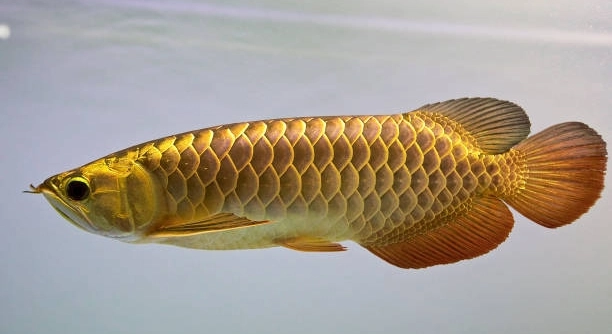
Do you ever find yourself admiring the shimmering scales of an arowana and wondering just how large these elegant fish can grow? Many aquarium enthusiasts are fascinated by their size and presence in home tanks.
Arowanas can reach significant lengths depending on their species. The Asian arowana typically grows up to 35 inches, while South American varieties may reach around 36 inches. Proper care, diet, and environment directly influence their maximum growth potential.
Understanding the size potential of these fish can help you plan your tank space and care routine more effectively. The details behind their growth are both fascinating and practical.
Understanding Arowana Growth
Arowanas grow steadily over the years, but their size depends on a combination of species, diet, and tank conditions. Asian arowanas tend to grow slightly slower than South American types, but both can reach impressive lengths with proper care. Younger arowanas need frequent feeding and clean water to support their rapid growth. As they mature, growth slows, but maintaining optimal nutrition and environment ensures they reach their full potential. Large tanks with ample swimming space help prevent stunted growth, while regular water changes reduce stress and support overall health. Feeding a balanced diet, including pellets, insects, and occasional live foods, is crucial for muscle development and scale health. Observing their behavior can also give insight into their well-being. Arowanas are sensitive to changes in water quality, so monitoring parameters like pH, temperature, and ammonia levels will help them thrive. Growth is gradual, and patience is key to achieving a healthy, full-sized fish.
Regular monitoring of tank conditions is essential for growth and health maintenance in arowanas.
Providing enough space and proper nutrition allows these fish to reach their full size while staying healthy and active in captivity.
Tank Size and Environment
Arowanas need spacious tanks to grow properly. Small tanks limit movement and can stunt growth, even with excellent care.
Choosing the right tank is crucial, with minimum dimensions around 250 gallons for adult specimens. Water must be filtered efficiently to handle large fish waste and maintain stability. Decorations should be minimal to allow swimming space but include hiding spots for comfort. Temperature should stay consistent between 75–82°F, and regular water changes prevent toxins from accumulating. Tank covers are important, as arowanas are powerful jumpers. Proper lighting enhances coloration but avoid direct sunlight to prevent algae blooms. Regular observation helps detect health issues early. Arowanas thrive with stable, clean water and sufficient space to swim freely.
Creating the right environment ensures the arowana can grow to its potential and live a healthy life. The tank setup influences both size and longevity, making it essential to consider all aspects of care. Temperature control, water quality, and proper filtration all work together to promote growth. Diet also interacts with environment; fish in a well-maintained tank convert nutrients more efficiently into body mass. Avoid overcrowding, as it leads to stress and slower growth. Monitoring behavior and maintaining hygiene are simple steps that have lasting impacts on size. A large, clean, and stable tank encourages natural movement, which strengthens muscles and supports skeletal development. By prioritizing these factors, you create conditions that allow your arowana to reach its maximum size safely and thrive in captivity.
Feeding for Maximum Growth
A balanced diet is essential for arowanas to reach their full size. They require high-protein foods like pellets, insects, and occasional live fish to develop strong muscles and maintain energy. Overfeeding can be harmful, so portion control is important.
Feeding schedules should be consistent, with younger arowanas eating more frequently than adults. Including variety in their diet supports coloration, immune function, and overall vitality. Avoid processed foods that may contain fillers or artificial additives, as these can hinder growth. Supplements like vitamins and minerals can also enhance health, especially if natural foods are limited. Observing how your arowana responds to different foods helps refine their diet plan and ensures optimal growth over time.
Live foods provide mental stimulation in addition to nutrition. Chasing prey encourages exercise and natural hunting behavior, contributing to muscle development and agility. Frozen or prepared foods add convenience but should complement rather than replace live feeding. A well-rounded feeding routine directly affects size, energy levels, and appearance, making careful planning a crucial part of raising arowanas successfully. Consistency and attention to diet quality help the fish thrive in captivity.
Monitoring Health and Growth
Regular observation is key to identifying growth issues or health problems early. Keep track of weight, size, and behavior patterns consistently.
Stress, disease, and poor water quality can slow growth or cause deformities. Parasites, infections, or nutritional deficiencies may not always be obvious but can have long-term effects. Quarantining new additions and maintaining strict hygiene practices reduce the risk of disease spread. Monitoring water parameters like pH, ammonia, nitrites, and nitrates ensures the environment supports healthy growth.
Measuring growth over time allows adjustments to diet and tank setup. Sudden changes in size or appetite may indicate health concerns that require attention. Using a consistent feeding routine and maintaining water stability creates a predictable environment, helping arowanas grow steadily. Observation also helps detect behavioral signs of discomfort or stress, allowing timely interventions. Keeping detailed records of tank conditions, feeding, and growth trends provides insights for long-term care. By staying proactive, growth limitations and potential health risks can be minimized, supporting larger and healthier arowanas in captivity.
Common Growth Limitations
Tank size often limits arowana growth. Smaller tanks restrict movement, which can stunt their natural development and lead to health issues over time.
Poor nutrition is another major factor. Inadequate protein or unbalanced diets prevent proper muscle and scale development, slowing overall growth despite ideal tank conditions.
Choosing the Right Species
Different arowana species have varying growth potentials. Asian arowanas generally reach around 35 inches, while South American and Australian types can exceed 36 inches under optimal conditions. Selecting a species that fits your tank and care ability ensures long-term health and allows the fish to reach its maximum size naturally.
Water Quality Essentials
Stable water conditions are crucial. Fluctuations in pH, temperature, or ammonia levels stress arowanas and can impede growth significantly.
FAQ
How fast do arowanas grow?
Arowanas grow at different rates depending on their species, age, and care. Young fish grow more quickly, often adding several inches in the first year. As they age, growth slows but continues steadily with proper diet, water quality, and tank conditions. Temperature and tank size also influence growth rate.
What is the maximum size of an arowana?
The maximum size depends on the species. Asian arowanas typically reach about 35 inches, while South American arowanas can exceed 36 inches. Australian arowanas are slightly smaller but still large enough to require spacious tanks. Genetics and environmental factors affect the final size as well.
Do arowanas stop growing?
Arowanas never truly stop growing, but growth slows significantly as they mature. Proper nutrition and a large, stable environment allow them to reach their full potential. Growth may appear minimal in older fish, but internal development and muscle strengthening continue.
How much space do adult arowanas need?
Adult arowanas require large tanks, usually starting around 250 gallons. They need ample swimming space to prevent stunted growth and avoid stress. The tank should be long and wide, with minimal decorations but enough hiding spots for comfort. A secure lid is essential because they can jump.
What should I feed an arowana for optimal growth?
Arowanas need high-protein diets, including pellets, live insects, and occasional live or frozen fish. A varied diet supports muscle development, coloration, and immune function. Overfeeding can cause health issues, so portion control is important. Supplements may be necessary if natural foods are limited.
Can tank conditions affect growth?
Yes, water quality, temperature, and filtration play major roles in growth. Poor water conditions stress the fish and can stunt size. Regular water changes, monitoring ammonia, nitrite, nitrate, and maintaining stable temperatures are essential. A consistent environment encourages healthy, steady growth.
Do arowanas need special lighting?
Lighting is not critical for growth but helps maintain coloration and overall health. Avoid direct sunlight, which can promote algae growth. Soft, consistent lighting supports a calm environment and allows you to observe behavior and health more easily.
How long does it take for an arowana to reach full size?
Full size depends on species and conditions. Most arowanas reach near-maximum length in 3–5 years with ideal care. Slower growth may occur in smaller tanks or with inconsistent feeding. Patience and consistent care are key to achieving their full size.
Can multiple arowanas grow together in one tank?
Housing multiple arowanas together is possible but challenging. They are territorial and may stress each other, slowing growth. Large tanks and careful monitoring are necessary. Feeding evenly and providing hiding spaces reduce aggression and help all fish grow healthily.
How do I know if my arowana is healthy?
Healthy arowanas are active, have bright scales, and show steady growth. Lethargy, loss of appetite, or stunted growth can indicate stress, disease, or poor water quality. Regular observation and prompt care ensure they remain healthy and reach their potential size.
Do genetics influence arowana growth?
Yes, genetics determine growth potential and maximum size. Even with perfect care, some fish may naturally grow larger or smaller than others. Selecting healthy, well-bred specimens increases the likelihood of reaching their full growth potential.
Is tank maintenance really important for growth?
Tank maintenance is crucial. Regular cleaning, water changes, and filtration prevent harmful toxins from accumulating. Consistent monitoring reduces stress, supports immune function, and ensures the fish can grow steadily. Neglecting tank care directly impacts both size and health.
Can stress stunt growth in arowanas?
Stress from overcrowding, poor water quality, or aggressive tank mates can slow growth. Providing a stable, spacious environment with minimal disruptions helps maintain steady development and overall well-being.
Are supplements necessary for arowanas?
Supplements can help if natural foods are limited. Vitamins and minerals support growth, scale health, and immune function. However, a varied, high-protein diet is usually sufficient if feeding is consistent and balanced. Supplements should enhance, not replace, proper nutrition.
What is the ideal water temperature for growth?
Arowanas thrive in temperatures between 75–82°F. Consistent warmth supports metabolism and growth. Sudden fluctuations can stress the fish, slow development, and weaken immunity, making temperature control essential for reaching full size.
How often should I feed my arowana?
Juveniles need more frequent feedings, usually twice daily, while adults can eat once a day or every other day. Consistent feeding supports growth, prevents obesity, and maintains energy levels. Adjust portion size to avoid leftover food and maintain water quality.
Do arowanas grow differently in home tanks versus natural habitats?
Growth is usually slower in home tanks due to space limitations and controlled conditions. Natural habitats offer more room and varied diet, allowing fish to grow larger. Proper tank size and care can help replicate these conditions to maximize growth in captivity.
Can water pH affect arowana growth?
Yes, a stable pH between 6.5–7.5 is ideal. Fluctuating or extreme pH levels stress the fish, reduce appetite, and slow growth. Maintaining balance through regular testing and adjustments supports steady development and overall health.
How can I measure growth effectively?
Use a soft measuring tape or ruler along the body’s length from head to tail. Record measurements monthly. Tracking growth trends allows adjustments to diet, tank size, or care routines, ensuring the fish reaches its full potential safely and efficiently.
Are there signs my arowana is not growing properly?
Slow growth, weight loss, dull scales, or lethargy are warning signs. Check water quality, diet, and stress factors immediately. Early intervention can prevent long-term health issues and help the fish resume normal growth.
Does lighting influence growth rate?
Lighting has minimal effect on size directly but affects behavior and stress levels. Proper lighting enhances natural activity, feeding behavior, and coloration, indirectly supporting healthy growth by encouraging exercise and reducing stress.
Can tank mates affect arowana growth?
Yes, aggressive or fast-growing tank mates may compete for food or space, slowing arowana development. Choose compatible species, provide enough space, and monitor interactions to ensure balanced growth.
Is water hardness important for growth?
Moderate water hardness is best. Extremely soft or hard water can stress arowanas, affecting appetite and metabolism. Stable, balanced water hardness supports proper scale development and overall growth.
Do arowanas need hiding spots?
Yes, hiding spots reduce stress and aggression, especially in larger tanks. Stress-free fish are more likely to grow steadily, maintain health, and display natural behaviors.
Can overcrowding stunt growth?
Absolutely. Overcrowding increases stress, reduces swimming space, and raises waste levels, all of which slow growth. Adequate tank size and limited stocking are essential to ensure healthy development.
Are live foods better than pellets for growth?
Live foods stimulate natural hunting behavior and provide high protein, supporting muscle development. Pellets are convenient and nutritionally balanced. Combining both types ensures optimal growth and health without relying solely on one food source.
How long should I expect to see noticeable growth?
Young arowanas show noticeable growth within months. Adult growth is slower but steady. Tracking size regularly helps assess if care, diet, or environment adjustments are needed to support full development.
Do arowanas grow faster in warmer water?
Moderate warmth supports metabolism and slightly faster growth. However, excessively high temperatures can stress the fish and lead to health problems, so maintaining the recommended 75–82°F range is crucial.
What are common mistakes that limit growth?
Common issues include small tanks, poor diet, irregular feeding, unstable water conditions, and stress from overcrowding or aggressive tank mates. Addressing these factors ensures the arowana can grow to its full size safely.
How do I encourage maximum growth in captivity?
Provide a spacious tank, stable water conditions, balanced diet, proper temperature, and low-stress environment. Monitoring health and adjusting care practices consistently ensures the fish develops fully while remaining healthy and active.
Can arowanas grow larger than expected?
Yes, some individuals exceed average species size with optimal care, genetics, and environment. Patience and consistent management of tank conditions, diet, and health allow fish to reach their maximum potential safely.
How does water filtration affect growth?
Effective filtration keeps water clean, reduces toxins, and maintains stable conditions. Healthy water supports appetite, reduces stress, and promotes steady growth. Poor filtration directly limits size and can cause long-term health issues.
Is it necessary to measure growth regularly?
Yes, regular measurement helps track development, detect growth issues early, and adjust care routines. Consistent tracking ensures the fish reaches its full size safely and identifies any environmental or dietary problems promptly.
Can illness affect growth permanently?
Illnesses, if untreated, can permanently stunt growth or cause deformities. Early detection, proper treatment, and optimal care are critical to ensuring the fish recovers and continues growing healthily.
How does tank enrichment influence growth?
Enrichment like swimming space, hiding spots, and occasional live food promotes exercise, reduces stress, and encourages natural behavior. Active, stress-free fish grow stronger, healthier, and reach their size potential more effectively.
Do arowanas need a seasonal feeding change?
Not strictly, but slight adjustments may mimic natural availability of prey. Reducing food slightly in cooler periods and increasing protein during growth phases can help maintain optimal metabolism and steady development.
How often should water parameters be tested?
Weekly testing for ammonia, nitrite, nitrate, pH, and temperature is ideal. Regular checks ensure stable conditions, prevent stress, and support consistent growth. Prompt corrections maintain a healthy environment for maximum development.
Can poor tank lighting stunt growth?
Directly, no. Indirectly, stress from unnatural lighting or inability to see food properly can reduce appetite and activity, slightly affecting growth. Soft, consistent lighting supports feeding and behavior, promoting healthy development.
Does tank decoration affect growth?
Yes, overcrowded tanks reduce swimming space and increase stress, which can slow growth. Minimal but functional decorations provide comfort without restricting movement.
Is overfeeding harmful?
Yes, overfeeding leads to obesity, poor water quality, and digestive issues. Proper portioning ensures growth without health complications, maintaining a balanced diet and clean environment.
Do arowanas need varied diets for growth?
Variety supports muscle development, coloration, and immune function. Combining pellets, live foods, and occasional supplements ensures all nutritional needs are met, promoting consistent growth and overall health.
How long can an arowana live while growing steadily?
With proper care, arowanas can live 15–20 years or more, growing steadily for the first several years before reaching slower adult growth. Lifespan and health depend on consistent care, diet, and environment.
Can temperature fluctuations affect growth?
Yes, sudden changes stress metabolism and reduce appetite, slowing development. Stable temperatures within the recommended range are essential for steady, healthy growth over time.
What is the ideal feeding routine for growth?
Feed juveniles twice daily, adults once daily or every other day. Ensure high-protein, varied diet, portion control, and consistent schedule. Monitor appetite and adjust feeding frequency to maintain healthy growth rates.
Do stress and aggression affect growth?
Yes, stress from tank mates or environmental changes slows growth. Aggressive interactions reduce feeding efficiency and energy for development. A calm, spacious environment encourages steady, healthy growth.
Can I accelerate growth artificially?
Rapid growth through excessive feeding or temperature changes is risky. Proper diet, stable water, and consistent care naturally maximize growth without harming health or lifespan.
Are all arowanas capable of reaching the same size?
No, genetics, species, and environmental factors create differences. Even with identical care, some individuals grow larger while others remain smaller. Providing ideal conditions ensures each fish reaches its personal maximum potential.
How important is observation for growth?
Observation is crucial. Noticing behavior, appetite, and physical changes early allows prompt adjustments to diet, water, or tank conditions, supporting optimal growth and preventing long-term issues.
Can tank location affect growth?
Indirectly, yes. Drafts, sunlight, or vibrations cause stress and affect feeding patterns, slowing growth. Placing tanks in stable, quiet locations supports steady development.
How do I handle slow growth in my arowana?
Check water quality, diet, tank size, and stress factors first. Adjust care routines, monitor closely, and consider consulting a professional if issues persist. Consistent care usually restores normal growth rates.
Can supplements replace a balanced diet?
No, supplements are meant to enhance a balanced diet, not replace it. High-quality food combined with occasional vitamins or minerals supports growth, but primary nutrition must come from proper feeding.
How often should tanks be cleaned for optimal growth?
Partial water changes weekly and substrate cleaning as needed maintain water quality. Clean tanks reduce stress and toxins, supporting steady growth and overall health.
Do seasonal changes impact growth?
Minor seasonal temperature shifts can slightly influence metabolism and feeding behavior, but maintaining stable conditions minimizes these effects and ensures consistent growth year-round.
Can arowanas outgrow home tanks?
Yes, if arowanas reach maximum size in a small tank, they may become cramped, stressed, and unhealthy. Planning for adult size prevents stunted growth and long-term health problems.
How can I tell if my arowana is happy and growing well?
Active swimming, strong appetite, vibrant scales, and steady size increase indicate healthy growth. Lethargy, color loss, or reduced feeding signal potential issues needing attention.
Does exercise influence growth?
Yes, swimming and chasing live foods strengthen muscles and promote natural growth. Adequate space and enrichment encourage activity, supporting overall health and size development.
Are temperature, diet, and space the most important factors?
Yes, consistent temperature, proper nutrition, and sufficient swimming space are the primary determinants of healthy growth. Maintaining these conditions ensures the arowana reaches its full size safely.
Can stress from handling stunt growth?
Frequent handling can stress arowanas, reduce appetite, and slow growth. Minimize handling to essential maintenance and observation only.
Do genetics or environment play a bigger role in growth?
Both are important. Genetics set maximum potential, but environment, diet, and care determine whether the fish reaches that potential. Proper conditions maximize size regardless of genetic limits.
Is arowana growth predictable?
Growth is generally predictable based on species, age, and care. Regular monitoring helps anticipate size milestones and make adjustments to feeding or environment to ensure steady development.
How long does it take to notice growth differences between fish?
Differences may appear within months, especially among juveniles. Tracking monthly helps identify slower-growing fish and address diet, tank size, or health concerns promptly.
Can overcrowding affect feeding and growth?
Yes, overcrowding reduces access to food and swimming space, creating stress that slows growth. Maintaining proper stocking density supports healthy size development.
Are all tank setups suitable for arowanas?
No, only spacious, well-filtered, and stable tanks with proper temperature and water quality support full growth. Small, poorly maintained tanks limit size and can harm health.
Does disease permanently affect growth?
Untreated disease may permanently stunt growth. Prompt treatment and supportive care restore health and allow continued development if addressed early.
Can stress from water changes impact growth?
Stress from sudden or large water changes can reduce appetite temporarily. Gradual, partial changes minimize stress and support consistent growth.
How do I balance feeding and water quality for growth?
Feed in moderation, remove uneaten food, and perform regular water changes. Balancing nutrition and cleanliness ensures growth without harming tank conditions.
Are there growth differences between captive-bred and wild arowanas?
Wild-caught arowanas may grow slower initially due to stress or adaptation but often reach similar sizes under proper care. Captive-bred fish typically adapt faster and show consistent growth patterns in tanks.
Do arowanas need exercise for proper growth?
Yes, swimming and chasing live food promote muscle development and healthy metabolism. Restricted movement slows growth and may cause weaker muscles or deformities.
Can tank lighting indirectly affect growth?
Indirectly, yes. Proper lighting supports feeding behavior and reduces stress, which contributes to healthy, steady growth over time.
Is tank location important for growth?
A stable, quiet location prevents stress from vibrations, drafts, or temperature fluctuations, supporting steady growth and overall well-being.
What combination of care ensures maximum growth?
Proper tank size, stable water parameters, consistent high-protein diet, low stress, and regular monitoring together support optimal development and help arowanas reach their full size safely.
Can temperature extremes permanently stunt growth?
Yes, prolonged exposure to too low or too high temperatures stresses metabolism and can permanently affect size, health, and lifespan if not corrected promptly.
Do all arowanas grow at the same pace?
No, growth rates vary with species, age, genetics, and care. Young fish grow quickly, adults slower, but environment and diet play key roles in consistent development.
How can I maximize growth without risking health?
Provide adequate space, balanced nutrition, stable water, minimal stress, and enrichment. Avoid shortcuts like overfeeding or temperature extremes, which may compromise health despite faster growth.
How do I know if growth is on track?
Regular measurements, healthy appetite, active behavior, and vibrant coloration indicate proper growth. Deviations may signal dietary, environmental, or health issues requiring attention.
Can I adjust feeding to accelerate growth?
Only within reason. Increasing protein slightly and feeding consistently supports growth. Overfeeding or unbalanced diet can cause illness, obesity, or water quality problems.
Are supplements necessary for all arowanas?
Not always. If diet is varied and nutritious, supplements are optional. They help if certain nutrients are missing but cannot replace proper feeding.
How long should I maintain optimal care to see full growth?
Consistent care during the first several years is critical. Juveniles need frequent monitoring, proper feeding, and stable conditions to ensure steady growth toward adult size.
Can stress from tank mates affect juvenile growth more than adults?
Yes, juveniles are more sensitive. Aggression or competition can stunt young arowanas. Ensuring adequate space and compatible tank mates is essential for early development.
Is growth predictable in captivity?
Growth follows general species trends but varies with genetics, diet, and environment. Careful management allows fish to approach their maximum potential consistently.
Do I need to track water quality daily?
Weekly testing is usually sufficient, but high-risk situations may require more frequent checks. Stable conditions support consistent growth without daily disruption.
Can tank enrichment influence muscle development?
Arowanas are fascinating fish that grow to impressive sizes when given proper care and attention. Understanding their growth patterns, dietary needs, and environmental requirements is essential for anyone keeping them in captivity. Each species has its own growth potential, with Asian arowanas typically reaching around 35 inches, while South American varieties can exceed 36 inches under optimal conditions. Genetics play a role, but the environment, diet, and overall care have an even greater impact on whether a fish reaches its full potential. Providing a spacious tank with clean, stable water, a well-balanced diet, and minimal stress creates the ideal conditions for healthy growth. Observing your arowana’s behavior and appearance regularly allows you to spot any issues early, from slow growth to signs of illness, ensuring timely interventions. Consistency in care is crucial, as sudden changes in water quality, temperature, or feeding routines can negatively affect both growth and overall health.
Proper nutrition is one of the most significant factors influencing an arowana’s size. High-protein foods, a combination of pellets, insects, and occasional live or frozen fish, support muscle development, immune function, and coloration. Variety is important to prevent nutritional deficiencies and to encourage natural behaviors like hunting and exploration. Overfeeding, however, can lead to health problems and poor water quality, so portion control is just as critical as the type of food provided. Supplements may be helpful if natural foods are limited, but they cannot replace a well-rounded diet. Feeding routines should be consistent, with younger fish requiring more frequent meals than adults. A healthy diet paired with a spacious and stable environment supports not only size growth but also overall well-being, leading to strong, active, and vibrant fish. Watching an arowana thrive under proper care highlights the importance of balancing nutrition, tank setup, and daily maintenance.
Maintaining the right tank environment is equally important to ensure arowanas grow properly. Large tanks with enough swimming space prevent stunted growth and reduce stress, which can affect both health and size. Stable water parameters, including temperature, pH, and ammonia levels, create a safe and predictable habitat. Filtration and regular water changes keep the environment clean, while careful monitoring of behavior and appearance allows for quick adjustments if any problems arise. Stress from overcrowding, aggressive tank mates, or sudden changes in conditions can slow growth, making attention to detail essential. By combining proper nutrition, consistent tank maintenance, and careful observation, arowanas can reach their full potential in captivity. The process requires patience, dedication, and regular monitoring, but it results in a healthy, thriving fish that can grow to impressive proportions and remain an active, vibrant part of the aquarium for many years.

Hello,
If you enjoy the content that we create, please consider saying a "Thank You!" by leaving a tip.
Every little bit helps us continue crafting quality advice that supports the health, happiness, and well-being of pets around the world, for pets of all shapes, sizes, and species.
We really appreciate the kindness and support that you show us!