
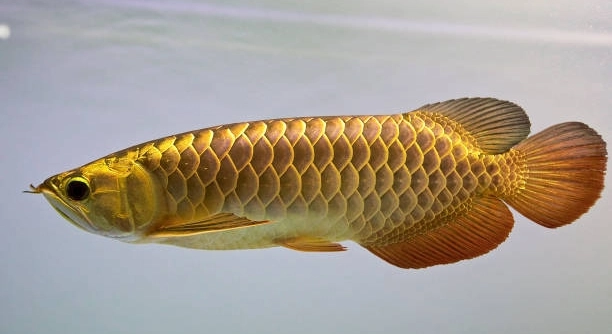
Do you ever find yourself worried that your arowana might leap out of its tank, leaving you stressed about its safety and health?
The most effective way to prevent an arowana from jumping is by ensuring proper tank conditions, secure lids, and stable water parameters. Arowanas often jump due to stress, poor water quality, or sudden environmental changes that trigger their natural instincts.
Learning how to keep your arowana calm and secure will help you create a safer and more peaceful environment for your prized fish.
Use a Secure Tank Lid
Arowanas are strong and agile jumpers, so a secure lid is one of the most important things you can have. Without it, your fish might leap out when startled or chasing prey. Choose a lid made from durable glass or acrylic, and ensure it fits tightly without gaps. Even small openings can lead to accidents. If you’re using a lightweight cover, weigh it down with clips or aquarium-safe locks. Arowanas can be surprisingly forceful, and a loose lid might not hold up. It’s also good to check regularly for wear, cracks, or warping, especially near corners and hinges where the lid takes the most stress. Keeping your arowana safe doesn’t require expensive equipment—just a lid that’s strong and secure enough to stay in place no matter what.
A strong cover also helps keep humidity balanced, reduces water evaporation, and prevents dust or insects from falling into the tank.
Your arowana’s well-being depends on consistent protection, and a reliable lid plays a key role in maintaining both safety and comfort inside its tank. It’s an easy step that many owners overlook, but it’s one of the most effective ways to prevent injury or escape. Making it part of your regular maintenance routine ensures your fish stays where it belongs—safe and thriving underwater.
Maintain Proper Water Conditions
Arowanas can become restless and jumpy if their water quality isn’t stable. Regular testing and maintenance keep them calm and more comfortable.
Keeping the water clean and properly balanced helps reduce stress. Aim to maintain the temperature between 75°F and 82°F with a stable pH around 6.5 to 7.5. Poor water conditions can trigger sudden movements and make your fish feel unsettled. Change about 20–30% of the water weekly to prevent buildup of toxins and waste. Use a good filtration system and clean it regularly to keep everything running smoothly. It’s also helpful to avoid big changes in temperature or chemistry, as fluctuations can make your arowana anxious. If your fish shows signs of distress, such as pacing or refusing food, check the water immediately. A calm environment keeps your arowana less likely to jump and more likely to live a healthy, stable life. Paying attention to these small details can make a big difference in preventing unwanted behavior.
Avoid Sudden Movements Near the Tank
Sudden movements can startle your arowana, causing it to jump out of fear. Move slowly and calmly around the tank, especially during feeding or cleaning. A peaceful environment helps your fish stay relaxed and prevents unnecessary stress.
Arowanas are alert and sensitive to motion. When you approach the tank too quickly, they can perceive it as a threat. Try to feed and maintain your tank on a steady schedule so your fish learns your routine. Avoid loud noises or bright lights near the tank, as these can trigger panic responses. If there are children or pets around, it helps to set boundaries to minimize activity near the aquarium. The goal is to make the area predictable and calm, which keeps your arowana from feeling the need to escape or protect itself.
A consistent, quiet environment supports arowana confidence and stability. Over time, your fish will become more trusting and less reactive to everyday movement. When you build that sense of safety, your arowana spends more time swimming calmly and less time preparing to leap. This small change in how you interact with the tank can make a noticeable difference in your fish’s comfort and security.
Keep Tank Lighting Gentle
Harsh lighting can stress your arowana, leading to restlessness and jumping. Soft, consistent lighting better mimics their natural environment, helping them feel more secure and calm.
Arowanas thrive under gentle illumination that doesn’t change suddenly. Bright or flickering lights can shock them, especially when switching from darkness to light too quickly. Use dimmable LEDs or lights with timers to create gradual transitions between day and night. This helps your fish adjust naturally without panic. Keep the tank out of direct sunlight to prevent glare and temperature spikes. It’s also best to avoid turning lights on or off abruptly. When you manage light gently, your arowana learns to associate it with comfort instead of fear. A calm lighting setup not only prevents jumping but also enhances your fish’s color and overall health.
Provide Enough Swimming Space
Arowanas need plenty of room to swim comfortably. A cramped tank can make them anxious and more likely to jump. Choose a large aquarium, ideally six feet or longer, so your fish can glide freely without feeling restricted or cornered.
A spacious environment reduces stress and keeps your arowana active and content. Overcrowding with decorations or other fish can cause tension, so leave open areas for smooth swimming. Proper space encourages natural behavior, helping your arowana stay relaxed and secure within its surroundings.
Reduce Reflections on the Glass
Strong reflections can confuse your arowana, making it think another fish is invading its territory. This can cause defensive or startled jumps. To fix this, reduce outside light hitting the tank and adjust angles to minimize glare on the glass surface.
Feed Properly and on Schedule
Feeding at regular times helps your arowana feel secure and reduces impulsive movements. Irregular feeding can make it nervous or overly excited, leading to jumps during mealtime. Offer balanced portions, avoid overfeeding, and ensure floating food is appropriate for its diet to maintain stability and calmness.
FAQ
Why does my arowana keep jumping even with a lid?
Even with a secure lid, arowanas may jump if they are stressed, restless, or reacting to reflections and sudden movements. Check water quality, temperature, and pH, and ensure there are no aggressive tankmates or constant disturbances nearby. A calm and stable environment helps reduce jumping.
How big should my arowana tank be to prevent jumping?
Arowanas need long, spacious tanks to swim freely. Ideally, a tank should be at least six feet in length and 30 inches wide. This allows natural movement without feeling cornered. Crowded tanks or too many decorations can make them anxious, increasing the likelihood of jumping.
Can lighting affect my arowana’s jumping behavior?
Yes, harsh or flickering lighting can stress your fish. Use soft, dimmable lights and gradual transitions between day and night. Avoid direct sunlight and sudden changes in lighting. A consistent, gentle light environment reduces stress and discourages sudden leaps from fear or confusion.
Does diet impact arowana jumping?
Feeding irregularly or overfeeding can make arowanas restless. Offer balanced, high-quality food in measured portions on a consistent schedule. Floating foods that match their natural hunting behavior help keep them engaged calmly. Proper feeding routines contribute to a more stable and less jump-prone fish.
Are reflections in the tank a problem?
Yes, reflections can confuse arowanas, making them think another fish is nearby. This can trigger defensive or startled jumps. Reduce reflections by adjusting lighting, adding background covers, or repositioning the tank to avoid direct light hitting the glass.
How often should I check water conditions to prevent jumping?
Regular water monitoring is essential. Test for temperature, pH, ammonia, nitrite, and nitrate levels at least weekly. Keep temperature stable between 75°F and 82°F and pH around 6.5–7.5. Poor water conditions cause stress and can lead to sudden, unpredictable jumping.
Can tank decorations cause jumping?
Yes, overcrowded tanks with sharp or tall decorations may stress your arowana. Provide open swimming space while adding hiding spots carefully. Smooth, low-profile decorations are better. Adequate space encourages calm swimming and reduces impulsive leaping behavior.
Do arowanas jump more when alone or with tankmates?
Both situations can cause jumping. Alone, they may be bored or stressed. Aggressive or fast-moving tankmates can also trigger panic. Maintain an appropriate tank setup, either with enough space to swim alone or compatible companions to reduce stress-induced jumps.
What other measures can prevent jumping?
Along with a secure lid, proper tank size, gentle lighting, regular feeding, and water quality, maintain a consistent routine and reduce sudden noises or movement around the tank. Observing your arowana closely allows you to identify triggers and adjust its environment accordingly, keeping it calm and secure.
Can arowanas injure themselves when they jump?
Yes, jumping can cause serious injuries or even death if they hit hard surfaces or escape the tank. That’s why combining a secure lid, ample swimming space, and a stress-free environment is essential for preventing accidents. Regular observation ensures their safety and health.
Is it normal for juvenile arowanas to jump more than adults?
Yes, younger arowanas are more active and agile, so they tend to jump more frequently. Providing proper tank size, gentle lighting, and safe surroundings helps them adjust as they grow, reducing the frequency of jumps with maturity.
Can temperature fluctuations trigger jumping?
Sudden changes in water temperature can startle arowanas. Keep the tank temperature stable with a reliable heater and thermometer. Avoid placing the tank near air vents or direct sunlight. Stable conditions help your arowana feel secure and less likely to leap out.
Does noise affect jumping behavior?
Loud or sudden noises can trigger panic jumps. Keep the aquarium in a quiet area and avoid banging on or tapping the glass. Background sounds should be consistent and not startling to maintain calm behavior and reduce the risk of jumping.
How can I tell if my arowana is stressed?
Signs of stress include pacing, hiding excessively, refusing food, and erratic movements. Addressing environmental factors like tank size, water quality, lighting, and disturbances can reduce stress. A relaxed arowana is less likely to jump and shows normal, steady swimming behavior.
Can arowanas adapt to indoor tanks to reduce jumping?
Yes, arowanas can adapt with proper care. Gradually stabilize their environment, keep consistent feeding routines, and minimize disturbances. Over time, they become calmer and more confident, significantly reducing the frequency of jumping while maintaining health and natural behavior.
Are there any natural ways to calm arowanas?
Yes, soft lighting, quiet surroundings, stable water conditions, and open swimming space help. Adding gentle currents or smooth, safe décor can mimic natural habitats. A calm and predictable environment promotes relaxation, reducing stress-induced jumps.
Do I need to adjust water hardness or minerals?
Maintaining moderate hardness is helpful. Extreme softness or hardness can stress your arowana. Regular testing ensures mineral balance is within safe levels. Stable water chemistry helps them feel comfortable and less likely to exhibit erratic jumping behavior.
How often should I clean the tank to prevent jumping?
Partial water changes weekly, with careful substrate cleaning and filter maintenance, keep the environment safe. Avoid deep cleanings that disrupt the fish’s surroundings, as sudden changes can trigger jumping. Consistency in cleaning supports a healthy, calm, and less reactive arowana.
Are some arowanas more prone to jumping than others?
Yes, certain species, like silver arowanas, are naturally more active and agile, increasing jump risk. Tailoring tank setup, lid security, and environmental conditions to the species’ needs helps reduce jumping incidents while promoting overall well-being.
Can seasonal changes affect jumping behavior?
Yes, changes in light, temperature, or humidity can stress arowanas, increasing jumps. Adjust indoor tank conditions to maintain stability year-round. Consistent care and monitoring ensure your fish stays comfortable and less reactive despite external seasonal variations.
This FAQ section covers the most common concerns about preventing arowana jumping, helping owners create a safe and stable environment while understanding natural behaviors and triggers.
Arowanas are remarkable fish that require attention and care to thrive in a home aquarium. Preventing them from jumping is a key part of keeping them safe and healthy. Many of the problems that lead to jumping come from stress, poor water conditions, or an unstable environment. By providing a secure tank lid, you can create a physical barrier that prevents accidental escapes. This simple step is often overlooked, but it is essential for the safety of your fish. A lid that fits tightly and is made of durable material ensures that even the most agile arowanas cannot leap out. Checking it regularly for cracks, warping, or loose fittings can make a big difference in keeping your fish safe. Beyond safety, a proper lid also helps maintain stable water conditions, reducing evaporation and keeping the tank cleaner.
Another important aspect is maintaining a calm and stable environment. Arowanas are sensitive to sudden movements, loud noises, and bright lighting, all of which can trigger jumping. Using gentle, consistent lighting and keeping sudden disturbances to a minimum helps your fish feel secure. Providing enough swimming space is equally important. Arowanas are active and need a tank long enough for them to glide without feeling restricted. Overcrowded tanks with too many decorations or aggressive tankmates can cause anxiety, leading to stress-induced jumps. Monitoring water quality, temperature, and pH on a regular schedule also helps keep your arowana calm. Clean water and stable conditions reduce stress and support overall health, making your fish less likely to engage in risky jumping behavior.
Feeding and routine care play a key role in preventing jumping as well. A consistent feeding schedule with appropriate portions helps your arowana feel secure and reduces overexcitement. Providing balanced food and avoiding sudden changes in diet prevents restlessness. Observing your fish regularly allows you to notice early signs of stress, such as pacing or erratic swimming, and address potential problems before they lead to jumping. Small adjustments, like reducing reflections on the glass or avoiding sudden temperature changes, can significantly improve comfort. Overall, a combination of a secure lid, ample space, stable water conditions, gentle lighting, and consistent feeding creates an environment where your arowana can thrive safely. Taking these steps not only prevents jumping but also promotes long-term health, confidence, and comfort for your fish in its home aquarium.
Word count: 408

Hello,
If you enjoy the content that we create, please consider saying a "Thank You!" by leaving a tip.
Every little bit helps us continue crafting quality advice that supports the health, happiness, and well-being of pets around the world, for pets of all shapes, sizes, and species.
We really appreciate the kindness and support that you show us!