
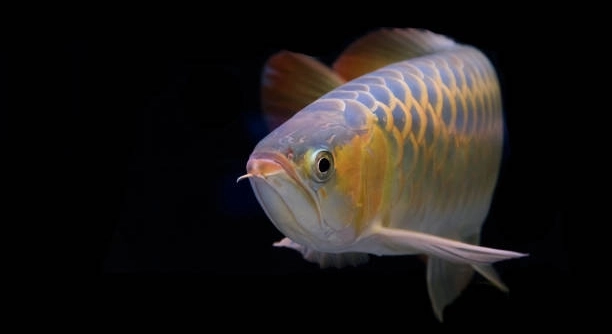
Have you ever noticed your arowana acting shy, slowly backing away each time you come near the tank? It can feel confusing and even a little worrying when your usually confident fish suddenly becomes distant.
The primary reason an arowana backs away when approached is stress or fear, often caused by sudden movements, unfamiliar surroundings, or insufficient tank conditions. Environmental changes and lack of trust can trigger cautious or defensive behavior in these sensitive fish.
Understanding these causes can help you create a calmer environment, strengthen your bond, and ensure your arowana feels more secure in your presence.
Understanding Your Arowana’s Behavior
Arowanas are known for their majestic presence and sharp awareness. When one starts backing away, it’s often a sign that something in its surroundings feels off. These fish are highly sensitive to changes, whether it’s new decorations, lighting, or even the way someone approaches the tank. Sudden movements can easily startle them, especially if they haven’t developed trust with their owner. An arowana may also feel threatened if the tank is too small or lacks proper hiding spots. Understanding these behaviors helps you notice when your fish is stressed or uncomfortable, allowing you to respond calmly and effectively. Over time, patience and consistency will help your arowana feel more secure and less fearful when you approach.
It’s important to remember that every arowana has its own personality. Some are naturally more cautious and will take longer to adapt to their environment or to human presence.
Arowanas communicate through movement, and backing away doesn’t always mean aggression. Sometimes it’s simply a way of maintaining personal space. Observe your fish carefully and pay attention to its patterns—does it retreat every time, or only under specific conditions? Keeping a record of when this happens can help identify possible stressors, such as loud noises or tank disturbances. By learning what makes your arowana uneasy, you’ll be able to make thoughtful adjustments that encourage comfort and trust. Creating a peaceful environment where your fish feels safe will reduce fear-based reactions over time.
Creating a Calmer Environment
A stressed arowana will often show more than just avoidance behavior—it might refuse food or become jumpy and restless.
To make your arowana feel safer, start by maintaining a stable environment. Keep the lighting consistent and avoid tapping on the glass. When approaching the tank, move slowly so your fish can recognize you as non-threatening. Ensure the tank is large enough, as arowanas need plenty of swimming space to feel at ease. Decorations like driftwood and plants can provide comfort, giving them a sense of territory and security. Regular maintenance, including clean water and balanced parameters, is essential to reduce stress. Feeding routines should be predictable, with high-quality food that keeps them healthy and active. Over time, your consistent and gentle presence will help your arowana associate you with safety rather than fear. Building trust takes patience, but once established, your fish will respond more calmly when you approach.
Building Trust with Your Arowana
Consistency is key when helping your arowana feel comfortable. Approach the tank gently and keep your movements calm. Avoid sudden gestures or loud noises near the tank, as these can cause unnecessary stress and make your fish retreat.
Feeding can be a great way to build trust. Try hand-feeding once your arowana becomes familiar with your presence, but only when it shows signs of comfort. Start by staying close during feeding times until it learns to associate you with food. Over time, it will begin to recognize you as safe and predictable. Keep interactions short at first, allowing your fish to adjust gradually. Maintaining a steady routine also helps your arowana feel secure, as it learns what to expect daily. Building trust takes time, but it strengthens the bond between you and your fish, resulting in calmer behavior overall.
An arowana’s comfort often depends on the energy around its habitat. If you remain calm and patient, your fish is more likely to mirror that behavior. Avoid rearranging the tank too often, as this can cause confusion and stress. Providing steady conditions helps your arowana recognize its space as safe. Over time, it will associate your presence with stability rather than fear. This consistency makes a huge difference in reducing defensive behavior and encouraging curiosity instead.
Signs Your Arowana Feels Secure
A relaxed arowana moves gracefully through the water, with smooth, fluid motions. Its fins remain open, and it reacts to your presence without sudden darting or retreating. Eating regularly and exploring its surroundings are also clear signs of comfort and trust.
When your arowana feels secure, it may even approach you willingly during feeding or observation times. A calm, alert posture means it recognizes you as part of its daily routine, not a threat. Stable behavior also includes steady breathing and normal coloration. On the other hand, erratic movements, faded colors, or prolonged hiding can suggest ongoing discomfort. By paying attention to these signals, you can easily tell when your efforts are working. A confident arowana reflects a well-maintained environment and patient care, showing that trust has been successfully built through gentle interaction and consistency.
Common Mistakes to Avoid
One common mistake is approaching the tank too quickly or tapping on the glass. These actions can easily frighten your arowana, making it associate your presence with danger instead of safety, which leads to avoidance or defensive behavior.
Another mistake is frequently changing the tank layout or lighting. Arowanas rely on familiarity to feel secure, and sudden changes can disrupt their comfort. Keeping the environment stable allows your fish to adapt and build confidence over time, helping it respond more calmly when approached.
When to Worry About Behavior Changes
If your arowana continues backing away even after consistent care, it may be experiencing deeper stress or illness. Look for symptoms like loss of appetite, fading colors, or irregular swimming patterns. These could point to poor water quality, infection, or environmental discomfort. Test the water regularly, ensuring proper temperature and pH balance. Poor filtration or overcrowding can also contribute to unease. If these adjustments don’t help, consult an aquatic specialist for advice. Early intervention prevents further stress and ensures your arowana’s well-being.
Encouraging Positive Interaction
Patience is the most effective tool for improving your arowana’s response. Gentle movements, consistent care, and quiet surroundings encourage trust. Over time, your fish will begin to associate you with comfort, leading to more confident and peaceful interactions near the tank.
FAQ
Why does my arowana suddenly act scared when I come near the tank?
A sudden fearful reaction is often caused by quick movements, loud sounds, or recent environmental changes. Arowanas are naturally cautious, and anything unfamiliar can trigger a defensive response. If you’ve rearranged the tank, added new equipment, or changed lighting, your fish might need time to adjust. Move slowly and maintain a calm presence each time you approach. Consistency helps your arowana recognize that it’s safe, and over time, these reactions will lessen.
Can my arowana recognize me as its owner?
Yes, arowanas can learn to recognize familiar faces and routines. They often associate people with feeding times and comfort once trust is built. If you maintain a consistent schedule and approach calmly, your arowana will begin to recognize you as a safe presence. This recognition usually shows through relaxed swimming and less retreating when you come near the tank.
Is it normal for my arowana to hide often?
Frequent hiding can indicate stress, but it can also be normal if the environment feels too exposed. Adding plants, driftwood, or structures gives your arowana places to feel secure. Over time, as your fish becomes more comfortable, it will spend less time hiding and more time exploring.
How can I tell if my arowana is stressed?
Stress in arowanas can show in different ways—backing away, clamped fins, faded color, or refusal to eat. Rapid breathing and darting movements are also common signs. Checking the water parameters, ensuring stable lighting, and maintaining a peaceful environment can greatly reduce stress levels.
What role does water quality play in my arowana’s behavior?
Water quality is one of the most important factors affecting an arowana’s comfort. Poor conditions can cause both physical stress and behavioral changes. Keep ammonia and nitrate levels balanced, and perform regular water changes. Clean, stable water helps your fish stay calm and healthy, making it more responsive and less fearful.
Should I try to touch or hand-feed my arowana?
It’s best to avoid physical contact, especially at first. Arowanas can become stressed by direct touch. If you want to try hand-feeding, wait until your fish approaches willingly and appears calm. Begin by holding food close to the water surface, allowing it to associate your presence with something positive.
What should I do if my arowana refuses to eat after being startled?
Give it time. Stress can temporarily affect appetite. Keep feeding times consistent and avoid adding stressors like tank cleaning or loud noises during this period. If your fish still refuses food after several days, check the water parameters and temperature, as imbalance can also reduce appetite.
Can tankmates affect my arowana’s comfort level?
Yes, aggressive or overly active tankmates can make your arowana anxious. Since these fish are territorial, it’s best to choose calm and compatible species. If your arowana constantly backs away or shows signs of tension around other fish, consider separating them to reduce stress.
Why does my arowana sometimes jump out of the tank?
Jumping is a natural behavior often triggered by fear, poor water quality, or sudden noise. It can also happen if the fish feels threatened or disoriented. Ensure your tank has a secure lid, stable conditions, and enough space to minimize stress-related jumping.
Can lighting affect my arowana’s mood?
Yes, lighting plays a big role. Too much brightness or inconsistent light cycles can make your fish uneasy. Aim for moderate, steady lighting and avoid direct glare. Arowanas thrive under stable conditions that mimic natural light patterns, which helps them feel more relaxed.
How long does it take for an arowana to get used to its new environment?
Adjustment time varies, but it often takes a few weeks for an arowana to fully settle. During this period, keep the tank quiet and avoid unnecessary changes. As your fish becomes familiar with its surroundings, its confidence and comfort will gradually increase.
Why does my arowana seem to fear me even after months of care?
Some arowanas are naturally timid, especially if they were stressed early in life. Continue to interact gently, avoid fast movements, and maintain consistent feeding routines. With patience, even cautious fish often warm up to their owners, but it can take longer for some individuals.
Is it normal for my arowana to act differently at night?
Yes, arowanas can behave more cautiously when lighting is dim or off. Reduced visibility may make them uneasy, especially if shadows or reflections move across the tank. Using a soft night light can help them feel secure during darker hours.
What happens if my arowana remains stressed for too long?
Prolonged stress can weaken the immune system, leading to illness and poor appetite. Behavioral signs like hiding, darting, or backing away may persist. It’s important to identify the cause—such as poor water quality or lack of space—and correct it quickly. A calm environment encourages recovery.
Can music or background noise calm my arowana?
Low, steady sounds can sometimes help create a consistent environment, but loud or sudden noises will do the opposite. Keeping the area around the tank peaceful is best. Stability in sound, light, and movement helps your arowana stay relaxed and confident.
How can I strengthen the bond with my arowana?
Spend time near the tank daily, keeping your movements gentle. Feed your fish on schedule and maintain steady conditions. Over time, your arowana will connect your presence with food and safety. This consistent care builds familiarity, trust, and eventually a calmer, more confident response when approached.
Final Thoughts
Caring for an arowana requires patience, observation, and a calm approach. These fish are known for their sensitivity and intelligence, which means they easily pick up on changes in their environment or in your behavior. When an arowana backs away as you approach, it is usually reacting out of fear, uncertainty, or discomfort. This response doesn’t mean your fish dislikes you—it’s simply protecting itself. By paying attention to its signals, you can better understand what’s causing this behavior and take steps to make your fish feel safe again. Small details, such as how quickly you move near the tank or the lighting conditions, can greatly influence your arowana’s comfort level. Consistency, gentleness, and awareness go a long way toward building trust and reducing stress.
Creating a stable environment is just as important as your daily interactions. Water quality, temperature, and tank space all play major roles in your fish’s mood and behavior. Arowanas need clean, well-maintained water and plenty of room to swim freely. A cluttered or undersized tank can make them feel confined and defensive. Maintaining a calm environment—both inside and outside the tank—will help them feel secure. Avoid sudden noises, limit changes in decoration, and keep lighting steady. Over time, your arowana will begin to associate your presence with calm and safety rather than fear. You’ll notice that it becomes more curious, moves with smoother motions, and may even approach you during feeding. This shows trust, and it’s a clear sign that your consistent care is making a difference.
Understanding your arowana’s behavior takes time, but it’s deeply rewarding. Each fish has its own personality and comfort level, so patience is key. The more you observe and adapt, the more connected you’ll become with your fish. When handled thoughtfully, your relationship with your arowana can grow into something peaceful and steady. Watching it swim confidently instead of retreating is a sign of true comfort. The process may feel slow at first, but progress happens in small, consistent moments of care. In the end, helping your arowana feel secure isn’t just about managing fear—it’s about creating a balanced space built on trust and understanding. A calm, confident arowana is a reflection of the calm and consistent care you provide every day.

Hello,
If you enjoy the content that we create, please consider saying a "Thank You!" by leaving a tip.
Every little bit helps us continue crafting quality advice that supports the health, happiness, and well-being of pets around the world, for pets of all shapes, sizes, and species.
We really appreciate the kindness and support that you show us!