
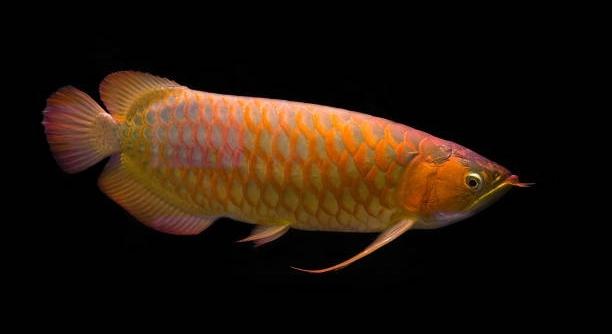
Arowana are fascinating fish that require time to adjust to new environments. Observing their early behavior can give clues about how well they are adapting to their tank and surroundings.
Arowana typically show signs of settling in through consistent swimming patterns, exploring the tank without stress, feeding regularly, and interacting calmly with their environment. These behaviors indicate acclimation and comfort in their new habitat.
Recognizing these behaviors early helps ensure your arowana remains healthy and comfortable in its tank, supporting a long and thriving life.
Exploring the Tank Calmly
Arowana that are settling in often swim around the tank with confidence. At first, they may stick to corners or hide behind decorations, but gradually, they begin to glide through open spaces without hesitation. This shift in behavior shows that they are becoming comfortable and understanding their surroundings. Watching them explore can be quite satisfying because it signals that stress levels are decreasing. They may pause near plants or rocks, inspecting each area carefully. This is a sign they are curious yet secure. Over time, their swimming patterns become more fluid, and they start using the entire tank instead of staying confined to one section. Consistent, calm movement without frantic bursts or erratic swimming is a strong behavioral clue that an arowana feels settled. Regular observation helps you notice these subtle changes, making it easier to respond appropriately to their needs and maintain a stable environment that encourages comfort and security.
Swimming with confidence and curiosity shows your arowana is adjusting well. They move freely without hesitation.
These calm explorations signal that your arowana feels safe. When arowana begin inspecting every corner, they are learning their tank’s layout and becoming familiar with its features. This behavior also helps them establish territories and feel secure, which reduces stress and promotes healthy activity. Over time, these movements become smoother, showing that your fish is adapting naturally.
Regular Feeding Response
Settling arowana will respond promptly to feeding times and show interest in food.
Arowana that are comfortable in their environment display consistent appetite and approach food without hesitation. They may even anticipate feeding times, swimming closer to the area where food is usually offered. This behavior indicates that they recognize routine and feel safe enough to eat regularly. Some may even accept food from feeding tools or fingers, demonstrating trust and acclimation. Variations in appetite can signal discomfort or stress, so monitoring feeding behavior is crucial. Consistent eating also supports overall health, energy levels, and growth, which are all positive indicators of a settled fish. Arowana that feed confidently are more likely to explore and interact with their surroundings throughout the day. Feeding patterns give a direct window into their adjustment progress and help you gauge their comfort level reliably. Over time, these behaviors solidify, confirming that your arowana has adapted successfully to its new home and is thriving.
Interacting with Tankmates
Arowana that are settling in usually show calm behavior around other fish. They swim without aggression and maintain a comfortable distance, avoiding sudden attacks or dominance displays.
Observing your arowana with its tankmates can provide clear signs of comfort. A fish that feels secure will move through shared spaces without chasing or bullying smaller species. They may occasionally show curiosity but quickly return to their routine swimming patterns. Calm interactions also suggest that territorial boundaries are being respected, reducing stress for all inhabitants.
Over time, a settled arowana will integrate smoothly, showing balanced behavior during feeding and swimming. They learn to coexist without constant displays of aggression or fear. This adjustment is important for maintaining harmony in the tank and ensuring that each species can thrive without unnecessary conflict. Consistency in behavior shows that the fish feels secure in its environment.
Resting and Hiding Patterns
Arowana that are adapting tend to rest in familiar areas and use hiding spots appropriately. They do not remain hidden all the time but return when needed.
Resting and hiding are natural behaviors that indicate comfort. A well-adjusted arowana will choose safe spaces to relax but still emerge to swim or feed. They balance activity with quiet periods, showing confidence in the tank’s security. Regular resting in consistent spots suggests that the fish feels stable and can predict its surroundings.
Monitoring these patterns helps ensure your arowana’s well-being. Fish that use hiding spots effectively avoid stress while remaining active during the day. Gradually, their resting habits become predictable, reflecting adaptation. They may spend nights or quieter periods in shelters and return to open areas during feeding or exploration. Proper hiding and resting behavior indicates that your arowana trusts its environment, understands its safety zones, and maintains a healthy balance between activity and relaxation.
Adjusting to Tank Lighting
Arowana that are settling in respond calmly to tank lighting changes. They do not dart or hide excessively when lights are turned on or off.
Gradual adjustment to lighting is a good sign. A fish that tolerates day and night cycles without stress shows comfort in its environment.
Smooth Swimming Patterns
Arowana that are adapting develop steady, fluid swimming movements. They glide through the tank without sudden bursts or erratic turns. This behavior demonstrates comfort and familiarity with their space. Over time, these smooth patterns indicate that the fish is relaxed, confident, and fully acclimated to its surroundings, using the entire tank naturally.
Observing Breathing Rates
Normal and consistent breathing is a key sign that your arowana is at ease. Rapid or irregular gill movement may indicate stress or discomfort, so stable rates reflect proper acclimation.
FAQ
How can I tell if my arowana is fully settled in its tank?
A fully settled arowana will swim smoothly throughout the tank, eat consistently, interact calmly with other fish, and use hiding spots appropriately. You may notice it exploring all corners without hesitation and showing confidence during feeding. Regular, calm behavior across multiple days is a clear sign of full acclimation.
Why does my arowana hide a lot during the first week?
Hiding is normal when arowana are adjusting. They feel safer in covered areas while learning the tank layout. As they grow more comfortable, they spend more time swimming openly and returning to hiding spots only for rest or brief retreats.
Is it normal for arowana to swim near the surface constantly?
Yes, initially, arowana may stay near the surface while adjusting. This behavior often reflects curiosity, observation, and monitoring of their environment. Over time, a well-settled arowana will use the entire tank, including mid-level and bottom areas, showing confidence and adaptation.
What are signs of stress in a new arowana?
Stress signs include rapid gill movement, erratic swimming, refusal to eat, and excessive hiding. Color changes or rubbing against tank objects can also indicate discomfort. Observing these behaviors early allows you to adjust water quality, tank setup, or feeding schedules to help the fish settle.
How long does it usually take for arowana to settle?
Most arowana begin showing signs of comfort within 1–2 weeks, but full adjustment can take several weeks depending on tank size, water quality, and environmental stability. Patience and consistent care are essential during this period.
Can tankmates affect arowana settling in?
Yes, aggressive or overly active tankmates can slow acclimation. Peaceful, compatible fish encourage confidence and reduce stress. Monitoring interactions and separating fish if needed ensures a safe environment for your arowana to adapt comfortably.
Should I change the water immediately after adding a new arowana?
Frequent water changes right after introducing a new arowana can increase stress. Make sure the tank is stable and maintain proper filtration. Gradual water changes, along with consistent temperature and pH levels, support a smoother acclimation process.
Does feeding behavior indicate comfort?
Yes, a settled arowana shows consistent appetite and approaches food without hesitation. Feeding patterns reveal comfort level and trust in the environment. Sudden refusal to eat may indicate stress, illness, or environmental issues that need attention.
Are arowana social with humans once settled?
Some arowana can become accustomed to human presence, swimming near the tank or accepting food from feeding tools. While each fish has its personality, calm interactions reflect trust and comfort in the environment, signaling successful adaptation.
What can I do to help arowana settle faster?
Maintain stable water conditions, provide adequate space, and include hiding spots. Avoid sudden changes in light, temperature, or tank decor. Feed on a regular schedule and minimize disturbances. Patience and observation help you understand the fish’s behavior and promote faster acclimation.
How can I monitor subtle signs of settling?
Watch for fluid swimming, curiosity without stress, regular feeding, and calm interactions with tankmates. Check breathing rates and resting patterns. Keeping a daily log or notes can help you notice gradual improvements and detect any early warning signs.
Is it normal for arowana to test boundaries in a new tank?
Yes, they may explore aggressively at first to understand the environment. This behavior usually decreases as they become familiar with the tank layout and feel secure. Gradual reduction in boundary-testing is a sign of successful settling.
Can lighting affect settling behavior?
Lighting can impact stress levels. Too bright or sudden light changes may cause hiding or erratic swimming. Gradually acclimating your arowana to normal tank lighting supports smooth adjustment and helps maintain consistent daily routines.
How often should I observe my new arowana?
Regular observation, at least once or twice daily, helps track behavior and health. Short, consistent checks minimize stress while giving you valuable insight into swimming patterns, feeding habits, and interactions with tankmates. Early detection of issues supports long-term well-being.
What should I do if my arowana refuses to eat for several days?
Refusal to eat can indicate stress, illness, or unsuitable conditions. Check water quality, temperature, and tankmates. Offer familiar foods and reduce disturbances. If the issue persists, consult a veterinarian experienced with ornamental fish. Prompt attention prevents complications and ensures recovery.
How important is tank size for settling?
Tank size is critical. Arowana require ample swimming space to feel secure. Smaller tanks can cause stress and limit natural behavior. Providing a tank that accommodates their adult size supports confidence, healthy activity, and successful acclimation.
Can water movement affect arowana adaptation?
Yes, strong currents may stress a new arowana. Gentle, consistent water flow is ideal. Too much turbulence can lead to erratic swimming and hesitation. Gradually increasing water movement helps the fish adjust without overwhelming it, supporting calm and confident behavior.
How do I know if hiding spots are effective?
Effective hiding spots are used regularly without causing isolation. A fish that retreats briefly but returns to open swimming demonstrates balance. Multiple locations encourage exploration and comfort, reducing stress while promoting natural resting and sheltering behavior.
Does feeding schedule consistency matter?
Yes, predictable feeding times help arowana feel secure. Inconsistent schedules can increase stress and reduce appetite. Maintaining routine supports acclimation and encourages the fish to establish confidence in its environment, gradually showing settled behavior across the tank.
How can I tell if my arowana trusts its environment?
Signs of trust include regular exploration, confident swimming, consistent feeding, and calm interaction with tankmates. Reduced hiding, normal breathing, and predictable resting patterns also indicate that your fish feels safe and fully adapted.
This FAQ section provides clear guidance on behavioral signs, environmental adjustments, and care practices to ensure your arowana settles comfortably and remains healthy in its tank.
Final Thoughts
Observing your arowana closely during its early days in a new tank is essential for understanding how well it is settling in. Fish, especially sensitive species like arowana, need time to adjust to unfamiliar surroundings. Their behavior reflects comfort, stress, or curiosity, and small changes can tell you a lot about their well-being. Calm swimming, consistent feeding, and appropriate use of hiding spots are all positive signs. When these behaviors become routine, it shows that the fish is adapting successfully. Paying attention to these details allows you to provide the right care and make adjustments if something seems off, ensuring that your arowana thrives in its environment.
Creating a stable environment is one of the most important factors in helping an arowana feel secure. Proper water conditions, lighting, tank size, and compatible tankmates all play a role in how quickly your fish acclimates. Sudden changes in temperature, water flow, or feeding schedule can increase stress and delay settling. Consistency is key. By maintaining a calm and predictable tank environment, your arowana can explore confidently and establish normal routines. Observing its interaction with the surroundings, including resting areas and hiding spots, also helps you understand its comfort level. A balanced environment not only supports physical health but also encourages natural behaviors that reflect emotional well-being.
Patience and regular monitoring are crucial when caring for a new arowana. Some fish settle quickly, while others may take several weeks to fully adapt. It’s important not to rush the process or overreact to minor behaviors that seem unusual at first. Gradual improvements, like smoother swimming, consistent appetite, and calm social interactions, indicate progress. Keeping a log of behaviors can help track changes and detect potential issues early. By observing carefully and providing a stable, supportive environment, you give your arowana the best chance to feel secure and thrive. This careful attention to behavior, routine, and environment ensures a long, healthy, and stress-free life for your fish, while also allowing you to enjoy the rewarding experience of watching it grow and adapt naturally.

Hello,
If you enjoy the content that we create, please consider saying a "Thank You!" by leaving a tip.
Every little bit helps us continue crafting quality advice that supports the health, happiness, and well-being of pets around the world, for pets of all shapes, sizes, and species.
We really appreciate the kindness and support that you show us!