
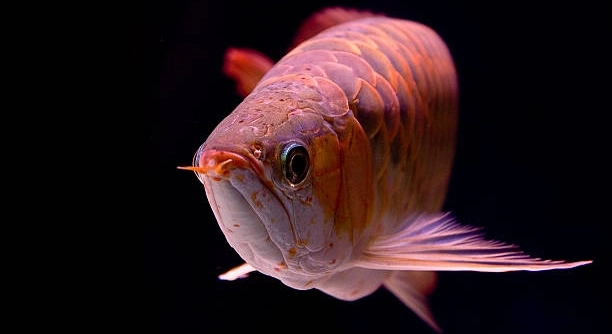
Have you ever caught your arowana staring at you from its tank, its eyes following your every move across the room? Watching this graceful fish react can be both fascinating and a little mysterious.
Arowanas do show interest in human movement due to their strong visual senses and territorial instincts. Their awareness of motion outside the tank often leads to them following people, associating movement with feeding or environmental changes that capture their attention.
Understanding why your arowana reacts this way can deepen your connection with it and help you create a more engaging environment.
Why Arowanas React to Movement
Arowanas are known for their sharp vision and alert nature, often reacting to even the smallest movements outside their tank. This behavior is rooted in their instincts as surface predators, constantly scanning for potential prey or threats. In the wild, they leap to catch insects and small animals, so movement easily draws their attention. When kept in aquariums, this natural instinct remains strong, causing them to focus on any motion nearby—especially if it comes from their owner. They quickly learn to associate certain movements, like approaching the tank, with feeding time or interaction.
Sometimes, this reaction may seem like curiosity or recognition, but it is often instinctive rather than emotional. However, frequent exposure to calm, predictable movement helps arowanas feel more at ease and secure in their environment.
Understanding this behavior can help you interact with your arowana in a way that feels comfortable and natural for both of you.
Building a Comfortable Environment
Arowanas thrive best when their surroundings feel stable and familiar. Quick or sudden movements near the tank can startle them, leading to stress or defensive reactions. Keeping activity calm around their space helps them stay relaxed.
Creating a comfortable environment involves more than just clean water and proper feeding. Arowanas benefit from a tank setup that mimics their natural habitat—ample swimming space, minimal distractions, and gentle lighting. Placing the tank in a low-traffic area can reduce overstimulation, especially for younger fish still adjusting to human presence. You can also establish a routine for feeding and maintenance, as predictable behavior makes them feel secure. Over time, your arowana may become accustomed to your presence and respond with calm awareness instead of alarm. This not only supports their emotional well-being but also strengthens the bond between you and your fish, allowing you to enjoy their graceful nature without causing unnecessary stress.
Recognizing Your Arowana’s Behavior
Arowanas often express themselves through body language. When relaxed, they glide smoothly across the tank with steady fin movements. Rapid swimming, sudden turns, or hiding, on the other hand, may signal discomfort or overstimulation caused by movement or noise nearby.
Observing these behaviors regularly helps you understand what makes your arowana uneasy or calm. If your fish frequently follows your movements, it might be associating you with food or observing out of curiosity. On the contrary, flaring fins or aggressive swimming can mean it feels threatened or overstimulated. Subtle changes in posture and swimming rhythm can reveal much about its mood and comfort level. Paying attention to these cues allows you to adjust your actions and the environment around the tank to create a balanced atmosphere that supports both your fish’s mental comfort and physical health.
Over time, your arowana’s behavior will become more predictable as it adapts to your presence and routine.
Encouraging Positive Interaction
Encouraging gentle interaction begins with patience. Avoid sudden gestures near the tank and allow your arowana to approach you first. Calm, consistent movements and a soft tone when feeding can help it recognize you as part of its daily routine rather than a threat.
As your arowana becomes more familiar with your presence, it may follow you with relaxed, fluid movements instead of quick darting. You can reinforce this calm behavior by maintaining consistency—feeding at the same time each day and keeping noise levels low. Avoid tapping on the glass or making fast movements that can startle the fish. Instead, stand or sit quietly by the tank for short periods, letting your arowana adjust naturally. Over time, this trust-building process will strengthen the connection between you and your fish, making interactions feel smoother and more rewarding for both of you.
Signs of Stress in Arowanas
Stress in arowanas often shows through erratic swimming, refusal to eat, or rubbing against tank surfaces. These signs can appear when the fish feels threatened by movement, loud noise, or sudden changes in its environment.
Another indicator is color fading or frayed fins, which often signal ongoing anxiety. When an arowana feels constantly disturbed, its health may decline, and its natural behavior becomes less expressive.
Helping Your Arowana Feel Safe
Keeping your arowana calm begins with stability. Maintain consistent lighting, feeding schedules, and water conditions to reduce unnecessary stress. If your fish reacts strongly to movement, create visual barriers or place the tank away from busy areas. Adding floating plants can also provide a sense of security. Routine observation helps identify early signs of discomfort, allowing you to respond before stress escalates. When your arowana feels secure, it behaves more naturally and interacts more peacefully with its surroundings, making tank life balanced and harmonious.
When to Seek Expert Advice
If stress behaviors continue despite adjustments, consulting an aquatic specialist is important. Persistent issues may indicate underlying health or environmental problems that need professional care.
FAQ
Do arowanas enjoy human interaction?
Arowanas do not form attachments like mammals, but they can recognize and respond to regular movement near their tank. Repeated, calm presence often leads to the fish following your motions and seeming more aware of your activities. This interaction is instinctual, often tied to curiosity or the anticipation of feeding.
Why does my arowana follow me around the room?
Following behavior is linked to their visual alertness and territorial instincts. In captivity, your fish associates movement with possible food or environmental changes. This behavior is normal and shows that your arowana is attentive and reacting to stimuli in its environment.
Can watching me stress my arowana?
Yes, sudden or constant movement near the tank can stress an arowana. Signs include rapid swimming, hiding, loss of appetite, or flaring fins. Minimizing abrupt motions and loud noises around the tank helps the fish remain calm and secure.
How can I make my arowana comfortable around me?
Keep a predictable routine for feeding and maintenance. Stand quietly by the tank without sudden gestures, and use slow, steady movements when near the fish. Visual barriers, floating plants, and placing the tank in a low-traffic area also help the arowana feel safe.
Do arowanas recognize their owners?
Arowanas do not recognize humans in the way pets like dogs or cats do. They respond to repeated visual cues and movement patterns rather than forming personal attachments. Over time, your presence becomes associated with food and activity, which explains why they may follow you around.
Why does my arowana seem aggressive when I move?
Aggression can be a defensive reaction. Arowanas are territorial fish, and sudden movements may trigger instinctive displays such as flaring fins or chasing perceived intruders. Reducing abrupt motions and keeping a calm presence can reduce these reactions.
Does feeding impact their attention to me?
Yes, feeding strongly reinforces the behavior of following movement. Arowanas quickly link motion outside the tank with food, which makes them more likely to watch and track you. Maintaining consistent feeding times helps manage their attention without causing over-excitement.
Can arowanas get bored?
Arowanas are intelligent and can become restless in unstimulating environments. Providing space, objects to swim around, and occasional changes to tank layout can keep them engaged. Interaction with your presence also offers mental stimulation when done calmly.
How much movement is too much near the tank?
Frequent sudden gestures or constant activity can overwhelm your arowana. Limit fast motion around the tank, especially during sensitive times like after feeding or water changes. Observing the fish’s behavior helps you determine when it is comfortable or overstimulated.
Are there health issues linked to watching people?
Watching people itself is not harmful, but stress from excessive movement or environmental instability can lead to health problems like loss of appetite or weakened immunity. Keeping a consistent routine, calm surroundings, and adequate space helps maintain both mental and physical health.
What signs show my arowana is comfortable?
Calm swimming, steady fin movement, regular eating, and relaxed posture indicate comfort. If your arowana follows movement slowly and without flaring fins, it is likely at ease with your presence. Gradual, consistent interactions reinforce this positive behavior.
Can I train my arowana to respond to me?
Training is limited to conditioning responses, mainly through consistent feeding and routine. Over time, the fish may follow your motions or recognize feeding patterns, but it will not form personal attachment. Consistency and patience are key to reinforcing these responses.
How do I reduce stress if my arowana reacts to me?
Move slowly near the tank, avoid tapping the glass, and keep surrounding noise low. Adding plants or decorations provides hiding spaces, and placing the tank in a quiet, low-traffic area reduces overstimulation. These steps help your arowana feel secure while observing human activity.
Can tank setup influence their behavior?
Yes, tank size, layout, lighting, and decoration all affect behavior. A roomy tank with open swimming areas and visual breaks reduces stress. Floating plants or background visuals can distract and calm the fish while allowing them to watch movement without feeling threatened.
Is it normal for arowanas to stare at people for long periods?
Yes, this is a common behavior. The fish is either observing movement, anticipating food, or monitoring its territory. Long periods of watching are not harmful if the tank environment is comfortable and the fish shows no signs of stress.
How do I balance observation and stress?
Provide calm, predictable routines, avoid sudden movements, and allow visual breaks in the tank. Encourage interaction in short, gentle sessions. Observing your arowana becomes enjoyable when it is relaxed, reducing the risk of stress while maintaining engagement.
This FAQ covers the main questions about how arowanas interact with human movement and provides practical ways to keep your fish calm and engaged, supporting both mental and physical well-being.
Word count: 513
Arowanas are fascinating fish that respond to their surroundings in ways that reveal their natural instincts. Watching them follow movements outside their tank is often a mix of curiosity and learned behavior. They notice changes, movements, and patterns because they are alert predators, even in captivity. Their sharp eyesight and awareness make them attentive to what is happening around them, which can make their reactions seem personal or thoughtful. This behavior is not unusual; it reflects their natural survival instincts. Over time, you may notice your arowana becoming more accustomed to your presence and reacting more calmly, especially if your movements are consistent and predictable. Understanding these instincts helps create an environment where the fish can feel secure, while also allowing you to enjoy observing its natural responses without causing unnecessary stress.
Creating a comfortable environment is essential for the well-being of your arowana. Factors like consistent feeding schedules, calm movement around the tank, and minimal sudden disturbances contribute to a more relaxed fish. Tank setup plays a role too—ample swimming space, decorations for visual breaks, and moderate lighting can reduce stress. Floating plants or visual barriers allow the fish to observe activity without feeling threatened, giving it the choice to hide or explore. Consistency is key because arowanas are sensitive to change. By keeping routines predictable and the environment stable, your fish learns to feel secure, and interactions become more peaceful. The calmer your arowana is, the more natural its behavior will appear, and you can appreciate its unique personality without worrying about negative reactions.
Patience and observation are the most effective ways to understand your arowana. By paying attention to its swimming patterns, posture, and reactions, you can determine what it finds comfortable or stressful. Gradual exposure to human presence, combined with a well-maintained tank, ensures the fish remains healthy and confident in its environment. Remember, an arowana’s attention to movement is not a sign of affection in the human sense but rather a mix of instinct, learned behavior, and curiosity. Appreciating this allows you to interact thoughtfully and minimize stress. By respecting these needs and creating a stable, engaging environment, you support the fish’s health and enjoy a closer understanding of its behavior, making the experience of keeping an arowana both rewarding and enriching.
Word count: 407

Hello,
If you enjoy the content that we create, please consider saying a "Thank You!" by leaving a tip.
Every little bit helps us continue crafting quality advice that supports the health, happiness, and well-being of pets around the world, for pets of all shapes, sizes, and species.
We really appreciate the kindness and support that you show us!