
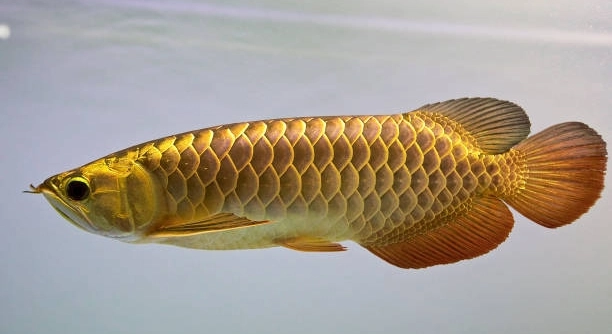
Arowanas are majestic fish known for their graceful movements and striking appearance. Observing them closely reveals subtle behaviors that often go unnoticed. These fish respond to changes in their environment in unique ways, including new scents introduced into their tank.
Arowanas react to new scents primarily through cautious investigation and changes in swimming patterns. They may approach or avoid the source, exhibit increased alertness, or display subtle fin and body movements. These responses reflect their natural curiosity and territorial instincts.
Understanding these behaviors helps aquarists create a more comfortable environment for their arowanas and maintain their overall well-being and natural instincts within the aquarium.
How Arowanas Detect Scents
Arowanas rely heavily on their sense of smell to interpret their surroundings. Their olfactory organs allow them to detect chemical changes in the water, which helps them identify food, other fish, or potential threats. When a new scent is introduced, an arowana may swim slowly toward the source, flick its fins slightly, or hover in place to examine the water more closely. Some scents provoke curiosity, while others may trigger avoidance. Observing these reactions can be rewarding, as each fish has its own distinct way of responding. Over time, you may notice patterns in how your arowana reacts to different scents, such as those from live food versus artificial additives. Providing a calm environment with consistent water quality enhances the fish’s ability to explore scents naturally, without stress. Watching these subtle cues can deepen your understanding of your arowana’s behavior and instincts, making aquarium care more engaging.
Arowanas detect scents mostly through chemical receptors in their nostrils. These receptors are highly sensitive and crucial for feeding and territorial behaviors.
Regularly introducing mild, natural scents can stimulate mental activity. However, strong or unusual scents may cause stress or avoidance reactions. Careful observation is key.
Common Reactions to New Scents
Arowanas often respond with changes in swimming patterns or fin movements when exposed to unfamiliar scents. These reactions are natural and indicate their alertness.
The type of scent can determine the reaction. Food-related scents usually draw them in, prompting slow, deliberate investigation. Non-food scents or sudden strong odors may cause brief retreat or rapid swimming. Some arowanas may hover near the source, moving cautiously to assess safety, while others may circle the tank more actively. Repeated exposure to the same scent can reduce stress over time, as the fish becomes familiar with it. Environmental factors, such as lighting, water temperature, and tank companions, also influence these behaviors. Observing the combination of swimming speed, posture, and fin movement can reveal whether the arowana perceives a scent as interesting, neutral, or threatening. Understanding these responses helps in creating a healthier, less stressful tank environment and encourages natural behaviors that are beneficial for the fish’s mental and physical well-being.
Tips for Introducing New Scents
Start with small amounts of natural scents, such as herbs or pieces of fresh vegetables. Avoid strong chemicals or artificial fragrances, which can stress your arowana. Monitor reactions carefully and adjust exposure gradually to keep the environment safe and comfortable.
Introducing new scents slowly allows arowanas to explore without fear. Begin with mild, familiar smells like small pieces of fish or shrimp. Observe how your fish reacts, noting swimming patterns, fin movements, and body posture. If the fish shows hesitation or stress, reduce the intensity or frequency of scent introduction. Gradual exposure helps them become comfortable while maintaining natural curiosity and alertness. Over time, they can learn to associate certain scents with feeding or safe exploration, which supports healthy mental stimulation in the aquarium.
Maintaining consistency in the tank is essential when introducing scents. Sudden changes in water chemistry, temperature, or decorations can amplify stress responses. Always ensure the water remains clean and well-filtered. Pair new scents with feeding times or calm periods to create positive associations. Documenting reactions can help track preferences or stress triggers, allowing you to fine-tune the environment. With patience and careful observation, your arowana can safely experience and respond to a variety of scents, keeping them active and mentally engaged without compromising their well-being.
Observing Behavioral Changes
Behavioral changes can indicate how well your arowana is adjusting to new scents. Watch for swimming speed, fin positions, and attention toward the scent source.
Subtle behavioral shifts are common when introducing new scents. Increased alertness, cautious movement, or changes in posture often show that the arowana is evaluating its environment. Some fish may hover or circle slowly, while others may briefly retreat before investigating. Consistent observation helps identify patterns, such as preferences for certain scents or sensitivity to abrupt changes. These behavioral cues can also reveal stress levels or excitement, providing valuable insight for adjusting scent introduction methods. Recording reactions over time creates a reference for future introductions.
Understanding the nuances of these behavioral changes allows better care and planning. By noting how your arowana reacts to each scent, you can predict responses to similar stimuli in the future. This approach prevents overstimulation and reduces the risk of stress, while promoting natural exploratory behavior. Gradual exposure combined with careful observation helps maintain a calm, enriched environment. Subtle signals, such as slight fin flicks or shifts in swimming depth, can indicate curiosity or hesitation. Over time, these observations contribute to more informed decisions about feeding, environmental enrichment, and overall tank management, enhancing the fish’s well-being.
Common Signs of Stress
Rapid swimming, hiding, or clamped fins often indicate stress when new scents are introduced. These behaviors suggest the fish feels unsafe or overwhelmed in its environment.
Loss of appetite or erratic movements can also signal discomfort. Observing these signs helps in adjusting scent introduction and maintaining a calm tank.
Encouraging Positive Responses
Pairing new scents with feeding times or calm periods can encourage curiosity instead of fear. Gradual exposure allows the fish to associate scents with safety. Repeating this method consistently builds confidence, reduces stress, and promotes natural exploratory behavior. This approach supports mental stimulation and overall well-being, making your arowana more comfortable and interactive.
Maintaining a Stable Environment
Consistent water quality, temperature, and lighting are crucial. Stability reduces stress and helps arowanas respond positively to new scents.
FAQ
How quickly do arowanas react to new scents?
Arowanas typically react within seconds to minutes, depending on the strength and type of scent. Mild, food-related scents often attract immediate attention, while unusual or strong odors may cause brief avoidance. Watching their swimming patterns, fin movements, and body posture provides clear insight into their initial response.
Can introducing new scents harm my arowana?
Yes, strong chemicals, perfumes, or heavily processed substances can stress arowanas. Stress may show as clamped fins, hiding, rapid swimming, or loss of appetite. Using natural, mild scents and observing reactions reduces the risk. Gradual, controlled introduction is safest for their health and comfort.
Are some arowanas more sensitive to scents than others?
Individual sensitivity varies. Younger or more timid fish may be cautious, while bold arowanas explore scents quickly. Sensitivity can also depend on prior exposure to certain foods or environmental factors. Monitoring each fish’s reactions allows for tailored approaches and prevents unnecessary stress.
How can I safely introduce a new scent?
Start with small, natural amounts, like tiny pieces of fresh food or herbs. Introduce the scent gradually and at feeding times or calm periods. Observe reactions carefully, and reduce intensity if stress signs appear. Over time, repeated mild exposure builds familiarity without overwhelming the fish.
What behaviors indicate curiosity versus stress?
Curiosity often appears as slow, deliberate swimming toward the scent, slight fin flicks, or hovering near the source. Stress may show as rapid swimming, darting, hiding, or clamped fins. Recording these behaviors over time helps identify patterns and adjust scent introduction accordingly.
Is it necessary to rotate scents regularly?
Not always, but occasional variation can provide mental stimulation. Consistent, familiar scents help maintain comfort, while occasional new scents encourage natural exploration. Avoid frequent drastic changes to prevent stress. Small rotations using safe, mild scents work best.
Do arowanas remember scents?
Yes, they can recognize and remember familiar scents over time. Repeated exposure to safe scents, like specific foods, allows them to associate these with feeding or safety, making future interactions calmer and more predictable. Memory also helps them distinguish between safe and potentially harmful stimuli.
Can multiple arowanas react differently to the same scent?
Absolutely. Each fish has unique sensitivity and personality. Some may approach immediately, while others remain cautious. Observing all fish in the tank individually ensures that scent introduction suits everyone and avoids stress for the more timid individuals.
Should I remove a scent if the arowana seems stressed?
Yes. If stress behaviors persist, remove the source immediately and allow the fish to recover. Return to mild, familiar scents after a period of calm. Gradual reintroduction helps them adjust without anxiety, supporting overall well-being and maintaining natural exploratory behavior.
How often can I safely introduce new scents?
Frequency depends on the fish’s responses. Mild scents can be introduced every few days or weekly, while strong or unfamiliar scents should be spaced out longer. Always monitor for stress signs and adjust timing to suit individual fish. Gradual exposure promotes positive engagement and healthy curiosity.
Can scents influence feeding behavior?
Yes, food-related scents can stimulate appetite and encourage active feeding. Introducing mild, natural scents during mealtime can enhance interest and participation. Avoid overwhelming scents, which may cause hesitation or avoidance. Consistent pairing of scent and feeding reinforces positive behavior and natural instincts.
Are there scents that arowanas generally dislike?
Strong chemicals, artificial fragrances, or sudden unfamiliar odors often cause avoidance. Fish may swim away, hide, or show increased alertness. Sticking to natural, mild scents reduces negative reactions and allows gradual acclimation without disrupting comfort or routine.
Can scent introduction improve overall mental stimulation?
Yes. Controlled exposure to new, safe scents provides mental engagement, encouraging natural investigative behavior. Over time, this supports well-being by promoting alertness and curiosity while reducing boredom in a stable tank environment. Gradual, consistent methods work best for long-term benefits.
Is it important to track my arowana’s responses to scents?
Absolutely. Recording reactions helps identify preferred scents, stress triggers, and patterns over time. This information allows for safer, more effective introduction of scents, ensuring the fish remains comfortable, mentally stimulated, and healthy in its environment.
Do environmental factors affect scent reactions?
Yes. Water temperature, lighting, tank mates, and cleanliness influence responses. Calm, stable conditions improve curiosity, while sudden changes can heighten stress. Consistency combined with careful scent introduction ensures arowanas respond naturally and safely, supporting overall tank harmony.
Final Thoughts
Observing how arowanas react to new scents can be both fascinating and useful for maintaining their well-being. These fish rely heavily on their senses to understand their environment, and scent plays a significant role in their behavior. By watching their movements, fin positions, and swimming patterns, it is possible to gain insight into their natural instincts and preferences. Gradually introducing mild, natural scents allows them to explore without stress, while avoiding strong or artificial substances helps prevent unnecessary anxiety. Arowanas are sensitive creatures, and subtle changes in their environment can have a noticeable impact on their behavior. Paying attention to these responses is essential for creating a calm and supportive tank environment that encourages natural exploration and activity.
Consistency in the tank is another important factor. Water quality, temperature, and lighting all influence how an arowana perceives new scents. Sudden changes can make them more cautious or stressed, while a stable environment encourages curiosity and engagement. Introducing scents at calm periods or during feeding times allows them to associate the smells with positive experiences. Each fish is different, and observing individual responses over time helps determine what works best. Some may approach new scents quickly, while others may take longer to investigate. Tracking these behaviors ensures that scent introduction is tailored to their needs and promotes overall mental stimulation. Arowanas can remember familiar scents and associate them with food or safety, which makes gradual, repeated exposure a helpful tool for building confidence and reducing stress.
Overall, understanding arowanas’ reactions to scents requires patience and careful observation. It is not just about introducing new stimuli but also about creating an environment where they feel secure and comfortable. Paying attention to subtle cues, avoiding abrupt changes, and offering safe, natural scents can support their physical and mental health. Over time, this approach fosters a more engaging and enriched tank environment, allowing the fish to display natural behaviors and remain active. Observing these reactions can be rewarding and provides insight into their instincts and personality. By taking a thoughtful and gradual approach, it is possible to enhance your arowana’s overall well-being while maintaining a calm, balanced aquarium.

Hello,
If you enjoy the content that we create, please consider saying a "Thank You!" by leaving a tip.
Every little bit helps us continue crafting quality advice that supports the health, happiness, and well-being of pets around the world, for pets of all shapes, sizes, and species.
We really appreciate the kindness and support that you show us!