
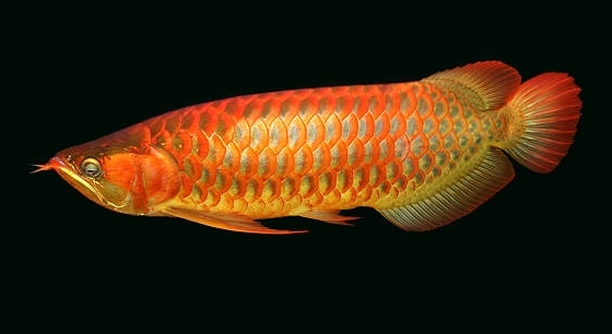
Arowanas are majestic and captivating fish, known for their shimmering scales and graceful movements. Observing them can be calming, yet sometimes these elegant creatures may react in unexpected ways that signal stress or fear in their environment.
Several factors can frighten an arowana, including sudden changes in water temperature, strong currents, loud noises, overly bright lighting, aggressive tankmates, improper tank size, and irregular feeding schedules. Each of these elements can disrupt their sense of security and well-being.
Recognizing these triggers is essential for creating a calm, healthy environment for your arowana to thrive and maintain its natural behavior in your aquarium.
Sudden Changes in Water Temperature
Arowanas are very sensitive to their aquatic environment, especially temperature fluctuations. Even a small drop or rise in water temperature can stress them, causing erratic swimming or hiding in corners. Maintaining a stable temperature is crucial for their comfort. Rapid changes often happen when new water is added too quickly or when heaters are not properly calibrated. Consistency helps their metabolism, digestion, and immune system function properly. Observing their reactions after adjustments can give you insight into whether the water is too cold or too warm. Using a reliable thermometer and checking it regularly prevents surprises. Arowanas rely on stability; sudden shifts are confusing for them and may trigger defensive behavior. Slowly acclimating new water and avoiding placing the tank near drafts or sunlight can make a big difference in their sense of safety.
Frequent temperature fluctuations can compromise an arowana’s health and lead to long-term stress-related problems.
Keeping water temperature steady ensures your arowana feels secure, reduces stress, and promotes overall health. Consistent care supports natural behavior and maintains their vibrant coloration.
Loud Noises and Vibrations
Arowanas can be startled easily by loud sounds or vibrations near their tank.
Unexpected bangs, dropping items, or even heavy footsteps can trigger panic, causing them to dart or bump against the glass.
They perceive vibrations as potential threats, which can be exhausting over time. Even household appliances like washing machines or vacuum cleaners can create low-frequency vibrations that disturb them. Positioning the tank in a quiet area helps minimize stress. Soft background noise, like a gentle filter hum, is usually acceptable because it becomes part of their environment. Sudden noise, however, can cause them to jump, injure themselves, or retreat to corners. Repeated exposure to loud disturbances may reduce feeding response and affect their growth. Monitoring their reactions after noise exposure and adjusting tank location can create a more secure environment. Reducing stress from auditory disturbances allows your arowana to move confidently and display natural behavior without fear or hesitation.
Aggressive Tankmates
Aggressive or overly active tankmates can intimidate arowanas, causing stress and erratic behavior.
Arowanas are territorial and can be easily overwhelmed by other fish that chase or nip at them. Even seemingly minor aggression can make them hide or refuse food. Separating aggressive species or selecting calm companions helps maintain peace. Proper tank size also reduces confrontations by giving each fish space to move freely. Observing interactions daily allows adjustments before stress affects health. Compatibility matters more than quantity; a few peaceful fish are better than many aggressive ones. Ensuring harmony in the tank creates a safer, calmer environment for the arowana.
Aggressive interactions can stunt growth and trigger long-term anxiety in your arowana.
Careful selection and monitoring of tankmates allow your arowana to swim confidently, feed properly, and display natural behaviors without constant stress.
Bright and Direct Lighting
Too much direct or bright light can disturb arowanas, making them retreat or hide.
Strong lighting, especially from overhead sources, can cause discomfort and agitation. Arowanas prefer moderate lighting that mimics natural conditions. Harsh or continuous light can lead to stress, reduced appetite, and unusual swimming patterns. Using dimmable lights or placing plants and décor to create shaded areas helps balance illumination. Timers ensure consistent day-night cycles, reducing stress caused by sudden changes. Observing your arowana’s reactions allows adjustments in intensity or placement to keep them calm. Overexposure to light may also fade their coloration and make them more vulnerable to illness, so moderation is key. Creating a comfortable lighting environment contributes to their overall well-being and allows them to thrive naturally in the tank.
Adjusting lighting thoughtfully keeps your arowana relaxed and confident while supporting healthy behavior and coloration.
Improper Tank Size
Arowanas need plenty of space to swim comfortably. Small tanks can make them feel trapped and stressed.
Crowded conditions limit movement and increase aggression or fear responses. Providing an appropriately sized tank allows natural behavior, reduces stress, and supports overall health and growth.
Irregular Feeding Schedules
Inconsistent feeding can unsettle arowanas, causing them to become anxious or refuse food.
Arowanas thrive on routine. Feeding them at regular times helps them anticipate meals and reduces stress. Overfeeding or skipping meals can disturb digestion, weaken immunity, and affect behavior. Maintaining a consistent feeding schedule with high-quality food promotes stable energy levels and overall well-being.
Strong Currents
Powerful water currents can overwhelm arowanas and trigger fear.
Arowanas prefer gentle water flow that allows controlled swimming without constant struggle. Adjusting filter output or creating calmer zones helps maintain comfort and reduces stress.
FAQ
What are the main signs that my arowana is scared?
Arowanas display several clear signs when they are frightened. They may hide frequently, swim erratically, or stay near the tank edges. Sudden jumps, refusal to eat, and clamped fins are also indicators. Observing these behaviors helps identify stress triggers early and allows adjustments to their environment.
How can I stabilize water temperature effectively?
Using a reliable aquarium heater and thermometer is essential. Gradually acclimating new water when performing changes prevents sudden shocks. Avoid placing the tank near windows, air conditioners, or heaters that can cause fluctuations. Consistent temperature promotes proper metabolism, digestion, and immune function, keeping your arowana comfortable and healthy.
Are tankmates really a problem for arowanas?
Yes, arowanas are territorial and can become stressed with aggressive or overly active fish. Calm, similarly sized companions are ideal. Monitoring interactions daily and separating any aggressive species prevents anxiety and injuries. Proper tank space is also critical to reduce conflicts and maintain a peaceful environment.
How much lighting is too much for my arowana?
Bright, direct lighting can be uncomfortable. Arowanas prefer moderate light that mimics natural conditions. Dimmable lights, shaded areas, and timers help maintain a consistent day-night cycle. Overly harsh or constant lighting can stress the fish, reduce appetite, and fade their vibrant colors over time.
What is the best feeding schedule to reduce fear?
Consistency is key. Feeding at the same time each day helps arowanas anticipate meals, reducing anxiety. Avoid overfeeding or skipping meals, as both can disturb digestion and weaken immunity. High-quality, protein-rich food at regular intervals supports energy, growth, and overall well-being.
Can strong currents really frighten an arowana?
Yes, strong water flow can overwhelm them. Arowanas prefer gentle currents that allow controlled swimming. Adjusting filter output and creating calm zones in the tank reduces stress. This prevents exhaustion, injuries, and behavioral issues, letting your arowana move confidently throughout the aquarium.
What other environmental factors can scare my arowana?
Sudden noises, vibrations, and overcrowding are common stressors. Loud household activities, clanging items, or nearby machinery can startle them. Ensuring adequate space, gentle water flow, and a quiet location helps them feel secure. Providing hiding spots or plants also offers refuge and reduces anxiety.
How do I know if my arowana is recovering from stress?
Signs of recovery include normal swimming patterns, regular feeding, relaxed fins, and consistent coloration. Reduced hiding and curiosity about the environment indicate comfort. Tracking behavior daily after adjustments ensures that your interventions are effective and helps maintain long-term health.
Is tank size really that important for their comfort?
Absolutely. Arowanas are large, active fish that need room to swim. Small or overcrowded tanks limit movement and increase stress. Providing an appropriately sized aquarium allows natural behavior, reduces aggression, and supports proper growth. Adequate space is critical for both mental and physical well-being.
What immediate steps should I take if my arowana shows fear?
Identify potential triggers first: check water temperature, currents, lighting, noise, and tankmates. Make small adjustments gradually. Providing hiding spots, maintaining a feeding routine, and reducing disturbances can quickly help your arowana regain confidence. Consistent observation ensures problems do not escalate into long-term stress.
This FAQ provides guidance on common issues and practical solutions to create a calm, secure environment for your arowana. Implementing these strategies helps prevent fear-related behaviors and promotes overall health.
Word count: 505
Final Thoughts
Caring for an arowana requires attention to both its physical environment and its behavior. These fish are highly sensitive to changes in their surroundings, and small disturbances can trigger stress or fear. Factors such as sudden water temperature shifts, overly bright lighting, strong currents, irregular feeding schedules, and aggressive tankmates all play a role in their overall comfort. Observing your arowana closely allows you to notice subtle changes in behavior that may indicate anxiety or discomfort. Simple adjustments, like stabilizing the water temperature or reducing excessive noise, can have a significant impact on their well-being. Arowanas are graceful and intelligent fish, and providing a stable, calm environment allows them to express their natural behaviors fully. By understanding their needs and being attentive, you create a space where your arowana can thrive.
Consistency is one of the most important aspects of caring for an arowana. Feeding at regular times, maintaining a steady temperature, and ensuring moderate lighting all contribute to a predictable environment that reduces stress. Observing their reactions to changes in the tank helps you understand what works best for your fish. Providing enough space for swimming and choosing compatible tankmates ensures that your arowana can move freely and confidently. Even small changes in their habitat, like adjusting water flow or adding shaded areas, can make a noticeable difference in their comfort level. A thoughtful approach to their daily routine promotes healthy growth, vibrant coloration, and stable behavior. Paying attention to these details demonstrates care and helps maintain a balanced ecosystem within the tank.
Lastly, recognizing the signs of fear or stress is essential for long-term care. Hiding, erratic swimming, clamped fins, and reduced appetite are indicators that something in the environment may need adjustment. Addressing these issues promptly prevents long-term health problems and ensures your arowana remains active and responsive. Creating a secure, peaceful habitat is not only beneficial for the fish but also makes observing them more enjoyable. Over time, arowanas will show increased confidence, natural swimming patterns, and curiosity about their surroundings. Maintaining this balance requires ongoing observation, patience, and careful planning, but the results are worth the effort. A calm, stable environment allows your arowana to thrive, reflecting both its natural beauty and well-being in your aquarium.
Word count: 412

Hello,
If you enjoy the content that we create, please consider saying a "Thank You!" by leaving a tip.
Every little bit helps us continue crafting quality advice that supports the health, happiness, and well-being of pets around the world, for pets of all shapes, sizes, and species.
We really appreciate the kindness and support that you show us!