
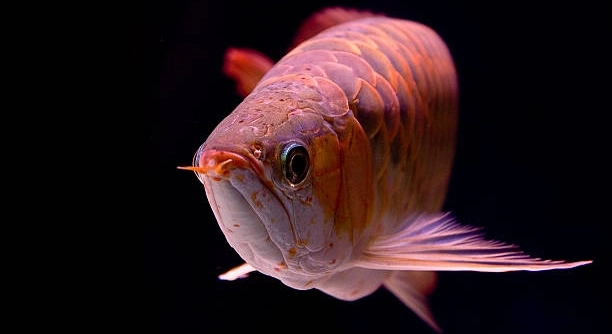
Do you ever notice your arowana suddenly darting behind decorations or hiding in a corner of its tank? These unexpected behaviors can be unsettling for owners who are used to seeing a calm, active fish every day.
Arowanas may hide suddenly due to stress, environmental changes, or illness. Factors such as water quality, tank setup, lighting, or interactions with other fish can trigger this behavior, signaling the need for careful observation and intervention.
Observing subtle changes in behavior can reveal important clues about your arowana’s well-being. Learning the reasons behind hiding can help you create a healthier, more comfortable environment for your fish.
Common Reasons Arowanas Hide
Arowanas may hide due to sudden changes in their environment or routine. Moving decorations, adjusting water temperature, or introducing new fish can make them feel insecure. Poor water quality, such as high ammonia or nitrite levels, is another common factor. Even subtle changes, like altering the light schedule or using strong tank chemicals, can trigger hiding. Stress is often linked to discomfort, making the fish retreat to corners or behind ornaments. Sometimes hiding is temporary as they adjust to new conditions. However, persistent hiding may indicate underlying health issues, like parasites, bacterial infections, or injuries. Observing their behavior and checking tank parameters regularly can help identify the source. Providing ample hiding spots, stable water conditions, and minimal disturbances can encourage your arowana to feel safe. Consistency in feeding and maintaining a calm environment also supports their comfort. Noting patterns in their hiding behavior often helps pinpoint the exact trigger.
Frequent hiding may signal stress or illness. Monitoring water quality and tank changes can prevent long-term issues.
Tracking your arowana’s daily movements provides valuable insight. Combining observation with regular maintenance, including water testing, proper feeding, and clean surroundings, ensures the fish remains healthy. Adjusting light, adding secure hiding areas, and minimizing loud noises can reduce anxiety. If hiding continues despite improvements, consulting an aquatic veterinarian is advisable. Taking early action protects your arowana from potential illnesses and ensures it remains active and visible, maintaining both its health and your peace of mind.
Environmental Adjustments to Encourage Activity
Creating a stable environment can reduce hiding tendencies in arowanas. Proper water temperature, gentle lighting, and consistent tank arrangements help them feel secure.
Gradually introducing changes is key to encouraging your arowana to be more active. Avoid sudden decor shifts or aggressive tankmates. Maintaining a proper feeding schedule and monitoring water quality helps reduce stress. Providing larger open swimming areas while keeping some shaded spots allows the fish to explore comfortably. Regular observation of behavior, combined with careful adjustments, ensures that the arowana adapts without anxiety. This balance of stability and enrichment promotes activity and confidence in your fish, encouraging them to spend more time visible in the tank. Staying attentive to their responses can guide future environmental tweaks to support long-term well-being and a calmer, more interactive fish.
Health Concerns That Cause Hiding
Persistent hiding can indicate health problems in arowanas. Illnesses like infections, parasites, or injuries may make them seek shelter. Noticing unusual marks, changes in color, or lack of appetite can help identify potential issues early.
Monitoring your arowana closely is essential. Symptoms like clamped fins, rapid breathing, or lethargy often accompany hiding. Water quality problems can exacerbate these conditions, so regular testing is important. Addressing illnesses promptly with proper treatment or consulting a veterinarian prevents complications. Maintaining a clean, stable environment supports recovery. Observing eating habits and behavior patterns helps distinguish between normal hiding and stress-induced withdrawal, ensuring timely intervention and long-term health.
Sometimes, hiding may result from a combination of stress and minor health issues. Even small injuries or mild infections can make an arowana less active. Providing gentle care, avoiding aggressive tankmates, and maintaining consistent feeding schedules can help. Offering soft hiding spaces while monitoring the fish’s recovery allows it to regain confidence. Adjusting environmental conditions, such as water flow and lighting, further supports healing. Taking proactive steps ensures your arowana returns to its usual active behavior while preventing further stress-related health concerns.
Behavioral Patterns Linked to Hiding
Arowanas develop habits that influence their hiding tendencies. Changes in routine, feeding times, or tank activity can prompt them to retreat. Understanding these patterns helps anticipate and prevent stress-related hiding.
Behavior is shaped by both environment and individual temperament. Some arowanas are naturally more cautious and prefer shaded areas. Aggressive tankmates, sudden movements near the tank, or loud noises can intensify hiding behavior. Observing when and where they hide provides insight into triggers. Adjusting feeding methods, rearranging decorations minimally, and keeping disturbances low encourages confidence. Consistency in care, including regular water checks and predictable schedules, reinforces comfort. Over time, the fish learns to feel secure and gradually becomes more visible, balancing natural instincts with daily interactions.
Tank Setup and Hiding
Arowanas may hide due to tank layout or insufficient space. Crowded tanks, sharp decorations, or lack of shaded areas can make them feel unsafe.
Providing enough room and smooth surfaces reduces hiding. Adding gentle lighting and secure spots encourages exploration while maintaining a sense of security.
Lighting and Its Effects
Strong or inconsistent lighting can stress arowanas, prompting them to hide. Bright lights, sudden changes, or prolonged exposure may overwhelm them. Adjusting light intensity gradually and maintaining a consistent day-night cycle helps the fish feel secure. Proper lighting supports natural behavior and encourages them to remain visible during active periods.
Feeding Habits
Arowanas sometimes hide if feeding routines are irregular. Predictable schedules and appropriate portion sizes help them feel confident and reduce stress during mealtime.
FAQ
Why does my arowana hide more at night?
Arowanas are sensitive to light and may feel safer in darker areas. Nighttime hiding is often natural behavior. Ensuring they have shaded spots during the day and stable lighting cycles can help them balance activity and rest.
Could water quality cause hiding?
Yes, poor water conditions are a major reason arowanas retreat. High ammonia, nitrite, or sudden pH changes create stress. Regular testing, partial water changes, and proper filtration keep the tank stable and encourage them to swim openly.
Does tank size affect hiding?
A small or overcrowded tank can make an arowana feel confined. Providing enough swimming space and avoiding aggressive tankmates reduces stress. Adding gentle decorations or hiding spots without overcrowding helps the fish feel secure while maintaining freedom of movement.
Can tankmates cause hiding behavior?
Yes, aggressive or dominant fish can intimidate an arowana, prompting it to hide. Observing interactions and separating incompatible species or providing adequate hiding areas can reduce stress and encourage more confident behavior.
Is sudden hiding a sign of illness?
Persistent hiding accompanied by lethargy, loss of appetite, or unusual markings may indicate illness. Early detection is key. Checking water quality, maintaining a stable environment, and consulting an aquatic veterinarian can prevent serious health issues.
Do changes in feeding affect hiding?
Arowanas are sensitive to routine disruptions. Skipped feedings, overfeeding, or new food types may trigger stress and hiding. Maintaining consistent feeding schedules and gradually introducing dietary changes helps them stay comfortable and active.
Can stress from human activity trigger hiding?
Yes, frequent tapping, sudden movements near the tank, or loud noises can make an arowana retreat. Minimizing disturbances, providing quiet surroundings, and approaching the tank gently allows them to feel safe and reduce hiding behavior.
Does lighting influence hiding habits?
Bright or fluctuating lighting can cause stress. Arowanas prefer a stable day-night cycle with moderate intensity. Adding shaded areas, dimming lights gradually, and keeping exposure consistent helps them stay visible and reduces anxiety.
How do I know if hiding is temporary or serious?
Temporary hiding often ends once the environment stabilizes or stressors are removed. Persistent hiding, combined with other symptoms like poor appetite, color changes, or unusual swimming, may indicate illness or chronic stress requiring intervention.
Can decorations make my arowana hide too much?
Overcrowded tanks with sharp or unstable decorations can increase hiding. Use smooth ornaments, avoid sharp edges, and leave open swimming areas. This balance gives them security without isolating them, encouraging more natural and confident behavior.
What is the best way to encourage a shy arowana?
Gradual adjustments in lighting, routine, and tank layout help. Provide safe hiding spots, consistent feeding schedules, and minimal disturbances. Observing daily behavior allows you to identify stress triggers and adapt care practices, helping your arowana regain confidence and remain active.
Are temperature fluctuations a cause of hiding?
Yes, sudden changes in water temperature can stress arowanas. Maintaining a stable, appropriate range with a reliable heater or thermometer ensures comfort, reduces hiding tendencies, and supports overall health and activity levels.
Can stress from breeding or growth affect hiding?
Arowanas undergoing growth spurts or breeding periods may hide more. They seek safety during vulnerable times. Ensuring adequate space, proper nutrition, and minimal disturbances helps them feel secure and reduces unnecessary hiding behavior.
How long should I monitor before seeking help?
If hiding persists beyond several days despite stable conditions, it’s time to consult a veterinarian. Early intervention can prevent illness escalation and improve your arowana’s confidence and overall well-being.
Are there signs of mental stress in arowanas?
Yes, repeated hiding, erratic swimming, refusal to eat, or overreaction to minor disturbances may indicate stress. Maintaining stable water conditions, minimizing sudden changes, and offering a predictable routine helps reduce mental strain and promotes natural behavior.
Can hiding affect feeding and growth?
Extended hiding can lead to missed meals and reduced activity, which may impact growth. Monitoring feeding habits, offering food in accessible areas, and reducing stressors ensure the fish maintains proper nutrition and development.
Is hiding more common in young arowanas?
Juvenile arowanas are often more cautious and prone to hiding as they adapt to their environment. Providing secure spaces and gentle care supports their development, confidence, and willingness to explore the tank over time.
Do seasonal changes affect hiding behavior?
Seasonal variations in room temperature or lighting may influence hiding. Consistent tank conditions, controlled heating, and stable light schedules help mitigate stress, keeping behavior predictable and minimizing unnecessary retreating.
Can I use enrichment to reduce hiding?
Yes, introducing floating plants, gentle water flow, or visual stimulation encourages exploration. Gradual enrichment combined with stable routines allows the arowana to remain active while still having secure areas to retreat when needed.
How important is patience in reducing hiding?
Patience is key. Sudden interventions or frequent disturbances can worsen hiding. Gradual environmental adjustments, consistent care, and careful observation build trust and confidence, helping your arowana become more active and visible over time.
Is it normal for some arowanas to be shy permanently?
Yes, individual temperament varies. Some arowanas naturally prefer shaded or hidden areas. Recognizing their personality, providing secure spaces, and maintaining consistent care ensures well-being even if they remain more reserved than other fish.
Can health checks prevent excessive hiding?
Routine health monitoring, including water tests, observation of behavior, and periodic veterinary consultation, prevents conditions that lead to stress or illness. Early detection supports both mental and physical health, reducing prolonged hiding and ensuring a more active, healthy fish.
How can I tell if hiding is due to environment or illness?
Environmental causes are often resolved with adjustments in light, tank layout, or companions. Illness-related hiding usually comes with additional symptoms like discoloration, poor appetite, or lethargy. Careful observation and consistent maintenance help distinguish the cause.
What is the most effective long-term approach?
Combining stable water parameters, consistent feeding, minimal disturbances, secure hiding areas, and careful observation creates a supportive environment. Over time, this approach reduces stress-induced hiding, promotes natural behavior, and helps your arowana remain healthy, active, and confident.
Final Thoughts
Arowanas are sensitive and intelligent fish, and their behavior often reflects their comfort and well-being. When an arowana suddenly hides, it is usually responding to environmental changes, stress, or potential health concerns. Observing your fish regularly and noting changes in its habits is essential to understanding its needs. Hiding does not always indicate a serious problem, but persistent or unusual retreating behavior should not be ignored. Providing a stable environment with clean water, proper temperature, and secure hiding spots is a basic step that significantly influences their comfort. Even small adjustments, like gradually changing lighting or rearranging decorations thoughtfully, can make a noticeable difference in reducing hiding tendencies. Consistency is key in fostering a safe and predictable habitat where the fish feels confident to swim openly.
Diet and feeding routines also play a critical role in your arowana’s willingness to remain active. A well-fed fish with predictable meal times is less likely to hide out of stress or uncertainty. Overfeeding, underfeeding, or sudden changes in diet can trigger anxiety, causing the fish to seek shelter more often. Similarly, the size of the tank and the presence of other fish influence behavior. Overcrowding or introducing aggressive tankmates can heighten stress, while providing ample swimming space and carefully selected companions promotes security. Observing interactions and adapting your approach as needed ensures the arowana maintains a balance between caution and exploration. Patience during this process is important, as changes in behavior may take time, and forcing the fish into visibility can worsen stress instead of alleviating it.
Health monitoring remains one of the most important aspects of managing hiding behavior. Sudden or prolonged hiding paired with symptoms like loss of appetite, color changes, or lethargy may indicate illness or injury. Addressing water quality issues, consulting aquatic veterinarians when necessary, and maintaining a routine care schedule helps prevent minor problems from escalating into serious conditions. Creating a supportive environment is not only about reducing hiding but also about promoting overall well-being. Over time, these efforts help the arowana regain confidence, explore its tank more freely, and display its natural behavior. Understanding and responding to your fish’s needs ensures a healthier, more balanced aquatic environment, allowing both the fish and its keeper to enjoy a harmonious experience.

Hello,
If you enjoy the content that we create, please consider saying a "Thank You!" by leaving a tip.
Every little bit helps us continue crafting quality advice that supports the health, happiness, and well-being of pets around the world, for pets of all shapes, sizes, and species.
We really appreciate the kindness and support that you show us!