
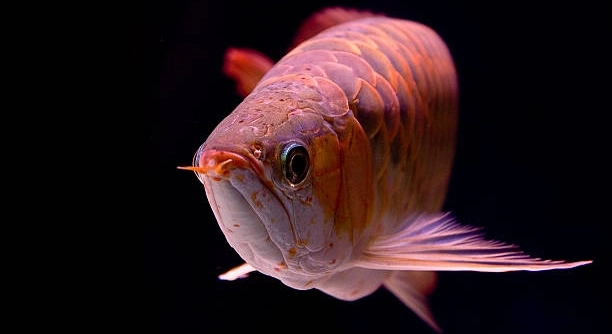
Do you ever find yourself noticing how active your arowana becomes during the day, swimming continuously and exploring every corner of its tank? These majestic fish thrive in structured environments and benefit from calm periods.
Giving an arowana a daily “quiet hour” helps reduce stress, supports natural resting behaviors, and promotes overall health. Consistent low-stimulation periods allow the fish to conserve energy, stabilize its mood, and maintain proper physiological functions efficiently.
Maintaining a calm environment for your arowana each day can improve its behavior, longevity, and general well-being in its aquatic home. Small adjustments can create meaningful positive impacts over time.
Understanding Arowana Stress Levels
Arowanas are sensitive creatures that can experience stress from constant activity or environmental changes. Overstimulation can lead to weakened immunity and erratic swimming patterns. By establishing a quiet hour, you give your fish a chance to rest undisturbed. Observing their behavior during this period often reveals signs of improved calmness. Providing minimal light, low tank activity, and quiet surroundings allows the arowana to recover from daily stimulation. Over time, these consistent calm periods can reduce aggressive tendencies toward tank mates and lower the risk of injuries from collisions. Additionally, quiet hours help regulate their metabolism and improve feeding responses. Even minor disturbances like loud sounds or frequent movement near the tank can affect their well-being. Incorporating this practice requires planning around feeding and cleaning schedules to maintain optimal conditions. The arowana’s natural instincts for rest and observation are supported when the environment is predictable, calm, and secure, fostering a healthier, more balanced aquatic life.
Arowanas that receive regular quiet hours tend to show calmer behavior and improved overall health, reflecting reduced stress levels.
Structured quiet periods also encourage natural activity rhythms. By limiting disturbances, the fish can explore and interact more confidently outside the quiet hour. Over time, these periods support long-term behavioral stability. Arowanas that have consistent rest are less prone to stress-related illnesses, display better appetite, and have stronger immune responses. Quiet hours also enhance their ability to establish territory and interact with tank mates without unnecessary tension. Maintaining minimal light and reducing sudden movements ensures the fish adapts comfortably. In larger tanks, providing hiding spaces can complement the quiet hour, offering safe zones for retreat. Observing the arowana during calm periods reveals subtle behavioral cues, like slower fin movement or resting near tank surfaces. Establishing a routine also benefits owners by making feeding and maintenance schedules predictable. This simple, daily practice contributes significantly to the fish’s overall longevity, well-being, and peaceful coexistence with other species in the aquarium.
Reducing Aggressive Behavior
Implementing a quiet hour can decrease aggressive tendencies and improve social dynamics within the tank.
Arowanas are naturally territorial, and frequent disturbances can heighten aggression. Consistent quiet periods allow them to settle, reducing unnecessary confrontations. Providing calm intervals ensures the fish interact more predictably, lowering stress-induced attacks and promoting harmonious coexistence in community tanks. Over time, the tank environment becomes more balanced and manageable for both the fish and the owner.
Promoting Healthy Feeding Habits
A quiet hour helps arowanas feed more effectively. With minimal disturbances, they focus on eating, which improves digestion and nutrient absorption. This leads to better growth and stronger immunity over time. Consistent calm periods reinforce predictable feeding behavior.
When arowanas are less stressed, they are more willing to approach food and maintain a steady appetite. Overly active or stressed fish often refuse food or eat irregularly, which can compromise their health. By establishing quiet hours, you create an environment where feeding times are calm, and the fish can respond naturally to meals. Reduced stress levels also support efficient metabolism, ensuring nutrients are utilized effectively for growth, coloration, and overall vitality. Feeding becomes more consistent, and the risk of overeating or aggressive snatching from tank mates decreases.
Quiet periods also allow fish to recover after meals. Resting after feeding supports digestion and prevents complications like bloating or swim bladder issues. By maintaining this routine daily, arowanas develop a healthier feeding rhythm.
Enhancing Natural Behavior
Quiet hours encourage natural exploration and resting behavior, allowing arowanas to display instincts without interference. This supports mental stimulation and physical health.
With reduced external stress, arowanas explore their environment more confidently, swim calmly, and establish territories naturally. The quiet hour offers uninterrupted time to observe their surroundings, practice hunting or foraging behaviors, and engage with enrichment features like plants or hiding spots. Over time, this consistent period strengthens their instinctual patterns, reducing abnormal behaviors such as repetitive swimming or fin damage. Quiet periods also give the fish a chance to rest their muscles and maintain stamina for active periods. By observing these natural behaviors, owners can better understand their arowana’s preferences, tank layout needs, and enrichment requirements, leading to a healthier and more balanced aquatic life overall.
Supporting Immune Health
Quiet hours help arowanas maintain strong immune systems. Reduced stress during these periods minimizes the risk of illness and promotes overall well-being. Regular calm periods contribute to a more resilient fish.
Stress can suppress immune function, making arowanas vulnerable to infections. Providing daily quiet hours allows their bodies to recover and maintain natural defenses.
Reducing Environmental Stress
A consistent quiet hour lowers environmental stress, allowing arowanas to adjust to tank changes calmly. Sudden movements, loud noises, or frequent disruptions can trigger anxiety. Establishing predictable calm periods helps the fish remain balanced and more comfortable in their surroundings.
Improving Longevity
Maintaining calm periods supports long-term health. Less stress and better feeding habits contribute to a longer, healthier life for your arowana.
Encouraging Resting Behavior
Quiet hours give arowanas time to rest properly. Adequate rest supports physical recovery and mental balance, ensuring the fish remain active and healthy during awake periods.
FAQ
How long should an arowana’s quiet hour last?
A quiet hour typically lasts about 60 minutes, though it can be adjusted slightly based on the fish’s behavior and tank conditions. Consistency is key. Providing the same daily period helps the arowana anticipate calm time and reduces stress over the long term.
When is the best time to schedule a quiet hour?
The quiet hour is most effective during the day when your arowana is usually active but not feeding. Mid-morning or early afternoon works well, as these periods allow the fish to rest before evening activity and feeding times. Avoid timing quiet hours around cleaning or maintenance.
Do I need to dim the lights during quiet hour?
Yes. Dimming the lights or providing soft ambient lighting helps signal calm time. Bright lights can be stimulating, and low light encourages natural resting behavior. This adjustment mimics their natural habitat and allows them to relax fully.
Should I move tank decorations during quiet hour?
No. Avoid moving decorations or rearranging the tank during quiet hours. Sudden changes create stress and disrupt the intended calm environment. Any maintenance should be done before or after the quiet period to maintain consistency and minimize disturbance.
Can multiple arowanas share the same quiet hour?
Yes, but monitor their interactions closely. Some arowanas are territorial, so ensure that tank size and hiding spaces are adequate. Quiet hours can reduce aggressive behavior, but owners should still watch for signs of dominance or stress during this period.
How do I know if my arowana is benefiting from quiet hour?
Signs include calmer swimming, better appetite, and less aggression. The fish may rest near surfaces or in quieter corners. Over time, reduced erratic movements and more predictable feeding patterns indicate the quiet hour is effective.
Can quiet hour help with feeding issues?
Absolutely. Reducing environmental stress allows arowanas to focus on food without distraction. Fish that previously ignored meals or ate irregularly often respond better when calm periods are established consistently. Feeding efficiency and digestion improve noticeably.
Is it okay if the fish ignores quiet hour sometimes?
Yes. Fish behavior can vary daily. Occasionally, an arowana may be more active or curious. The important factor is consistent daily implementation rather than perfection. Over time, the fish will adjust and gradually benefit from regular calm periods.
Do I need to adjust quiet hour for tank size or species mix?
Yes. Larger tanks may require multiple quiet zones or more space for hiding, while mixed-species tanks may need observation to ensure all fish benefit without conflict. Adjusting light and movement around the tank helps maintain effective quiet periods for everyone.
Can quiet hour prevent illness entirely?
No. While it reduces stress and supports immune health, it cannot replace proper nutrition, water quality, or regular health checks. Quiet hour is a supportive measure that complements other essential care practices, improving resilience and overall well-being.
What if my arowana seems restless during quiet hour?
This can indicate environmental stress, inadequate hiding spots, or improper timing. Try adjusting light levels, tank layout, or the schedule slightly. Observing patterns over several days helps identify and resolve potential triggers. Restlessness often decreases as the fish adapts to the routine.
Is quiet hour necessary for all arowanas?
While highly beneficial for most, individual fish may have different temperaments. Some may naturally be calmer, but incorporating a quiet period generally enhances health, behavior, and feeding efficiency, making it a worthwhile practice for every arowana.
How do I balance quiet hour with feeding and maintenance schedules?
Plan feeding before or after the quiet hour, and schedule tank cleaning or water changes outside this time. Minimizing disturbance ensures the quiet period remains effective, allowing the fish to rest and recover fully while maintaining proper care routines.
Can quiet hour improve interactions with other fish?
Yes. Reduced stress levels make arowanas less aggressive, promoting better coexistence with tank mates. Quiet hours encourage natural social behavior while minimizing sudden confrontations or territorial disputes, creating a calmer, more balanced tank environment.
How long before I see results from quiet hour?
Behavioral improvements can be noticed within a few days, such as calmer swimming and better focus during feeding. Long-term benefits like improved immunity, reduced aggression, and enhanced resting patterns typically develop over several weeks of consistent practice.
Can I use music or sounds during quiet hour?
It is best to avoid loud or sudden noises. Soft ambient sounds may be acceptable if they are consistent and not startling. The goal is minimal stimulation, allowing the arowana to relax and exhibit natural resting behavior without external stressors.
How does quiet hour affect tank lighting schedules?
Quiet hour can be integrated into existing lighting schedules. Reducing light intensity during this time signals calm periods. Avoid turning lights completely off unless it aligns with the fish’s natural day-night rhythm. Gradual dimming is more effective than sudden darkness.
Is quiet hour more important for younger arowanas?
Juvenile arowanas benefit significantly, as stress reduction supports growth, immune function, and behavioral development. Establishing quiet periods early encourages predictable routines and healthier responses to environmental changes throughout their lifespan.
What should I do if multiple quiet hours are needed?
Splitting quiet periods can be helpful for large or mixed-species tanks. Ensure each session is long enough for the fish to rest meaningfully. Observation is key to determine if multiple intervals improve overall calmness and behavior without causing confusion.
How do quiet hours complement other care practices?
They work alongside proper nutrition, water quality maintenance, and environmental enrichment. By integrating quiet hours into a daily routine, owners enhance overall fish welfare, support natural behavior, and improve longevity while maintaining a stable, stress-reduced habitat.
Quiet hours are a simple but effective way to improve the well-being of your arowana. These periods of calm give the fish time to rest, recover, and maintain normal behavior without unnecessary stress. Over time, establishing a daily quiet hour helps reduce erratic swimming, aggression, and other stress-related behaviors. By setting aside this time, you create a predictable environment where your arowana can adjust and feel secure. This routine does not require complicated equipment or extensive changes to the tank. Simply dimming the lights, reducing movement around the tank, and avoiding sudden disturbances can make a significant difference in the fish’s overall health and comfort. Consistency is key. When the quiet hour becomes a regular part of the day, the arowana begins to anticipate calm periods, which naturally supports its daily rhythm and encourages healthier behavior. Even small adjustments, like a gradual reduction of activity around the tank, can reinforce the benefits of this practice and make your fish more responsive to feeding and enrichment.
In addition to stress reduction, quiet hours support physical health. During these calm periods, the arowana can digest food more efficiently, allowing it to gain nutrients and maintain proper growth. Resting after feeding helps prevent digestive issues, bloating, or swim bladder problems that can occur if the fish remains constantly active. Quiet periods also support immune function, giving the fish’s body a chance to recover from minor stresses or environmental fluctuations. The benefits extend to long-term health as well. By reducing stress-related risks and supporting proper feeding and digestion, quiet hours can contribute to longevity and better overall vitality. Fish that regularly experience calm periods often show improved coloration, energy, and alertness during active periods, which is a clear sign of well-being. Owners can also use this time to observe the fish closely, noting subtle changes in behavior, appetite, or health that might otherwise go unnoticed. Quiet hours allow both the fish and the owner to establish a predictable routine, which helps maintain a stable and balanced aquarium environment.
Quiet hours also encourage natural behavior. In a calm environment, arowanas explore their tanks, interact with decorations, and display instinctive patterns without interference. This promotes mental stimulation and prevents the development of repetitive or anxious behaviors caused by overstimulation. It is a small daily commitment that has a measurable impact on how the fish behaves, grows, and interacts with its surroundings. Establishing quiet periods benefits both single and multiple fish in a tank, provided that the environment allows sufficient space and hiding spots for all. Over time, the fish become more confident, less aggressive, and better able to establish territories naturally. Integrating quiet hours with proper feeding, water maintenance, and tank enrichment ensures a comprehensive approach to care. By giving your arowana these daily moments of calm, you are supporting a balanced, healthy, and thriving life for your fish. Consistent attention to their environmental needs and routines reinforces overall well-being and makes observing and caring for your arowana a more rewarding experience.

Hello,
If you enjoy the content that we create, please consider saying a "Thank You!" by leaving a tip.
Every little bit helps us continue crafting quality advice that supports the health, happiness, and well-being of pets around the world, for pets of all shapes, sizes, and species.
We really appreciate the kindness and support that you show us!