
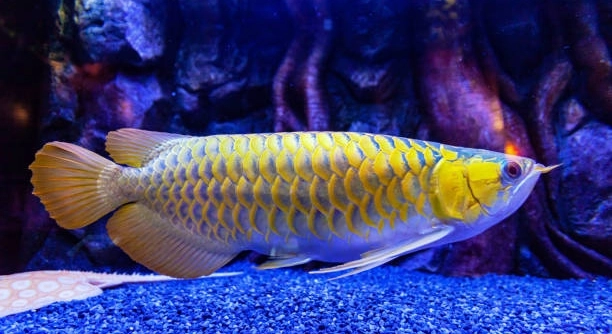
Arowanas are beautiful and majestic fish, but maintaining their water chemistry can be tricky. Many hobbyists struggle to keep their tanks balanced, which can affect the fish’s health and growth over time. Proper water care is essential.
Avoiding mistakes in Arowana water chemistry requires careful monitoring of pH, hardness, temperature, and ammonia levels. Consistent testing and adjustment ensure a stable environment, preventing stress, illness, or mortality, which are common consequences of improper water management practices.
Understanding these basic principles will help you provide a healthier environment for your Arowana. Small changes in water chemistry can have a significant impact on their wellbeing.
Ignoring pH Levels
Maintaining the proper pH in an Arowana tank is more important than many realize. A pH that swings too high or too low can stress the fish, weaken their immune system, and slow growth. Many beginners overlook pH testing or adjust it too aggressively, which often leads to more harm than good. Arowanas thrive in slightly acidic to neutral water, typically between 6.5 and 7.5. Using a reliable test kit and making small, gradual adjustments helps maintain stability. Avoid adding chemicals without understanding their effects, as sudden changes can shock the fish. Regular monitoring, along with water changes, supports a stable environment. Even small fluctuations can influence appetite and activity levels, so consistency is key. Keeping a simple log of test results can help track trends and catch problems early. By paying attention to pH, you create conditions that allow your Arowana to thrive naturally, with stronger colors and healthier behavior.
pH swings are often linked to irregular water changes and overfeeding.
Regular partial water changes and careful monitoring are effective ways to keep pH balanced. Gradual adjustments prevent stress, helping fish stay healthy and active. Maintaining the proper pH ensures optimal digestion, activity, and overall vitality.
Overlooking Ammonia and Nitrite
Ammonia and nitrite are toxic byproducts of fish waste and decaying food. Even small amounts can damage gills and internal organs over time. Many aquarists underestimate their impact, assuming a few levels above zero are harmless. Testing water weekly and reacting quickly to spikes is essential. Biological filtration, including a mature filter with beneficial bacteria, helps break down these compounds safely. Avoid adding too many fish at once, as overstocking can overwhelm the filtration system and spike toxin levels. Feeding in moderation also reduces waste accumulation, further protecting water quality. Observing fish behavior, such as gasping at the surface or lethargy, can indicate a problem before test results spike.
Neglecting these toxins can cause serious health issues.
Keeping ammonia and nitrite at zero is achievable with consistent care. Using a combination of partial water changes, proper filtration, and controlled feeding maintains a safe environment. Quick intervention at the first sign of toxicity prevents illness, gill damage, and stress-related behaviors. Additionally, monitoring nitrate levels, although less harmful, ensures a fully balanced ecosystem. Over time, attention to these chemicals allows the fish to display natural activity, strong appetite, and vivid coloration. The goal is a stable, predictable environment where water chemistry supports growth rather than hinders it. Consistency in monitoring and maintenance is far more effective than occasional large adjustments. Building small routines, such as weekly testing and moderate feeding, helps maintain control and reduces long-term problems. Ultimately, the fish thrive when the tank remains chemically balanced, reflecting careful yet simple management practices.
Neglecting Water Hardness
Water hardness affects how well Arowanas process minerals and maintain proper bodily functions. Too soft or too hard water can stress the fish, affecting growth and immune response. Regular testing ensures hardness stays within the optimal range for your fish species.
Balancing water hardness requires understanding both GH (general hardness) and KH (carbonate hardness). GH affects essential minerals like calcium and magnesium, while KH buffers pH, keeping it stable. Sudden changes can shock Arowanas, leading to stress and potential health problems. Using mineral supplements or mixing water types helps adjust hardness gradually. Observing your fish for signs of stress, such as clamped fins or reduced appetite, can indicate improper hardness levels. Keeping a consistent routine of testing, partial water changes, and careful adjustments maintains a safe environment. Proper hardness not only supports growth but also strengthens resistance to disease, ensuring long-term vitality and vibrant coloration.
Adjusting hardness should be gradual. Abrupt changes risk stress or shock, so slow corrections are safer for fish health.
Overfeeding and Poor Feeding Practices
Overfeeding increases waste and ammonia levels, creating poor water conditions quickly. Feeding the correct amount ensures water chemistry remains stable and fish remain healthy.
Feeding small portions multiple times a day is better than a single large meal. Excess food decomposes in the tank, increasing ammonia and nitrite levels, which harm Arowanas. Overfeeding can also cause obesity, affecting mobility and overall health. Observing how much your fish consumes in a few minutes helps determine the right amount. Rotating protein sources and high-quality pellets ensures balanced nutrition without overwhelming the tank with waste. Managing feeding practices directly supports water quality, reducing stress and promoting natural growth and behavior patterns.
Proper feeding routines protect water chemistry. Avoid letting uneaten food sit, and remove leftovers promptly. Feeding with awareness maintains a healthy tank, reduces toxin buildup, and encourages consistent growth. This approach strengthens immune response and helps Arowanas thrive in a stable environment.
Skipping Regular Water Changes
Regular water changes are essential to remove toxins and maintain stable water chemistry. Neglecting this routine allows waste to accumulate, affecting Arowanas’ health and growth.
Even partial water changes significantly reduce ammonia, nitrite, and nitrate levels. Skipping them can stress fish, weaken immunity, and lead to disease outbreaks.
Using Unstable Water Sources
Tap water can vary in pH, hardness, and contaminants, making it unsuitable without treatment. Using untreated water can shock Arowanas and destabilize the tank environment.
Filtering, dechlorinating, and testing new water before adding it to the tank prevents chemical imbalances. Consistent water quality helps maintain healthy fish and stable conditions.
Ignoring Temperature Fluctuations
Arowanas require stable water temperatures for proper metabolism and immunity. Large swings can stress the fish, affecting appetite and behavior.
FAQ
How often should I test my Arowana’s water?
Testing water at least once a week is ideal. This helps detect changes in pH, hardness, ammonia, nitrite, and nitrate levels before they become harmful. Daily visual observation of the fish, combined with weekly chemical tests, keeps the tank environment stable. Keeping a log of readings can make trends easier to track.
What is the optimal pH for Arowanas?
Arowanas thrive in slightly acidic to neutral water, generally between 6.5 and 7.5. Maintaining consistent pH is more important than reaching a perfect number. Sudden swings can stress fish, weaken immunity, and reduce growth. Small, gradual adjustments are safer than rapid corrections.
How do I maintain water hardness?
General hardness (GH) provides essential minerals, while carbonate hardness (KH) stabilizes pH. Use mineral supplements or a mix of soft and hard water to adjust levels gradually. Testing regularly ensures consistency. Abrupt changes in hardness can shock Arowanas and affect their health.
How much should I feed my Arowana?
Feed small portions several times a day rather than one large meal. Observe how much the fish consumes in 3–5 minutes and remove any leftover food. Overfeeding increases ammonia and nitrite, while proper feeding supports digestion, growth, and a stable tank environment. Rotating protein sources helps balance nutrition.
How often should I change the water?
Partial water changes of 20–30% every week keep ammonia, nitrite, and nitrate under control. Skipping changes allows toxins to build up, stressing fish and encouraging disease. Always treat new water to remove chlorine or chloramine before adding it to the tank.
Can I use tap water directly in my tank?
Tap water should never be added untreated. It may contain chlorine, chloramine, heavy metals, or unstable pH. Always filter, dechlorinate, and test water before use. Consistent water quality helps prevent sudden chemical changes that can harm Arowanas.
What is the ideal water temperature for Arowanas?
Arowanas prefer temperatures between 75°F and 82°F (24°C–28°C). Sudden drops or rises can stress fish, reduce appetite, and increase susceptibility to disease. Use a reliable heater and thermometer to maintain stable conditions, especially in colder or fluctuating climates.
What signs indicate poor water quality?
Signs include lethargy, clamped fins, gasping at the surface, loss of appetite, or faded coloration. These behaviors often indicate ammonia spikes, pH swings, or unsuitable hardness. Early detection through observation and testing allows corrective action before serious health issues occur.
How do I prevent ammonia and nitrite spikes?
Avoid overfeeding and overstocking the tank. Ensure your filtration system is fully cycled with beneficial bacteria. Regular water testing and partial water changes help keep levels at zero. Consistent maintenance is more effective than occasional corrective measures.
Can water chemistry affect my Arowana’s coloration?
Yes. Stable water with proper pH, hardness, and minimal toxins enhances natural coloration. Poor water quality can dull colors and stress the fish. Maintaining consistent conditions supports both health and vibrancy, allowing your Arowana to display its full beauty naturally.
Is it safe to mix different water sources?
Mixing sources can help adjust hardness and pH, but always test before use. Gradual changes prevent stress and shock. Combining filtered tap water with RO (reverse osmosis) or spring water can achieve optimal parameters when done carefully.
What equipment helps maintain water chemistry?
Reliable test kits, heaters, filters, and dechlorinators are essential. Thermometers and pH monitors provide real-time data. Using quality equipment simplifies maintenance, ensures stable conditions, and reduces the likelihood of sudden chemical fluctuations that can harm Arowanas.
How can I quickly correct water imbalances?
Minor imbalances can be corrected with partial water changes, adding mineral supplements, or using buffering solutions. Large, sudden adjustments should be avoided, as they can shock the fish. Always implement gradual changes while monitoring water parameters closely.
How do I establish a stable tank environment?
Consistency is key. Regular testing, partial water changes, controlled feeding, and stable temperature create a predictable environment. Avoid introducing too many new fish or chemicals at once. Observation, patience, and small, incremental adjustments help maintain long-term stability.
Can I rely solely on visual observation for water quality?
No. While observing behavior and appearance is helpful, chemical testing is essential. Fish may appear healthy despite high ammonia or nitrite. Regular testing ensures accurate assessment and prevents unseen problems from developing.
How do seasonal changes affect water chemistry?
Temperature fluctuations and varying water supply conditions can affect pH and hardness. Heaters, monitoring, and water adjustments help maintain stability year-round. Seasonal awareness is especially important in areas with extreme temperature swings or changing tap water composition.
What common mistakes should I avoid in water management?
Frequent mistakes include overfeeding, skipping water tests or changes, abrupt chemical adjustments, and ignoring filtration needs. Each can lead to stress, disease, or stunted growth. Following consistent routines and observing fish behavior reduces risk and supports long-term health.
Are supplements necessary for all Arowana tanks?
Not always. If water naturally contains the proper minerals and parameters, supplements may not be needed. Testing is essential to determine whether GH or KH adjustments are required. Unnecessary supplementation can create imbalances if not done carefully.
How do I know if my adjustments are working?
Regular testing and observing fish behavior provide feedback. Improvement in appetite, coloration, activity, and stress indicators suggests successful corrections. Keeping a log helps track progress and ensures that adjustments maintain stability over time.
How long does it take to stabilize water chemistry?
Stability depends on the tank size, filtration, and the extent of imbalance. Minor corrections may take a few days, while major changes may require weeks. Gradual adjustments are safer and more effective than rapid changes, reducing stress for your Arowana.
What is the best way to cycle a new tank?
Introduce beneficial bacteria gradually to process waste naturally. Add a few hardy fish or use bacterial supplements to establish the nitrogen cycle. Monitor ammonia, nitrite, and nitrate until the system consistently processes waste without spikes. Patience during cycling ensures a safe environment for Arowanas.
How often should I replace filter media?
Replace or rinse filter media according to manufacturer instructions, usually monthly to quarterly. Avoid cleaning all media at once to preserve beneficial bacteria. Proper filter maintenance prevents buildup of toxins while maintaining biological filtration efficiency.
What should I do if water chemistry suddenly changes?
Test immediately to identify the issue. Perform partial water changes, adjust pH or hardness gradually, and check filtration and feeding practices. Observing fish closely helps detect stress, and prompt action prevents long-term harm.
Final Thoughts
Maintaining proper water chemistry is essential for keeping Arowanas healthy and thriving. These fish are sensitive to their environment, and small changes in pH, hardness, ammonia, or temperature can have a big impact on their wellbeing. Many issues that Arowanas face, such as stress, disease, or stunted growth, are often the result of preventable mistakes in water management. By understanding the importance of testing water regularly, performing consistent water changes, and feeding appropriately, you can create a stable and balanced environment that supports their long-term health. Paying attention to these details helps reduce the risk of sudden health problems and allows the fish to display natural behaviors and vibrant colors.
It is easy to overlook factors like water hardness or nitrite levels, especially for beginners, but these elements play a crucial role in the fish’s overall health. Gradual and consistent adjustments are far more effective than sudden changes, which can shock your Arowana and weaken its immune system. Using reliable equipment such as test kits, heaters, and filters ensures that you can monitor water conditions accurately and respond to any shifts quickly. Observing your fish on a daily basis also provides valuable insights. Changes in activity, appetite, or appearance often indicate underlying water chemistry issues. Taking small, consistent steps to maintain optimal conditions can prevent these problems before they become serious, making your care routine more manageable and effective.
Ultimately, creating a stable environment for your Arowana is about combining knowledge, observation, and routine maintenance. Every tank is unique, so paying attention to your specific setup, water source, and fish behavior is important. Regular testing, careful feeding, proper filtration, and temperature control work together to support a healthy ecosystem within your tank. While managing water chemistry may seem complicated at first, developing a consistent routine makes it much simpler over time. By committing to these practices, you not only protect your Arowana from stress and illness but also encourage natural growth and coloration. A well-maintained tank allows the fish to thrive and makes caring for them a more rewarding experience. Consistency and patience are the keys to long-term success in Arowana care.

Hello,
If you enjoy the content that we create, please consider saying a "Thank You!" by leaving a tip.
Every little bit helps us continue crafting quality advice that supports the health, happiness, and well-being of pets around the world, for pets of all shapes, sizes, and species.
We really appreciate the kindness and support that you show us!