
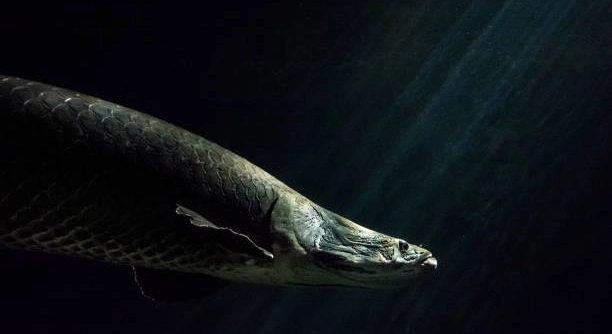
Do you ever notice your Arowana acting differently in the tank, seemingly more focused on certain movements or interactions? These changes often signal behaviors linked to breeding, which can be fascinating to observe and understand in your fish.
Arowana breeding behaviors include nest building, mouthbrooding, territorial displays, chasing, fin flaring, body coloration changes, and increased feeding activity. Observing these patterns allows aquarists to identify reproductive readiness and support a successful breeding environment.
Recognizing these behaviors early helps ensure your Arowana’s health and enhances your experience as a dedicated fish keeper.
Nest Building
Arowanas often start their breeding process by preparing a nesting area. This behavior is most common in outdoor ponds or larger aquariums where they have space. Males typically select a flat or slightly elevated surface and may clean it by moving debris around. You might notice them repeatedly swimming back and forth, arranging small plants, rocks, or other items. This activity is a sign they are ready to attract a mate and establish a safe place for eggs. Nest building is essential because it provides protection for eggs and fry once they are laid. Observing this behavior can give you insight into the readiness of your fish to breed and allow you to make any adjustments to the tank or pond environment. Maintaining clean water and proper tank conditions encourages this behavior and supports a successful spawning process. Patience is key, as Arowanas take time to prepare their nesting site.
Providing adequate space and substrate for nesting significantly increases the chances of successful breeding.
When the nest is ready, Arowanas may become more territorial. They guard the area closely, chasing away other fish and spending more time near the chosen site. This behavior ensures the eggs remain safe once they are deposited, reflecting the male’s investment in protecting the next generation. Nest building and guarding are intertwined behaviors, showing the complexity of Arowana breeding instincts and the importance of providing an environment that allows these natural behaviors to occur. Observing them closely gives a better understanding of their reproductive cycle and needs.
Mouthbrooding
Mouthbrooding is a unique reproductive behavior where one parent, usually the male, holds fertilized eggs in its mouth to protect them. This period can last several weeks until the fry are ready to swim independently.
This behavior protects eggs from predators and environmental hazards.
During mouthbrooding, the parent rarely eats, focusing entirely on the safety of the eggs. The fish may stay near the nest area, moving slowly and avoiding aggression, though it can become defensive if approached. Fry develop inside the mouth, gaining nourishment and safety until they are strong enough to survive on their own. Observing mouthbrooding gives a glimpse into the dedication of Arowanas during reproduction. Providing a quiet, low-stress environment supports this behavior, reducing the risk of losing eggs. It is essential to avoid sudden changes in water quality, temperature, or tank mates. Respecting this natural process allows both parents and offspring to thrive, ensuring healthy development and increasing the chances of a successful hatch.
Continue the article with the following outline and format. Do not write an intro for each header, get straight to the point. Do not use a greeting. Make it feel slightly personal. Write in a simplistic style. Do not greet the reader.; Outline and Format: ; Header: xxxxxxxxxxxxxxxxxxx; 50 words paragraph; 100 words paragraph; 100 words paragraph; Header: xxxxxxxxxxxxxxxxxxx; 75 words paragraph; 125 words paragraph; Note: Skip the intro, get straight to the point. The rest of the headers will be provided later, so do not write them yet. Skip the conclusion, and recap. Respect the given word count for every paragraph.
Chasing
Chasing is a frequent behavior when Arowanas prepare to breed. Males pursue females around the tank, guiding them toward the nesting site and asserting dominance over other fish.
This behavior helps establish pair bonding and ensures that the female deposits eggs in a safe location.
Body Coloration Changes
Arowanas often display more intense colors during breeding periods. Brightening of scales, especially along the head and fins, signals health and reproductive readiness. This visual cue helps attract a mate and communicate dominance.
Increased Feeding Activity
During breeding preparation, Arowanas may eat more frequently. This ensures they have the energy required for nesting, guarding, and reproductive activities.
FAQ
How do I know if my Arowana is ready to breed?
Arowanas show several clear signs of readiness. Males often build nests, flare their fins, and patrol a designated territory. Females may display brighter body colors and increased activity around the male. Observing consistent behaviors like chasing, guarding, and focused movements toward a specific area usually indicates that breeding is imminent.
What should I do when I notice nest building?
When your Arowana starts nest building, make sure the tank is spacious and clean. Provide flat surfaces or smooth rocks for them to arrange. Avoid disturbing the area, as stress can disrupt the process. Clean water, stable temperature, and minimal interference create a safe environment for nesting.
How long does mouthbrooding last?
Mouthbrooding can last anywhere from two to six weeks depending on the species and environmental conditions. During this time, the parent usually eats very little and focuses on protecting the eggs and fry. It is important to maintain a quiet, low-stress environment to support the parent’s health.
Can I separate other fish during breeding?
Yes, separating other tank mates can prevent stress and aggression. Arowanas are territorial and can harm smaller fish during this time. Providing a separate breeding tank or using dividers allows the breeding pair to focus on reproduction without conflicts or disturbances.
How can I encourage successful breeding?
Encouraging breeding involves maintaining excellent water quality, proper diet, and adequate space. Observe for natural behaviors like nest building and fin flaring. Gradually adjusting temperature or introducing a compatible mate can also stimulate breeding instincts, but it’s important to avoid sudden changes that may stress the fish.
What do I do if the Arowana becomes aggressive?
Aggression is normal during breeding. Reduce stress by ensuring plenty of space and hiding spots. Avoid handling or provoking the fish. If aggression becomes dangerous for other tank mates, consider temporary separation until the breeding cycle ends.
How do I care for fry after hatching?
Once the fry are free-swimming, start feeding them appropriately sized live or prepared foods. Monitor water quality carefully, as small fry are sensitive to changes. Gradually acclimate them to regular feeding routines while keeping them safe from adult fish, especially the parents who may still show territorial instincts.
Do environmental changes affect breeding?
Yes, Arowanas are sensitive to environmental changes. Water temperature, pH, and cleanliness directly influence breeding success. Minor gradual adjustments may stimulate spawning, but sudden changes can cause stress, aggression, or abandonment of eggs. Consistency is key for healthy reproduction.
How often can Arowanas breed?
Arowanas generally breed once or twice a year, depending on health, age, and environmental conditions. Overbreeding can stress the fish and reduce overall lifespan. Allow adequate recovery time between breeding cycles to maintain long-term health and vitality.
Are all Arowana species the same in breeding behaviors?
While the core behaviors—nesting, chasing, mouthbrooding, fin flaring—are consistent, intensity and duration can vary by species. Some species may be more aggressive or exhibit longer mouthbrooding periods. Observing your specific type closely helps in providing the proper care and environment for successful breeding.
What signs indicate eggs or fry are in danger?
Signs include abandoned eggs, increased aggression toward fry, or sudden lethargy in the parent. Poor water quality, overcrowding, or disturbances often cause these issues. Quick action—like improving tank conditions or temporarily separating fry—can increase survival chances.
Can I breed Arowanas in a small aquarium?
Breeding in small aquariums is challenging due to territorial behavior and space requirements. Larger tanks or ponds are ideal for providing room to nest, chase, and guard. Without sufficient space, aggression rises, and stress can prevent successful reproduction entirely.
Is feeding different during breeding?
Yes, diet becomes more critical. High-protein foods, live prey, and frequent small meals provide the energy required for nest building, guarding, and mouthbrooding. Consistent nutrition supports both adult health and the development of strong, healthy fry.
How do I handle aggression between males?
Aggression between males is normal. Separate them if conflicts become severe. Observing and managing territorial boundaries reduces injuries and stress. Providing visual barriers or extra hiding spaces can help maintain peace during breeding periods.
What mistakes should I avoid when breeding Arowanas?
Common mistakes include overhandling fish, disturbing nests, overcrowding, poor water quality, and sudden environmental changes. Avoiding these errors ensures the Arowanas remain healthy and focused on breeding, increasing the chance of successful spawning and healthy fry development.
This FAQ provides practical steps for recognizing and supporting Arowana breeding behaviors while maintaining a safe, stable environment for both adults and fry.
Arowanas are fascinating fish with unique breeding behaviors that can be rewarding to observe. Their instincts, from nest building and chasing to mouthbrooding and fin flaring, show a level of dedication and care that is rare among aquarium fish. Understanding these behaviors helps in recognizing when your fish are ready to breed and how to provide the best environment for them. Observing changes in color, activity, and territorial tendencies can provide early indications of reproductive readiness. Paying attention to these subtle cues allows you to adjust tank conditions or create spaces that support natural behaviors. Consistent observation is important, as Arowanas may exhibit these signs at different times depending on their age, health, and environment. Providing a spacious, clean tank with suitable hiding spots and surfaces for nesting ensures that your fish can express these behaviors naturally and safely.
Successful breeding also requires careful attention to water quality, temperature, and feeding routines. High-protein foods and regular, small meals help maintain the energy levels needed for the demanding activities associated with breeding, such as chasing, guarding, and mouthbrooding. During mouthbrooding, parents may eat less, so ensuring overall health before and after this period is essential. Reducing stress in the tank by avoiding unnecessary handling or sudden changes in environment helps support successful reproduction. Understanding the species-specific tendencies of your Arowanas is also important, as some may display more aggressive or prolonged breeding behaviors than others. Taking note of these patterns allows you to manage tank dynamics, prevent injury to other fish, and increase the likelihood of healthy fry survival. A well-prepared environment and attentive care can make the breeding process smoother and more predictable.
Observing Arowanas during their breeding periods offers a chance to see complex and purposeful behaviors up close. Their protective instincts and interactions with other fish demonstrate how much care they invest in ensuring the survival of their offspring. By recognizing and supporting these natural behaviors, you are not only promoting successful reproduction but also fostering the overall well-being of your fish. Attention to details like tank size, water conditions, and feeding routines directly impacts the outcome of breeding efforts. With patience, observation, and proper preparation, Arowanas can thrive and reproduce successfully in captivity. Maintaining a calm and consistent environment allows both adults and fry to grow healthy, making the experience of keeping these remarkable fish even more rewarding. Focusing on their needs and understanding their behaviors creates a balanced environment where their instincts can flourish naturally.

Hello,
If you enjoy the content that we create, please consider saying a "Thank You!" by leaving a tip.
Every little bit helps us continue crafting quality advice that supports the health, happiness, and well-being of pets around the world, for pets of all shapes, sizes, and species.
We really appreciate the kindness and support that you show us!