
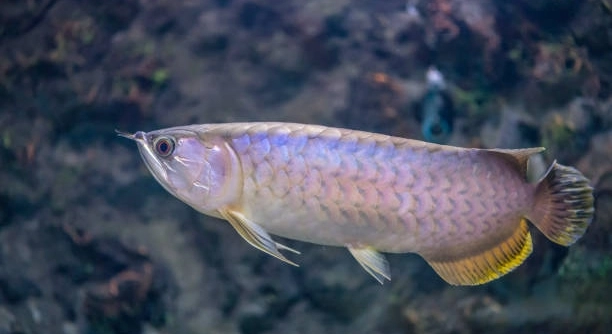
Arowanas are fascinating fish, admired for their shimmering scales and graceful movements. Many aquarium owners enjoy watching them swim slowly across the tank, noticing how they react to the environment around them. Their behavior can be surprisingly sensitive.
Arowanas can detect vibrations in the room through their lateral line system, which allows them to sense movement and pressure changes in the water. This ability helps them navigate, respond to potential threats, and locate prey efficiently.
Learning more about how arowanas sense their surroundings can improve tank care and interaction. Observing their reactions reveals insights into their natural instincts and daily behavior.
How Arowanas Sense Vibrations
Arowanas have a lateral line system, which runs along the sides of their body. This system detects small changes in water pressure and movement. When someone walks near the tank or taps the glass, the vibrations travel through the water. The fish can feel these subtle shifts and respond accordingly. In the wild, this helps them notice predators or catch prey. Even in an aquarium, the arowana’s reactions can be surprisingly precise. You might see them pause, change direction, or move closer to investigate. Their sensitivity also explains why sudden loud noises can stress them. Over time, regular gentle vibrations may become familiar, and the fish might react less sharply. Observing these behaviors teaches a lot about their natural instincts. Proper understanding allows for a calmer tank environment and better care. Respecting their sensitivity is key to keeping arowanas healthy and comfortable.
Their lateral line system makes them very aware of their surroundings, even beyond sight.
By noticing subtle movements and changes, arowanas adapt quickly to the environment. Regular observation shows patterns in their reactions to light taps, footsteps, or objects moving near the tank. Over time, this awareness improves their feeding habits, swimming patterns, and interaction with other tank inhabitants. Understanding these behaviors is important for tank setup and maintenance.
Improving Tank Conditions
Arowanas are sensitive to vibrations and noise. Reducing sudden disturbances can improve their comfort.
Proper tank placement away from high-traffic areas helps minimize unnecessary stress. Decorations should be arranged to avoid sharp water currents. Consistent water temperature and clean filters ensure a stable environment. Observing the fish’s reactions to different stimuli can guide adjustments. Some arowanas prefer quieter spaces, while others tolerate occasional movement. Feeding schedules should also consider their sensitivity to external disturbances. Providing hiding spaces or plants allows them to retreat when they feel uncertain. A calm, controlled environment encourages natural behaviors and supports overall health.
Maintaining the right conditions goes beyond avoiding noise. Water quality, lighting, and tank size all impact how arowanas respond to vibrations. Strong water currents or sudden temperature changes can amplify stress, affecting appetite and activity. Gentle handling during cleaning, using soft nets, and slowly introducing new decorations reduces disruption. Even small adjustments, like adding a background to the tank or softening lights, can make a noticeable difference. Consistent routines help the fish feel secure, allowing them to explore and interact naturally. Understanding their sensitivity allows for proactive care, preventing stress-related illness. A stable, well-thought-out setup supports their growth, behavior, and overall well-being. Observation is key—pay attention to their swimming, feeding, and resting habits. These small insights make a significant difference in maintaining a healthy, comfortable habitat for your arowana.
Signs Your Arowana Is Reacting to Vibrations
Arowanas may suddenly freeze or swim quickly when sensing vibrations. Tail flicks, rapid gill movements, or darting to corners of the tank are common responses. These reactions indicate their sensitivity and awareness of changes in their environment, even from outside the tank.
Some arowanas will approach the source of vibrations cautiously. They may circle near the glass or hover in one spot, analyzing the movement. Over time, they can distinguish familiar household noises from unusual disturbances. Regular observation can reveal patterns, such as reacting more to footsteps or tapping near the tank. Understanding these signs allows you to create a calmer space for them, reducing unnecessary stress. Keeping track of their responses also helps detect potential health or environmental issues early, since unusually strong reactions may signal discomfort or water quality problems.
Noticing subtle changes in swimming behavior or body posture is important. Arowanas sometimes adjust fin position or slightly shift their body to feel the vibrations better. They may also pause before striking at food or interacting with tank mates. Recording these behaviors over time helps you learn what triggers stress versus normal curiosity. Consistency in their reactions indicates adaptation, while sudden spikes may require environmental adjustments.
Reducing Unwanted Vibrations
Placement of the tank on a stable surface minimizes disturbance from household activity. Avoid high-traffic areas where frequent movement occurs.
Using soft padding under the tank or placing it away from doors and heavy appliances reduces vibrations effectively. Even slight impacts from walking or cleaning around the tank can transmit through water. Controlling external noise, like lowering music volume or avoiding tapping the glass, helps arowanas feel secure. Regularly checking equipment for rattles or vibration sources contributes to a calmer environment. Over time, these measures make a noticeable difference in their activity and stress levels.
Creating a stable environment involves more than location. Furniture vibrations, nearby washing machines, or even air conditioners can affect their behavior. Softening tank lighting and minimizing sudden shadows also supports calmness. Monitoring water movement from filters or pumps ensures currents don’t amplify disturbances. Providing plants or hiding spots gives arowanas control over their space, letting them retreat when startled. Daily routines, like feeding and maintenance, should be gentle and predictable. Awareness of these factors allows for proactive care, keeping the fish healthy, active, and less prone to stress-related issues. Consistency in the environment is key to promoting natural behavior and overall well-being.
Common Triggers of Vibrations
Footsteps near the tank, tapping on the glass, or moving furniture can startle arowanas. Even small disturbances can create ripples in the water that the fish easily detect. Regular household activity often causes subtle reactions in these sensitive fish.
Sudden noises from appliances or closing doors may also trigger stress. Arowanas respond instinctively, even if the vibration seems minor. Observing these triggers helps identify patterns and adjust the environment to reduce unnecessary stress for the fish.
How Arowanas React
Arowanas may swim quickly, pause, or hover in place when detecting vibrations. Some show fin flicking or subtle body shifts. These reactions indicate they are actively sensing the changes in water pressure and movement around them. Recognizing these responses helps in maintaining a calm tank.
Protective Measures
Soft padding under the tank or strategic placement away from high-traffic areas reduces stress. Minimizing external vibrations supports their overall well-being and natural behavior.
FAQ
Can Arowanas hear outside noises like humans?
Arowanas do not hear exactly like humans. They cannot detect sounds through the air in the same way we do. Instead, they sense vibrations in water using their lateral line system. These vibrations can come from footsteps, tapping, or moving objects near the tank. While they might appear to “hear” noises, it’s actually their ability to feel pressure changes and motion in the water. This system helps them react to their surroundings, whether hunting, avoiding potential threats, or noticing changes in the environment.
Why do my arowanas react when I walk by the tank?
Arowanas are highly sensitive to vibrations. When you walk near the tank, even softly, small waves travel through the water. They sense these vibrations and respond instinctively. Quick swimming, pausing, or darting to corners is their way of assessing potential danger. Over time, they may get used to familiar patterns in daily activity, but sudden or unusual movements can still startle them. Understanding their reactions helps reduce stress and create a more stable environment.
Do vibrations stress arowanas?
Yes, frequent or strong vibrations can stress arowanas. Stress affects their appetite, swimming patterns, and immune system. Even minor disturbances, repeated often, may cause chronic stress. Monitoring their responses and minimizing external disturbances is important for their health. Stable tank placement, gentle handling, and consistent routines help reduce stress.
How can I tell if my arowana is stressed from vibrations?
Stressed arowanas may swim frantically, stay in corners, or refuse food. Changes in fin position, gill movement, or body posture can also indicate stress. Sometimes, they appear lethargic after strong disturbances. Observing patterns over time helps identify whether vibrations or other environmental factors are causing discomfort.
Are some arowanas more sensitive than others?
Yes, sensitivity varies by individual fish. Some arowanas tolerate minor vibrations without noticeable reactions. Others respond quickly to the smallest disturbances. Age, size, and previous experiences can influence their sensitivity. Adjusting tank conditions to meet individual needs supports well-being and encourages natural behaviors.
Can tank placement reduce vibration stress?
Proper placement is key. Tanks should be on stable surfaces, away from doors, appliances, or heavy foot traffic. Using soft padding under the tank absorbs minor vibrations. Positioning the tank in quieter parts of the home helps arowanas feel secure. Consistent placement also reduces sudden surprises and encourages normal swimming and feeding behavior.
Do decorations or tank setup affect vibration sensitivity?
Yes, the setup influences how vibrations travel in water. Open tanks or hard surfaces transmit vibrations more easily. Plants, rocks, or other decorations can break up water movement and give fish areas to retreat. Providing hiding spots allows arowanas to respond naturally without constant stress. Adjusting tank layout can significantly reduce their exposure to unnecessary disturbances.
Will arowanas get used to household vibrations over time?
Some do, especially if the activity is consistent and predictable. Familiar vibrations, like regular walking or soft appliance noise, may become less alarming. Sudden, irregular movements are still likely to trigger reactions. Gradual exposure combined with a calm environment encourages adaptation without compromising health.
Do arowanas react differently during feeding?
Yes, feeding can temporarily reduce their sensitivity. When focused on food, they may ignore minor vibrations. However, large disturbances can still interrupt feeding. Observing how they behave during mealtime helps identify which vibrations are significant and which are harmless.
Can I use this knowledge to improve care?
Absolutely. Understanding how arowanas sense vibrations allows better tank placement, calmer handling, and predictable routines. Reducing sudden disturbances supports their health, encourages natural behaviors, and makes them more comfortable in the aquarium. Simple adjustments have a strong impact on overall well-being.
This FAQ covers common concerns about arowanas and vibrations. By recognizing how they sense and react to pressure changes, you can create a more comfortable, stress-free environment for these sensitive fish, supporting both their physical and behavioral health.
Final Thoughts
Arowanas are remarkable fish with a unique ability to sense vibrations in their environment. Unlike humans, they do not rely on hearing sounds through the air. Instead, their lateral line system allows them to detect small changes in water pressure and movement. This sensitivity helps them react quickly to potential threats, locate food, and navigate their surroundings. In an aquarium setting, this same ability makes them aware of activities outside the tank, such as footsteps, tapping on the glass, or moving objects nearby. Understanding this aspect of their behavior is important for anyone who wants to keep arowanas healthy and comfortable. It explains why they may suddenly dart, freeze, or pause when something happens near the tank.
Reducing unnecessary stress is a key part of caring for arowanas. Frequent or strong vibrations can affect their behavior and health over time. Stress may show in changes in swimming patterns, appetite, or body posture. Providing a calm, stable environment allows them to display natural behaviors and remain active and healthy. Simple adjustments, like placing the tank on a stable surface, using soft padding, or avoiding high-traffic areas, can make a noticeable difference. Tank layout also matters—plants, rocks, or other decorations help break up water movement and offer places for the fish to retreat when startled. Consistency in daily routines, including feeding and maintenance, helps them feel secure and reduces reactions to minor disturbances.
Observing arowanas closely over time provides valuable insight into their behavior. Each fish is unique, and some are more sensitive to vibrations than others. By paying attention to how they respond to different stimuli, you can better understand their needs and adjust their environment accordingly. Reducing sudden disturbances, maintaining clean water, and providing adequate space support their overall well-being. Over time, familiar vibrations may become less alarming, allowing them to adapt to life in an aquarium more comfortably. Respecting their sensitivity and creating a supportive environment encourages natural behavior, promotes long-term health, and ensures that these striking, graceful fish thrive in captivity.

Hello,
If you enjoy the content that we create, please consider saying a "Thank You!" by leaving a tip.
Every little bit helps us continue crafting quality advice that supports the health, happiness, and well-being of pets around the world, for pets of all shapes, sizes, and species.
We really appreciate the kindness and support that you show us!