
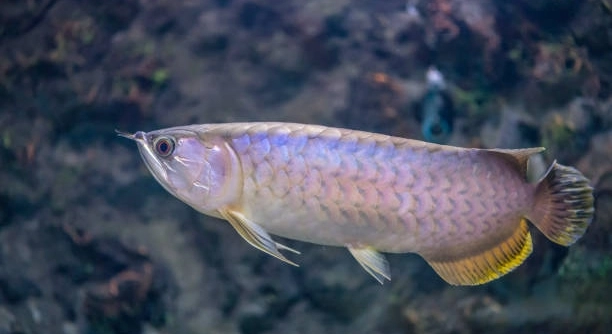
Arowanas are striking and elegant fish, admired for their graceful swimming and shimmering scales. Many aquarists focus on water quality and diet but often overlook subtle factors that can unsettle these sensitive creatures in their tanks.
Unexpected items in an aquarium can disrupt an Arowana’s environment, including reflective surfaces, inappropriate decorations, sudden lighting changes, metallic objects, sharp-edged ornaments, certain plants, and strong chemical fragrances. Each of these factors can induce stress, alter behavior, or negatively impact overall health.
Identifying these hidden stressors ensures your Arowana remains calm, healthy, and continues to thrive in a stable and harmonious aquatic environment.
Reflective Surfaces in the Aquarium
Shiny or mirrored surfaces in a tank can confuse Arowanas. They may see their reflection and interpret it as another fish, leading to aggressive or defensive behavior. This repeated stress can reduce appetite, make them more prone to illness, and even cause injuries if they strike surfaces repeatedly. Decorations like mirrored ornaments or reflective backgrounds may seem appealing, but for an Arowana, they are disruptive. Even slight reflections from nearby windows or polished objects outside the tank can trigger stress. Minimizing these reflective elements helps maintain calm, natural behavior, and protects their overall well-being. Choosing matte backgrounds or diffused lighting reduces reflections while keeping the tank visually appealing. Subtle changes like repositioning lights or covering reflective surfaces can make a significant difference in reducing anxiety. Observing behavior over several days helps identify if reflections are affecting the fish. Stress-free conditions encourage proper feeding, steady growth, and vibrant coloration, enhancing the tank’s beauty naturally.
Reflective surfaces can lead to constant stress, impacting Arowana health and behavior if not properly managed or adjusted.
Addressing reflections in the tank requires awareness of how light interacts with surfaces. Replacing shiny decorations with non-reflective ones or adjusting the tank’s position relative to windows reduces stress. Matte or darker backgrounds help eliminate reflections while maintaining visual depth. Diffused lighting softens shadows and prevents glaring reflections, promoting a calmer environment. Even subtle reflective objects outside the aquarium, like metal frames or glossy furniture, may contribute to stress. Monitoring fish behavior helps confirm improvements after changes. Calm Arowanas eat regularly, interact naturally with tank elements, and display better coloration.
Sharp or Pointed Decorations
Sharp decorations can injure Arowanas during normal swimming or playful movement. Even small scratches can become infected, compromising their immune system and overall health.
Choosing smooth rocks, rounded ornaments, or polished driftwood minimizes injury risks while providing visual interest.
Avoiding pointed objects ensures safety without reducing the tank’s aesthetic appeal. Properly positioned smooth decorations allow natural exploration and interaction, preventing unnecessary stress or accidental wounds. Arowanas are large, active swimmers, and rough or jagged items increase the risk of physical damage, which can lead to long-term health problems. Observing their swimming patterns can guide safe decoration placement. Polished wood or rounded stones not only protect them physically but also create a comfortable habitat that encourages normal behavior. Maintaining a clean tank ensures that minor scratches do not escalate into infections. The combination of safe décor, careful placement, and consistent observation supports a stress-free environment, letting Arowanas thrive while reducing the likelihood of injuries that could affect their growth or coloration.
Sudden Lighting Changes
Arowanas are sensitive to abrupt changes in light intensity, which can trigger stress and erratic swimming behavior. Frequent on-off cycles or overly bright lighting can make them anxious, affecting feeding habits and overall health.
Maintaining consistent, moderate lighting is crucial for Arowanas. Sudden shifts from bright to dark or vice versa can startle them, causing rapid swimming, collisions, or hiding. Over time, this stress can reduce immunity and hinder growth. Using a timer for tank lights ensures a predictable day-night cycle, helping fish adapt naturally. Avoid placing tanks near windows with fluctuating sunlight, as this can create inconsistent lighting conditions. Soft, indirect lighting promotes calm behavior, encouraging regular feeding and natural swimming patterns. Observation over days helps identify if lighting adjustments improve comfort and reduce stress.
Gradual changes in lighting are better tolerated than sudden shifts. Installing dimmable or adjustable lights allows for smoother transitions and reduces anxiety. Arowanas benefit from a stable environment where light mimics natural conditions, supporting proper circadian rhythms. Consistent lighting combined with regular tank maintenance ensures the fish remain healthy and active. Observing their behavior before and after lighting adjustments confirms effectiveness. Providing shaded areas with plants or decorations allows retreat if lights feel too strong. This approach balances aesthetics with comfort, ensuring a safe and visually appealing habitat for long-term well-being.
Metallic Objects in the Tank
Metallic items in an aquarium can leach harmful substances or reflect light, unsettling Arowanas. Rusting or corroding metals increase toxicity, which may impact gill function and overall health.
Avoid using any metal decorations or hardware directly in the water. Even stainless steel can corrode over time, releasing iron or other elements. Substitutes like ceramic, resin, or treated stones provide durability without risk. Ensuring no exposed metal parts touch the water prevents gradual contamination. Regular inspection of filter components, lighting mounts, and other tank accessories helps identify hidden metal risks. Arowanas are sensitive to water chemistry changes; even minor metal contamination can disrupt pH levels, oxygen absorption, or promote algae growth. Safe materials reduce stress, supporting healthy behavior, feeding, and growth patterns.
Proper tank setup requires attention to every object inside and near the water. Avoiding metals completely ensures stability in water parameters. Observing fish after removing metallic items helps confirm improvement in activity and appetite. Selecting smooth, inert materials protects their scales and prevents injuries from corrosion. Combining this with routine water testing guarantees that chemical levels remain safe. Regular maintenance, careful decoration choice, and avoiding metal exposure sustain a stable environment, supporting the Arowana’s well-being while maintaining a visually appealing aquarium.
Strong Chemical Fragrances
Strong perfumes, cleaning sprays, or air fresheners near the tank can affect water quality and stress Arowanas. The fish may become restless, hide frequently, or refuse food when exposed to chemical scents.
Keeping the tank area free from harsh chemicals and strong fragrances helps maintain a stable, calm environment for the fish.
Inappropriate Plants
Certain plants release toxins or have rough edges that can injure Arowanas. Some fast-growing plants may also alter water chemistry, increasing stress levels. Choosing non-toxic, smooth-leaved plants ensures safety and maintains water quality. Proper plant selection supports natural swimming patterns and prevents accidental injuries.
Floating Objects
Objects that float on the water’s surface can disturb swimming patterns. Arowanas may bump into them repeatedly, causing minor injuries or stress.
FAQ
What should I avoid placing in my Arowana tank?
Avoid reflective surfaces, sharp decorations, metallic items, strong chemical fragrances, sudden lighting changes, inappropriate plants, and floating objects. These items can stress Arowanas, trigger aggression, or cause injuries. Choosing smooth, non-reflective, and non-toxic materials ensures a safer and calmer environment for your fish.
Can regular household items affect my Arowana?
Yes, even items outside the tank can matter. Perfumes, sprays, or cleaners nearby may introduce chemical particles into the water. Polished furniture or mirrors near the aquarium can create reflections that confuse and stress the fish. Minimizing these external influences helps maintain stable behavior and reduces anxiety.
How can I prevent injuries from decorations?
Select smooth rocks, polished driftwood, and rounded ornaments. Avoid sharp or jagged edges. Position decorations to allow free swimming and monitor behavior regularly. Minor scratches can become infected, so removing risky items and maintaining a clean environment is critical for health.
Do lighting changes really impact Arowanas?
Yes, sudden shifts in light intensity can stress Arowanas, causing erratic swimming or hiding. Gradual transitions using dimmable lights or timers help mimic natural day-night cycles. Consistent lighting supports feeding routines, natural swimming, and overall calmness, reducing long-term stress effects.
Are metallic tank components safe?
Exposed metals, including stainless steel, can corrode and release harmful substances into the water over time. This affects gill function and water chemistry. Use inert materials like resin, ceramic, or treated stones. Regular inspection of accessories ensures no hidden metal risks exist.
Which plants are safe for Arowanas?
Opt for non-toxic plants with smooth leaves. Avoid plants that release chemicals or have sharp edges that can injure the fish. Plants should support natural swimming behavior, maintain water quality, and not overcrowd the tank, keeping space for the Arowana to move freely.
How do floating objects affect the tank?
Floating items disrupt swimming patterns. Arowanas may bump into them, causing minor injuries and stress. Limit floating decorations and ensure they do not interfere with natural movement. Observing interactions with floating objects helps identify problematic items quickly.
How do I monitor my Arowana for stress?
Signs include erratic swimming, hiding, reduced appetite, and color changes. Regular observation helps detect issues early. Adjust tank conditions, remove stress-inducing items, and maintain clean water to support health and well-being. Consistency in environment reduces anxiety and encourages natural behavior.
Can reflections from outside the tank be harmful?
Yes, reflections from windows, mirrors, or glossy surfaces may confuse the fish. Matte backgrounds or diffused lighting reduce reflections, promoting a calm atmosphere. Monitoring their behavior after adjustments confirms improvement in stress levels and overall comfort.
What maintenance practices help prevent disturbances?
Regular cleaning, safe decoration selection, stable lighting, and careful water testing prevent disturbances. Avoid introducing new items suddenly and maintain a predictable routine. Proper tank care ensures healthy, active, and stress-free Arowanas, minimizing the risk of behavioral or health problems.
How do I ensure the Arowana’s environment is safe overall?
Focus on smooth, non-toxic décor, consistent lighting, chemical-free surroundings, and stable water conditions. Remove reflective or metallic items, avoid sharp or floating objects, and select appropriate plants. Observing behavior consistently allows timely interventions for stress prevention, keeping the fish calm, healthy, and thriving.
Is water quality impacted by these unexpected items?
Yes, metals, certain plants, or chemicals can alter pH levels and oxygen absorption. Maintaining clean water, monitoring chemistry, and eliminating risk factors preserves optimal living conditions for the Arowana. Regular testing and preventive measures ensure the habitat remains safe and stable.
How long does it take for Arowanas to adjust after removing stressors?
Adjustment varies by individual. Most show calmer behavior within days, but full recovery may take weeks. Consistency, safe décor, proper lighting, and stable water conditions accelerate adaptation and help restore normal feeding, swimming, and natural activity patterns.
What are subtle signs of stress I might miss?
Mild color changes, brief hiding, reduced interaction with tank elements, or slight fin clamping may indicate stress. Close observation and comparing day-to-day behavior help identify these signs early. Acting promptly prevents escalation and promotes long-term health.
Can I use any reflective décor safely?
Small reflective items outside the water or well-shielded decorations may be acceptable. Ensure the fish cannot see its reflection repeatedly or feel threatened. Minimizing direct reflections is safer and reduces potential stress while maintaining aesthetic appeal.
Does tank location affect Arowana stress?
Yes, placing the tank near high traffic areas, windows, or strong light sources can increase stress. Choose a quiet, stable environment with moderate light and minimal external disturbances. Monitoring their response confirms whether the location is suitable.
How important is consistency in tank conditions?
Highly important. Arowanas thrive in predictable environments. Consistent lighting, décor, water parameters, and minimal external disturbances reduce stress, support proper feeding, and encourage natural behavior, ultimately enhancing their health and longevity.
Are there items I might think are safe but aren’t?
Yes, even polished or decorative items can create reflections, metals can corrode, and some plants release toxins. Always research materials and monitor fish behavior to ensure every object contributes to a safe habitat.
How do I choose decorations for both safety and aesthetics?
Select smooth, non-toxic materials, rounded shapes, and stable objects that do not float or reflect excessively. Consider color and texture to enhance the tank visually while keeping safety as the top priority. Regular observation ensures the Arowana interacts safely with the environment.
Can stress from these items affect long-term health?
Yes, chronic stress weakens immunity, reduces appetite, slows growth, and can trigger disease. Preventing exposure to harmful items and maintaining calm, stable conditions supports long-term health, vibrant coloration, and natural behavior. Regular checks and adjustments are essential for well-being.
What steps ensure a calm, stable environment?
Remove reflective, metallic, sharp, or toxic items. Use consistent lighting, safe plants, and smooth decorations. Maintain water quality, monitor behavior, and minimize chemical exposure. Gradual changes and predictable conditions help Arowanas remain healthy, stress-free, and active.
How often should I review tank items for safety?
Regularly—weekly visual inspections and monthly detailed checks of décor, plants, and equipment help prevent hidden stressors. Early detection allows timely removal or replacement of items that may negatively affect the Arowana.
What adjustments are easiest to implement first?
Lighting consistency, removing reflective surfaces, and replacing sharp or metallic items are simple initial changes. Observing behavior before and after adjustments helps prioritize further interventions for stress reduction and habitat optimization.
How do I balance aesthetics with safety?
Choose materials that are smooth, non-toxic, and non-reflective, while considering color, shape, and placement. Safe decoration can still create a visually appealing tank without compromising the Arowana’s well-being. Regular observation ensures both comfort and beauty are maintained.
Can water testing detect issues from these items?
Yes, testing pH, ammonia, nitrite, and other chemical levels identifies hidden contamination from metals, chemicals, or decaying plants. Keeping parameters within safe ranges protects Arowanas from stress and potential health complications.
How can I ensure my Arowana remains active and stress-free?
Consistent tank conditions, safe décor, stable lighting, and proper water quality are key. Observing behavior and removing or adjusting items that cause stress helps the fish maintain normal activity, feeding, and vibrant coloration, supporting long-term health.
Are some Arowanas more sensitive than others?
Individual temperament varies. Some Arowanas are more reactive to reflections, lighting changes, or environmental shifts. Monitoring behavior and making gradual adjustments allows each fish to adapt comfortably to its surroundings.
How do I maintain these practices over time?
Routine observation, consistent cleaning, careful decoration selection, and monitoring water chemistry are essential. Staying attentive ensures the habitat remains safe, reducing stress and supporting the Arowana’s long-term health and activity.
What should I do if my Arowana shows persistent stress?
Reassess all tank elements: décor, lighting, plants, chemicals, and placement. Remove or adjust items that may cause disturbance. Maintain stable water parameters and provide hiding spaces. Persistent stress may require consultation with an aquatic specialist for further guidance.
How do I know if my changes are working?
Monitor swimming behavior, feeding habits, color vibrancy, and interaction with tank elements. Improvement is seen in calmer movements, regular feeding, and consistent coloration, confirming that the Arowana is adapting well to a safer, less stressful environment.
Can small changes make a big difference?
Yes, even minor adjustments like covering reflective surfaces, removing a sharp decoration, or stabilizing lighting can significantly reduce stress. Attention to detail ensures a calmer, healthier environment for your Arowana.
How do I prevent future disturbances?
Prioritize safe materials, consistent conditions, and careful placement of new items. Observe behavior regularly and act on subtle stress signs. Maintaining awareness and proactive care keeps the tank environment stable and supportive of the fish’s health and well-being.
Arowanas are fascinating and elegant fish that require a stable and carefully managed environment to thrive. Even small, unexpected items in their tank can cause significant stress or disrupt their natural behavior. From reflective surfaces and sharp decorations to sudden lighting changes and strong chemical fragrances, each factor can affect their well-being in subtle ways. Many aquarists focus on water quality and feeding routines but may overlook these hidden influences. Understanding how everyday objects, materials, and tank arrangements can disturb Arowanas helps create a safer and more comfortable habitat. Paying attention to these details ensures the fish remain calm, active, and healthy over the long term.
Creating a suitable environment for Arowanas means selecting decorations, plants, and lighting with care. Smooth, non-toxic, and non-reflective materials prevent injuries and reduce stress. Gradual changes in lighting and the use of timers can support natural day-night cycles and proper behavior. Floating objects or metallic items should be avoided, as they can affect swimming patterns or water chemistry. Even subtle influences like reflections from nearby mirrors, polished surfaces, or household chemicals can disturb the fish. Maintaining a predictable and consistent environment reduces anxiety, supports regular feeding, and encourages natural movement and coloration. Observing behavior regularly allows you to identify issues quickly and make necessary adjustments to preserve the Arowana’s health.
Proper tank management also includes ongoing monitoring and routine maintenance. Regular inspections of decorations, plants, and equipment help prevent unnoticed hazards. Water testing ensures that chemical levels remain safe, protecting the fish from harmful elements. Removing stress-inducing items and maintaining a calm environment improves immunity, encourages normal growth, and enhances overall well-being. Small adjustments, such as repositioning lighting, replacing reflective backgrounds, or choosing smoother materials, can make a meaningful difference. By understanding and addressing these factors, you can ensure your Arowana thrives in a peaceful, stable, and secure habitat. A careful, attentive approach provides both safety and comfort, creating conditions where the fish can display their natural beauty and behavior without unnecessary stress.

Hello,
If you enjoy the content that we create, please consider saying a "Thank You!" by leaving a tip.
Every little bit helps us continue crafting quality advice that supports the health, happiness, and well-being of pets around the world, for pets of all shapes, sizes, and species.
We really appreciate the kindness and support that you show us!