
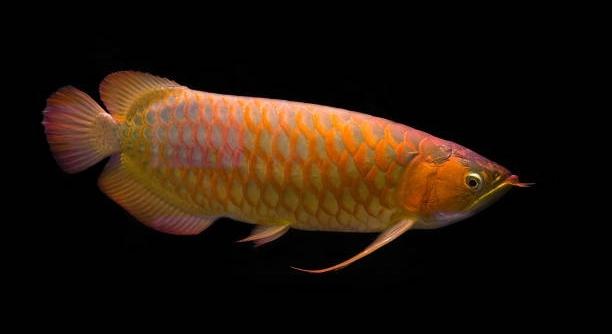
Keeping an arowana healthy requires more than just clean water and proper feeding. Many fish owners unknowingly adopt habits that can harm these majestic creatures. Even small mistakes can result in serious injuries over time.
Seven common poor habits contribute to arowana injuries, including improper handling, overcrowded tanks, inadequate filtration, sharp decorations, sudden water changes, aggressive tank mates, and lack of proper nutrition. Each factor increases stress and susceptibility to physical harm.
Understanding these risks helps you protect your arowana and maintain a safe, comfortable environment for long-term wellbeing. Preventing injuries starts with awareness and careful care choices every day.
Improper Handling
Arowanas are delicate fish with strong, sleek bodies that can be easily injured if handled carelessly. Lifting them directly from the tank or using inadequate nets can cause scale loss, fin tears, or stress-related injuries. Even a quick transfer for tank cleaning or medical care requires gentle support and minimal exposure to air. Sudden movements, dropping, or squeezing the fish can damage internal organs or the lateral line system, which is essential for sensing water currents. Gloves, soft nets, or containers with smooth surfaces reduce the risk of abrasions. Consistent, careful handling also helps the fish remain calm during necessary procedures. Avoid tapping on the tank or trying to chase the fish, as these actions can provoke panic swimming, collisions, and accidental injury. Every interaction with your arowana should prioritize its comfort and safety, ensuring it remains healthy and injury-free. Awareness and patience during handling are key to long-term wellbeing.
Improper handling often results in injuries that take weeks to heal, impacting the fish’s overall growth and behavior.
Gentle, careful handling prevents scale damage, stress, and physical injuries. Taking the time to prepare nets, gloves, and a safe container ensures your arowana’s health remains intact. Repeated rough handling accumulates stress and can worsen minor injuries, so consistency in care practices is crucial. Minimizing sudden movements and avoiding direct grabbing maintains a calm environment, reducing the risk of panic-induced collisions. By paying attention to these details, injuries from handling can largely be prevented, supporting your arowana’s longevity and smooth swimming habits. Proper handling also reinforces a routine where the fish associates interactions with minimal stress, making regular tank maintenance and observation easier. Over time, careful handling helps maintain the natural luster of scales and strength of fins, ensuring your arowana remains vibrant and resilient.
Overcrowded Tanks
Overcrowding increases stress and aggression among fish, raising the chance of injury. When an arowana has too little space, it may collide with decorations, glass walls, or other fish.
An overcrowded tank not only restricts swimming but also deteriorates water quality. Waste accumulates faster, oxygen levels drop, and ammonia can rise, all of which weaken the fish and make injuries more likely. Territorial disputes in limited space lead to chasing, nipping, and fin damage. Even well-matched tank mates become aggressive under crowded conditions. Providing a tank that is large enough for an adult arowana allows natural swimming patterns, reduces stress, and minimizes accidental collisions. Decorations should be arranged to maximize open space while offering hiding spots. Regular water testing, filtration adjustments, and spacing considerations prevent health complications. Overcrowding not only affects physical safety but also limits growth, reduces feeding efficiency, and lowers immune response. Arowanas thrive in spacious, well-maintained tanks where they can swim freely without constant stress from their environment or companions.
Inadequate Filtration
Arowanas need clean, well-oxygenated water. Weak filters fail to remove waste and toxins, stressing the fish and increasing the risk of injury from frantic swimming or weakened health.
Insufficient filtration allows ammonia, nitrites, and other harmful substances to accumulate, which irritate gills and skin. This can make scales more prone to damage and reduce the fish’s ability to heal from minor injuries. Poor water flow can also create areas of stagnant water, limiting oxygen availability and forcing the fish to swim in unsafe patterns. Strong currents or uneven flow may push the fish into tank walls or decorations, causing physical harm. Regular maintenance, filter checks, and water testing help prevent these issues. A reliable filtration system maintains water clarity, chemical balance, and oxygen levels, creating a stable environment where the arowana can swim freely without unnecessary stress or accidental injury.
Proper filtration prevents injury by reducing stress, maintaining oxygen, and keeping water safe. Consistent filter upkeep supports healthy swimming and prevents accidental collisions, sustaining the fish’s overall wellbeing.
Sharp Decorations
Sharp or rough decorations can cut fins and scales, especially if the arowana swims quickly or panics. Smooth surfaces are essential to reduce accidental injuries.
Even decorative rocks, ornaments, or driftwood can have jagged edges that tear delicate fins. Aggressive swimming or sudden darting during feeding increases the chance of collisions, causing bleeding or infections. Regular inspection of decorations and sanding or replacing hazardous items helps protect your arowana. Positioning decorations to allow open swimming paths reduces the risk of impact, while still providing hiding spots for comfort. Choosing materials designed for aquariums ensures they are safe and non-toxic. Injuries from sharp objects can be painful and slow to heal, so prevention is far better than treatment. Proper tank arrangement balances aesthetics with safety, promoting a calm, injury-free environment.
Sudden Water Changes
Rapid water changes shock arowanas, stressing them and making them more prone to injuries. Gradual adjustments are essential to maintain stable conditions and protect their health.
Drastic temperature or pH shifts can cause frantic swimming, collisions, and scale loss. Introducing new water slowly and monitoring conditions prevents stress-related injuries.
Aggressive Tank Mates
Arowanas can be targeted by aggressive fish, leading to fin nipping, scale damage, or stress. Selecting compatible species reduces conflict and protects the fish’s physical and mental wellbeing.
Lack of Proper Nutrition
Inadequate or imbalanced diets weaken arowanas, making them more vulnerable to injuries and slower to recover from wounds. Providing high-quality, species-appropriate food is crucial for strong scales, fins, and overall resilience.
Overfeeding
Feeding too much disrupts water quality, leading to stress and accidental collisions. Controlled feeding ensures arowanas remain healthy and reduces the risk of injury in their tank.
FAQ
What are the first signs of an arowana injury?
Early signs include torn or frayed fins, missing scales, unusual swimming patterns, and visible scratches or abrasions. Changes in appetite, lethargy, or rubbing against tank surfaces can also indicate stress or injury. Observing your arowana regularly helps catch problems before they worsen.
How should I treat minor injuries?
Minor cuts or scale loss often heal on their own if the water is clean and stable. Adding aquarium salt in recommended amounts can reduce stress and prevent infection. Avoid handling the fish excessively during recovery and maintain optimal tank conditions.
Can arowanas recover from severe injuries?
Severe injuries may require professional intervention, especially if internal damage or deep wounds are present. Veterinary care can provide antibiotics or specialized treatments. Early detection and maintaining a clean environment are critical for recovery.
How often should I inspect decorations for hazards?
Check decorations every few weeks for sharp edges, cracks, or rough surfaces. Even smooth ornaments can develop jagged spots over time. Regular inspection prevents accidental cuts and injuries. Replace or smooth any potentially harmful items immediately.
Is tank size really that important?
Yes. Adult arowanas need ample swimming space to avoid collisions and reduce stress. Overcrowded tanks increase aggression and the likelihood of injuries. A minimum of 250 gallons is recommended for a fully grown arowana, with open swimming areas and strategically placed decorations.
What water parameters are safest for arowanas?
Stable temperature (around 75–82°F), pH between 6.5 and 7.5, and low ammonia and nitrite levels are essential. Fluctuations can stress the fish, causing erratic swimming and accidents. Regular water testing and gradual adjustments prevent sudden shocks.
How can I prevent tank mate aggression?
Choose compatible species with similar size and temperament. Avoid overly aggressive or fast-moving fish that may chase or nip. Providing hiding spots and ample swimming space reduces territorial disputes and minimizes injuries.
Can diet influence injury recovery?
Absolutely. High-quality, protein-rich food supports healing and strengthens fins and scales. Vitamins and supplements, such as vitamin C, can improve tissue repair and immunity. Avoid overfeeding, as it can compromise water quality and delay recovery.
How frequently should I change water to prevent stress?
Partial water changes of 20–30% weekly are ideal. Sudden or large changes can shock the fish, causing panic swimming and collisions. Consistent, gradual adjustments maintain stable conditions and reduce injury risk.
Are nets safe for handling?
Soft, fine-mesh nets are safest. Avoid rigid or coarse nets that can tear fins or scales. Always support the fish gently and minimize air exposure. Handling should be limited to essential tasks to prevent stress-induced injuries.
What are the signs of stress that may lead to injury?
Erratic swimming, constant hiding, loss of appetite, and rubbing against surfaces are clear signs. Stress weakens the immune system, making arowanas more prone to infections and slower to heal from minor injuries.
Can tank lighting affect injury risk?
Harsh or flickering lights can stress fish, prompting sudden movements or collisions. Use moderate, consistent lighting to create a calm environment. Timers help maintain a stable day-night cycle, reducing stress-related accidents.
How do I prevent fungal or bacterial infections after an injury?
Maintain clean water, stable temperature, and balanced parameters. Treat minor injuries with aquarium salt or recommended antibacterial solutions. Isolate severely injured fish if necessary to prevent infection from spreading. Monitoring healing progress is key.
Are certain substrates safer than others?
Smooth gravel or sand is preferable. Sharp rocks or coarse substrates can tear fins and scales if the fish scrapes against them. Substrate choice impacts safety, especially during frantic swimming or territorial disputes.
How long does it take for arowanas to fully recover from injuries?
Recovery varies depending on severity. Minor cuts may heal within days to a week, while deep wounds or fin tears can take several weeks. Consistent water quality, nutrition, and minimal stress are essential for full recovery.
Can stress alone cause injuries without external hazards?
Yes. Stressed arowanas may swim erratically, collide with tank walls, or injure themselves trying to escape perceived threats. Stable conditions, compatible tank mates, and gentle handling help prevent stress-induced injuries.
Is quarantine necessary for new fish to prevent injuries?
Quarantining new fish prevents disease introduction and reduces aggressive encounters. Introducing a new fish directly into an established tank can provoke fights, resulting in injuries to both the newcomer and existing arowanas.
How do I encourage calm behavior in my arowana?
Provide open swimming space, stable water conditions, and consistent feeding routines. Avoid tapping on the tank or sudden movements near the aquarium. Calm behavior reduces collisions and lowers the risk of self-inflicted injuries.
What should I do if my arowana repeatedly injures itself?
Assess tank layout, decorations, water conditions, and tank mates. Persistent injuries often indicate stress or environmental issues. Adjusting these factors and consulting a veterinarian ensures proper treatment and long-term safety.
Are there preventive measures for young arowanas?
Start with spacious tanks, smooth decorations, gentle handling, and balanced nutrition. Young arowanas are more vulnerable to accidents and require careful monitoring to prevent scale loss, fin tears, or stress-related injuries.
How important is observation in preventing injuries?
Daily observation is crucial. Watching behavior, swimming patterns, and physical appearance allows early intervention. Prompt attention to minor issues prevents them from escalating into serious injuries or infections.
Do seasonal changes affect injury risk?
Yes. Temperature fluctuations in winter or summer can stress fish. Maintaining consistent heater settings and monitoring water parameters prevents stress-induced erratic swimming and collisions.
Can exercise help reduce injuries?
Providing sufficient swimming space encourages natural movement and reduces stress. Exercise strengthens muscles and fins, improving agility and reducing accidental collisions with tank walls or decorations.
Is there a role for supplements in injury prevention?
Vitamins and minerals, particularly those supporting skin, scales, and immunity, help reduce the likelihood of injury and improve healing. A balanced, species-specific diet is usually sufficient, but supplements can be useful in certain cases.
How do I know if an injury is infected?
Signs include redness, swelling, white patches, or a foul odor. Infection can develop rapidly in aquarium environments. Immediate treatment and water quality management are essential to prevent worsening conditions.
Can stress from human activity cause injury?
Yes. Sudden movements, loud noises, or tapping the tank can startle arowanas, leading to collisions or frantic swimming. Maintaining a calm environment and minimizing disturbances reduces injury risk significantly.
How long should I isolate an injured arowana?
Isolation depends on the injury’s severity. Minor wounds may not require separation, but deep cuts or fin tears benefit from a quarantine tank to prevent infections and reduce stress from other fish.
Are store-bought treatments safe for injured arowanas?
Most treatments designed for freshwater fish are safe when used as directed. Always follow instructions carefully and avoid mixing multiple chemicals unless recommended, as this can stress or harm the fish.
What is the biggest factor in preventing recurring injuries?
Consistent care, proper tank setup, stable water conditions, compatible tank mates, and attentive observation are the most important measures. Preventing stress and environmental hazards ensures your arowana remains healthy and injury-free over time.
How often should I perform water testing for injury prevention?
Weekly testing for ammonia, nitrites, nitrates, and pH helps detect changes before they stress the fish. Regular checks allow timely adjustments, maintaining a safe environment and reducing injury risks.
Can lighting schedules influence stress levels?
Consistent lighting schedules reduce stress, as sudden brightness changes can startle arowanas. Timers create predictable day-night cycles, encouraging calm swimming and lowering the chance of accidents.
Should I avoid aggressive feeding practices?
Yes. Competition over food can cause frantic chasing, collisions, and injury. Feeding in multiple spots or one-on-one sessions minimizes aggression and ensures each fish eats safely.
Is observation more important than treatment?
Both are important, but prevention through careful observation is more effective than treating injuries after they occur. Noticing subtle behavior or physical changes allows proactive intervention before serious harm happens.
Can improper water hardness affect injuries?
Extremely soft or hard water can stress arowanas, weakening their immune system and making them more prone to injuries. Maintaining recommended water hardness supports healthy scales and fins, reducing accidental damage.
How can I make my tank safer for jumps or leaps?
Ensure the tank has a secure lid, avoid sharp decorations near the surface, and provide calm lighting to prevent panic jumping, which can cause collisions or scale loss.
Does tank cleaning influence injury risk?
Yes. Regular cleaning prevents waste buildup, harmful bacteria, and ammonia spikes, all of which can stress the fish. Stress increases erratic swimming and the likelihood of accidental injury.
Are floating objects safe?
Floating plants or decorations must be stable and soft. Loose items can hit the fish or trap fins, causing injuries. Proper placement and secure fixtures reduce these risks.
How do I balance aesthetics with safety?
Choose smooth, rounded decorations, arrange them to maximize open swimming space, and avoid overcrowding. A visually appealing tank can be safe if hazards are minimized.
Can stress from sudden noises really cause injury?
Yes. Loud bangs, claps, or vibrations can startle an arowana, leading to rapid swimming, collisions with walls, and fin damage. Consistent, calm surroundings are crucial for injury prevention.
How important is consistent feeding for injury prevention?
Regular, measured feeding prevents frantic competition and stress. Overfeeding or unpredictable schedules increase activity levels, heightening the risk of collisions or fights with tank mates.
Do all arowanas react the same to environmental stress?
Individual temperament varies. Some are calmer and less likely to injure themselves, while others panic more easily. Understanding your fish’s behavior helps tailor preventive measures effectively.
How do I monitor long-term recovery from injuries?
Track fin regrowth, scale regeneration, behavior, and appetite. Take notes or photos to compare progress over time. Gradual improvements indicate proper healing, while stagnation may require intervention.
Are water conditioners necessary after injuries?
Yes. Conditioners remove chlorine, chloramines, and heavy metals that can irritate wounds. Using them ensures a safe, stress-free environment that supports recovery.
Can I prevent injuries completely?
While some accidents are unavoidable, careful tank setup, proper handling, water quality maintenance, and compatible tank mates greatly reduce risks and minimize injuries over time.
Is stress from frequent observation harmful?
No, if done calmly and quietly. Gentle observation allows early detection of problems without startling the fish, making it a key part of injury prevention.
What are the long-term effects of repeated injuries?
Chronic injuries weaken fins, scales, and immunity, increase susceptibility to infections, and can alter swimming patterns. Preventing recurring injuries ensures stronger, healthier arowanas over their lifespan.
How do I know when to consult a veterinarian?
Seek professional help for deep wounds, persistent bleeding, abnormal swimming, or signs of infection. Early intervention prevents complications and supports full recovery.
Can water temperature swings cause injury indirectly?
Yes. Fluctuations stress fish, causing erratic swimming and collisions. Maintaining stable, appropriate temperatures minimizes panic-induced injuries and supports overall health.
Is arowana temperament a factor in injury risk?
Yes. More active or aggressive individuals are prone to bumping into objects or other fish. Understanding personality helps in tank planning and injury prevention.
Can stress from moving the tank cause injuries?
Yes. Sudden relocation, shaking, or jostling can stress the fish, causing collisions, scale loss, or fin tears. Handling the tank carefully is essential.
Are medications safe during recovery?
Only as directed. Some chemicals may irritate wounds or stress the fish. Follow instructions carefully and avoid mixing treatments unless recommended by a professional.
How important is consistency in care routines?
Consistency in feeding, water changes, handling, and observation reduces stress and prevents accidents. Predictable routines help arowanas feel secure, minimizing injury risks.
Can overstocking increase injury frequency?
Yes. More fish in limited space increases chasing, aggression, and accidental collisions. Proper stocking density is essential for safe, calm tank conditions.
How does tank shape affect injury risk?
Tanks with sharp corners or narrow areas can increase collisions. Open layouts with smooth surfaces allow safer swimming and reduce accidental injuries.
Are certain arowana species more prone to injuries?
Larger, more active species are more likely to collide with objects or tank mates. Knowing species-specific behaviors helps design safer habitats.
Can stress from water vibration cause injury?
Yes. Pumps, filters, or external vibrations may startle the fish, causing rapid swimming and accidental contact with walls or decorations.
Is it safe to use nets during feeding?
Avoid nets during feeding. Chasing food with a net can stress the fish, causing collisions and fin damage. Feed calmly and observe without interference.
How can I tell if my arowana is too stressed to prevent injuries?
Signs include constant hiding, frantic swimming, loss of appetite, and pale coloration. Early intervention and environmental adjustments help reduce stress and prevent self-inflicted injuries.
Does aquarium size affect stress levels?
Yes. Larger, open tanks reduce stress by allowing natural swimming patterns. Smaller tanks increase territorial disputes and accidental collisions. Proper size is key for safe, injury-free fish.
How does tank maintenance relate to injury prevention?
Regular cleaning, filter checks, and water testing prevent poor water quality, which stresses the fish and increases erratic swimming or collisions. Consistent upkeep maintains a safe, calm environment.
Can stress from tank vibrations lead to scale loss?
Yes. Stress-induced rapid movements can cause scraping against surfaces, resulting in scale loss. Minimizing vibrations preserves scale integrity and reduces injuries.
Are quarantine tanks necessary for injury management?
Yes. Isolating injured or new fish prevents infections, stress from other fish, and further physical damage, allowing focused care during recovery.
How can I make swimming areas safer?
Remove sharp edges, provide smooth substrates, and arrange decorations for open paths. Adequate swimming space prevents collisions and stress-induced injuries.
What role does water quality play in recovery speed?
High-quality water speeds healing by reducing infection risk and stress. Poor conditions prolong recovery and increase vulnerability to further injury.
Can sudden feeding changes cause injury?
Yes. Sudden overfeeding or aggressive feeding can cause panic swimming, collisions, and fin damage. Gradual diet adjustments reduce stress-related injuries.
Is observation frequency important for injury prevention?
Yes. Daily monitoring allows early detection of minor issues, preventing them from escalating into serious injuries or infections.
Do tank plants help prevent injuries?
Soft, well-placed plants provide hiding spots without sharp edges. They reduce stress and give the fish areas to rest safely, minimizing collisions.
Can lighting intensity affect recovery?
Bright or flickering lights stress the fish, potentially slowing recovery and causing erratic swimming. Moderate, stable lighting supports healing and calm behavior.
How do I manage water chemistry for injured fish?
Maintain stable temperature, pH, hardness, and low toxins. Consistent water chemistry reduces stress and supports efficient tissue repair.
Are soft substrates better for injury prevention?
Yes. Sand or smooth gravel reduces fin and scale damage if the fish scrapes the bottom or swims rapidly. Hard or jagged substrates increase injury risk.
Can overcrowding delay recovery?
Yes. Limited space increases chasing, stress, and collisions, slowing healing. Providing adequate room and compatible tank mates ensures faster, safer recovery.
Does filter flow affect injured arowanas?
Strong currents can worsen injuries by pushing the fish into obstacles. Adjustable flow or gentle currents reduce stress and accidental collisions.
Are fin nippers a threat to recovery?
Yes. Aggressive tank mates can tear fins or scales, prolonging injury healing. Isolation or careful species selection prevents repeated damage.
Can improper diet worsen injuries?
Poor nutrition weakens tissue and slows healing. Providing protein-rich, balanced food supports recovery and strengthens scales and fins.
How do I maintain calm during feeding for injured fish?
Feed in quiet, consistent routines, using multiple locations to prevent chasing. Calm feeding reduces panic swimming and accidental collisions.
Can water temperature spikes cause injury indirectly?
Yes. Sudden increases or decreases stress the fish, triggering rapid swimming and collisions. Stable temperatures protect both health and safety.
Are supplements helpful during recovery?
Yes. Vitamins, especially those supporting immunity and tissue repair, aid healing. Use as directed to enhance recovery without causing stress.
How often should I observe injured arowanas?
Daily observation allows tracking fin regrowth, scale healing, and swimming behavior. Prompt detection of complications ensures timely intervention.
Can aggressive behavior reoccur after recovery?
Yes. Personality and environmental factors influence behavior. Proper tank setup, compatible mates, and calm routines help prevent repeat injuries.
Is water testing critical during recovery?
Absolutely. Maintaining ideal water parameters prevents stress, infections, and complications, ensuring arowanas recover efficiently and safely.
How do I know if healing is complete?
Fins and scales appear fully regrown, swimming is normal, and behavior is calm. Continued observation ensures the injury does not reopen or worsen.
Can stress management reduce future injuries?
Yes. Stable environment, consistent care, and careful handling minimize stress, lowering the risk of accidental or self-inflicted injuries in the future.
Are all injuries visible externally?
Not always. Internal injuries or minor stress-related trauma may not be immediately visible. Behavioral changes often indicate hidden problems requiring attention.
What are the signs of infection after an injury?
Redness, swelling, white patches, and lethargy indicate infection. Prompt treatment and clean water are essential to prevent worsening conditions.
How important is gentle handling during recovery?
Crucial. Minimizing handling reduces stress, prevents additional injuries, and supports faster healing. Handle only when necessary using soft nets or hands.
Can water conditioners speed recovery?
Yes. Removing chlorine, chloramines, and heavy metals reduces irritation to wounds, promoting a safer, calmer healing environment.
Do tank layout adjustments help prevent recurring injuries?
Yes. Creating open swimming paths, removing hazards, and arranging decorations safely reduces collisions and repeated injuries, supporting long-term fish health.
Is it necessary to isolate aggressive tank mates during recovery?
Yes. Separation prevents fin nipping, stress, and additional injuries, giving the recovering arowana a safe, calm environment to heal.
How long should I monitor behavior after recovery?
At least several weeks. Even minor environmental changes can trigger stress or collisions, so continued observation ensures the fish remains safe and healthy.
Can temperature fluctuations during recovery cause setbacks?
Yes. Sudden changes
Final Thoughts
Caring for an arowana requires consistent attention, patience, and a focus on creating a safe environment. These fish are elegant and strong, but their physical structure makes them vulnerable to injuries if the conditions around them are not carefully managed. Small mistakes, like using sharp decorations, overcrowding the tank, or sudden water changes, can quickly result in torn fins, missing scales, or even more serious internal damage. By paying attention to these details, you reduce the chances of accidents and create a habitat where your arowana can thrive. Gentle handling, appropriate tank size, compatible tank mates, and clean, stable water are essential components of everyday care. Each of these factors contributes to the fish’s overall health and helps prevent stress-induced injuries that are common among arowanas kept in less-than-ideal conditions.
Monitoring your arowana regularly is one of the simplest yet most effective ways to prevent injuries. Observing swimming patterns, fin and scale condition, and feeding habits allows you to spot problems before they worsen. Even small abrasions or minor scale loss can indicate environmental issues or stress that need to be addressed immediately. In addition to observation, maintaining proper nutrition plays a key role in injury prevention. A balanced diet with high-quality protein and essential vitamins strengthens scales, fins, and immune systems, making the fish more resilient to both external and internal threats. Water quality is equally important, as poor conditions can stress the fish, impair healing, and increase the likelihood of infections. Simple routines, like weekly water testing, gradual water changes, and proper filtration, provide the stability that arowanas need for long-term health.
Creating a safe environment for your arowana is not only about preventing injuries but also about promoting natural behavior and well-being. Open swimming space, soft substrates, and smooth decorations reduce the chance of collisions while allowing the fish to explore and exercise freely. Controlling environmental stressors, such as sudden noises, aggressive tank mates, or irregular feeding schedules, ensures the fish remains calm and confident in its surroundings. While it may seem like a lot of details to manage, each step is manageable with consistent care and observation. Arowanas can live long, healthy lives when their environment supports both physical safety and mental calm. By prioritizing injury prevention, you are investing in the fish’s overall quality of life, ensuring that its strength, beauty, and natural behavior are preserved for years to come.

Hello,
If you enjoy the content that we create, please consider saying a "Thank You!" by leaving a tip.
Every little bit helps us continue crafting quality advice that supports the health, happiness, and well-being of pets around the world, for pets of all shapes, sizes, and species.
We really appreciate the kindness and support that you show us!