
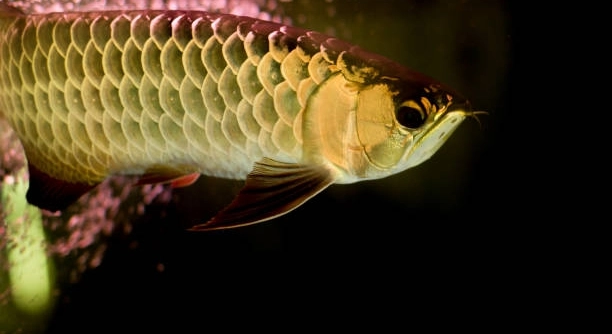
Is your arowana spending more time at the bottom of the tank than swimming gracefully in open water? Observing this behavior can be puzzling and sometimes concerning for owners trying to maintain a healthy and comfortable environment for their fish.
Arowanas dig at the bottom primarily due to natural foraging instincts, stress, or environmental factors. Uneven substrate, insufficient hiding spaces, and water quality issues can all contribute to this behavior, signaling that adjustments in care may be necessary for their well-being.
Understanding why your arowana digs can help improve its habitat and overall health. Small changes in the tank can make a significant difference in behavior.
Common Reasons Arowanas Dig at the Bottom
Arowanas often dig at the bottom due to instinctive behaviors and environmental factors. In the wild, they sift through the substrate to search for food or to mark territory. In home tanks, this behavior can appear even without obvious food sources. Stress is another major factor. Sudden changes in water temperature, aggressive tank mates, or inadequate hiding spots can trigger digging as a coping mechanism. Some arowanas are naturally more active or curious, leading them to explore the bottom constantly. Substrate type also plays a role; soft sand allows easier digging, while rough gravel may deter this activity. Regular observation helps identify patterns and determine whether digging is harmless exploration or a sign of discomfort. Adjusting the tank environment, such as providing suitable substrate, proper lighting, and enriching the habitat, often reduces excessive digging while supporting the fish’s natural instincts.
This behavior is not always harmful, but consistent observation is necessary to maintain tank balance.
Providing the right conditions ensures your arowana remains healthy and active. A balanced tank reduces stress and supports natural behaviors. Adjustments to water parameters, hiding spaces, and substrate can minimize destructive digging, keeping the fish content and the tank stable. Over time, you will notice a more relaxed and confident arowana, exploring the environment without causing damage.
Environmental Adjustments to Reduce Digging
Maintaining clean water and proper temperature is essential for preventing digging behaviors.
Water quality directly impacts an arowana’s comfort and stress levels. Dirty or poorly filtered water can irritate the fish and increase restlessness, causing them to dig. Temperature fluctuations make them uneasy, prompting continuous substrate interaction. Providing ample swimming space and hiding areas helps them feel secure. Decorations, rocks, or driftwood create interest without encouraging constant digging. Substrate choice matters too; finer sand reduces strain on their mouths and allows natural foraging, while gravel may cause frustration or injury. Regular tank maintenance, including weekly water changes and monitoring pH, ammonia, and nitrite levels, ensures a stable environment. Observing your arowana’s behavior daily allows you to notice early signs of stress, such as excessive digging or hiding. Combining proper water conditions, adequate space, and mental stimulation will keep your arowana comfortable, happy, and less likely to engage in repetitive digging behaviors that may harm both them and the tank ecosystem.
Diet and Feeding Habits
Overfeeding or irregular feeding can cause arowanas to dig more at the bottom. They may be searching for leftover food or trying to satisfy hunger, especially if their diet lacks variety or sufficient nutrients.
Arowanas need a balanced diet with protein-rich foods like pellets, insects, and occasional live prey. Uneaten food that sinks can encourage digging, as the fish instinctively searches for it. Feeding smaller portions multiple times a day helps prevent overeating and reduces the chance of leftover food accumulating on the substrate. Observing how much your arowana consumes allows you to adjust portions and feeding frequency, keeping both appetite and tank cleanliness under control. Consistent routines in feeding also create a sense of security, reducing stress-driven digging behaviors.
Supplementing their diet with fresh or frozen foods ensures proper nutrition and stimulates natural foraging instincts. Rotating food types and textures keeps them engaged while minimizing repetitive substrate digging. Monitoring their feeding behavior and adjusting accordingly helps maintain a healthy balance between nutrition and activity, reducing destructive habits.
Stress and Tank Dynamics
Stress from tank mates or overcrowding often leads to digging at the bottom. Arowanas prefer space and minimal disturbances.
Aggressive or overly active tank mates can intimidate an arowana, prompting defensive behaviors like digging to mark territory or feel secure. Overcrowding reduces swimming space, increasing tension and restlessness. Changes in the tank, such as new decorations, lighting, or water adjustments, can also unsettle the fish. Observing interactions and rearranging the tank to provide safe zones helps mitigate stress. Ensuring arowanas have sufficient space, proper companions, and consistent routines significantly reduces digging caused by anxiety.
Providing a calm, structured environment promotes natural behavior and decreases stress-driven digging. Careful planning of tank layout, choosing compatible tank mates, and maintaining a stable habitat all contribute to the arowana’s overall well-being. Regularly monitoring water parameters and reducing sudden changes minimizes stress triggers. Adding enrichment like driftwood or floating plants offers hiding spaces, making the fish feel secure. Combining these strategies ensures a balanced tank environment that supports healthy behaviors while reducing constant substrate digging. Recognizing and addressing stress factors is essential for long-term health and contentment in your arowana.
Substrate Choice
The type of substrate in the tank influences digging behavior. Soft sand encourages natural foraging, while coarse gravel can frustrate the arowana, causing them to dig excessively or injure themselves.
Changing substrate gradually and providing areas with finer sand can reduce stress-driven digging. Observing your arowana’s preferences helps maintain a comfortable environment.
Lighting and Environment
Bright lights or inconsistent lighting can increase anxiety and trigger digging. Arowanas prefer moderate, stable lighting that mimics natural conditions. Consistent light cycles help them feel secure, reducing restless behaviors.
Health Considerations
Digestive issues or parasites can lead arowanas to dig at the bottom. Uneven feeding or sudden diet changes may upset their system, prompting substrate exploration. Regular health checks and observing unusual behavior are important.
FAQ
Why does my arowana dig at the bottom even after feeding?
Arowanas often dig at the bottom out of instinct, not hunger. They naturally forage for food and explore the substrate. Even with regular feeding, this behavior can continue as a form of environmental interaction or to relieve mild stress. Providing a soft substrate and removing leftover food can reduce unnecessary digging.
Can digging damage my arowana?
Generally, digging is harmless if the tank is set up properly. Problems occur when the substrate is sharp or rough, which can injure the fish’s mouth or barbels. Soft sand or smooth gravel is safest. Ensuring no hidden debris in the substrate also minimizes risk.
Does tank size affect digging?
Yes. Arowanas need space to swim freely. Overcrowded tanks or insufficient swimming areas can increase stress, prompting excessive digging. A larger tank with open swimming space and hiding areas helps reduce restlessness and supports natural behaviors.
How does water quality influence digging?
Poor water quality can irritate arowanas, causing them to dig as a stress response. High ammonia, nitrite, or fluctuating pH levels can make the fish uncomfortable. Regular water testing and changes maintain a stable environment, reducing stress-induced substrate digging.
Do tank mates impact digging behavior?
Aggressive or active tank mates can make arowanas feel threatened. Digging may act as a defensive or calming behavior. Choosing compatible companions and observing interactions helps create a safe environment and limits digging caused by anxiety.
Can lighting trigger digging?
Bright or inconsistent lighting may stress arowanas, encouraging them to dig for security. Maintaining moderate, consistent lighting that mimics natural cycles helps them feel safe and reduces substrate activity caused by discomfort.
Does diet affect digging frequency?
Yes. A lack of variety or insufficient nutrients can make arowanas search for food at the bottom. Offering a balanced diet of pellets, live food, and occasional frozen or fresh items satisfies nutritional needs and limits digging for leftover food.
How can I prevent destructive digging?
Provide a stable environment with soft substrate, proper lighting, regular feeding routines, and minimal stress from tank mates or sudden changes. Observing behavior daily and addressing stressors promptly reduces excessive or harmful digging.
Is digging always a sign of stress or illness?
Not always. Some digging is natural exploration or foraging behavior. It becomes a concern when it is excessive, aggressive, or paired with other signs of illness like lethargy, loss of appetite, or unusual swimming patterns. Regular observation and proper tank maintenance help distinguish normal from problematic behavior.
When should I consult a vet?
If your arowana digs excessively while showing signs of illness—such as rapid breathing, visible wounds, or unusual coloration—it is time to consult a veterinarian. Professional guidance ensures any underlying health issues are addressed quickly, keeping the fish safe and healthy.
Can rearranging the tank help reduce digging?
Yes. Adding hiding spaces, driftwood, or plants can give arowanas security and reduce boredom. Thoughtful tank layout allows them to feel safe, which often decreases unnecessary substrate digging while supporting natural exploration and territorial instincts.
Does age or size influence digging behavior?
Juvenile arowanas tend to dig more as they explore their environment. Adult arowanas may dig less but can still engage in this behavior if stressed or bored. Adapting tank conditions as they grow ensures their habitat remains comfortable and suitable for their size and activity level.
How often should I clean the substrate?
Regular substrate cleaning prevents buildup of uneaten food and waste, which encourages digging. Light siphoning during water changes is sufficient for sand or smooth gravel, while deeper cleaning may be needed if debris accumulates significantly. Consistent maintenance keeps both the tank and the arowana healthy.
Can adding enrichment reduce digging?
Yes. Objects like floating plants, driftwood, and rocks stimulate curiosity and natural behavior without excessive digging. Enrichment provides mental stimulation, reduces stress, and encourages swimming in open spaces instead of constant substrate interaction.
Are some arowanas more prone to digging than others?
Individual temperament plays a role. Some arowanas are naturally more curious or active and will dig frequently, while others remain calmer. Observing your fish’s behavior and tailoring the tank environment to their personality helps reduce unnecessary substrate digging.
Final Thoughts
Arowanas digging at the bottom of the tank is a behavior many owners notice, and it is often a mix of instinct and environmental factors. These fish are naturally curious and like to explore their surroundings. Digging can serve several purposes, such as foraging, marking territory, or relieving stress. While it may seem concerning at first, understanding why your arowana engages in this behavior can help you create a more comfortable and stable environment. Paying attention to their daily habits, observing how they interact with the substrate, and noting any sudden changes in behavior are essential steps in ensuring their well-being. This approach allows you to respond appropriately without overreacting to normal behaviors.
Creating the right tank environment is crucial to minimizing excessive digging. Factors like substrate type, tank size, water quality, lighting, and tank mates all influence how often and why an arowana digs. Soft sand or smooth gravel is ideal for allowing natural foraging while preventing injury. Regular water maintenance, consistent lighting, and compatible tank companions reduce stress, which is often a significant reason for substrate interaction. Providing hiding spots, driftwood, or plants can give your arowana a sense of security and prevent boredom. Feeding a balanced diet on a regular schedule also helps reduce digging caused by searching for leftover food. Combining these adjustments can create a calm, enriched habitat where your arowana feels safe, healthy, and stimulated.
It is important to remember that some digging is normal and healthy for arowanas. It is only a problem if it becomes excessive, destructive, or is accompanied by signs of illness or stress. Watching for unusual patterns, such as lethargy, loss of appetite, or physical injuries, can help you identify issues early. Small changes in tank conditions, careful observation of behavior, and proper feeding routines go a long way in managing this behavior. By understanding and addressing the factors behind digging, you can maintain a harmonious tank that supports your arowana’s natural instincts while ensuring their long-term health and comfort. Creating a stable, well-maintained environment allows these majestic fish to thrive, reducing stress-driven behaviors while encouraging natural, healthy activity.

Hello,
If you enjoy the content that we create, please consider saying a "Thank You!" by leaving a tip.
Every little bit helps us continue crafting quality advice that supports the health, happiness, and well-being of pets around the world, for pets of all shapes, sizes, and species.
We really appreciate the kindness and support that you show us!