
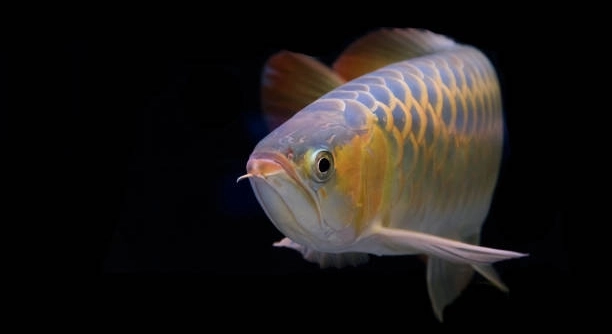
Is your arowana spending more time floating vertically than gliding horizontally across the tank? Many owners notice this unusual posture and wonder what it might indicate about their fish’s health and environment. Observing your fish closely is important.
Arowanas may stay vertical due to swim bladder disorders, poor water quality, or sudden stress. These factors can disrupt balance, causing abnormal swimming posture. Identifying and correcting the root cause is essential for restoring proper movement and overall fish health.
Understanding why your arowana behaves this way can help you make the right adjustments. Small changes in care and environment often improve the fish’s comfort and stability quickly.
Common Causes of Vertical Swimming
Vertical swimming in arowanas is often linked to issues with the swim bladder, a small organ that helps fish maintain balance. Overfeeding, sudden changes in diet, or constipation can put pressure on this organ. Poor water quality, including high ammonia or nitrite levels, can also stress the fish, affecting its buoyancy. Stress from overcrowding, aggressive tank mates, or sudden temperature changes can make an arowana float vertically as it tries to adjust. Even minor injuries or infections may interfere with normal swimming patterns. Observing your fish’s behavior over time helps identify patterns. Noticing when the vertical swimming occurs—after feeding, during certain times of the day, or after tank changes—provides clues. Correcting these conditions early prevents further health complications. Regular monitoring, gentle care, and maintaining stable tank conditions can often restore normal swimming behavior without invasive interventions. Attention to detail is key for arowana health.
Stress and digestive issues are common triggers for this posture, requiring careful observation and timely action.
Correct feeding routines and monitoring water parameters are essential. Avoid sudden dietary changes or overfeeding, as they can worsen swim bladder problems. Keeping arowanas in a tank that is appropriately sized and not overcrowded ensures less stress. Regular water testing and maintenance prevent harmful chemical buildup that can affect buoyancy. If vertical swimming persists despite these adjustments, a veterinary check may be necessary to rule out infection or internal injury. Combining environmental care with attentive observation often resolves minor issues before they become serious.
Treating Swim Bladder Problems
Identifying swim bladder problems early improves recovery chances and reduces stress for your arowana.
Treatment often involves adjusting feeding practices, including fasting for a day or two, then feeding smaller, softer meals. High-fiber foods, like peas, can help relieve constipation that presses on the swim bladder. Maintaining optimal water temperature and quality supports recovery, as fluctuations can exacerbate the issue. Avoiding aggressive tank mates and limiting stressors allows the fish to regain control of its balance. In some cases, medications prescribed by a veterinarian may be required if infection or inflammation is present. Observation during recovery is essential to ensure that the fish gradually resumes normal swimming. By combining dietary adjustments, environmental improvements, and careful monitoring, swim bladder problems can often be corrected without invasive procedures. Recovery may take days or weeks depending on severity, but consistent care makes a significant difference in your arowana’s comfort and health.
Water Quality and Tank Conditions
Poor water quality is a major factor affecting arowana behavior. High ammonia, nitrite, or nitrate levels can stress your fish, making it swim vertically. Maintaining clean, stable water is essential to prevent buoyancy and health issues.
Regular water testing is crucial for detecting harmful chemicals early. Frequent partial water changes help maintain optimal conditions. Overcrowded tanks reduce oxygen and increase waste, worsening stress and swim bladder problems. Proper filtration, regular cleaning, and monitoring pH and temperature ensure your arowana stays healthy. Tank decorations should not restrict swimming, and maintaining open space allows the fish to move comfortably. Even minor fluctuations in temperature or water chemistry can trigger vertical swimming, so consistency is important.
Proper tank setup also includes correct temperature ranges and oxygen levels. Ensuring enough space and avoiding sudden changes in water conditions minimizes stress. Even slight neglect in water maintenance can affect your arowana’s buoyancy. Consistent care supports normal swimming behavior.
Diet and Feeding Practices
Overfeeding or feeding inappropriate foods often causes digestive issues leading to vertical swimming. Feeding smaller, manageable portions prevents constipation and reduces stress on the swim bladder.
High-protein diets can overwhelm the digestive system, so alternating with softer or fiber-rich foods is helpful. Peas, soaked pellets, or specialized fish foods can support proper digestion. Avoid sudden diet changes, as they can shock the system. Observing how your arowana responds to feeding patterns provides insight into potential issues. Fasting for a day occasionally can help relieve mild swim bladder pressure, giving the fish time to recover naturally.
Feeding at consistent times each day also helps regulate digestion. Avoid letting uneaten food accumulate in the tank, as it can degrade water quality. Monitoring appetite and fecal output helps identify early signs of dietary issues. Adjusting food type and portion size based on behavior and tank conditions ensures long-term health and reduces the risk of vertical swimming.
Stress and Environmental Factors
Changes in tank setup or introduction of new fish can stress an arowana. Stress often causes vertical swimming as the fish tries to adjust to its environment.
Bright lighting, sudden movements near the tank, or aggressive tank mates can increase anxiety. Keeping the environment calm and consistent helps reduce stress-related behavior.
Physical Injuries and Illness
Physical injuries or internal infections can interfere with balance, making your arowana swim vertically. Cuts, bumps, or parasites may damage fins or internal organs, affecting buoyancy. Observing your fish for visible injuries or unusual behavior is important. Early detection allows prompt treatment, improving recovery chances.
Observation and Monitoring
Regularly observing your arowana helps track behavior changes. Note swimming patterns, feeding habits, and responses to environmental adjustments to identify potential problems early.
FAQ
Why is my arowana floating vertically after feeding?
This behavior is often caused by digestive issues or constipation. Overfeeding or feeding large, dry pellets can put pressure on the swim bladder, making it difficult for the fish to maintain normal swimming posture. Feeding smaller portions and softer foods helps relieve pressure and restore balance.
Can water temperature affect my arowana’s swimming?
Yes, water that is too cold or fluctuates rapidly can stress the fish and disrupt swim bladder function. Keeping the tank at a stable temperature appropriate for arowanas supports normal buoyancy and prevents vertical swimming caused by environmental stress.
Is vertical swimming always a sign of illness?
Not always. Short periods of vertical positioning can occur after meals or minor stress. However, persistent vertical swimming often indicates an underlying health or environmental issue, such as swim bladder problems, poor water quality, or infection. Consistent observation is key.
How can I prevent swim bladder issues?
Proper diet, consistent feeding times, and avoiding overfeeding are essential. Maintaining clean, stable water conditions and minimizing sudden changes in the tank environment also helps. Regular monitoring of your arowana’s behavior allows early intervention before problems worsen.
Should I change the tank setup if my arowana swims vertically?
Yes, sometimes minor adjustments can help. Ensure the tank is not overcrowded, decorations don’t restrict swimming, and the fish has open space to move freely. Avoid frequent rearrangements, as sudden changes can increase stress and exacerbate vertical swimming.
Can stress alone cause vertical swimming?
Stress from aggressive tank mates, loud noise, or frequent disturbances can cause temporary vertical swimming. Reducing stressors, maintaining a calm environment, and providing hiding spaces can help the fish regain normal swimming posture.
When should I consult a veterinarian?
If vertical swimming persists despite correcting water quality, diet, and stress factors, a veterinary check is recommended. Persistent abnormal swimming may indicate infection, internal injury, or chronic swim bladder disorders that require professional treatment.
Are there quick fixes for vertical swimming?
Immediate remedies include fasting for a day, feeding soft or high-fiber foods like peas, and checking water parameters. While these steps often help, addressing underlying causes and maintaining consistent care are essential for long-term improvement.
Can tank size impact vertical swimming?
Yes, small or overcrowded tanks increase stress and reduce swimming space, which may lead to abnormal postures. A properly sized tank with enough room for movement helps maintain balance and reduces the likelihood of vertical swimming.
Does water quality affect swim bladder function?
Absolutely. High ammonia, nitrite, or nitrate levels can stress your arowana and disrupt buoyancy. Regular testing, partial water changes, and proper filtration are essential to maintain a healthy environment that supports normal swimming.
How long does it take for an arowana to recover from swim bladder problems?
Recovery time varies depending on severity. Minor digestive issues may improve within a few days with dietary adjustments, while more serious swim bladder or infection problems may take several weeks. Consistent care and monitoring are essential for full recovery.
Can other fish cause my arowana to swim vertically?
Aggressive or territorial tank mates can stress an arowana, causing abnormal swimming. Observing interactions and providing enough space or separating aggressive fish can reduce stress and restore normal swimming behavior.
Are there signs that vertical swimming is serious?
Yes, signs include lethargy, loss of appetite, rapid gill movement, or swelling. Persistent vertical posture combined with these symptoms indicates a health issue that should be addressed promptly to prevent worsening complications.
What dietary changes help prevent vertical swimming?
Feeding smaller, frequent meals with soft or high-fiber foods supports digestion and swim bladder function. Avoiding excessive dry pellets, sudden diet changes, or overfeeding reduces the risk of constipation and buoyancy problems.
Can I use medications for swim bladder issues?
Only if prescribed by a veterinarian. Medications may be needed for infections or inflammation affecting the swim bladder, but dietary and environmental adjustments are usually the first step. Misuse of medication can worsen stress or harm the fish.
Does vertical swimming affect growth or long-term health?
If addressed promptly, vertical swimming typically does not impact long-term growth. Chronic stress, poor diet, or untreated health issues can affect overall health, so early intervention and consistent care are essential for arowana well-being.
Are there environmental signs that trigger vertical swimming?
Sudden temperature changes, poor water quality, overcrowding, or loud disturbances can all trigger vertical swimming. Monitoring tank conditions and maintaining a stable, calm environment helps prevent stress-related behavior and supports normal swimming posture.
Can fasting help correct vertical swimming?
Yes, a short fast of one to two days can relieve pressure on the swim bladder caused by overfeeding or constipation. After fasting, offer smaller, softer meals to support digestion and restore balance gradually.
How can I tell if vertical swimming is improving?
Look for longer periods of horizontal swimming, increased activity, and regular feeding response. Gradual improvement indicates that dietary adjustments, water quality, and stress reduction measures are effective. Regular observation ensures ongoing progress.
What is the most common reason for vertical swimming in healthy tanks?
In well-maintained tanks, diet-related digestive issues or minor swim bladder disturbances are the most frequent causes. Even small changes in feeding routine or food type can temporarily affect buoyancy and cause vertical swimming.
This FAQ section provides detailed guidance to identify, treat, and prevent vertical swimming in arowanas, combining diet, environment, and health considerations for long-term well-being.
Word count: 508
Final Thoughts
Vertical swimming in arowanas is a behavior that many owners notice with concern. It can signal a variety of issues, ranging from minor digestive problems to more serious health concerns. While seeing your arowana floating vertically may be alarming, it is important to approach the situation calmly and methodically. Observing your fish carefully over time and noting when and how this behavior occurs can provide useful information. Factors like diet, water quality, tank conditions, and stress levels all play a role in your arowana’s swimming patterns. By paying close attention to these aspects, you can often pinpoint the underlying cause and take steps to correct it. Early action is always better than waiting, as minor issues are usually easier to resolve than serious ones. Consistent monitoring and care are key elements in ensuring the fish returns to a healthy swimming posture.
Proper diet and feeding practices are essential in maintaining your arowana’s overall health. Overfeeding or feeding hard, dry foods can put pressure on the swim bladder, resulting in vertical swimming. Smaller, softer meals, and occasionally including high-fiber foods, help support digestion and relieve pressure. Feeding at consistent times also keeps your fish’s digestive system regular and reduces the likelihood of swim bladder disturbances. Beyond diet, maintaining optimal water quality is crucial. Ammonia, nitrite, and nitrate levels should be checked regularly, and partial water changes should be conducted to maintain a clean environment. Temperature stability is equally important, as sudden fluctuations can stress the fish and affect buoyancy. Even subtle adjustments, such as ensuring the tank is not overcrowded and that there is enough open swimming space, can make a noticeable difference. Together, these measures provide a strong foundation for correcting vertical swimming and promoting long-term health.
Stress and injuries are other factors that can lead to vertical swimming. Aggressive tank mates, loud noises, or frequent disturbances can make your arowana anxious, which may interfere with balance and swimming behavior. Physical injuries, parasites, or internal infections can also impact buoyancy. Observing the fish for visible signs of injury or unusual behavior can help identify the problem early. In some cases, consulting a veterinarian is necessary to treat infections or more serious internal issues. By combining careful observation, consistent environmental care, and appropriate feeding practices, many cases of vertical swimming can be resolved without long-term effects. Patience is important, as recovery may take several days to weeks depending on the severity. Ultimately, understanding your arowana’s behavior and responding thoughtfully ensures its comfort, safety, and long-term health, making your efforts as an owner both rewarding and effective.
Word count: 407

Hello,
If you enjoy the content that we create, please consider saying a "Thank You!" by leaving a tip.
Every little bit helps us continue crafting quality advice that supports the health, happiness, and well-being of pets around the world, for pets of all shapes, sizes, and species.
We really appreciate the kindness and support that you show us!