
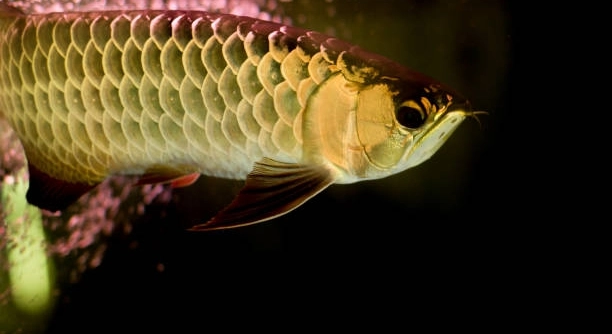
Are your arowana showing signs of stress or behaving differently than usual in their tank? Keeping these magnificent fish healthy requires consistent attention and understanding of their unique needs and environment.
Arowana require extra care during periods of illness, breeding, tank relocation, water quality fluctuations, dietary changes, aggressive behavior, and rapid growth. Providing proper attention in these situations ensures their health, prevents stress-related diseases, and maintains optimal living conditions.
Knowing when to provide additional support can make a significant difference in their well-being. The following guide will help you identify the key moments your arowana need special attention.
Illness and Health Concerns
When your arowana shows signs of illness, such as unusual swimming patterns, loss of appetite, or visible spots, it is crucial to act quickly. Early detection can prevent serious complications. Monitor water quality, temperature, and pH levels, as imbalances often stress fish, making them more susceptible to disease. Isolation in a quarantine tank can help prevent spreading illnesses to other fish. Feeding a balanced diet and ensuring proper tank maintenance can aid recovery. Always consult with a veterinarian specializing in fish health when symptoms persist or worsen. Preventive measures, such as regular water changes and avoiding sudden environmental changes, help maintain immunity and reduce disease risk. Observing behavior closely gives insight into their well-being, allowing timely intervention.
Arowana are sensitive to water quality and dietary changes, making illness prevention a key part of their care routine. Consistent monitoring supports long-term health.
Proper care during illness includes monitoring temperature, maintaining clean water, and providing high-quality food. Early action can save lives and minimize stress. Regular observation ensures small changes are noticed before they escalate, and proper treatment routines help maintain the overall stability of the aquarium.
Breeding Periods
During breeding, arowana exhibit more aggressive and territorial behavior. Males may become protective of eggs or fry, requiring more attention and sometimes separation from other fish. Ensuring proper tank conditions and providing hiding spots can reduce stress. Nutrition plays a key role, with higher-protein diets supporting reproductive health.
Breeding also demands patience. The process can take weeks, and any disturbance may harm the fish or their offspring.
Care during breeding extends beyond behavior management. Observing interactions between the pair helps prevent injury. Maintaining stable water parameters, monitoring feeding routines, and limiting handling ensures reproductive success. Providing a spacious tank reduces territorial disputes and promotes natural behavior. Supporting their health with quality nutrition and attentive care increases the likelihood of healthy fry and strengthens the adult fish. It is essential to balance attention with minimal interference, allowing the arowana to breed naturally while ensuring safety and stability.
Tank Relocation
Moving arowana to a new tank can be stressful. Sudden changes in water parameters or surroundings may trigger shock, affecting appetite and behavior. Proper acclimation is essential.
Gradually adjusting the fish to the new environment reduces stress. Use a drip acclimation method or float the bag in the tank while adding small amounts of tank water over time. Maintain consistent temperature, pH, and hardness during the transition. Avoid crowding the tank with decorations initially, allowing the fish to explore at its own pace. Observe the arowana closely for the first few days for any signs of stress or illness.
Handling the arowana carefully during relocation is key. Avoid sudden movements, loud noises, or overfeeding immediately after transfer. Monitor water quality, keep filtration running properly, and ensure oxygen levels are sufficient. These steps help the fish adapt smoothly while minimizing health risks associated with environmental changes.
Water Quality Fluctuations
Poor water quality can weaken an arowana quickly. Ammonia, nitrites, and nitrates must be monitored consistently, as sudden spikes harm their health.
Maintaining stable water parameters is critical for long-term well-being. Perform regular water changes, test chemical levels, and adjust filtration systems as needed. Consistent temperature and pH support the fish’s immune system and reduce stress. Avoid overcrowding the tank, as this increases waste accumulation and worsens water quality. Introducing new fish or decorations should be done carefully to prevent sudden chemical or microbial shifts.
Arowana are highly sensitive to fluctuations, and rapid changes in water chemistry can lead to illness or even death. Installing reliable filtration and aeration systems helps maintain balance. Frequent testing allows you to detect early issues before they escalate. When problems arise, partial water changes and chemical treatments may be necessary. Keeping a log of water conditions ensures patterns are observed, helping prevent recurring problems. Stable, clean water creates a healthy environment that supports feeding, growth, and overall vitality.
Dietary Changes
Sudden changes in diet can upset an arowana’s digestion and appetite. Introduce new foods gradually to avoid stress and ensure proper nutrition.
High-quality, varied food supports growth and immune health. Avoid overfeeding, as it can lead to water contamination and digestive issues.
Aggressive Behavior
Arowana may become aggressive toward tank mates or even their reflection. Managing aggression prevents injury and reduces stress. Provide ample space, hiding spots, and monitor interactions closely.
Rapid Growth
Arowana grow quickly, requiring frequent tank adjustments and proper nutrition. Inadequate space can lead to stunted growth and health issues. Monitor growth patterns and plan for tank expansion or upgrades as needed to accommodate their size and activity level.
Environmental Stress
Loud noises, sudden movements, or poor lighting can stress an arowana. Consistent, calm conditions help maintain stability and prevent behavioral or health problems.
FAQ
How often should I check my arowana’s water quality?
Water quality should be monitored at least once a week for ammonia, nitrites, nitrates, and pH levels. More frequent checks are recommended during tank setup, after adding new fish, or if any behavioral changes occur. Consistent monitoring helps prevent illness and maintains a stable environment for your arowana.
What is the best way to introduce new food?
Introduce new foods slowly over several days. Start by mixing small amounts of the new food with their current diet. Observe your arowana’s response, adjusting portions as needed. This gradual approach reduces stress on digestion and encourages acceptance of the new diet.
How can I reduce stress during tank relocation?
Gradual acclimation is essential. Float the fish in its transport bag while slowly adding water from the new tank over at least 30 minutes. Avoid sudden movements, loud noises, and drastic changes in lighting. Ensuring stable water parameters reduces the risk of shock.
What are the signs of illness in arowana?
Look for loss of appetite, lethargy, abnormal swimming, discoloration, or visible spots. These can indicate stress, infection, or poor water quality. Early detection allows for prompt intervention, which improves recovery chances and prevents serious health problems.
How do I manage aggressive behavior?
Provide sufficient space and hiding spots in the tank. Avoid overcrowding, and monitor interactions between tank mates. Separate aggressive individuals if injuries occur. Regular observation and a well-planned environment minimize conflicts and maintain a calm tank.
How often should I perform water changes?
Perform partial water changes of 20–30% weekly. Larger tanks may require less frequent changes, but regular maintenance is key to removing waste and stabilizing water chemistry. Consistency prevents toxic buildup and supports the fish’s immune system.
Can I keep multiple arowana together?
Yes, but only in large tanks with ample space to reduce territorial disputes. Introduce fish gradually, monitor behavior, and separate if necessary. Proper planning, size matching, and hiding areas help maintain peace among multiple arowana.
What tank size is suitable for a growing arowana?
Arowana need ample space to thrive, especially as they grow. A minimum of 250 gallons is recommended for adults. Larger tanks support natural movement, reduce aggression, and accommodate rapid growth, ensuring long-term health and comfort.
How do I prevent diseases in my arowana?
Maintain stable water quality, provide a balanced diet, and avoid overcrowding. Quarantine new fish before introducing them. Regular observation and prompt action when symptoms appear reduce the risk of serious illness.
What are the best feeding practices?
Feed high-quality, protein-rich food appropriate for arowana. Offer small portions multiple times a day rather than one large feeding. Remove uneaten food promptly to prevent water contamination. Gradual variation in diet ensures proper growth and overall health.
How can I minimize environmental stress?
Keep the tank in a quiet area, maintain consistent lighting, and avoid sudden disturbances. Smooth routines and stable conditions support your arowana’s natural behavior and prevent stress-related illness or aggression.
How do I know when my arowana needs extra care?
Signs include unusual behavior, rapid growth, aggression, dietary refusal, or stress responses to environmental changes. Paying close attention to these indicators and acting promptly helps maintain health and prevents long-term issues.
What should I do if my arowana becomes sick?
Isolate the fish in a quarantine tank, maintain optimal water quality, and adjust diet as advised by a veterinarian. Monitor symptoms closely and follow treatment instructions. Early and precise care improves recovery chances and reduces risk to other tank inhabitants.
Can arowana adapt to new tanks easily?
They can, but it requires careful acclimation. Gradually adjust water parameters, minimize disturbances, and provide a calm environment. Proper adaptation reduces stress, prevents illness, and helps the fish settle comfortably in the new space.
What role does diet play in breeding?
Nutrition directly impacts reproductive health. High-protein diets support egg and fry development. Maintaining a balanced diet before and during breeding enhances fertility and increases the chances of successful reproduction.
How do I handle sudden water quality issues?
Perform immediate partial water changes, test chemical levels, and adjust filtration if necessary. Identifying the cause of the fluctuation and correcting it promptly helps protect your arowana from stress or illness.
Are there seasonal care adjustments needed?
Temperature and lighting consistency are most important. Seasonal variations may require heater or chiller adjustments to maintain optimal water conditions. Ensuring steady conditions reduces stress and supports overall health throughout the year.
How can I track my arowana’s growth effectively?
Measure length periodically and observe weight and body condition. Keeping a log helps anticipate tank size adjustments, feeding needs, and health concerns. Tracking growth ensures your arowana has adequate space and nutrition.
What are the most common mistakes to avoid?
Overfeeding, overcrowding, inconsistent water maintenance, and ignoring early illness signs are frequent errors. Maintaining careful routines, monitoring behavior, and keeping water stable prevent problems and support long-term health.
How can I maintain long-term tank stability?
Regular testing, consistent water changes, proper filtration, and attentive feeding maintain a healthy environment. Planning for growth, monitoring behavior, and addressing issues early ensure the tank remains suitable as your arowana matures.
This FAQ section provides practical guidance for maintaining healthy, thriving arowana, helping address common concerns with clear, actionable steps.
Word count: 511
Final Thoughts
Caring for an arowana requires attention, patience, and consistency. These fish are highly sensitive to their environment, and even small changes in water quality, diet, or tank setup can affect their health. Understanding their needs and observing their behavior daily allows you to notice problems early and respond appropriately. Regular monitoring of water parameters, careful feeding, and maintaining a clean tank are all essential parts of responsible arowana care. While they may seem resilient, they thrive best when their environment is stable and stress-free. Taking the time to learn about their specific requirements ensures they remain healthy, active, and vibrant for years.
Providing extra care at critical times is just as important as daily maintenance. Illness, breeding periods, rapid growth, and environmental stress all require careful attention and timely intervention. Recognizing these situations early can prevent serious health issues and improve your arowana’s overall quality of life. Proper acclimation during tank relocation, monitoring behavior during aggressive phases, and ensuring a balanced diet during dietary changes are all small but impactful actions. These steps support not only physical health but also mental well-being, as arowana are sensitive to stress and environmental disturbances. A proactive approach to care reduces the chances of disease, injuries, or behavioral problems, creating a more harmonious tank environment.
Finally, keeping arowana is both a responsibility and a rewarding experience. Observing their unique behaviors, growth patterns, and interactions with their surroundings provides insight into their needs and personalities. With consistent effort, patience, and attention to detail, you can provide a safe and supportive environment that encourages natural behavior and healthy development. Long-term commitment to their care ensures that your arowana remains strong, energetic, and visually stunning. By understanding the moments when they need extra attention and acting accordingly, you foster not only their physical health but also a stable and balanced habitat that benefits all aquatic life in the tank. This approach emphasizes that arowana care is an ongoing process, one that combines careful observation, preparation, and thoughtful intervention to create a thriving and enduring aquarium ecosystem.
Word count: 407

Hello,
If you enjoy the content that we create, please consider saying a "Thank You!" by leaving a tip.
Every little bit helps us continue crafting quality advice that supports the health, happiness, and well-being of pets around the world, for pets of all shapes, sizes, and species.
We really appreciate the kindness and support that you show us!