
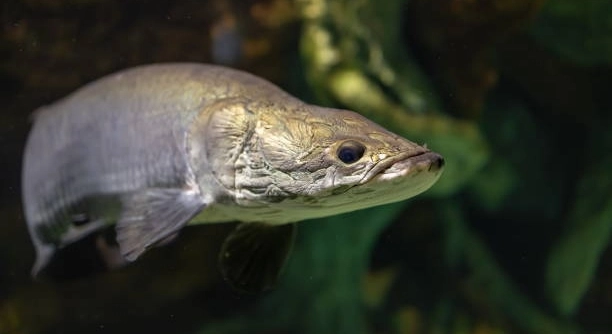
Have you ever watched your arowana swim gracefully and wondered if it notices your mood or energy in the room? These fish are known for their elegance and intelligence, often captivating anyone who keeps them.
Arowanas are capable of sensing certain human emotions through visual cues and behavioral patterns. They respond to changes in posture, tone of voice, and movements, showing subtle reactions that suggest awareness and adaptability to their owner’s emotional state.
Observing these subtle behaviors can help strengthen the bond between you and your arowana, creating a more harmonious environment in your home aquarium.
How Arowanas React to Human Presence
Arowanas are very aware of their surroundings, especially when it comes to people nearby. Many owners notice their fish swimming closer when they approach the tank or following their movements along the glass. This behavior is not random; arowanas can distinguish between different people and often show more interest in those who feed or interact with them regularly. Subtle cues such as hand movements, changes in voice tone, or even emotional energy can influence how an arowana behaves. They may become more active when the owner is calm or slightly tense, demonstrating a sensitivity to shifts in atmosphere. While they are not mammals, their reactions indicate an ability to recognize patterns and respond accordingly. Over time, consistent interaction can make arowanas more confident and expressive in their behavior. Observing these signs provides insight into their intelligence and emotional responsiveness.
They do not feel emotions like humans but can detect signals in behavior and movement, adjusting their own responses.
Spending regular time near your arowana helps it become accustomed to your presence. Feeding, gentle tapping, or even just standing nearby allows the fish to interpret your actions as safe or familiar. Arowanas may mirror your activity levels, becoming more active when you are energetic and resting when the room is calm. This responsiveness can strengthen your ability to predict how the fish will behave, making care easier and interactions more engaging. Their reactions may seem subtle, but over weeks or months, patterns emerge. Recognizing these patterns can help you adjust tank conditions, lighting, or interaction routines to support the fish’s comfort. Such understanding also allows for timely responses to stress, health issues, or environmental changes. With patience and observation, owners can notice a deeper level of awareness in their arowanas, appreciating how these fish perceive and respond to their human companions.
Factors That Influence Arowana Sensitivity
Tank environment plays a significant role in how an arowana senses its owner.
Light, temperature, and noise can affect how alert or relaxed the fish is. Bright lights may make them skittish, while dimmer settings encourage calm swimming. Similarly, sudden loud noises or vibrations can trigger cautious responses. The placement of the tank also matters; a location near daily activity allows the fish to become familiar with household rhythms, making it more attuned to changes in human behavior. Even feeding schedules can influence responsiveness, as a predictable routine reinforces recognition and interaction. Stressful or inconsistent conditions can reduce the fish’s ability to respond to visual or behavioral cues. Consistency and attention to environmental comfort are key in helping arowanas remain receptive. Over time, these factors combine to shape a pattern of responsiveness, allowing the fish to react appropriately to human presence and activity.
Observing Arowana Behavior
Arowanas display subtle signs of recognizing their owners. They may follow movements along the tank or respond to changes in voice tone. These reactions indicate awareness, even if they are not fully emotional responses. Patterns emerge with consistent observation over time.
Regular observation reveals how arowanas respond to different stimuli. They may swim closer when someone approaches, pause at familiar gestures, or become more active during feeding. Changes in lighting or sudden movements can alter their behavior temporarily. By paying attention to these patterns, owners can learn which actions make their fish comfortable and which may cause stress. This understanding helps maintain a stable environment and supports the fish’s overall well-being.
Tracking subtle cues over time allows owners to notice shifts in mood or energy levels. Arowanas may become more cautious in a noisy room or more exploratory in a calm setting. Recognizing these behaviors can improve interaction, making care routines smoother and more predictable. Over weeks, these small observations build a clearer picture of how the fish perceives its surroundings and responds to human activity, allowing for a more harmonious aquarium environment.
Environmental Influence on Arowana Sensitivity
Arowanas react strongly to their tank setup. Noise, lighting, and placement all affect their awareness and comfort levels, shaping how they respond to human presence.
Tank conditions play a crucial role in an arowana’s responsiveness. Bright lighting may make them retreat, while moderate light encourages relaxed swimming. Temperature fluctuations, strong water currents, and sudden vibrations can cause stress, reducing interaction. Strategic tank placement, away from high-traffic areas but still visible to the owner, allows the fish to adjust gradually. Consistent feeding times reinforce recognition patterns, helping the fish link human activity with safety and routine. Environmental stability supports natural behavior, encouraging confidence and more visible responsiveness.
Maintaining an optimal environment also enhances the fish’s ability to detect cues from owners. Stable water conditions, calm surroundings, and predictable routines allow the arowana to notice changes in human posture or gestures more clearly. Over time, this strengthens the fish’s pattern recognition, improving interaction quality. By observing reactions in different conditions, owners can fine-tune lighting, temperature, and tank placement to support comfort. Understanding these influences ensures the fish remains alert yet relaxed, creating a more engaging and harmonious aquarium experience while respecting the arowana’s natural behavior.
Interaction Through Feeding
Feeding time is one of the clearest ways arowanas respond to humans. They often recognize the person providing food and may swim closer or become more alert when approached. Regular feeding routines strengthen this recognition.
Some arowanas even show anticipation before feeding. They may linger near the surface or follow hand movements, demonstrating learned responses and awareness.
Visual Cues and Human Behavior
Arowanas are highly observant of movements around their tank. Rapid gestures, changes in posture, or new objects can trigger reactions. These fish use sight to assess their environment and identify familiar patterns. Over time, they learn to associate specific human actions with outcomes, such as feeding or interaction, showing an ability to detect subtle cues. Recognizing these visual signals allows owners to understand the fish’s comfort level and behavioral tendencies. Adjusting movements and routines helps the fish feel secure, enhancing responsiveness and building trust between owner and arowana. Observing these cues closely can reveal personality traits and preferences unique to each fish.
Noise Sensitivity
Arowanas are sensitive to sound. Sudden loud noises can startle them, while consistent, gentle sounds often have little effect.
Can arowanas recognize individual humans?
Arowanas can distinguish between different people based on repeated interactions. They may react differently to someone who feeds them regularly versus someone who rarely approaches the tank. This recognition is not emotional like humans, but it shows pattern recognition and memory. Over time, fish become familiar with the gestures, movements, and routines of their main caretaker. They may swim closer, follow hand motions, or appear more alert when they see someone they know. Consistency in interaction strengthens this recognition, making the fish more comfortable and responsive. Owners often notice subtle differences in behavior with different individuals, which can be surprising given that fish are often thought of as simple creatures.
Do arowanas respond to mood changes?
While arowanas do not feel emotions like humans, they can respond to behavioral cues associated with emotional states. Changes in posture, voice tone, and energy levels are noticeable to these fish. For example, if someone approaches the tank calmly, the fish may swim smoothly and appear relaxed. In contrast, sudden movements or loud voices can make them more cautious or defensive. These reactions are a result of sensory awareness rather than empathy. Observing these patterns over time helps owners understand how their presence influences the fish, allowing for more harmonious interactions and reducing stress for both the arowana and the caretaker.
Can arowanas get stressed by humans?
Yes, arowanas are sensitive to environmental and human-induced stress. Rapid hand movements, tapping on the glass, or loud noises can trigger a startle response. Stress can also occur when routines are inconsistent or when the tank is overcrowded. Prolonged stress may lead to health problems such as decreased appetite, weaker immune function, or unusual swimming behavior. Monitoring the fish’s reactions to different human activities helps minimize stress. Gentle, consistent interaction combined with a stable tank environment ensures the fish remains comfortable and confident. Reducing sudden or aggressive stimuli allows arowanas to adjust and respond positively over time.
How do arowanas communicate with their owners?
Arowanas communicate primarily through body language and movement. Swimming patterns, fin position, and proximity to the tank front can indicate alertness, curiosity, or comfort. Approaching the tank during feeding time or following movements along the glass are forms of recognition and anticipation. Observing these cues closely allows owners to adjust care routines, interact appropriately, and provide enrichment that aligns with the fish’s behavior. Over time, consistent responses help arowanas develop predictable interaction patterns, enhancing both the owner’s understanding and the fish’s well-being.
Can I train my arowana to respond to me?
Arowanas can learn through repetition and routine. Feeding at the same time each day, using consistent hand movements, or creating a specific approach pattern can reinforce recognition. The fish may swim closer, follow gestures, or show anticipation during these interactions. Training is subtle and requires patience. Positive reinforcement, such as providing food or creating a calm environment, strengthens learned responses. Avoiding sudden movements or erratic behavior helps the fish feel safe, increasing responsiveness. While they will not perform tricks like mammals, they can reliably react to familiar cues, showing that learning and memory are present.
Do arowanas notice changes in my behavior?
Yes, arowanas detect changes in posture, tone, and movement patterns. Even small shifts, like standing closer to the tank or altering hand motions, can influence how they respond. They may become more active, retreat, or pause to observe. This sensitivity demonstrates their capacity for pattern recognition. Consistently observing these reactions can improve interaction quality and inform caretakers about environmental and behavioral adjustments that benefit the fish. Over time, arowanas become adept at predicting routines, reinforcing recognition and awareness of human activity.
Are some arowanas more sensitive than others?
Individual differences exist in sensitivity and responsiveness. Factors such as age, species, personality, and prior experiences influence how arowana reacts to humans. Some are naturally more curious, frequently approaching the tank, while others remain cautious and require longer acclimation. Paying attention to these differences helps tailor interaction, feeding, and environmental adjustments. Sensitive fish benefit from slower, consistent routines and calmer handling. Recognizing personality traits allows owners to foster trust and minimize stress, improving overall well-being. Sensitivity levels may change over time with experience and repeated exposure, so observing behavior regularly is essential.
Can emotional signals from humans influence feeding behavior?
Arowanas may show changes in feeding behavior based on human activity cues. Calm, consistent feeding gestures encourage prompt eating, while erratic or aggressive movements can cause hesitation or retreat. Although the fish does not interpret human emotions directly, it associates predictable actions with safety and food availability. Over time, consistent routines create anticipation and readiness for feeding, improving appetite and overall health. Disruptions in human behavior may temporarily alter responses, but patience and steady interaction help maintain a positive feeding pattern. Observation and consistency are key to fostering cooperative and stress-free feeding behavior.
Do arowanas form bonds with their owners?
While arowanas do not bond emotionally like mammals, they develop recognition and familiarity with regular caretakers. They can distinguish routine gestures, feeding patterns, and movements associated with their primary human. This recognition creates a level of predictability and comfort in interactions. Fish may respond faster, approach the tank, or display alert behavior toward familiar individuals. Repeated, gentle interaction and consistent care reinforce this awareness. Understanding that these reactions are learned responses rather than emotional attachment helps owners manage expectations while still fostering engaging and positive interactions with their arowanas.
How long does it take for an arowana to respond reliably to human cues?
Response times vary depending on the fish’s age, personality, and prior experience. Younger or more curious fish may show recognition in days, while cautious or older individuals may take weeks. Consistency in feeding routines, gentle approach, and predictable movements accelerates the learning process. Regular observation and interaction build familiarity, allowing the arowana to respond reliably to visual or behavioral cues. Patience is critical; sudden changes or irregular patterns may confuse the fish, slowing progress. With steady practice, most arowanas learn to associate human presence with routine and comfort, improving interaction quality over time.
Do arowanas react differently to multiple people in a household?
Yes, arowanas can respond variably to different household members. Fish often show more recognition and alertness toward individuals who interact consistently, feed them, or maintain calm behavior. Less familiar or inconsistent visitors may elicit cautious or neutral responses. Over time, repeated exposure can increase comfort, but initial differences are common. Observing these responses helps tailor interaction and reduce stress. Each arowana’s behavior toward multiple people reflects memory and pattern recognition rather than emotional preference, emphasizing the importance of predictable routines in maintaining consistent interaction.
Arowanas are fascinating fish that display more awareness than many people realize. While they do not feel emotions like humans, their ability to recognize patterns, respond to visual cues, and notice changes in human behavior makes them unique among aquarium fish. Many owners observe that their arowanas swim closer when approached, follow movements along the tank, or react differently to people they see more often. These behaviors indicate a level of recognition and sensitivity that is often overlooked. Spending time observing your arowana can reveal these subtle reactions and help you understand how your presence influences the fish. Over time, this understanding can make interactions smoother and more predictable. Being aware of these behaviors also allows you to identify when the fish is stressed or uncomfortable, making it easier to provide the right environment and care. The more consistently you interact and maintain a stable environment, the more your arowana learns to associate human presence with routine and safety.
Environmental factors play a large role in how arowanas respond to humans. Lighting, noise, tank placement, and feeding schedules all influence their comfort and alertness. Sudden loud noises, abrupt movements, or inconsistent routines can make even a familiar fish cautious or stressed. Maintaining stable conditions helps arowanas become more responsive to visual cues and movements without feeling threatened. This is particularly important for sensitive individuals or younger fish, which may take longer to adjust to changes. Regular, gentle interaction allows them to anticipate feeding or activity patterns, strengthening recognition. Observing how your fish responds to different conditions can provide insight into its comfort levels, activity preferences, and responsiveness. Over time, careful attention to these environmental factors helps create a harmonious space where the fish feels safe and alert while responding appropriately to human presence.
Consistent observation and interaction are key to building a stronger understanding of your arowana. While they do not form emotional bonds like mammals, their recognition of human cues shows intelligence and adaptability. By paying attention to how the fish reacts to movement, voice, and presence, you can improve daily care, feeding routines, and overall well-being. Each arowana has its own personality and sensitivity, so taking time to notice these differences is important. Some may be naturally more curious and active, while others may remain cautious or reserved for longer periods. Adjusting your approach to match the fish’s comfort level encourages more predictable and positive responses. Over time, these consistent efforts foster a sense of security and familiarity for the fish, making it easier to provide care and maintain a stable, responsive aquarium environment. Understanding these behaviors enhances your experience as a caretaker while ensuring that your arowana remains healthy, alert, and comfortable.

Hello,
If you enjoy the content that we create, please consider saying a "Thank You!" by leaving a tip.
Every little bit helps us continue crafting quality advice that supports the health, happiness, and well-being of pets around the world, for pets of all shapes, sizes, and species.
We really appreciate the kindness and support that you show us!