
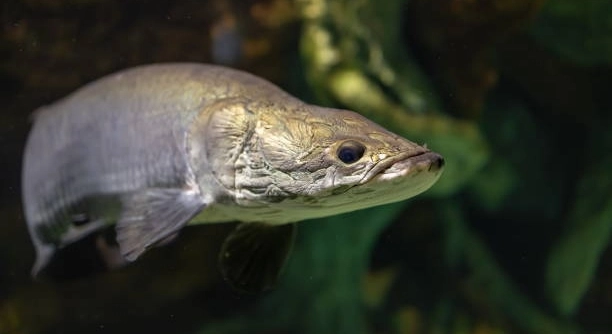
Do you ever find yourself keeping a close eye on your Arowana, worrying if missing a meal might affect its health? Arowanas are sensitive fish, and their feeding routine plays a big role in maintaining their energy and growth.
If an Arowana misses a meal, it typically does not suffer immediate harm, as these fish can survive short periods without food. However, consistent skipping can lead to slower growth, weakened immunity, and changes in behavior over time.
Understanding how meal frequency impacts your Arowana’s health can help you maintain a balanced feeding schedule for a thriving fish. Proper care ensures long-term vitality and well-being in your aquarium.
How Arowanas React to Missing Meals
Arowanas are resilient fish and can handle missing a meal occasionally. When they skip food, they may become slightly less active, resting near the bottom or floating calmly in the middle of the tank. Their metabolism slows temporarily, conserving energy for essential functions. Young Arowanas might show a bit more restlessness, searching the tank for food, but adults tend to adjust quickly. Missing a single meal will not immediately harm their health, but repeated missed meals can lead to nutritional deficiencies. Watching their behavior closely helps you notice subtle signs of stress or hunger. Proper tank conditions, like clean water and stable temperature, support their ability to cope with irregular feeding. Maintaining a consistent feeding schedule ensures optimal growth and reduces stress. Occasional fasting is natural for many fish, including Arowanas, but consistent care and attention will keep them healthy and active.
Missing a meal once in a while usually does not harm your Arowana.
Observing these behavioral changes can help you adjust feeding routines and ensure your Arowana stays healthy. Regular monitoring and providing high-quality food are key.
Signs of Hunger and Stress
Arowanas often show visible signs when they are hungry. They may swim more actively near the water surface or follow your movements if they associate you with feeding.
Stress from missed meals can weaken their immune system and make them more prone to illness. Reduced appetite, lethargy, or erratic swimming are common indicators. Over time, frequent skipped meals may lead to stunted growth or weight loss. Tank cleanliness, water temperature, and oxygen levels influence their stress response. A balanced diet, including live or frozen foods, ensures they receive necessary nutrients. Providing meals at consistent times helps them anticipate feeding and reduces anxiety. Observation is crucial; changes in behavior often precede health problems. If an Arowana refuses food for multiple days, it may signal illness rather than hunger. Keeping a feeding log can help track patterns and spot irregularities early. Ensuring both nutrition and environment are well-managed protects your Arowana from avoidable stress and promotes a long, healthy life.
Feeding Frequency and Its Impact
Arowanas thrive on a consistent feeding schedule. Skipping meals occasionally is manageable, but irregular feeding can disrupt their digestion and energy levels.
Regular feeding supports proper growth, muscle development, and overall health. Young Arowanas require more frequent meals, while adults can handle feeding every one or two days. Overfeeding should be avoided, as it can lead to water quality issues and obesity. Observing your fish’s appetite and adjusting portions accordingly ensures they receive enough nutrients without overloading the tank. A balanced feeding routine also helps prevent stress and reduces aggressive behavior among tank mates.
Consistency in feeding also influences your Arowana’s behavior. Fish that anticipate meals tend to be more active and responsive. Missing meals too often may make them lethargic or irritable, affecting social interactions in the tank. Tracking feeding patterns and noting any changes in appetite or energy can help identify potential health problems early. Providing a variety of foods, including live or frozen options, ensures nutritional needs are met, supporting long-term vitality and growth.
Nutritional Considerations
High-quality food ensures Arowanas remain healthy and energetic. A balanced diet includes protein-rich items and occasional vitamins.
Protein is essential for growth and maintaining strong muscles. Feeding live or frozen fish, shrimp, or specialized pellets provides these nutrients. Supplements or vegetables can enhance vitamin intake, supporting immunity and reducing disease risk. Varying food types prevents boredom and encourages natural hunting behaviors, promoting both mental and physical health. Consistency and quality of food are just as important as frequency to maintain proper development.
Arowanas’ dietary needs change with age. Juveniles grow rapidly and require frequent protein-rich meals, while adults need less frequent, well-balanced portions. Overfeeding adult fish can cause digestive problems and water pollution, while underfeeding can stunt growth or weaken immunity. Observing how your fish respond to different foods helps fine-tune portions and types, ensuring they get adequate nutrition without excess. Rotating food sources and providing enrichment in feeding routines fosters natural behavior and keeps them mentally stimulated. Maintaining quality, consistency, and variety in diet is critical for long-term health, vitality, and a thriving tank environment.
Short-Term Effects of Skipped Meals
A single missed meal usually causes minimal stress for Arowanas. They may swim slower or rest more, conserving energy until the next feeding.
Short-term fasting can actually benefit digestion, giving their stomachs a break. It rarely affects health if it happens occasionally, especially for adult fish.
Long-Term Health Risks
Frequent missed meals can lead to slowed growth, weakened immunity, and increased susceptibility to disease. Nutrient deficiencies may develop, impacting organ function and overall vitality. Regular feeding is essential to maintain optimal health, prevent stunted growth, and ensure strong muscles and bones in Arowanas. Observing appetite and behavior helps catch early signs of nutritional stress, allowing timely adjustments in feeding routines and diet composition to support long-term well-being.
Tips for Consistent Feeding
Establishing a fixed feeding schedule reduces stress and keeps Arowanas healthy. Stick to portion sizes and meal times.
FAQ
What happens if my Arowana misses one meal?
Missing a single meal is generally not harmful. Arowanas can tolerate short periods without food, especially adults. You may notice slightly reduced activity, but this is temporary. Their metabolism slows, allowing them to conserve energy until the next feeding. Occasional fasting can even support digestion and prevent overeating.
How often should I feed my Arowana?
Juvenile Arowanas need feeding once or twice a day to support rapid growth. Adults can be fed every one to two days. Consistency is key. Feeding at the same time each day helps regulate their metabolism and keeps them active and alert. Avoid overfeeding to prevent obesity and water quality issues.
Can missing meals affect growth?
Yes, repeated skipped meals can slow growth in young Arowanas. Nutrients are essential for muscle development, bone strength, and overall health. Adults are less affected but may still show minor changes in activity or behavior if food is inconsistent. Observing growth patterns helps ensure proper nutrition.
Will missing meals make my Arowana sick?
Occasional missed meals usually do not cause illness. However, consistent underfeeding can weaken immunity, making your fish more susceptible to disease. Watch for signs like lethargy, reduced appetite, or changes in coloration. Addressing feeding routines promptly helps prevent long-term health issues.
Is it better to feed less frequently or give smaller portions?
Providing smaller portions more frequently is generally better for juveniles, supporting steady growth. Adults can tolerate slightly larger meals less often. Consistent portion control prevents digestive issues, reduces water contamination, and ensures your Arowana receives proper nutrients without overfeeding.
Can fasting help Arowanas?
Occasional fasting can benefit digestion by allowing the stomach to empty completely. Many experienced fish keepers schedule one fasting day per week for adults. Fasting is not recommended for juveniles because they require constant nutrients to grow. Monitoring your fish’s behavior ensures fasting is safe.
What are signs that my Arowana is hungry?
Hunger can show through active swimming near the surface, following your movements, or nudging tank decorations as if searching for food. Increased alertness and responsiveness often indicate anticipation of a meal. Lethargy or reduced activity, in contrast, can sometimes signal stress or illness rather than hunger.
How can I maintain a consistent feeding schedule?
Set specific times for feeding and stick to them. Keep a log to track meals and portion sizes. Rotate food types, including live, frozen, or high-quality pellets, to maintain nutrition and interest. Consistency reduces stress, promotes healthy growth, and ensures your Arowana develops predictable eating habits.
What should I do if my Arowana refuses food?
Temporary refusal may occur due to water conditions, temperature changes, or stress. Check the tank environment, including cleanliness, temperature, and oxygen levels. Offering a variety of foods can entice them to eat. Persistent refusal over multiple days may indicate illness and should be addressed promptly with expert guidance.
How does age affect feeding needs?
Juveniles grow rapidly and need frequent, nutrient-rich meals. Adults require fewer meals but still need balanced nutrition. As Arowanas age, their metabolism slows, and overfeeding can lead to weight gain or health problems. Adjust portion sizes and frequency according to age and activity level.
Can missing meals change Arowana behavior?
Yes, skipped meals can lead to slight changes in behavior. They may become less active, swim slower, or show minor irritability. Adults usually adapt quickly, while juveniles may appear restless or search for food. Regular feeding minimizes these behavioral shifts and maintains normal activity patterns.
Is it okay to skip feeding when traveling?
For short trips, adult Arowanas can typically go one or two days without food. Juveniles require more careful planning, as extended fasting may affect growth. Using automatic feeders or asking someone to feed your fish helps maintain consistency and reduces stress during absences.
What foods are best for Arowanas?
High-protein foods like shrimp, fish, and specially formulated pellets support growth and health. Supplementing occasionally with vitamins or vegetables strengthens immunity. Offering a variety ensures balanced nutrition and prevents boredom. Avoid overfeeding or providing poor-quality food, which can harm health and water quality.
Can irregular feeding affect tank mates?
Yes, inconsistent feeding may trigger competition or aggression in community tanks. Hungry Arowanas may become more territorial or chase other fish. Ensuring all fish receive adequate portions and maintaining a predictable schedule reduces stress and promotes harmony in the tank.
How can I monitor if my Arowana is eating enough?
Observe their activity levels, body condition, and growth. A healthy Arowana will swim actively, show alertness during feeding, and maintain a sleek, muscular body. Keep track of portions and frequency to ensure they receive proper nutrition without overfeeding.
Arowanas are resilient fish, and missing a meal occasionally is generally not harmful. Their bodies are designed to handle short periods without food, and adult Arowanas, in particular, can tolerate irregular feeding better than younger fish. While juveniles rely on consistent meals for growth and development, adults can manage brief fasting without immediate consequences. Observing your Arowana’s behavior after a missed meal can give valuable insight into its health. Slightly reduced activity or resting near the bottom of the tank is normal and not a cause for concern. The key is not to make skipped meals a regular habit, as repeated fasting can lead to slower growth, weakened immunity, and changes in behavior over time. Maintaining a balance between regular feeding and occasional fasting helps support both health and natural digestive processes.
Consistency in feeding is important for Arowanas, as it helps regulate their metabolism and energy levels. Establishing a predictable schedule ensures that your fish receive proper nutrition while minimizing stress. Providing a variety of foods, including high-quality pellets, live or frozen protein, and occasional supplements, helps meet their dietary needs. Overfeeding should be avoided, as it can lead to water quality issues, obesity, and digestive problems. Monitoring portion sizes and observing how your Arowana responds to different foods allows you to adjust feeding routines for optimal health. Young Arowanas require more frequent meals, while adults do better with slightly less frequent, well-balanced portions. By keeping a consistent feeding routine, you not only support physical growth but also encourage natural activity patterns and behavior, which are important for mental stimulation and overall well-being.
Understanding the long-term effects of missed meals is essential for any Arowana owner. While occasional fasting may not be harmful, prolonged or repeated skipping can have negative consequences. These include slowed growth, weakened immune function, and increased susceptibility to disease. Observing behavioral changes such as lethargy, reduced appetite, or changes in swimming patterns can help detect early signs of stress or nutritional deficiency. By providing consistent, high-quality nutrition and maintaining a stable tank environment, you can reduce these risks and promote long-term health. Paying attention to feeding habits, tank conditions, and overall fish behavior ensures your Arowana remains active, healthy, and thriving for years to come. Proper care, combined with knowledge about their feeding needs, allows your fish to develop strong muscles, vibrant coloration, and a healthy immune system, contributing to a vibrant and balanced aquarium ecosystem.

Hello,
If you enjoy the content that we create, please consider saying a "Thank You!" by leaving a tip.
Every little bit helps us continue crafting quality advice that supports the health, happiness, and well-being of pets around the world, for pets of all shapes, sizes, and species.
We really appreciate the kindness and support that you show us!