
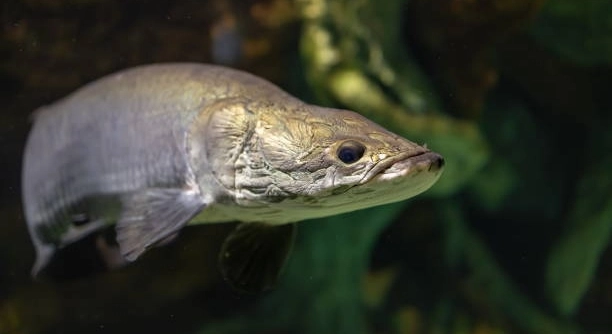
Do you ever find yourself carefully setting up your Arowana tank but noticing your fish seem stressed despite your efforts? Many hobbyists unknowingly create environments that challenge their Arowana’s well-being, even with the best intentions.
Tank design flaws can significantly impact Arowana health and behavior. Common issues include inadequate tank size, poor water flow, improper filtration, insufficient hiding spaces, unsuitable decorations, harsh lighting, and overcrowding, all of which can elevate stress levels and compromise fish welfare.
Understanding these common pitfalls will help you create a calmer, healthier habitat for your Arowana and support its long-term vitality.
Inadequate Tank Size
Arowanas are large, active fish that require ample swimming space. A small tank limits their movement, causing stress and stunted growth. Many tank owners underestimate the adult size of Arowanas and choose tanks that seem sufficient initially but quickly become cramped. A proper tank should allow the fish to swim freely from end to end without constant restriction. Tall tanks or narrow aquariums may also be problematic, as Arowanas prefer horizontal swimming space. Without enough room, they may bump into decorations, walls, or other fish, increasing the risk of injury. Monitoring their behavior is essential—frequent erratic swimming or spending long periods near the surface can indicate discomfort. Additionally, limited space makes maintaining water quality harder, as waste accumulates faster in a smaller volume. Proper tank size is foundational for their physical health and mental well-being. Taking the time to choose an appropriate tank reduces stress and supports a longer, healthier life for your Arowana.
A larger tank ensures the fish has enough room to swim comfortably and maintain natural behavior patterns, reducing overall stress.
Providing a spacious tank also simplifies maintenance. With more water volume, fluctuations in temperature, pH, and ammonia are less drastic. It gives the filtration system more capacity to handle waste, keeping water cleaner for longer periods. Arowanas are predators by nature, so confined spaces can make them feel trapped, increasing aggression or lethargy. Selecting a tank that exceeds minimum recommendations and planning for the adult size of the fish helps avoid these issues. Over time, your Arowana will appear more active, display better coloration, and show fewer stress-related behaviors when it has sufficient room to thrive.
Poor Filtration and Water Flow
Without proper filtration, toxins build up quickly, harming Arowanas.
Arowanas need strong, consistent water flow to mimic natural conditions. Poor filtration allows ammonia and nitrites to accumulate, which stresses the fish. Investing in a reliable filtration system ensures cleaner water and stable water parameters, directly supporting health.
Strong, efficient filtration maintains water clarity and removes debris while stabilizing chemical levels. Arowanas are sensitive to changes in water quality; even small increases in ammonia or nitrite can cause stress, reduce appetite, and weaken their immune system. Additionally, water flow needs to replicate their natural environment, promoting exercise and preventing stagnation. Overly turbulent currents, however, can exhaust the fish, so balancing flow strength is essential. Regular maintenance, including filter cleaning and water changes, helps maintain consistent water quality. Proper filtration also reduces the frequency of sudden water parameter shifts that can trigger stress responses. By ensuring clean, well-oxygenated water, you support the Arowana’s natural behavior and longevity.
Insufficient Hiding Spaces
Arowanas need places to retreat and feel secure. A tank with no hiding spots can increase stress, making them more skittish or aggressive toward tank mates.
Adding driftwood, large rocks, or floating plants creates natural hiding spaces while keeping swimming areas open. Hiding spots reduce stress by giving the fish control over its environment. They can rest or retreat when feeling threatened or when exploring new tank conditions. Without these spaces, Arowanas may become anxious, swim frantically, or even injure themselves against tank walls. Properly arranged decorations provide both shelter and visual barriers, helping to simulate a natural habitat. Positioning hiding spots along the sides or corners keeps the center open for swimming, maintaining freedom of movement. These additions also contribute to a more aesthetically pleasing tank while serving the fish’s mental health.
Providing multiple hiding areas ensures that the Arowana can choose a safe space at any time. This flexibility encourages natural behavior and reduces stress-induced health issues.
Harsh Lighting
Bright, unfiltered lighting can overstimulate Arowanas, causing anxiety and erratic swimming.
Arowanas thrive under moderate lighting that mimics natural conditions. Strong lights without dimming options can disrupt their day-night cycle and increase stress. Using adjustable lights or adding floating plants can soften brightness, creating shaded areas and reducing discomfort. Lighting should enhance visibility without overwhelming the fish. Overly bright tanks often make fish hide constantly or exhibit nervous behavior, which can affect feeding and overall activity levels. Gradual transitions between light and dark periods help maintain a stable circadian rhythm, improving overall health. Adjusting light intensity and placement supports natural behavior, encourages exploration, and reduces stress-related illnesses. Proper lighting is an essential aspect of tank design that directly influences the Arowana’s comfort and well-being.
Balancing light intensity and providing shaded areas ensures the Arowana can regulate exposure, promoting calmer and healthier behavior.
Overcrowding
Too many fish in a tank can overwhelm Arowanas and raise stress levels. Limited space reduces swimming freedom and increases competition for food and territory.
Overcrowding also accelerates waste accumulation, making water quality harder to maintain. High density can lead to aggression, injuries, and weakened immunity, making the fish more prone to disease.
Sharp or Unsafe Decorations
Decorations with sharp edges or rough surfaces can injure Arowanas while swimming. Choosing smooth, rounded objects is essential to prevent cuts and fin damage.
Improper Tank Lid
Arowanas are strong jumpers. Without a secure lid, they can leap out and injure themselves. Ensuring the tank has a tightly fitted cover prevents accidents and keeps your fish safe.
FAQ
How large should an Arowana tank be?
Arowanas grow quickly and can reach over two feet in length. A tank that is at least 250 gallons is recommended for a single adult. The tank should be long and wide to allow horizontal swimming and reduce stress caused by cramped conditions.
What type of water flow do Arowanas need?
Arowanas thrive in moderate water flow. Too little movement causes stagnation and poor oxygenation, while too strong a current can exhaust the fish. Aim for consistent, gentle circulation that encourages natural swimming without forcing the fish against the current.
How often should I clean the tank?
Regular maintenance is essential. Partial water changes of 20–30% once a week help remove waste and maintain stable water parameters. Clean filters as needed, but avoid full replacements that can disturb beneficial bacteria. Monitoring water quality is key to reducing stress.
Are hiding spots really necessary?
Yes, Arowanas need secure areas to retreat. Hiding spots made from driftwood, large rocks, or floating plants provide security and help reduce anxiety. They also create natural visual barriers, which support natural behavior and reduce the risk of injury or aggression.
What lighting is best for Arowanas?
Moderate, adjustable lighting is ideal. Overly bright lights can cause stress and erratic behavior, while too dim lighting affects their activity levels. Using floating plants or shaded areas allows the fish to control exposure, which helps maintain a healthy day-night cycle and reduces stress.
Can Arowanas live with other fish?
Arowanas can cohabit with carefully chosen tank mates, but overcrowding increases stress. Suitable companions are generally large, non-aggressive fish. Avoid small or slow-moving species that could be mistaken for food, as this can trigger aggression and harm both the Arowana and its tank mates.
How can I prevent jumping accidents?
A secure tank lid is crucial because Arowanas are strong jumpers. Gaps or loose covers increase the risk of injury. Use a tightly fitted lid and ensure there are no escape points. Adding floating plants or decorations near the surface can also reduce jumping tendencies.
What are signs of stress in Arowanas?
Common stress indicators include rapid gill movement, hiding constantly, erratic swimming, loss of appetite, and faded colors. Stress can result from poor water quality, overcrowding, improper lighting, or insufficient tank size. Addressing these factors quickly helps prevent long-term health problems.
How important is water quality?
Water quality is critical. Arowanas are sensitive to ammonia, nitrite, and nitrate levels. Proper filtration, regular water changes, and monitoring parameters like pH and temperature ensure a stable environment. Consistently clean water reduces stress, supports growth, and prevents disease.
Can tank decorations harm Arowanas?
Yes, sharp or rough decorations can injure fins, scales, or the body. Use smooth, rounded items and avoid overcrowding the tank with objects that limit swimming space. Properly chosen decorations provide safety, mental stimulation, and a natural-feeling habitat.
How often should I feed my Arowana?
Feed adult Arowanas once or twice daily with a varied diet including pellets, frozen, or live food. Overfeeding can pollute the tank, while underfeeding can cause malnutrition. Observing your fish and adjusting portion sizes maintains health and reduces stress-related behavior.
What temperature is ideal for Arowanas?
Arowanas prefer water temperatures between 75–82°F (24–28°C). Maintaining consistent temperature prevents stress and promotes digestion and activity. Sudden fluctuations can weaken immunity and increase susceptibility to disease. Using a reliable heater and thermometer ensures stable conditions.
How do I handle aggressive behavior?
Aggression often comes from territorial disputes, overcrowding, or stress. Providing ample space, secure hiding spots, and careful tank mate selection reduces conflict. Isolating aggressive individuals temporarily may be necessary until the environment stabilizes. Monitoring interactions regularly helps prevent injury.
Are floating plants beneficial?
Yes, floating plants create shaded areas and help control light intensity. They provide security, reduce stress, and improve water quality by absorbing excess nutrients. Floating plants also offer a more natural environment that supports healthy behavior patterns and well-being.
How can I tell if my tank setup is correct?
Signs of a well-set tank include active swimming, regular feeding, vibrant coloration, and calm behavior. Water parameters should remain stable, and the fish should use hiding spots without showing persistent anxiety. Observing behavior daily allows you to adjust tank conditions promptly.
This FAQ section covers key aspects of Arowana care and tank design. Following these guidelines ensures your fish remain healthy, active, and less stressed while thriving in their environment.
Arowanas are beautiful and majestic fish, but their size and behavior make them challenging to care for. Providing the right tank design is essential for their well-being. Small tanks, poor water flow, and inadequate hiding spaces can all contribute to stress, which negatively impacts their health and longevity. Each detail in the tank’s setup, from the filtration system to lighting and decorations, plays a significant role in creating a stable environment. Even small mistakes, like choosing sharp decorations or leaving the tank overcrowded, can cause injury or increase tension in the fish. Observing your Arowana closely and adjusting the environment based on its behavior ensures that it remains active, healthy, and visually vibrant. Consistent attention to these factors helps prevent stress-related illnesses, supports proper growth, and allows the fish to display natural behaviors that reflect its full potential. Taking the time to plan the tank carefully from the beginning makes daily maintenance easier and gives the Arowana the best chance at a long, healthy life.
Proper water quality is one of the most critical factors in reducing stress for Arowanas. Maintaining stable temperature, pH, and ammonia levels prevents many common health issues and keeps the fish comfortable in its environment. Filtration systems should be strong enough to handle waste efficiently, while regular water changes help maintain a balanced habitat. It is also important to provide a combination of open swimming space and secure hiding spots. Arowanas need room to move freely as well as areas where they can retreat when feeling threatened. Floating plants or carefully placed decorations can provide shade, security, and mental stimulation without restricting movement. Lighting should be moderate, not overly bright, to avoid overstimulation. These small adjustments to the tank environment can make a significant difference in the overall stress levels of the fish. Observing how your Arowana responds to changes in its tank allows you to refine the setup over time and create the most supportive environment possible.
Feeding, tank mates, and regular monitoring are also important components of Arowana care. A balanced diet supports health and reduces aggression that may arise from hunger or competition in the tank. Choosing compatible tank mates helps prevent unnecessary stress and injury, particularly in tanks that house multiple species. Watching for signs of discomfort, such as erratic swimming, hiding constantly, or loss of appetite, allows for early intervention and adjustment of tank conditions. Attention to these details, combined with proper tank design, creates a healthy, calm environment where your Arowana can thrive. While caring for such a large and active fish requires effort, the results are rewarding. A properly maintained tank provides not only a visually striking centerpiece but also a habitat that supports natural behavior, reduces stress, and ensures long-term health. By addressing design flaws and prioritizing your Arowana’s comfort, you set the foundation for a successful and enjoyable fish-keeping experience.

Hello,
If you enjoy the content that we create, please consider saying a "Thank You!" by leaving a tip.
Every little bit helps us continue crafting quality advice that supports the health, happiness, and well-being of pets around the world, for pets of all shapes, sizes, and species.
We really appreciate the kindness and support that you show us!