
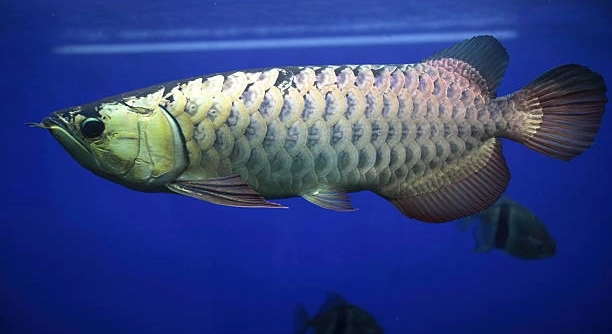
Have you noticed your arowana moving back and forth in its tank more than usual? Watching this graceful fish swim endlessly can feel a little unsettling, especially when it seems restless or uneasy. Observing your pet closely helps you understand its habits.
Arowanas often pace due to stress, insufficient space, or environmental changes. Inadequate tank size, poor water quality, or aggressive tank mates can trigger this behavior. Ensuring proper conditions and monitoring your arowana’s health can reduce pacing and promote well-being.
Learning the reasons behind this repetitive swimming can improve your fish’s comfort. Taking small steps in tank care can make a significant difference in their daily life.
Common Causes of Arowana Pacing
Many arowanas pace because their environment is not meeting their needs. Small tanks, poor filtration, or sudden changes in water temperature can make them feel stressed. Even decorations or hiding spots that are too few or too cramped can lead to constant swimming. Some arowanas also react to reflections or their own shadows on the tank walls, mistaking them for other fish. Overcrowding with other fish may make them feel threatened, which increases restlessness. Feeding schedules can also play a role—if they are hungry or not receiving proper nutrition, they may swim more actively, looking for food. Observing patterns in their swimming behavior often gives clues about what they need. By paying attention to tank size, water quality, and fish interactions, you can better understand why pacing occurs and how to address it in a practical way. Consistent monitoring is key to maintaining a calm, healthy fish.
Tank conditions, including water quality, space, and temperature, are primary contributors to arowana pacing. Adjusting these factors can reduce stress and encourage normal behavior.
Addressing pacing effectively requires looking at multiple factors. Water changes should be regular, and arowanas need a spacious tank to swim freely. Hiding spots or visual barriers help them feel secure. Balanced nutrition and feeding routines support their physical health, which in turn reduces restless behavior. Observing their interactions with other fish can reveal if aggression or competition is causing stress. Even subtle factors, like sudden noises or vibrations near the tank, can make arowanas swim repeatedly along the glass. Combining these adjustments can improve their environment significantly. By creating a stable, comfortable habitat, pacing often decreases, and your arowana can display calmer, more natural swimming patterns. Monitoring and minor adjustments over time usually produce the best results in keeping these fish content.
Stress and Its Effects
Arowanas are sensitive to changes and can react strongly to stress. Stress affects their behavior, appetite, and overall health.
Stress can make arowanas more likely to pace continuously, which can be harmful if it becomes chronic. Sudden changes in light, temperature, or water chemistry can trigger stress. Even new additions to the tank may unsettle them until they acclimate. Over time, stressed fish may show reduced immune responses, making them more vulnerable to disease. Pacing is often an early indicator, giving owners a chance to correct issues before health declines. Ensuring a consistent, calm environment with proper filtration, stable temperature, and minimal disturbances helps reduce stress levels. Watching for subtle signs, such as changes in coloration, appetite, or interaction with tank mates, is crucial. Addressing these stress factors promptly not only improves behavior but also enhances the longevity and well-being of the arowana, allowing it to thrive in a safe, supportive habitat.
Tank Size and Space
Arowanas need large tanks to swim comfortably. Small or narrow tanks limit movement, causing them to pace constantly. Adequate space is essential for their growth and well-being.
Arowanas are active, strong swimmers that require room to move freely. A tank that is too small restricts their natural behavior and can lead to stress, aggression, or health issues. Most adult arowanas need tanks of at least 250 gallons, depending on the species. Taller, wider tanks with open swimming areas help prevent repetitive pacing. Decorations and hiding spots should be placed carefully to avoid crowding the swimming space, while still giving the fish some security. Regular observation ensures they are adjusting well to the environment.
Providing enough space is only part of the solution. The layout of the tank matters too. Avoid cluttering the tank with too many ornaments or plants that block swimming paths. Open areas for exercise reduce stress and repetitive behavior. Ensure water filtration supports clean conditions, as poor water quality combined with limited space can worsen pacing. Monitoring the fish daily helps identify whether they are comfortable, allowing adjustments before stress becomes a long-term problem.
Feeding Habits and Diet
Proper feeding supports your arowana’s health and reduces restless swimming. A balanced diet keeps them satisfied and active.
Arowanas require a mix of protein-rich foods like fish, shrimp, or insects, along with occasional pellets. Feeding too little or inconsistently can make them swim more, searching for food. Overfeeding, on the other hand, can pollute water and affect their energy levels. Maintaining a consistent schedule and portion size helps prevent pacing and promotes healthy growth. Observing their eating behavior can reveal whether diet adjustments are needed.
Variety in food is important for nutrition and engagement. Offering live or frozen prey stimulates natural hunting instincts while providing essential nutrients. Supplementing with vitamins or occasional plant matter ensures a balanced diet. Avoid feeding low-quality foods or excessive fillers that may not meet dietary needs, as this can lead to boredom or health issues. Feeding at regular intervals, observing their appetite, and adjusting portions based on size and activity keeps your arowana both physically and mentally healthy, reducing restless pacing in the tank.
Water Quality and Maintenance
Clean water is essential for arowanas to stay calm and healthy. Poor water quality can trigger pacing, stress, and disease, making regular maintenance a priority.
Testing for ammonia, nitrites, nitrates, and pH helps keep conditions stable. Consistent water changes, proper filtration, and careful monitoring reduce stress and promote natural swimming behavior.
Tankmates and Social Interaction
Arowanas can be territorial, and incompatible tankmates may cause anxiety or aggression. Careful selection and observation prevent stress-induced pacing.
Choosing peaceful, similarly sized fish is important. Avoid overcrowding, as it increases competition for food and territory, leading to restlessness. Observing interactions helps determine compatibility and reduces repetitive swimming caused by social stress.
Lighting and Environment
Lighting affects your arowana’s behavior. Bright or inconsistent lighting can make them pace or hide more than usual. Proper, steady lighting mimics natural conditions, helping the fish feel secure and relaxed in their habitat.
Health Concerns
Pacing may indicate illness or injury. Regular health checks are important to catch problems early. Proper nutrition, clean water, and observation help maintain arowana wellness and prevent stress-related behaviors.
FAQ
Why does my arowana swim back and forth constantly?
Arowanas often pace because of stress, inadequate space, or environmental changes. Small tanks, poor water quality, or aggressive tankmates can trigger this behavior. Ensuring a large tank, clean water, and a calm environment usually reduces repetitive swimming. Observing their patterns helps identify the cause.
Is pacing harmful to my arowana?
Occasional pacing is normal, but constant back-and-forth movement may indicate stress or discomfort. Over time, this can weaken the fish, affect appetite, or increase susceptibility to disease. Addressing environmental and social factors early prevents long-term health issues.
How big should my arowana tank be?
Adult arowanas need at least 250 gallons, depending on species. Tall and wide tanks with open swimming areas allow for natural movement. Decorations should not block space but can provide security. Proper sizing reduces stress-related pacing and promotes growth.
How often should I change the water?
Partial water changes of 20–30% weekly are recommended. Frequent testing for ammonia, nitrites, nitrates, and pH ensures stable conditions. Clean water reduces stress, supports overall health, and discourages pacing caused by poor tank conditions.
Can tankmates affect pacing?
Yes, incompatible or aggressive tankmates can make arowanas anxious or territorial, causing repeated swimming along the tank. Choose peaceful, similarly sized fish and monitor interactions to minimize stress. Proper social balance improves comfort and reduces restless behavior.
Does diet influence pacing behavior?
Yes. Arowanas need a balanced diet of protein-rich foods like fish, shrimp, or insects, with occasional pellets. Irregular feeding or insufficient nutrition can make them swim restlessly, searching for food. Consistent feeding schedules and portion control support health and calm behavior.
Can lighting impact my arowana’s behavior?
Lighting that is too bright or inconsistent can cause stress. Steady, moderate lighting that mimics natural daylight helps your arowana feel secure. Providing shaded areas or hiding spots further reduces anxiety and limits pacing.
What signs indicate my arowana is stressed?
Signs include constant pacing, loss of appetite, hiding excessively, changes in color, or aggressive behavior. Observing these signs early allows you to address environmental, social, or dietary causes before health is affected.
How do I reduce pacing in my arowana?
Providing a spacious tank, clean water, proper lighting, balanced diet, and compatible tankmates reduces pacing. Adding hiding spots and visual barriers gives security. Regular observation ensures adjustments can be made before stress becomes severe.
When should I consult a vet?
If pacing continues despite optimal tank conditions or is accompanied by signs of illness, injury, or unusual behavior, consult a veterinarian. Early intervention ensures the arowana remains healthy and stress-free.
Are reflections in the tank a problem?
Yes, some arowanas see their reflection as another fish and may swim repeatedly at the glass. Reducing reflective surfaces or repositioning the tank helps minimize this behavior.
Can tank layout influence pacing?
Open swimming space is essential. Overcrowded tanks with too many decorations or narrow swimming paths can cause repetitive movement. Arranging plants and ornaments thoughtfully maintains space while providing security.
How long does pacing usually last?
Pacing can be temporary if caused by sudden changes or hunger. Chronic pacing often indicates long-term stressors like poor water quality, small tank size, or incompatible tankmates. Continuous observation and adjustments help reduce it.
Do water temperature changes affect pacing?
Yes, sudden temperature fluctuations or water that is too cold or hot can stress arowanas. Keeping the temperature stable within species-appropriate ranges prevents stress-induced pacing and supports overall health.
Can enrichment help reduce pacing?
Yes, introducing varied foods, hiding spots, and visual barriers stimulates natural behaviors. This reduces boredom and encourages calmer swimming, preventing constant back-and-forth movement along the tank walls.
How do I know if my arowana is comfortable in its tank?
Comfortable arowanas swim naturally, explore the tank calmly, eat well, and interact appropriately with tankmates. Lack of constant pacing, bright coloration, and normal behavior are good indicators of a healthy environment.
What is the most common reason for pacing?
The most common reason is environmental stress—small tank size, poor water quality, or incompatible tankmates. Addressing these factors usually resolves pacing, allowing the arowana to swim calmly and maintain good health.
How can I prevent pacing from developing?
Start with a spacious tank, clean water, proper lighting, balanced diet, and compatible tankmates. Regular monitoring and adjustments to conditions help maintain comfort, reducing the likelihood of repetitive back-and-forth swimming.
Does pacing ever stop on its own?
If pacing is caused by temporary stress, such as hunger or a minor environmental change, it may stop once the issue is resolved. Persistent pacing usually requires intervention to improve tank conditions or reduce stressors.
Are certain arowana species more prone to pacing?
Some species are more active or territorial, making them more likely to pace if conditions are inadequate. Knowing the behavior patterns of your specific species helps tailor tank setup and care to prevent stress-related pacing.
Can pacing indicate a serious illness?
Yes, if pacing is accompanied by loss of appetite, discoloration, lethargy, or abnormal swimming patterns, it may indicate disease. Promptly addressing health concerns with a veterinarian is important to prevent further complications.
Does tank noise affect pacing?
Yes, vibrations or loud sounds near the tank can stress arowanas, leading to repetitive swimming. Placing the tank in a quiet, stable location reduces environmental stress and encourages calmer behavior.
Are hiding spots necessary?
Yes, hiding spots provide security and reduce stress, especially for shy or easily startled arowanas. Strategically placed decorations or plants allow them to retreat and feel safe, reducing pacing behavior.
How important is monitoring daily behavior?
Daily observation helps detect early signs of stress, disease, or environmental issues. Catching problems early allows for timely interventions, ensuring arowanas remain healthy and reducing constant pacing.
Can water chemistry changes cause pacing?
Yes, sudden changes in pH, ammonia, nitrites, or nitrates can stress arowanas. Maintaining stable water chemistry is essential to prevent restlessness and ensure long-term health.
Does tank shape matter for pacing?
Yes, long, wide tanks with open swimming areas are ideal. Narrow or shallow tanks restrict movement, causing pacing. Designing the tank layout with space and open areas encourages natural swimming patterns.
How long should I observe my arowana to understand pacing?
Observation over several days helps identify patterns, triggers, or environmental issues causing pacing. Noting behavior at different times and conditions provides insight into necessary adjustments for comfort and health.
Can overcrowding make pacing worse?
Yes, too many fish increase competition for food and territory, stressing arowanas. Reducing overcrowding and maintaining proper stocking levels helps them swim naturally without excessive pacing.
Are supplements helpful for pacing?
Supplements can support health but do not directly reduce pacing caused by stress or inadequate tank conditions. Balanced nutrition and environmental adjustments are more effective in calming repetitive swimming behavior.
Does tank location influence pacing?
Yes, tanks placed near high traffic areas, vibrations, or bright lights can stress fish. Choosing a stable, quiet location helps arowanas feel secure and reduces repetitive swimming.
Can reflections trigger aggression?
Yes, arowanas may perceive their reflection as a rival, leading to pacing or aggressive behavior. Minimizing reflective surfaces or adjusting tank positioning helps prevent this.
How do I know if pacing is normal or problematic?
Occasional pacing is normal curiosity or exploration. Continuous back-and-forth movement, especially with signs of stress or illness, indicates a problem. Monitoring patterns and environmental factors helps determine whether intervention is needed.
What are the first steps to take if pacing starts?
Check water quality, tank size, diet, lighting, and tankmates. Make necessary adjustments and observe for improvement. Early action prevents stress from becoming chronic and supports arowana health.
Can pacing affect growth?
Yes, constant stress and energy expenditure from pacing can slow growth or affect overall health. Providing optimal conditions supports normal development and reduces restless behavior.
How often should I check for pacing triggers?
Weekly checks of water, tankmates, and environment are essential. Daily behavior observation helps catch early signs, ensuring your arowana remains healthy and calm.
Is it okay to leave pacing arowanas alone?
Occasional pacing is harmless, but persistent behavior requires investigation. Ignoring stressors may lead to health issues, so proactive care is important for long-term well-being.
What tools can help monitor pacing?
Timers, cameras, or simple observation logs help track swimming patterns, feeding, and environmental changes. Consistent monitoring allows identification of triggers and effective intervention strategies.
Can adding plants reduce pacing?
Yes, live or artificial plants create hiding spots and visual barriers, giving security and reducing stress-induced repetitive swimming. Proper placement ensures open swimming areas remain.
Do arowanas ever adapt to small tanks?
They may survive but are more likely to pace and show stress behaviors. Providing a larger tank ensures proper exercise, growth, and long-term health.
How do I balance tank aesthetics with swimming space?
Place decorations and plants along tank edges or corners to maintain open swimming paths. Minimal clutter with strategic hiding spots balances visual appeal and comfort.
Are young arowanas less prone to pacing?
Juveniles may be less noticeable but still require space and proper care. Early attention to tank size, diet, and environment prevents pacing habits as they grow.
Does water flow affect pacing?
Strong currents can tire or stress arowanas, while stagnant water may feel unsafe. Moderate, consistent flow supports natural swimming without causing stress or repetitive movement.
Can nighttime lighting influence behavior?
Sudden lights at night can startle fish and trigger pacing. Maintaining a consistent day-night cycle helps arowanas feel secure and reduces restless swimming.
Do arowanas show improvement with gradual changes?
Yes, slow adjustments to diet, tank layout, or water conditions help them adapt without added stress. Gradual improvements reduce pacing more effectively than sudden changes.
Are pacing patterns predictable?
Patterns often reflect environmental or social factors. Observing timing, location, and triggers can help anticipate and reduce repetitive behavior by addressing the root cause.
Can mirrors be used for enrichment safely?
Occasional brief exposure can stimulate hunting instincts, but prolonged reflection may increase stress or aggression. Use carefully to avoid triggering constant pacing.
Does stress affect lifespan?
Chronic stress can reduce immunity, stunt growth, and shorten lifespan. Minimizing environmental stressors is essential for healthy, long-living arowanas.
Can tank filtration influence pacing?
Yes, poor filtration leads to poor water quality, which increases stress and restlessness. Efficient filtration maintains clean water, reducing pacing and promoting healthy behavior.
Do arowanas prefer solitary tanks?
Most species thrive in tanks without aggressive or incompatible fish. Solitary or carefully managed social tanks prevent stress and reduce pacing caused by territorial disputes.
Can temperature fluctuations be gradual?
Yes, slow adjustments to heating or cooling reduce stress. Sudden changes trigger pacing, so stable, species-appropriate temperatures are best.
How do I know if my adjustments work?
Reduced pacing, calm swimming, normal appetite, and interaction with tankmates indicate effective changes. Monitor over days to confirm improvement.
Are supplements necessary if diet is balanced?
Not always. Supplements support health but cannot replace clean water, proper tank size, or compatible tankmates. Environmental improvements remain the primary solution to pacing.
Can pacing ever be completely eliminated?
If caused by environmental or social factors, pacing often reduces significantly. Some occasional swimming back and forth is natural, but chronic stress-induced pacing should be addressed for health and comfort.
Is pacing the same as aggression?
Not always. Pacing can result from stress, boredom, or reflection, while aggression involves chasing or attacking tankmates. Observing context and interactions clarifies the cause.
How do I track improvements over time?
Maintain a simple log of water changes, feeding, tankmates, and behavior. Note pacing frequency and duration. Gradual improvements show that interventions are effective.
Can stress reduction affect coloration?
Yes, relaxed arowanas often display brighter, more vibrant colors. Stress causes dulling, while calm environments support natural coloration and overall health.
Do all arowanas pace similarly?
Behavior varies by species, personality, and environment. Observing individual patterns helps tailor care to reduce repetitive swimming for each fish.
Are sudden behavioral changes a warning sign?
Yes, sudden pacing, loss of appetite, or aggression signals stress or illness. Early detection allows for quick intervention to restore well-being.
Can pacing affect breeding behavior?
Chronic stress and excessive pacing may reduce readiness to breed or interfere with courtship behaviors. Stable, calm environments support reproductive health.
Do reflections matter for juvenile arowanas?
Yes, even young fish may react to reflections, causing repetitive swimming. Minimizing mirrored surfaces encourages normal behavior and reduces early stress habits.
How can I combine solutions effectively?
Address tank size, water quality, lighting, diet, and social interactions together. Combining improvements provides the most consistent reduction in pacing and supports overall arowana health.
What is the best daily routine for pacing prevention?
Feed consistently, check water, observe behavior, maintain filtration, and ensure calm surroundings. Regular attention prevents stress and minimizes repetitive swimming.
Are there signs that pacing is improving?
Yes, calmer swimming, consistent eating, reduced chasing of reflections, and relaxed interaction with tankmates indicate that the arowana is adjusting to environmental improvements.
Does tank shape affect behavior more than size?
Both matter. Size ensures room to swim, while shape affects movement patterns. Long, open tanks reduce pacing better than narrow or irregularly shaped tanks.
Can pacing return after improvements?
Yes, if conditions change suddenly, such as new tankmates, water chemistry shifts, or poor maintenance. Continuous monitoring ensures lasting results and fish comfort.
Is pacing more common in older fish?
Older arowanas may pace more if space becomes inadequate or health declines. Adjustments to tank size, diet, and monitoring support aging fish and reduce stress behaviors.
Can pacing indicate boredom?
Yes, lack of stimulation can lead to repetitive swimming. Adding hiding spots, enrichment, and varied feeding routines keeps arowanas mentally and physically engaged.
How do I know which factor is causing pacing?
Observe patterns and test environmental variables one at a time. Water quality, tankmates, diet, lighting, and space are common triggers. Systematic adjustments help identify the primary cause.
Do arowanas need different conditions at night?
Providing a quiet, dimly lit night environment prevents stress and pacing. Sudden light or activity at night can disturb their routine and trigger repetitive swimming.
Are tank decorations helpful or harmful?
Decorations are helpful if they provide hiding spots without restricting open swimming space. Overcrowding or sharp objects can stress the fish and worsen pacing.
Can pacing affect appetite?
Yes, stressed or restless arowanas may eat less or ignore food. Resolving environmental and social stressors usually restores normal feeding behavior.
Do arowanas remember stressful experiences?
They may associate certain environments or tankmates with stress, leading to pacing even after changes. Consistent, calm conditions help them adapt and reduce repetitive behavior.
Can pacing affect immunity?
Chronic stress from pacing weakens the immune system, making fish more prone to infections. Maintaining ideal conditions supports health and resilience.
Does tank depth matter for pacing?
Yes, deeper tanks allow vertical swimming, which reduces repetitive back-and-forth movement along the bottom or sides. Depth combined with length ensures comfortable swimming space.
Are arowanas sensitive to human activity?
Frequent tapping, vibrations, or rapid movement near the tank can stress them and trigger pacing. A stable, calm environment reduces this response.
Can pacing indicate water contamination?
Yes, high ammonia, nitrites, or nitrates may stress fish, causing repetitive swimming. Regular water testing and filtration prevent contamination and improve comfort.
Do seasonal changes affect pacing?
Yes, temperature fluctuations or light changes with seasons can stress arowanas. Gradual adjustments and stable conditions help maintain calm behavior year-round.
Can pacing lead to injuries?
Repetitive collisions with tank walls or objects can cause fin damage or bruising. Ensuring open swimming areas reduces risk and promotes safe movement.
How do I know when pacing is fully resolved?
When swimming is calm, eating is normal, and interactions are relaxed, pacing is significantly reduced. Continuous monitoring ensures lasting improvement and fish health.
Are some behavioral changes irreversible?
Long-term stress or poor conditions may cause lasting behavioral or health effects. Early intervention is key to preventing permanent issues.
Do temperature and lighting work together?
Yes, consistent temperature and light cycles create a natural environment. Stability in both reduces stress and repetitive swimming.
Can pacing occur without visible stress signs?
Yes, subtle stress may cause pacing before other signs appear. Observing behavior carefully helps identify and correct environmental triggers early.
Are there alternative enrichment options?
Yes, floating objects, feeding puzzles, or occasional live prey provide stimulation. These reduce boredom and help minimize repetitive swimming behavior.
Can pacing indicate social hierarchy issues?
Yes, territorial disputes or dominance struggles may cause stress-induced pacing. Adjusting tankmates or providing barriers can resolve these conflicts.
Does tank size alone prevent pacing?
Not always. Proper water quality, diet, lighting, and compatible tankmates are equally important. Size alone cannot eliminate stress-related swimming.
How long should I wait to see improvement?
Changes in environment or routine may take several days to weeks to reduce pacing. Patience and consistent care are essential.
Are arowanas more active during certain times of day?
Yes, they may be more active during daylight hours. Observing natural activity patterns helps distinguish normal behavior from stress-induced pacing.
Can pacing affect fin or tail health?
Repeated collisions can damage fins or tails. Providing sufficient open swimming space prevents injury while reducing repetitive movements.
Do different species require different interventions?
Yes, some species are more active, territorial, or sensitive. Care adjustments should be tailored to species-specific needs to reduce pacing effectively.
Can tankmates calm a pacing arowana?
Peaceful, compatible tankmates may provide comfort, but aggressive or small fish can increase stress. Selection and observation are key to social balance.
Does water current help or hurt pacing?
Moderate currents simulate natural conditions and encourage exercise. Strong currents may tire or stress the fish, increasing pacing. Balance is essential.
Are all repetitive swimming behaviors pacing?
Not all. Some swimming along tank walls is normal exploration. Chronic back-and-forth
Final Thoughts
Understanding why your arowana paces back and forth is important for keeping it healthy and happy. Pacing is often a sign that something in the environment or routine needs attention. It may not always indicate illness, but it is a behavior that should not be ignored. Many factors can contribute to pacing, including tank size, water quality, lighting, diet, and interactions with other fish. Observing your arowana closely can help you determine the cause and take steps to correct it. By identifying the reasons for pacing, you can create a stable environment that supports natural swimming patterns and reduces stress. A calm arowana is more likely to eat well, grow properly, and show vibrant colors.
Providing the right tank conditions is one of the most effective ways to prevent or reduce pacing. Adult arowanas need large, open tanks to swim freely, with decorations and hiding spots placed strategically to avoid restricting movement. Clean water, regular filtration, and stable temperatures help maintain their comfort and health. Consistent lighting that mimics a natural day-night cycle also plays a role in reducing stress. Feeding a balanced diet at regular intervals prevents hunger-related pacing, while monitoring interactions with tankmates ensures social harmony. Even small adjustments, like minimizing reflective surfaces or reducing vibrations near the tank, can make a noticeable difference in behavior. Paying attention to these details creates a more predictable, comfortable environment for your arowana and helps prevent stress-related behaviors.
Daily observation is essential for maintaining the well-being of your arowana. Keeping track of swimming patterns, appetite, interactions, and overall behavior allows you to spot changes early. If pacing persists despite optimal conditions, it may indicate health issues that require professional attention. Regular monitoring also helps you evaluate whether adjustments to the tank or routine are effective. Over time, creating a calm, stable habitat will allow your arowana to display more natural behavior, swim without unnecessary pacing, and thrive in its environment. By combining careful observation, proper tank management, and consistent care, you can ensure your arowana lives a healthier, less stressful life while giving you confidence as a responsible owner.

Hello,
If you enjoy the content that we create, please consider saying a "Thank You!" by leaving a tip.
Every little bit helps us continue crafting quality advice that supports the health, happiness, and well-being of pets around the world, for pets of all shapes, sizes, and species.
We really appreciate the kindness and support that you show us!