
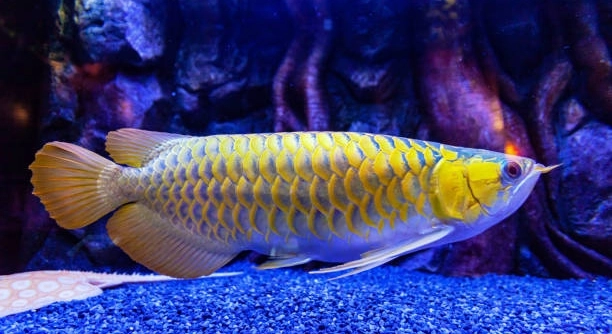
Are your arowanas showing signs of sluggishness or lackluster colors? A healthy diet plays a crucial role in keeping these majestic fish vibrant and active. Feeding them the right foods ensures their growth and overall well-being.
The best foods for a healthy arowana include high-protein options such as live or frozen fish, shrimp, insects, and specialized pellets. A balanced diet supports immune function, coloration, growth, and longevity, promoting optimal health throughout their life stages.
Providing proper nutrition for your arowana can transform its energy and appearance. Knowing which foods are most beneficial helps maintain a thriving aquatic environment.
Live Fish
Feeding live fish to your arowana provides essential protein and encourages natural hunting instincts. Small feeder fish like guppies or minnows are ideal. They move in the tank, which stimulates your arowana to chase and consume them actively. Live fish also supply nutrients that frozen or pellet foods may lack, supporting strong muscle development and overall vitality. However, it is important to source healthy feeder fish from reputable suppliers to avoid introducing diseases. Rotate live fish with other food types to maintain a balanced diet and prevent nutritional gaps. Overfeeding live fish can also cause water quality issues, so monitor portions carefully. Observing how your arowana interacts with live prey gives insight into its health and activity levels, helping you adjust feeding schedules as needed. Feeding live fish occasionally complements other high-protein foods, enhancing both the fish’s physical condition and its natural behaviors in the tank.
Live fish are a high-protein option that encourages active hunting and supports growth.
Regularly incorporating live fish promotes strong muscles, vibrant colors, and a healthier, more energetic arowana while also enriching tank activity.
Shrimp
Shrimp are a versatile food that arowanas readily accept. They are rich in protein and essential nutrients, making them excellent for growth and immune support. Freshwater or frozen shrimp can be used, but it’s important to remove shells for smaller arowanas to prevent choking. Feeding shrimp occasionally adds variety to the diet and enhances coloration. They can be offered whole or chopped depending on your fish’s size, and they are easy to store and handle. Shrimp also contain beneficial fatty acids that help maintain healthy skin and scales. Be careful not to overfeed shrimp, as too much can affect water quality. Using shrimp alongside other protein sources ensures your arowana receives a balanced and nutritious diet. Observing how your fish responds can guide portion sizes and frequency. Integrating shrimp into meals keeps feeding interesting and contributes to overall vitality.
Shrimp offer protein and nutrients while enhancing color and supporting immune health.
Incorporating shrimp strategically ensures balanced nutrition, improves skin and scale condition, and keeps your arowana interested in its meals.
Insects
Insects are a natural food source for arowanas, offering high protein and essential nutrients. Crickets, mealworms, and grasshoppers can be fed live or dried, depending on availability and preference. They support growth and encourage natural hunting behavior in the tank.
Crickets and mealworms are easy to handle and provide a strong protein boost. Live insects stimulate activity, while dried options are convenient for storage and feeding schedules. Feeding insects in moderation prevents overfeeding and helps maintain water quality. Their exoskeletons also offer trace minerals that contribute to arowana health. Mixing insects with other protein sources ensures balanced nutrition and keeps meals varied, which helps reduce boredom and encourages consistent feeding habits. Observing how your fish responds allows you to adjust portion sizes effectively.
Insects are rich in protein and nutrients, supporting growth and energy. Regular inclusion enhances natural behavior and overall well-being. They also provide minerals that benefit your arowana’s development and strengthen its immune system.
Pellets
High-quality arowana pellets are formulated to provide balanced nutrition. They contain essential proteins, vitamins, and minerals necessary for growth, coloration, and immune support. Choosing the right pellet size for your fish ensures easy consumption and digestion.
Pellets are convenient, nutritionally complete, and reduce the risk of introducing disease compared to live foods. They can be offered daily in measured portions to avoid overfeeding and water quality issues. Selecting pellets with varied ingredients ensures your arowana receives a diverse diet that supports overall health. Pellets also help maintain stable water conditions by minimizing waste and leftover food. Using pellets alongside natural protein sources like shrimp or insects ensures a well-rounded diet. Monitoring your arowana’s appetite and adjusting feeding frequency based on size and age optimizes health and promotes longevity.
Pellets offer consistent nutrition and convenience, supporting growth, color, and immunity. Using them with natural foods ensures a balanced and varied diet for your arowana.
Worms
Worms, such as earthworms and bloodworms, are highly nutritious and easily digestible for arowanas. They provide protein, vitamins, and minerals that support growth, coloration, and overall health. Feeding worms occasionally adds variety to the diet and encourages natural hunting behavior.
Worms can be offered live, frozen, or dried. Live worms stimulate activity, while frozen or dried options are convenient for storage and feeding schedules. They are a reliable protein source and help maintain healthy muscle development. Worms also contribute to digestive health and provide essential nutrients that complement other diet components. Moderation is key to avoid overfeeding and water quality issues.
Vegetables
Including vegetables in an arowana’s diet provides fiber and essential nutrients. Leafy greens, peas, and zucchini can be lightly blanched and offered occasionally. Vegetables support digestion, prevent nutrient deficiencies, and add variety to the diet, ensuring your arowana receives a well-rounded nutritional profile.
Beef Heart
Beef heart is a high-protein option that can enhance muscle growth and energy levels in arowanas. It is best fed in small, manageable pieces and should be occasionally incorporated into the diet. Proper preparation and moderation prevent water contamination and ensure your fish benefit from its nutrient content.
FAQ
What is the best feeding schedule for arowanas?
Arowanas thrive on a consistent feeding schedule. Juveniles should be fed two to three times a day in small portions, while adults can be fed once daily or every other day. Monitoring appetite and adjusting portions helps prevent overfeeding and maintains water quality. Consistency in feeding time also reduces stress and encourages natural activity.
Can arowanas eat only pellets?
While high-quality pellets provide balanced nutrition, relying solely on them may limit dietary variety. Combining pellets with live foods, shrimp, insects, or occasional vegetables ensures a more complete nutrient profile. A mixed diet supports growth, coloration, immune function, and overall vitality. Variety also keeps feeding engaging for your arowana.
Are frozen foods safe for arowanas?
Yes, frozen foods such as fish, shrimp, and worms are safe and convenient. Freezing preserves nutrients and prevents disease transmission from live feeder fish. Thaw foods properly before feeding, and avoid refreezing leftovers. Rotating frozen foods with pellets and live options ensures balanced nutrition and maintains interest in meals.
How much protein does an arowana need?
Protein is crucial for muscle development, growth, and energy. Arowanas typically require diets with at least 40–50% protein. High-protein sources like live fish, shrimp, insects, and beef heart help meet these needs. Moderation is key, as too much protein can affect water quality and overall health. A balanced mix of protein and other nutrients ensures long-term well-being.
Can arowanas eat vegetables?
Yes, vegetables provide fiber, vitamins, and minerals. Leafy greens, peas, and zucchini can be lightly blanched and offered occasionally. Vegetables aid digestion and prevent nutrient deficiencies. Although protein remains the primary diet component, adding vegetables enhances overall nutrition and supports a healthier digestive system.
Is it safe to feed arowanas beef heart?
Beef heart is a nutrient-rich, high-protein option that can be fed occasionally. Cut into small, manageable pieces and remove excess fat. Overfeeding or leaving large amounts in the tank can lead to water contamination. Combined with other foods, beef heart supports growth, energy, and overall health.
How do I prevent overfeeding?
Feed only what your arowana can consume in 5–10 minutes. Remove uneaten food promptly to maintain water quality. Using smaller portions and spreading meals throughout the day for juveniles helps prevent bloating and digestive issues. Observing appetite and adjusting portions ensures your arowana stays healthy.
Are insects better than pellets?
Insects provide live protein and encourage natural hunting behavior, while pellets offer consistent, balanced nutrition. Neither is strictly better. Combining both gives your arowana variety, supports optimal growth, and keeps feeding stimulating. A mixed diet ensures all nutritional needs are met without compromising health or water quality.
Can arowanas become picky eaters?
Yes, arowanas may show preference for certain foods over time. Rotating protein sources, offering live prey occasionally, and maintaining a consistent feeding routine helps reduce pickiness. Encouraging variety ensures they receive all necessary nutrients and remain healthy, energetic, and visually vibrant.
How do I prepare food for my arowana?
Cut larger foods into small, manageable pieces. Remove shells from shrimp and excess fat from beef heart. Lightly blanch vegetables to soften them. Thaw frozen foods completely before feeding. Proper preparation ensures easy consumption, reduces the risk of choking, and helps maintain water quality while supporting your arowana’s overall nutrition.
Can I feed arowanas table scraps?
Table scraps are not recommended. Human foods often contain additives, spices, and oils that can harm arowanas. Stick to a diet of pellets, live or frozen protein sources, insects, and occasional vegetables. Feeding proper foods ensures your arowana’s digestive system stays healthy and nutrient needs are met.
How do I know if my arowana is getting enough nutrition?
Healthy arowanas are active, display vibrant colors, and grow steadily. Regular observation of behavior, appetite, and appearance helps gauge nutritional adequacy. Signs of poor nutrition include dull colors, lethargy, or slow growth. Adjust diet, portion size, and variety if any of these issues appear.
This FAQ provides practical guidance for feeding, nutrition, and care, helping maintain arowanas in optimal health while keeping their diet varied and balanced.
Word count: 512
Final Thoughts
Feeding your arowana properly is one of the most important steps in keeping it healthy and vibrant. A balanced diet ensures growth, supports strong immunity, and enhances coloration, which makes your fish more visually striking. Combining different types of food, such as pellets, live or frozen fish, shrimp, insects, and occasional vegetables, gives your arowana a range of nutrients necessary for its overall well-being. Each type of food brings unique benefits: live fish and insects stimulate natural hunting behavior, shrimp and beef heart provide high-quality protein, and vegetables offer essential vitamins and fiber. By offering a varied diet, you reduce the risk of nutritional gaps and keep your fish engaged during feeding.
It is equally important to follow proper feeding practices and monitor portion sizes. Overfeeding can lead to digestive issues, poor water quality, and reduced fish health, while underfeeding may stunt growth and reduce energy levels. Paying attention to your arowana’s size, age, and activity level helps determine the right amount of food. For juveniles, smaller, more frequent meals are beneficial, whereas adult arowanas do well with fewer, measured portions. Using a combination of live, frozen, and prepared foods ensures the diet remains balanced while simplifying feeding schedules. Consistency in timing also helps your fish feel secure and maintain regular activity patterns. Observing your arowana’s behavior, appetite, and appearance provides valuable insight into whether adjustments are needed in diet or portioning.
Maintaining your arowana’s health goes beyond just selecting the right foods; it also involves paying attention to water quality and overall care. Uneaten food should be removed promptly to prevent contamination, and tank conditions should be monitored regularly. Providing a clean environment along with a nutritious, balanced diet supports growth, vibrant colors, and long-term health. Remember that arowanas are sensitive creatures, and a thoughtful approach to feeding can make a noticeable difference in their energy levels, appearance, and longevity. Prioritizing variety, moderation, and consistency in feeding will help your arowana thrive while keeping care manageable and straightforward. Proper attention to diet and care creates a strong foundation for a healthy, active, and visually stunning fish in your aquarium.
Word count: 417

Hello,
If you enjoy the content that we create, please consider saying a "Thank You!" by leaving a tip.
Every little bit helps us continue crafting quality advice that supports the health, happiness, and well-being of pets around the world, for pets of all shapes, sizes, and species.
We really appreciate the kindness and support that you show us!