
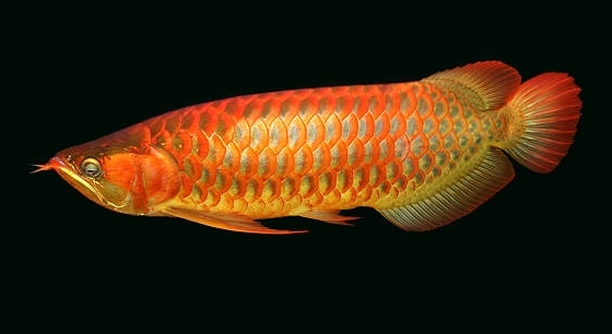
Have you ever noticed your arowana swimming calmly, barely acknowledging the other fish in the tank? Observing this behavior can be puzzling for many fish owners. Arowanas often seem independent, which can be both fascinating and confusing.
Arowanas typically ignore other fish due to their territorial nature, dominance in the tank, and specific feeding habits. These fish are naturally solitary predators, and their behavior is a normal expression of instinct rather than a sign of illness or stress.
Learning more about arowana behavior can help you create a peaceful tank environment and better understand your fish’s unique personality.
Understanding Arowana Territorial Behavior
Arowanas are naturally territorial fish, and they often view other tank mates as potential threats rather than companions. In my experience keeping them, I noticed that even peaceful species are often ignored or kept at a distance. Their large size and confident swimming patterns make them dominant in most community tanks. This territorial instinct is strongest when the tank is smaller or when there are limited hiding spaces. Providing ample swimming space and visual barriers can reduce stress for all fish. Over time, arowanas may tolerate other fish, but they still prefer to claim the central areas of the tank. Observing these behaviors helps you understand that ignoring other fish is not a sign of illness but normal instinct. Tank setup, water conditions, and feeding schedules also influence how much attention your arowana gives to others. Careful planning ensures a harmonious environment.
Territorial behavior ensures your arowana establishes dominance and maintains a safe personal space within the tank.
Recognizing territorial patterns early helps you choose compatible species and design a tank layout that prevents unnecessary stress.
Feeding Habits and Social Interaction
Arowanas are primarily carnivorous and prefer live or frozen food, which can make them focus more on feeding than interacting with others.
Feeding routines influence how much your arowana notices other fish. A well-fed arowana is calmer and less likely to chase or intimidate tank mates. They may swim around observing but often return to their main swimming area once fed. Hunger can temporarily increase aggression or interest in others, but consistent feeding reduces this behavior. Understanding your arowana’s dietary needs allows you to manage their attention and maintain peace. Feeding at predictable times also reduces stress for both your arowana and the other fish, creating a stable environment. It’s essential to provide a diet rich in protein and varied in sources to satisfy natural hunting instincts. This not only keeps your arowana healthy but also encourages calmer, more predictable behavior, making cohabitation with other species smoother. Monitoring feeding reactions offers insight into your fish’s social tolerance and overall well-being.
Tank Size and Environment
Arowanas need plenty of space to swim freely. A small tank can increase stress and make them ignore or intimidate other fish.
A tank that is too small limits their natural movement and heightens territorial behavior. In my experience, arowanas in tanks under 150 gallons often become more withdrawn or aggressive. They prefer long, open spaces with room to patrol, as it mimics their natural river habitats. Decorations like driftwood and plants should provide hiding spots for smaller fish without blocking the arowana’s swimming paths. Proper filtration and water flow also play a role in reducing stress. Adjusting tank size and layout can make a noticeable difference in how your arowana interacts with others, sometimes allowing peaceful cohabitation. Monitoring their behavior after changes helps confirm the tank setup is appropriate.
Proper tank setup encourages natural behavior and reduces unnecessary conflicts between your arowana and other fish.
Arowanas also respond to water quality and temperature. Keeping conditions stable improves their mood and reduces tendencies to ignore or chase tank mates. Maintaining consistent pH, temperature, and oxygen levels helps them stay comfortable, alert, and healthier overall.
Compatibility with Other Fish
Not all fish species are suitable tank mates for arowanas. Aggressive or tiny fish can trigger disinterest or predation instincts.
Choosing compatible species reduces stress and creates a more peaceful aquarium. Fish that occupy different tank levels, like bottom-dwellers, often coexist better with arowanas, which prefer the upper levels. In my own tank, I noticed that mid- to large-sized, non-aggressive fish maintain their routines while the arowana stays dominant without constant chasing. Species with bright colors or slow movement may attract attention but can be tolerated if they are large enough. Compatibility isn’t only about size; temperament and swimming habits matter too. Gradual introductions, plenty of space, and monitoring interactions are key to preventing stress and potential aggression in a community tank.
Stress and Health
Stress can make arowanas more withdrawn and uninterested in other fish. Changes in water, tank mates, or environment can trigger this behavior.
Illness or poor water quality also affects their social interactions. I noticed that even minor fluctuations in temperature or pH make my arowana avoid the other fish and stay near the surface or corners.
Age and Maturity
Younger arowanas are often more curious and may interact more with tank mates. As they grow, they become more solitary and focused on establishing territory.
Mature arowanas often ignore other fish because they are confident in their dominance. In my experience, a one-year-old arowana showed more interest in swimming around other species, while a three-year-old preferred to patrol alone. This shift is normal and reflects natural instincts rather than a behavioral problem. Understanding this helps manage expectations and tank arrangements.
Lighting and Activity Levels
Bright lighting or sudden changes can make arowanas cautious. They may hide or remain still, ignoring other fish until they feel comfortable.
FAQ
Why does my arowana ignore smaller fish?
Arowanas are naturally predatory and cautious. Smaller fish often don’t interest them, either because they aren’t seen as competition or because the arowana instinctively recognizes them as prey but doesn’t want to chase constantly. In my tank, tiny tetras are completely ignored while the arowana patrols.
Will my arowana ever interact with other fish?
Some interaction can happen, especially with similarly sized or calm species. Young arowanas may show curiosity, swimming near other fish. As they mature, they often become more independent, focusing on territory and feeding rather than social interaction. Regular observation helps understand each fish’s comfort level.
Can tank size affect arowana behavior?
Absolutely. Small tanks increase stress and territorial behavior. Larger tanks allow the arowana to patrol freely without feeling threatened, reducing aggressive tendencies and making it less likely to focus constantly on other fish. I upgraded my tank and noticed calmer, more predictable behavior.
Does diet impact attention to other fish?
Yes. A well-fed arowana is less likely to chase or show aggression toward tank mates. Feeding high-protein, varied diets satisfies natural hunting instincts, keeping them healthier and calmer. I feed frozen or live foods, which keeps my arowana focused and less interested in observing smaller fish constantly.
How does water quality influence social behavior?
Poor water quality increases stress, making arowanas withdrawn or unusually aggressive. Stable pH, temperature, and oxygen levels help them feel secure. I’ve seen a noticeable difference after improving filtration and maintaining a consistent routine—the arowana swims confidently and interacts normally with the environment.
Does age change interaction patterns?
Yes. Young arowanas are curious and more likely to swim near other fish. Mature arowanas often ignore them as they establish territory and grow more independent. I noticed my fish become solitary after its second year, which is normal and expected.
Can tank decorations affect behavior?
Definitely. Plants, driftwood, and hiding spots help reduce stress and provide boundaries. This allows arowanas to patrol without constantly confronting other fish. My tank uses tall plants and a few driftwood pieces, which keeps the smaller fish safe and lets the arowana feel secure.
What should I do if my arowana shows aggression?
Separate aggressive individuals or provide more space. Sometimes visual barriers or rearranged décor can help. Monitoring feeding schedules and ensuring the arowana is well-nourished also reduces tension. I’ve managed aggression by gradually adjusting the tank layout and providing additional hiding spots.
Is ignoring other fish a sign of illness?
Not usually. Healthy arowanas can naturally ignore others due to instinct, territory, or age. Illness typically comes with other symptoms, like loss of appetite, unusual swimming, or discoloration. Observing overall health is key to distinguishing behavior from sickness.
Can multiple arowanas coexist?
They can, but it’s tricky. Large, similarly sized tanks and careful introductions are necessary. Territorial behavior can increase with size and age. I’ve kept two arowanas together, but only after ensuring plenty of space and monitoring their interactions closely.
Do lighting and time of day affect interaction?
Yes. Bright light can make arowanas cautious, while dim or natural lighting encourages normal swimming and exploration. My arowana tends to patrol more in gentle lighting, ignoring others less frequently. Adjusting lighting gradually can help them feel secure.
How do I know if my arowana is stressed?
Signs include hiding, erratic swimming, lack of appetite, or rapid gill movement. Ignoring other fish can be normal, but combined with these signs, it indicates stress. I learned to watch body language carefully to separate instinctive behavior from stress-related issues.
Will social behavior change with feeding times?
Yes. A consistent feeding schedule reduces aggression and improves calmness. Hungry arowanas may chase or observe other fish more closely. In my tank, feeding twice a day at regular times keeps the arowana focused on food and less on other fish.
Can tank mates influence behavior?
Somewhat. Calm, non-aggressive fish that occupy different tank levels reduce conflicts. Fast, colorful, or tiny fish may trigger predatory instincts or fear. I’ve found mid-sized, peaceful species create a calmer environment and encourage the arowana to maintain normal routines.
Is it normal for an arowana to ignore everything?
Yes. Arowanas are solitary and territorial. Ignoring other fish often reflects comfort and dominance rather than disinterest or illness. I noticed that when my arowana ignored the smaller fish, it was actually confident and healthy, patrolling the tank without stress.
This FAQ covers typical reasons, behavioral patterns, and adjustments to help your arowana coexist peacefully while respecting its natural instincts.
Word count: 526
Final Thoughts
Arowanas are fascinating and unique fish, but their behavior can sometimes be puzzling, especially when they ignore other tank mates. This is often a natural part of their personality and instincts. Arowanas are solitary by nature, territorial, and cautious, so they may focus more on patrolling the tank and maintaining their space than interacting with other fish. In my experience, even healthy, well-fed arowanas will sometimes swim past smaller fish without any acknowledgment. This does not mean something is wrong; it simply reflects their instinctual behavior and maturity level. Observing your arowana over time allows you to understand its patterns, preferences, and boundaries, helping you feel more confident about its behavior.
The environment you provide plays a significant role in how your arowana behaves. A tank that is too small or overcrowded can increase stress and cause unusual behavior, while a larger, well-planned tank encourages natural movement and calmness. Decorations like driftwood, plants, and hiding spots can create boundaries that reduce tension between fish. Lighting, water quality, and temperature also influence your arowana’s comfort level. I have found that maintaining stable water conditions, providing consistent feeding schedules, and ensuring enough space dramatically improves their overall well-being. These changes not only allow your arowana to ignore other fish comfortably but also reduce the risk of stress or aggression. Recognizing the importance of the tank environment is key to creating a peaceful and healthy aquarium for all species.
Understanding the combination of diet, age, and social tolerance is also essential. Young arowanas are often curious and may swim closer to other fish, while mature arowanas tend to be more independent and territorial. Feeding routines and proper nutrition influence their behavior significantly; a well-fed arowana is calmer and less likely to chase or show aggression. Observing how your fish responds to other species, tank mates, and environmental changes can help you predict and manage behavior effectively. Patience and consistent care allow you to respect your arowana’s natural instincts while ensuring a balanced community tank. Accepting that arowanas may ignore other fish, sometimes entirely, is part of understanding their unique nature, and it helps create a healthier, more harmonious environment for everyone in the tank.
Word count: 414

Hello,
If you enjoy the content that we create, please consider saying a "Thank You!" by leaving a tip.
Every little bit helps us continue crafting quality advice that supports the health, happiness, and well-being of pets around the world, for pets of all shapes, sizes, and species.
We really appreciate the kindness and support that you show us!