
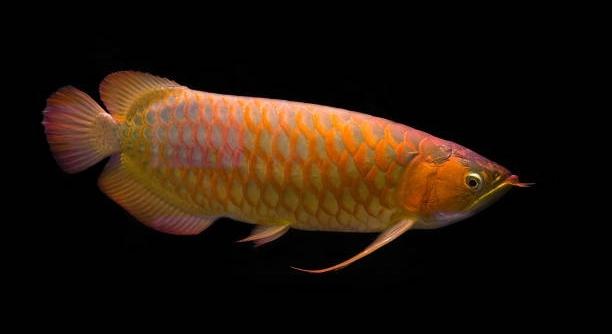
Have you ever noticed your arowana swimming nervously or acting restless in its tank? Many fish owners overlook the impact of excessive noise, which can disturb both the fish and the overall environment of your aquarium.
Arowana tanks can become too noisy due to strong water flow, loud filters, air pumps, tank decorations causing vibrations, tapping on the glass, frequent maintenance, or external household noise. These factors can stress the fish and affect their health and behavior.
Managing tank noise is essential for your arowana’s comfort and well-being. By identifying the sources, you can create a calmer, healthier environment for your fish to thrive in.
Strong Water Flow
When the water flow in your arowana tank is too strong, it can make a lot of noise that both you and your fish notice. High water currents from powerful pumps or filters create constant bubbling and splashing sounds. Arowanas prefer calm waters, and too much movement can make them anxious, causing erratic swimming or hiding. Over time, the strong water flow can stress the fish, impacting their appetite and overall health. Adjusting the flow to a gentler level allows the fish to swim comfortably and reduces unwanted tank noise. Many tank owners don’t realize that reducing water speed also decreases vibrations that carry through the glass, which helps make the tank quieter overall. Small changes like repositioning the filter or adding decorations that break the current can improve both the noise level and the fish’s comfort. Monitoring the water movement regularly ensures your arowana remains calm and the tank maintains a peaceful environment.
Excessive water movement can stress your arowana and increase noise. Adjusting flow creates a calmer, quieter tank for better fish health.
Gentle water flow keeps your arowana relaxed and active. Installing flow diffusers or moving the filter outlet can limit turbulence. Decorations such as driftwood or rocks break the water current, reducing splashing sounds. Regularly checking pump settings ensures consistent, quiet operation. This approach prevents long-term stress and supports natural behavior.
Loud Filters
Filters are essential for a clean tank, but some models produce constant humming or gurgling that adds to overall noise. High-powered filters often circulate water too forcefully, creating a steady roar that can be uncomfortable. Even well-maintained filters can produce vibrations if not properly secured or if parts are worn. Placing a filter directly on a hard surface without padding amplifies sound, which can disturb both the fish and the room around the tank. Choosing a filter suited for your tank size and ensuring it is installed correctly can drastically reduce noise. Silicone pads or foam beneath the filter help absorb vibrations, and regular cleaning prevents debris from increasing sound levels. Some filters allow adjusting water output or flow rate, which also helps minimize noise while maintaining water quality. Quiet filters or upgraded models designed for minimal noise can make a significant difference for a peaceful arowana environment.
Proper filter placement and maintenance are key to reducing tank noise and ensuring your arowana remains comfortable.
Selecting a quieter filter involves more than checking its specs. Look for models designed for low decibel operation and smooth water movement. Avoid overpowered filters for smaller tanks, as they create unnecessary turbulence and sound. Foam or silicone padding under the filter reduces vibration noise that travels through the tank. Keeping the filter clean ensures smooth function, preventing rattling or gurgling caused by trapped debris. Some filters allow adjustable flow rates, letting you balance water quality and quiet operation. Regularly checking the motor and seals avoids sudden noise spikes that can startle the fish. Positioning the filter outlet away from tank walls or decorations can further reduce splashing sounds. Investing in a quality filter and maintaining it properly ensures your arowana experiences less stress and enjoys a peaceful, stable habitat.
Air Pumps
Air pumps can be surprisingly noisy, especially when set too high or poorly positioned. Bubbling and hissing sounds can carry through the tank and room, stressing your arowana. Adjusting air output and securing the pump helps maintain a calmer environment.
Air stones and tubing can amplify air pump noise if not fitted properly. Using the correct size pump for your tank prevents excessive bubbling. Placing the pump on a soft surface or adding foam beneath it reduces vibrations. Shortening or rerouting tubing can also quiet the bubbles. Arowanas are sensitive to constant noise, and even minor adjustments to the air pump setup can significantly improve their comfort. Regularly checking the pump ensures it continues to operate quietly and efficiently without creating sudden bursts of sound that disturb the tank.
Proper air pump management improves water oxygenation without overwhelming the tank with noise. Ensuring the pump is matched to tank size, using soft padding, and adjusting flow maintains a peaceful environment. Regular maintenance prevents sudden hissing or rattling that can stress your fish.
Tank Decorations
Some tank decorations can make more noise than expected. Rocks, driftwood, or ornaments that move or vibrate against the glass add constant sound.
Heavier decorations that are not securely positioned may shift with water movement or when your arowana swims near them. Even small vibrations from pumps or filters can cause them to knock against the tank walls. Choosing stable, smooth decorations and arranging them thoughtfully prevents accidental collisions and reduces noise. Avoid hollow or loose items that rattle. The right placement also provides hiding spots for your fish while minimizing disturbances. A few minutes spent securing decorations can make a noticeable difference in both tank noise and your fish’s comfort.
Decorations should enhance the tank without creating disturbances. Secure placement, stable items, and careful selection reduce rattling or shifting, keeping your arowana calm.
Tapping on the Glass
Tapping or knocking on the tank glass can create sharp, stressful noises for your arowana. Even light taps can startle the fish, causing it to swim erratically or hide. Limiting contact with the tank helps maintain a calm environment.
Children or visitors may not realize how loud tapping sounds are underwater. Each tap resonates through the glass, amplifying stress. Using gentle communication and keeping hands away ensures your fish feels safe.
Frequent Maintenance
Frequent cleaning, water changes, and rearranging decorations can generate repeated noise, which unsettles your arowana. Sudden splashes or scraping sounds impact the tank’s peace and the fish’s comfort. Regular, but minimally disruptive, maintenance is ideal.
External Household Noise
Household sounds like vacuuming, loud music, or television can travel to the tank, adding stress for your arowana. These unexpected noises disturb their natural behavior and may cause anxiety.
FAQ
How can I tell if my arowana is stressed by noise?
Signs of stress include erratic swimming, frequent hiding, loss of appetite, or rubbing against tank walls. Arowanas may also appear restless or lethargic. Observing daily behavior helps you notice subtle changes that indicate the tank is too noisy. Stress can impact long-term health, so monitoring your fish closely is important.
What is the quietest way to run a filter in my tank?
Use a filter suitable for your tank size and place it on a soft surface or foam padding to absorb vibrations. Adjusting the flow rate and regularly cleaning the filter prevents gurgling or rattling. Positioning the outlet away from decorations reduces splashing sounds, creating a calmer environment.
Can air pumps really stress my arowana?
Yes. Air pumps create bubbling and hissing sounds that travel through the water. High air output or poorly positioned tubing increases noise, which can stress the fish. Adjusting the flow, using soft padding, and choosing an appropriate pump size minimizes disturbances while keeping oxygen levels adequate.
Do tank decorations make a big difference in noise levels?
Absolutely. Loose or hollow decorations can rattle against the glass or shift with water movement, adding constant noise. Heavier items should be secured, and smooth surfaces reduce vibrations. Proper placement also creates hiding spots, allowing your arowana to feel safe and less affected by residual sounds.
How often should I perform maintenance without disturbing my fish?
Regular maintenance is necessary, but frequent loud activity can stress your arowana. Aim for gentle cleaning and water changes, spreading them out over time. Avoid scraping decorations or glass vigorously. Minimal disruption keeps the tank calm and maintains water quality without causing unnecessary stress.
Can household noise really affect my arowana?
Yes. Sounds like vacuuming, loud music, or television can travel through the walls or floor and reach the tank. Arowanas are sensitive to sudden, loud noises, which may cause them to hide or swim nervously. Positioning the tank in a quieter area and minimizing abrupt sounds helps maintain a peaceful environment.
Are some filters or pumps inherently quieter than others?
Filters and pumps designed for low-decibel operation or smooth water movement are generally quieter. Check specifications before purchasing, and avoid overpowered devices for smaller tanks. Quality equipment and proper installation reduce vibrations and splashing, improving both the noise level and the fish’s comfort.
Will reducing water flow impact my arowana’s health?
Moderating water flow does not harm your fish as long as circulation is adequate. Gentle currents prevent stress while maintaining oxygenation and cleanliness. Flow diffusers, repositioning the filter outlet, or adding decorations to break currents are effective ways to reduce noise without compromising water quality.
How can I minimize tapping or accidental knocks on the tank?
Educate anyone near the tank about how sensitive arowanas are to taps. Keep hands, toys, or objects away from the glass. A subtle change in household habits significantly reduces sharp noises and helps your fish remain calm and comfortable.
Is it possible to completely eliminate noise in an arowana tank?
While some background noise is unavoidable, most disturbances can be minimized. Proper filter and air pump selection, secure decorations, gentle water flow, careful maintenance, and placement away from household sounds all contribute to a quieter tank, creating a healthier environment for your arowana.
What should I do if my arowana seems constantly stressed despite these adjustments?
Evaluate all sources of noise and consider additional steps, like upgrading equipment, adding more hiding spots, or moving the tank to a quieter room. Consistent observation and small adjustments over time usually improve comfort and reduce stress for your fish.
Can I use soundproofing materials around the tank?
Yes, placing foam mats under the tank stand or adding acoustic panels nearby can dampen vibrations. Avoid enclosing the tank completely, as ventilation and temperature control are crucial. Simple soundproofing measures help minimize external noise without compromising the aquarium environment.
How quickly can an arowana recover from noise stress?
Recovery time varies depending on the fish and duration of stress exposure. Most arowanas start showing calmer behavior within a few days of reducing noise, regaining appetite, and resuming normal swimming patterns. Consistency in maintaining a peaceful environment is key to long-term health and comfort.
Are certain arowanas more sensitive to noise than others?
Individual temperament and species differences can affect sensitivity. Some arowanas tolerate moderate disturbances, while others react strongly to minor noises. Observing your fish’s behavior and adjusting the tank setup accordingly ensures all arowanas enjoy a stress-free environment.
Can I combine multiple solutions to reduce tank noise?
Yes, combining gentle water flow, quiet filters, proper air pump setup, secure decorations, and strategic tank placement creates the most effective reduction in noise. Layering solutions addresses various sources simultaneously, helping your arowana feel safe and comfortable consistently.
Final Thoughts
Keeping an arowana tank quiet is more important than many fish owners realize. Excessive noise can stress your fish, affecting their appetite, behavior, and overall health. Noise sources like strong water flow, loud filters, air pumps, tapping on the glass, and loose decorations may seem minor at first. However, over time, constant disturbances can make your arowana anxious or restless. Observing your fish daily helps you notice early signs of stress, allowing you to address issues before they become serious. A calm environment contributes to arowanas being active, healthy, and displaying their natural behaviors.
Reducing noise does not require complicated solutions or expensive equipment. Adjusting water flow, securing decorations, using quiet filters and pumps, and positioning the tank away from household noise can make a noticeable difference. Small changes often have big effects, such as adding foam pads under pumps or filters to absorb vibrations, or rearranging heavy ornaments so they do not rattle against the glass. Regular maintenance, done gently and on a schedule, keeps the tank clean without causing unnecessary splashing or disturbance. Even simple adjustments, like rerouting air tubing or lowering pump output, can reduce stress for your fish. These steps make the tank environment more peaceful, helping your arowana feel secure and comfortable.
It is also important to remember that every arowana is unique. Some fish are more sensitive to noise than others, so paying attention to their individual reactions is key. Combining multiple noise-reduction strategies usually provides the best results. Over time, your fish may become noticeably calmer, swim more naturally, and show increased interest in feeding. Maintaining a quieter tank not only benefits the arowana but also makes the aquarium a more pleasant feature in your home. By prioritizing a peaceful environment, you ensure that your arowana can thrive while you enjoy a healthy, calm aquarium.

Hello,
If you enjoy the content that we create, please consider saying a "Thank You!" by leaving a tip.
Every little bit helps us continue crafting quality advice that supports the health, happiness, and well-being of pets around the world, for pets of all shapes, sizes, and species.
We really appreciate the kindness and support that you show us!