
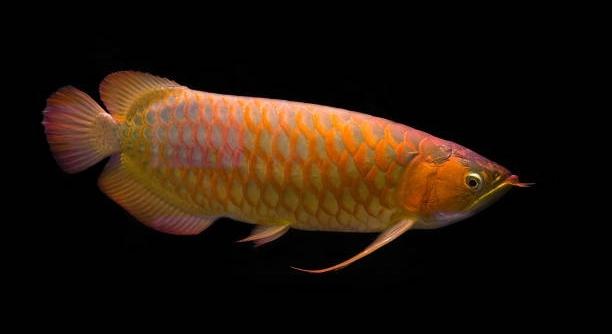
Do you ever notice your Arowana swimming around its tank but ignoring the food you offer? Many owners face this challenge and wonder why these elegant fish sometimes refuse new meals, even when they appear healthy and active.
Arowanas may refuse new food due to sudden changes in diet, stress from their environment, or unfamiliar textures and smells. Their selective feeding behavior is influenced by water conditions, tank setup, and prior feeding habits, which require careful observation and adjustment.
Learning how these factors affect your fish can improve feeding success and overall health, helping you create a more comfortable and balanced environment for your Arowana.
Common Reasons Arowanas Refuse New Food
Many Arowanas hesitate to accept new food because they are sensitive to changes in their environment. Sudden water temperature shifts, strong odors from new food, or stress from tankmates can all make them wary. They may also react to the shape, color, or texture of food. For instance, a pellet that is too large or a live feeder that moves differently from what they are used to can cause rejection. Overfeeding or inconsistent feeding schedules may also make them less interested in new options. Sometimes, Arowanas prefer certain protein types like fish, shrimp, or insects, so introducing an unfamiliar protein can take time. Observing their behavior and gradually introducing new food in small amounts often helps them adapt without adding stress. Maintaining stable water parameters and a calm environment is crucial, as Arowanas are highly sensitive to disturbances in their surroundings, which directly affects feeding habits.
Introducing new food slowly helps them adjust without stress and increases acceptance over time.
Consistency in feeding routines and gradual introduction of food types is essential. Monitoring water quality, offering familiar textures first, and adding small portions repeatedly encourages your Arowana to try new meals. Avoid drastic changes all at once, as this can lead to refusal and even affect their health. Patience is key.
Environmental Factors That Affect Feeding
Water conditions play a big role in feeding behavior.
Arowanas are sensitive to temperature, pH, and ammonia levels. If the water is too cold or slightly polluted, they may lose interest in eating. Tank size, lighting, and hiding spots also affect comfort, which can change appetite. A calm, clean, and well-maintained environment encourages better feeding behavior.
Stress from overcrowding or aggressive tankmates can make your Arowana hesitant to try new food. Observing their swimming patterns, tank positioning, and reactions during feeding can help you identify sources of stress. Gradually improving water quality, ensuring enough space, and keeping a consistent light cycle helps. Some owners find that feeding in a quiet, undisturbed area of the tank increases acceptance of new food. Small adjustments to the tank environment, combined with patience, often result in a noticeable improvement in feeding habits. It’s important to remember that Arowanas are cautious fish, and any sudden change—whether food or surroundings—can lead to refusal. Over time, with attention to environmental stability, your Arowana will likely adapt to new meals and remain healthy, maintaining the elegant and active behavior that makes them so admired.
Gradual Food Introduction
Starting with small portions of new food helps your Arowana accept it more easily. Mixing it with familiar favorites reduces hesitation. Repeating this process daily allows the fish to adjust without stress and encourages a natural feeding response.
Introducing new food slowly requires patience and observation. Begin by offering tiny amounts alongside regular meals, making sure the fish can recognize the familiar texture and smell. Over several days, gradually increase the proportion of the new food while reducing the old one. This method reduces the chance of refusal and ensures the Arowana does not become stressed or confused. Monitoring their reaction closely helps you identify which foods are accepted more quickly, allowing you to plan a balanced feeding routine that supports growth and health. Consistency in timing and portioning reinforces trust in the feeding process.
Some Arowanas may take longer to adjust than others. Observing their eating patterns during this gradual introduction is essential. Patience and consistency often lead to successful adaptation, ensuring they receive a varied and nutritious diet over time.
Texture and Food Preferences
Arowanas respond differently to textures, which can affect their willingness to eat. Softer or more familiar textures are usually preferred over harder, unusual options. Observing these preferences helps in selecting suitable foods.
Offering a variety of textures ensures a balanced diet and reduces rejection. Some fish prefer live or frozen options, while others accept pellets or flakes more readily. Rotating types gradually introduces new experiences without causing stress. Watching how your Arowana reacts to each texture allows you to adjust meals for better acceptance. For example, cutting larger pieces into smaller portions or slightly softening hard pellets can make them easier to consume. Over time, consistent observation and adaptation to texture preferences improve feeding success. Understanding these nuances helps maintain health and encourages a positive, stress-free eating environment, which supports growth and vitality.
Feeding Schedule Consistency
Maintaining a regular feeding schedule helps your Arowana feel secure and anticipate meals. Irregular feeding can cause stress or refusal of new foods. Consistency reinforces their natural hunger patterns and makes introducing new options easier over time.
Skipping or delaying meals can make Arowanas more selective. Feeding at the same time each day creates a predictable routine, which reduces stress and improves acceptance of new food.
Water Quality Impact
Poor water quality can directly affect appetite. High ammonia, nitrite, or nitrate levels stress fish, causing them to avoid unfamiliar food. Stable temperature, proper filtration, and regular water changes are essential. Clean water encourages normal feeding behavior and supports overall health.
Stress from Tankmates
Aggressive or overly active tankmates can make an Arowana hesitant to eat. Stress from constant chasing or competition leads to food refusal. Keeping compatible species and providing enough space reduces stress and encourages consistent feeding.
FAQ
Why does my Arowana suddenly stop eating new food?
Arowanas may suddenly refuse new food due to stress, water changes, or unfamiliar textures and smells. Even minor fluctuations in temperature, pH, or tank conditions can trigger a temporary refusal. Observing behavior and maintaining a calm, stable environment often restores normal feeding habits.
How long does it take for an Arowana to accept new food?
Acceptance depends on the fish’s temperament and the type of food. Some adjust within a few days, while others may take weeks. Introducing new food gradually, in small amounts mixed with familiar items, helps speed up acceptance without causing stress.
Can water temperature affect feeding?
Yes. Arowanas are cold-blooded and sensitive to temperature. Water that is too cold slows metabolism and reduces appetite, while extreme heat can stress them. Keeping the water within a stable, species-appropriate range ensures consistent feeding and overall health.
What is the best way to introduce live or frozen food?
Start with small pieces of live or frozen food mixed with regular pellets. Let the fish observe movement to stimulate interest. Gradually increase portions while reducing the old food. This method helps them adjust without sudden changes in diet.
Does tank size influence feeding behavior?
Tank size matters. Crowded or small tanks increase stress, making Arowanas hesitant to eat. Providing enough space for swimming and separate zones for feeding encourages natural behavior and reduces aggression or competition during meals.
How do I know if my Arowana is stressed?
Signs include hiding, rapid swimming, loss of color, or refusal of food. Stress can come from aggressive tankmates, sudden environmental changes, or poor water quality. Identifying stressors and addressing them promptly restores normal feeding behavior.
Should I change their food type frequently?
Frequent changes can confuse or stress Arowanas. Rotate foods slowly to provide variety without causing refusal. Gradually introducing new proteins, textures, and colors ensures a balanced diet while maintaining appetite.
Can I use supplements to encourage feeding?
Supplements can help if a fish is deficient in certain nutrients, but they won’t solve stress or environmental issues. Focus first on water quality, tank conditions, and gradual food introduction. Supplements should complement, not replace, proper feeding practices.
Is it normal for Arowanas to refuse food occasionally?
Yes, occasional refusal can occur due to minor stress or adjustment periods. Short-term avoidance is not usually concerning if the fish remains active and healthy. Continuous refusal, however, may indicate illness or environmental problems that need attention.
How do I make pellets more appealing?
Soaking pellets in water, lightly seasoning with safe food oils, or mixing with small pieces of familiar food can make pellets more attractive. Gradually reducing additives helps the fish transition to plain pellets while maintaining interest and nutrition.
What role does lighting play in feeding?
Lighting affects Arowana behavior. Bright, harsh lights may stress them, while dim, consistent lighting encourages natural feeding patterns. Adjusting lighting to mimic their natural environment can improve acceptance of new food.
Can Arowanas be picky eaters?
Yes, many Arowanas are selective. They may prefer certain proteins, sizes, or textures. Patience, observation, and gradual introduction of new foods help accommodate their preferences without compromising diet balance.
How often should I monitor their eating habits?
Daily observation is important, especially when introducing new foods. Monitoring helps detect changes in appetite, stress, or health issues early. Adjusting feeding methods promptly improves acceptance and overall well-being.
What should I do if my Arowana refuses food for several days?
Check water quality, temperature, and tank conditions first. Remove potential stressors and try offering small amounts of familiar food. If refusal continues, consult a veterinarian to rule out illness or nutritional deficiencies.
Can feeding in a quiet area improve acceptance of new food?
Yes. Reducing disturbances and providing a calm environment encourages natural feeding behavior. Quiet areas minimize stress from tankmates or movement outside the tank, helping Arowanas feel safe and more willing to try new food.
Does age affect feeding habits?
Young Arowanas are often more adaptable to new foods, while older fish may be set in their preferences. Gradual introduction and observation are crucial for older Arowanas to prevent stress and ensure proper nutrition.
Are there signs that new food is unsafe?
Spoiled, moldy, or contaminated food can cause refusal and health issues. Always check freshness, proper storage, and quality of live, frozen, or prepared foods before offering them to your fish. Unsafe food can lead to illness and loss of appetite.
How can I make feeding time more predictable?
Feed at the same time each day and in the same spot. Consistency reduces stress, helps the Arowana anticipate meals, and increases acceptance of new food over time. Predictable routines support natural feeding instincts and overall health.
What if my Arowana prefers live food over pellets?
Gradually mixing pellets with live food encourages transition. Reduce live portions slowly while maintaining interest. Over time, the Arowana may accept pellets consistently, ensuring a balanced and convenient diet without reliance solely on live feed.
Can stress from handling affect feeding?
Yes, frequent handling or tank maintenance during feeding times can cause stress and refusal. Minimize disturbances during meals and perform necessary maintenance outside feeding times to maintain normal appetite and reduce anxiety.
How important is variety in diet?
Variety prevents nutritional deficiencies and keeps the fish interested in feeding. Introduce new proteins, textures, and colors slowly to maintain balance while avoiding stress or sudden refusal. A varied diet supports long-term health and vitality.
Do Arowanas ever refuse food due to illness?
Refusal can indicate illness. Watch for lethargy, visible injuries, or changes in swimming patterns. Persistent refusal, especially alongside other symptoms, should prompt a check of water quality and consultation with a veterinarian. Early detection improves recovery chances.
Is it helpful to observe wild Arowanas for feeding behavior?
Observing wild behavior can provide insights into preferences for movement, hunting, and feeding times. Mimicking these conditions in the tank—like movement in live food or feeding at natural times—can improve acceptance of new meals.
Can tank decorations influence feeding?
Yes. Hiding spots and plants can reduce stress, giving the Arowana confidence to eat. Open areas for safe swimming combined with places to retreat create an environment that encourages consistent feeding.
How do I handle picky eating during water changes?
Perform water changes carefully and avoid large disruptions during feeding. Gradual introduction of new food after the tank stabilizes helps prevent refusal. Maintaining clean water with minimal disturbance supports regular appetite and adaptation to dietary changes.
What are the signs of successful adaptation to new food?
The fish eagerly approaches food, finishes meals consistently, and remains active. Gradual acceptance of new textures, sizes, and proteins without stress indicates a healthy transition and proper nutrition. Observing these signs ensures long-term feeding success.
How can I balance convenience with nutritional needs?
Mix prepared foods like pellets with live or frozen options gradually. Monitor acceptance and nutritional intake, adjusting proportions as needed. This approach provides variety, ensures essential nutrients, and accommodates the fish’s preferences while simplifying feeding routines.
What role does observation play in feeding management?
Careful observation helps identify stress, preferences, or rejection patterns. Noticing subtle behaviors allows timely adjustments in food type, quantity, or environmental conditions. Regular observation ensures long-term health and smooth adaptation to new feeding practices.
How can I prevent future feeding issues?
Maintain consistent schedules, stable water conditions, gradual introduction of new foods, and stress-free tank environments. Early recognition of changes in behavior and appetite helps prevent prolonged refusal, supporting a healthy, balanced diet over time.
How do I know if my strategies are working?
Improved appetite, consistent feeding, and active swimming indicate successful strategies. Tracking behavior during meals and noting responses to new food types confirms progress. Adjustments can be made gradually based on these observations to maintain long-term success.
Can social behavior affect feeding?
Yes. Arowanas can compete with or feel intimidated by other fish. Monitoring interactions and providing enough space or separate feeding zones reduces stress, encouraging consistent and confident acceptance of new food.
Is gradual portion control important?
Yes. Offering small, manageable portions prevents waste, reduces stress, and allows the fish to sample new foods without feeling threatened. Gradually increasing portions over time ensures comfort and improves long-term acceptance.
How do I keep the feeding environment consistent?
Feed in the same location, at the same time, with minimal disturbances. Consistency fosters a predictable routine, helping Arowanas feel secure and more willing to try new foods, supporting a stable appetite and healthy diet.
What should I avoid when introducing new food?
Avoid sudden changes in diet, overcrowding, rough handling, or feeding in stressful conditions. These factors can lead to refusal, illness, or long-term picky eating. Gradual, calm introductions are key to maintaining appetite and overall health.
How long should I observe behavior after introducing new food?
Daily observation during the first weeks is crucial. Watch for changes in appetite, interest, and stress levels. Early detection of issues allows adjustments before they become serious, ensuring successful adaptation and long-term feeding success.
Can supplements replace a varied diet?
No. Supplements support nutrition but cannot replace diverse proteins and textures. Relying solely on supplements may lead to selective feeding or nutritional imbalance. They should complement, not replace, a proper feeding plan.
What is the best approach if my Arowana rejects all new food?
Reassess water quality, stress factors, and feeding routine first. Introduce new food gradually with familiar options. If refusal persists, seek veterinary advice to rule out health issues. Patience and careful monitoring are essential for success.
Are some Arowanas naturally pickier than others?
Yes. Individual temperament plays a role. Some fish adapt quickly, while others are more cautious. Understanding your Arowana’s personality helps tailor feeding strategies, gradually introducing new foods without causing stress or refusal.
Can seasonal changes affect feeding?
Yes. Temperature and light variations can influence appetite. Maintaining stable indoor conditions helps reduce seasonal refusal and supports consistent feeding habits throughout the year.
How do I track success when trying new foods?
Keep a simple log of types, amounts, and responses. Note time taken to eat and overall activity. Tracking progress highlights preferences, helps adjust strategies, and ensures long-term feeding success.
What is the role of patience in feeding management?
Patience is critical. Sudden changes or rushing introduction of new food often causes refusal. Gradual steps, careful observation, and consistent routines allow Arowanas to adapt naturally without stress, ensuring long-term health and feeding success.
Can stress from outside the tank affect feeding?
Yes. Vibrations, loud noises, or frequent movement around the tank can stress Arowanas. Reducing these disturbances improves confidence, encourages natural feeding behavior, and helps with acceptance of new foods.
How important is proper storage of food?
Proper storage maintains freshness and nutritional value. Spoiled or contaminated food can cause rejection, illness, or nutritional deficiencies. Store live, frozen, and prepared foods according to guidelines to ensure safety and acceptance.
What if my Arowana only eats at certain times?
Feeding during preferred times can improve acceptance of new food. Observe natural activity patterns and schedule meals accordingly. Consistent timing reinforces hunger cues and encourages gradual adaptation to new diets.
How can I encourage a hesitant Arowana to explore new foods?
Place small amounts near familiar favorites, observe reactions, and adjust gradually. Use gentle movement or slight changes in placement to spark curiosity. Avoid forcing the food, as patience encourages voluntary acceptance and reduces stress.
Does tank lighting affect perception of food?
Yes. Proper lighting enhances visibility and reduces stress. Bright or flickering lights can make Arowanas wary. Stable, natural lighting conditions help them detect and accept new food more confidently.
How do I handle multiple picky eaters in one tank?
Offer multiple feeding zones or separate portions to prevent competition. Monitor individual responses and adjust strategies for each fish. Ensuring enough space and calm conditions supports acceptance of new food across all tankmates.
Can stress from breeding influence feeding habits?
Yes. Breeding behaviors, territoriality, or protecting eggs can cause temporary refusal. Separate feeding areas or minimize disturbances during these times to maintain nutrition and reduce stress.
Are there behavioral signs that indicate food preference?
Yes. Arowanas may swim actively toward favored items, inspect food closely, or eat more eagerly. Noticing these signals helps in selecting new foods likely to be accepted, reducing trial-and-error stress.
How do I prevent long-term pickiness?
Introduce variety gradually, maintain stable conditions, and avoid stress during meals. Consistent routines, observation, and gentle encouragement ensure the Arowana remains open to new foods and maintains a balanced diet.
What should I do if new food causes digestive issues?
Stop feeding the new item immediately and monitor the fish for symptoms. Reintroduce slowly in smaller amounts or consult a veterinarian. Ensuring safe, appropriate foods prevents long-term health problems and maintains appetite.
Is live food always necessary for nutrition?
No. A balanced combination of high-quality pellets, frozen, and occasional live food can meet nutritional needs. Gradual integration ensures acceptance without overreliance on live feed.
How do I deal with Arowanas that only nibble and leave food?
Offer smaller portions, cut food into bite-sized pieces, and observe reaction. Gradual introduction and patience encourage full consumption over time while maintaining nutrition and reducing waste.
Can changes in tank decorations disrupt feeding?
Yes. Rearranging hiding spots or adding new items can cause temporary stress. Make changes gradually and allow the fish to acclimate before introducing new food to avoid refusal.
How can I make feeding enjoyable for my Arowana?
Minimize stress, maintain stable water conditions, use varied textures, and offer food gradually. A calm, predictable environment encourages natural feeding instincts and reduces hesitation when trying new foods.
Are there signs of overfeeding during new food introduction?
Yes. Uneaten food, bloating, or lethargy indicate overfeeding. Offer small portions and increase gradually, ensuring the fish consumes meals fully without waste or health issues.
How long should I continue trying new food before consulting a vet?
If refusal persists beyond a week or two despite stable conditions, consult a veterinarian. Continuous observation and environmental checks should precede professional advice to rule out illness or nutritional deficiencies.
What is the role of observation during gradual food introduction?
Observation ensures the fish accepts new food without stress. Tracking responses, appetite, and behavior allows for adjustments, reduces risk of refusal, and supports a healthy, balanced diet over time.
Can feeding habits indicate overall health?
Yes. Consistent appetite, energy, and normal behavior signal good health. Sudden refusal or selective eating may indicate stress, poor water quality, or illness, highlighting the need for careful monitoring and prompt action.
How do I manage picky eating in a multi-species tank?
Provide separate feeding zones, adjust portion sizes, and monitor interactions. Ensuring calm conditions and adequate space reduces competition and stress, encouraging acceptance of new food for all species.
Is patience the most important factor in feeding management?
Yes. Gradual introduction, careful observation, and consistent routines allow Arowanas to adapt naturally. Patience ensures minimal stress, supports healthy eating habits, and promotes long-term acceptance of new foods.
How do I combine different strategies effectively?
Maintain stable water, consistent schedules, gradual introduction, varied textures, and low-stress feeding areas. Observation, patience, and adjustments based on behavior ensure successful adoption of new foods while supporting overall health and appetite.
Can external distractions affect new food acceptance?
Yes. Noise, movement, or vibrations outside the tank can make Arowanas wary. Reducing disturbances during feeding improves willingness to try new foods and maintains a calm environment for consistent appetite.
How do I know when the feeding strategy is successful?
The fish eats consistently, appears active, and accepts new food without stress. Gradual adaptation, combined with stable conditions and observation, confirms the approach is effective and ensures long-term health and nutrition.
What if only part of the tank accepts new food?
Offer separate portions or feeding zones to ensure all fish receive proper nutrition. Monitoring reactions and adjusting strategies individually helps each fish adapt successfully without causing stress or competition.
Can feeding strategies differ for juvenile and adult Arowanas?
Yes. Juveniles are often more adaptable, while adults may need slower introductions and closer observation. Adjust portion size, texture, and schedule to suit age and ensure healthy acceptance of new food.
How do I maintain variety without causing refusal?
Introduce new items gradually alongside familiar favorites. Monitor reactions and adjust proportions slowly. Variety supports nutrition while reducing stress, preventing abrupt refusal, and encouraging long-term acceptance of a balanced diet.
What is the effect of overhandling during feeding?
Excessive handling or tapping on the tank can stress Arowanas, leading to food refusal. Keep disturbances to a minimum and allow the fish to feed naturally for consistent appetite and successful adaptation to new foods.
How important is water stability during feeding?
Extremely important. Sudden fluctuations in temperature, pH, or chemical levels can cause refusal. Maintaining stable water conditions ensures appetite, reduces stress, and supports successful introduction of new foods.
Can Arowanas learn to accept new food from observing others?
Yes. Observing tankmates eating new food can encourage hesitant fish. Introducing new food in a calm, shared environment can help them adapt through imitation while maintaining low stress.
How do I handle temporary feeding refusal?
Reduce stressors, maintain stable water, and offer small amounts of familiar food. Gradual reintroduction of new items ensures adaptation without compromising health or nutrition during short-term refusal.
What are the signs that new food is fully accepted?
The fish eats eagerly, consistently finishes meals, and shows no hesitation. Activity remains normal, and gradual diet variety is maintained without stress. These signs indicate successful long-term acceptance.
Can lighting adjustments improve feeding acceptance?
Yes. Proper, consistent lighting reduces stress and allows better visibility of food. Adjusting lighting to mimic natural conditions encourages confident feeding behavior and adaptation to new items.
How does stress reduction support feeding?
Reducing stress from tankmates, handling, or environmental changes increases appetite and willingness to try new foods. Calm conditions allow natural behavior, making gradual introduction more successful.
Is continuous monitoring necessary after new food is introduced?
Yes. Ongoing observation ensures the fish adapts well, identifies issues early, and confirms acceptance. Monitoring behavior, appetite, and stress levels allows adjustments for long-term success.
How do I prevent refusal when introducing multiple new foods?
Introduce one item at a time with familiar foods, gradually increasing exposure. Avoid overwhelming the fish with too many changes at once. Consistent observation and patience reduce stress and promote successful acceptance.
**Can seasonal lighting and temperature
Final Thoughts
Feeding an Arowana new food can be a challenge, but it is manageable with patience and careful observation. These fish are naturally cautious and sensitive to changes in their environment, so sudden shifts in diet, water conditions, or tank setup can easily cause them to refuse unfamiliar foods. Maintaining a consistent routine helps them feel secure, which improves their willingness to try new items. Offering small portions alongside familiar favorites, gradually increasing the proportion of new food, allows your Arowana to adjust without stress. Over time, this approach reduces refusal and supports healthy feeding habits. Stability in their surroundings, along with a calm environment, is just as important as the type of food being offered.
Understanding your Arowana’s individual preferences also makes a big difference. Some fish favor specific textures or types of protein, while others may be more open to change. Observing their behavior during feeding helps identify what works best. Small details, like cutting larger pieces into manageable sizes, softening hard pellets, or mixing new food with something they already accept, can encourage them to eat more readily. Environmental factors, including tank size, water quality, lighting, and the presence of other fish, all play a role in feeding success. Addressing these factors carefully ensures that your fish stays healthy and confident in their tank. Consistency, patience, and gentle encouragement are key to making new food part of their regular diet.
Even with careful planning, some Arowanas may take longer to adapt than others. This does not necessarily indicate a problem but is part of their natural cautiousness. Monitoring their eating patterns, activity levels, and overall health allows you to make informed adjustments to feeding methods or tank conditions. Avoid rushing the process, as forcing new food or making abrupt changes can lead to stress and further refusal. By paying attention to small behavioral cues and providing a supportive environment, you can gradually expand your Arowana’s diet. Over time, they will become more open to trying new foods, resulting in a well-balanced, varied diet that contributes to long-term health and vitality.

Hello,
If you enjoy the content that we create, please consider saying a "Thank You!" by leaving a tip.
Every little bit helps us continue crafting quality advice that supports the health, happiness, and well-being of pets around the world, for pets of all shapes, sizes, and species.
We really appreciate the kindness and support that you show us!