
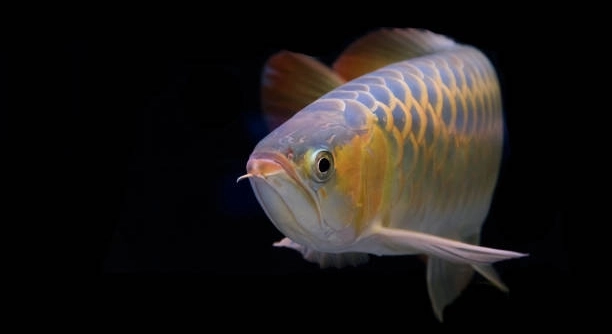
Are your arowana swimming sideways instead of gliding gracefully through the tank? Observing this unusual behavior can be worrying for any fish owner. Understanding the causes is important to keep your fish healthy and active in its environment.
Arowanas swim sideways primarily due to swim bladder disorders, infections, or stress-related issues. Environmental factors, water quality, and improper diet can also impact their balance, causing them to tilt unnaturally. Early detection and intervention are crucial for recovery.
Identifying the root causes of sideways swimming can help you act promptly and prevent further health complications for your arowana. Addressing these issues ensures a balanced and thriving aquatic habitat for your fish.
Poor Water Quality
Poor water quality is one of the most common reasons an arowana may start swimming sideways. Fish are extremely sensitive to changes in their environment, and even slight shifts in pH, ammonia, nitrite, or nitrate levels can stress them out. Dirty tanks filled with leftover food, waste, or decaying plants create harmful conditions that interfere with their natural buoyancy and swimming ability. Chlorine and other chemicals from tap water can also irritate gills and upset their internal balance. Regular testing and maintenance of water parameters are essential. Filter efficiency plays a role as well, and mechanical or biological filters may need cleaning or replacement to maintain stable conditions. Temperature fluctuations can add another layer of stress, impacting digestion and metabolism. By addressing water quality, the arowana can regain strength, swim normally, and display healthier, more energetic behavior. Attention to these details often prevents long-term health problems.
Maintaining clean, stable water can dramatically reduce stress and improve the arowana’s balance and overall activity in the tank.
Ensuring proper filtration, routine water changes, and careful monitoring of pH and ammonia levels makes a significant difference. Adding water conditioners and avoiding overcrowding supports recovery and normal swimming. Observing the fish during and after maintenance helps detect any lingering stress, allowing early interventions before issues worsen. Arowanas thrive in stable, well-oxygenated water, and their ability to swim straight is closely tied to these conditions.
Swim Bladder Disorders
Swim bladder disorders affect arowanas’ buoyancy, causing them to float sideways or struggle to maintain balance.
This condition often stems from overfeeding, constipation, or bacterial infections, which impact the fish’s ability to control its position in the water. Swelling or inflammation of the swim bladder makes upright swimming difficult.
Addressing swim bladder issues starts with adjusting the diet and feeding habits. Providing high-fiber foods, soaking pellets, or offering peas can relieve constipation and ease pressure on the bladder. Infections may require medication prescribed by a vet familiar with fish health. Environmental factors like water temperature and quality also affect recovery, as cold or dirty water slows metabolism and aggravates the condition. Observation is key—monitoring swimming patterns, appetite, and physical changes helps identify whether the problem is diet-related or medical. Early intervention prevents permanent damage and improves the arowana’s overall quality of life, allowing it to regain proper swimming orientation and remain active in its tank.
Overfeeding
Overfeeding can lead to swim bladder issues and cause your arowana to swim sideways. Too much food overwhelms the digestive system, creating pressure that affects buoyancy.
Controlling portion sizes is essential. Feeding small amounts once or twice a day allows the arowana to digest food properly. Uneaten food should be removed promptly to prevent water contamination, which can further stress the fish. Overfeeding also contributes to obesity, weakening muscles needed for balanced swimming. Switching to high-quality, nutrient-rich pellets or frozen foods supports health without causing digestive strain. Observing how quickly the fish eats and adjusting the quantity accordingly helps maintain proper feeding routines and prevents future swimming problems.
Providing fiber-rich foods like peas or vegetables can improve digestion. Monitoring the fish’s weight and swimming patterns after adjusting the diet shows whether the changes are effective. Regularly spacing meals avoids overloading the stomach and ensures the swim bladder functions normally. Consistency in feeding helps the arowana regain balance, prevents constipation, and reduces the risk of long-term health issues related to diet.
Stress and Tank Environment
Stress from sudden changes or inappropriate tank conditions can make your arowana swim sideways. Noise, overcrowding, or rough handling all contribute.
Maintaining a stable environment is crucial. Ensure tank decorations do not create obstacles and provide sufficient swimming space. Proper lighting and hiding spots reduce anxiety. Avoid frequent rearrangements or sudden temperature shifts, as arowanas react negatively to abrupt changes. Introducing new tankmates gradually prevents territorial disputes, which can cause persistent stress. Clean water, consistent feeding, and calm surroundings allow the fish to feel secure, encouraging normal swimming behavior and overall vitality.
Stress reduction also includes monitoring interactions with other fish. Overly aggressive or incompatible tankmates can trigger panic, leading to erratic swimming and sideways tilting. Quiet periods without disturbances help the arowana acclimate and restore confidence. Temperature stability, proper filtration, and reduced handling minimize stress responses. Observing signs like rapid gill movement or hiding provides early warning of environmental stressors. By carefully managing these conditions, the fish can regain balance, swim smoothly, and exhibit healthier behavior, reinforcing its long-term well-being in the tank.
Temperature Fluctuations
Sudden changes in water temperature can make your arowana swim sideways. Cold or overly warm water affects metabolism and balance, making it hard for the fish to move normally. Maintaining a stable temperature is essential for proper buoyancy and overall health.
Using a reliable heater and thermometer ensures consistent water conditions. Avoid placing the tank near drafts, windows, or direct sunlight. Gradual adjustments are better than sudden shifts, allowing the fish to adapt without stress. Stable temperature supports digestion, reduces swim bladder issues, and keeps the arowana active and balanced.
Bacterial Infections
Bacterial infections can affect the swim bladder and other organs, leading to sideways swimming. Infected fish may also show lethargy, loss of appetite, or clamped fins. Prompt treatment is necessary to prevent worsening conditions and ensure recovery.
Physical Injury
Arowanas may swim sideways after physical injuries caused by tank decorations, collisions, or aggressive tankmates. Careful observation helps identify trauma and prevent further harm. Treat injuries promptly and provide a safe environment to support healing and restore normal swimming behavior.
FAQ
Why is my arowana swimming sideways suddenly?
A sudden change in swimming behavior often points to stress, poor water quality, or swim bladder problems. Temperature fluctuations, overfeeding, or injuries can also cause sideways swimming. Observing your fish closely and checking the tank environment helps identify the reason. Prompt action is essential to prevent long-term health issues.
Can diet affect my arowana’s balance?
Yes, overfeeding or giving foods that are difficult to digest can cause swim bladder disorders. High-fat foods and uneaten pellets can contribute to digestive stress. Feeding small, appropriate portions and including fiber-rich foods like peas helps maintain proper digestion and buoyancy.
How do I know if it’s a swim bladder problem?
Swim bladder issues usually make your arowana float sideways, struggle to stay upright, or bob up and down. Constipation, swelling, or bloating often accompany these symptoms. Observing feeding habits, stool, and movement patterns helps determine if the swim bladder is affected.
Can water quality cause this behavior?
Poor water quality is a major factor. High ammonia, nitrites, or extreme pH levels can stress the fish, causing balance problems. Dirty water also encourages bacterial infections, which worsen swimming issues. Regular water testing, filtration maintenance, and consistent cleaning keep the environment safe.
Do injuries lead to sideways swimming?
Yes, physical trauma from collisions, rough handling, or aggressive tankmates can affect movement. Injuries may impair muscles or internal organs, making upright swimming difficult. Inspecting for visible damage and providing a safe tank layout helps recovery. Avoid sudden disturbances to prevent further stress.
Are bacterial infections dangerous for arowanas?
Bacterial infections can significantly affect buoyancy and overall health. Infected arowanas may swim erratically, show loss of appetite, or have discolored fins. Early detection and treatment with appropriate medication are critical. Maintaining clean water and reducing stress lowers the risk of infections.
Can stress alone cause sideways swimming?
Yes, stress from overcrowding, loud noises, or constant changes in the tank can lead to abnormal swimming. Arowanas may tilt or swim erratically under prolonged stress. Providing stable water conditions, adequate space, and calm surroundings encourages normal swimming and reduces anxiety.
How long does it take for an arowana to recover?
Recovery time varies depending on the cause. Minor issues like overfeeding or temporary stress may resolve in a few days, while swim bladder disorders or infections could take weeks. Consistent care, proper diet, and optimal water conditions speed up healing. Monitoring progress is key to full recovery.
Should I separate my arowana if it swims sideways?
Isolation is helpful if the fish is injured, stressed, or infected. Separating it prevents aggression from tankmates and reduces contamination risk. A quarantine tank with clean water, stable temperature, and minimal disturbances supports faster healing and prevents the problem from spreading.
What preventative measures can I take?
Regular water testing, proper feeding routines, maintaining stable temperatures, and observing the fish daily prevent sideways swimming. Avoid sudden changes in tank setup, monitor interactions with other fish, and provide a spacious, safe environment. Consistency in care supports arowana health and proper swimming behavior.
Can temperature changes cause long-term issues?
Frequent or extreme temperature shifts stress the fish, slowing metabolism and impairing digestion. Over time, this can lead to chronic swim bladder problems or vulnerability to infections. Using a reliable heater and keeping the tank away from drafts or direct sunlight prevents these complications.
Is medication always necessary?
Not always. Mild stress, temporary digestive issues, or minor water quality problems may resolve without drugs. However, bacterial infections, severe swim bladder disorders, or injuries often require targeted treatment. Consulting a vet or experienced aquarist ensures safe and effective care.
How do I monitor progress effectively?
Keep a daily log of swimming patterns, appetite, water quality, and any visible symptoms. Small improvements like better balance, normal feeding, or reduced tilting indicate recovery. Adjust care routines based on observations to prevent setbacks and ensure continued health.
Can tank decorations cause problems?
Yes, sharp or obstructive decorations can injure your arowana or limit free swimming, contributing to sideways movement. Ensure objects are smooth, spaced appropriately, and allow the fish enough room to glide naturally. Reducing hazards supports healing and normal behavior.
What should I do if symptoms persist?
Persistent sideways swimming requires careful examination of all possible causes: water quality, diet, stress, injuries, or infections. Consulting a vet specialized in fish health may be necessary. Adjusting tank conditions, improving care routines, and following professional advice increase chances of recovery.
Are certain arowanas more prone to this issue?
All arowanas can experience sideways swimming, but younger fish or those recently introduced to a new tank are more sensitive to environmental changes. Genetics, previous health problems, and diet quality also influence susceptibility. Observing vulnerable individuals closely helps prevent complications.
How important is observation in preventing problems?
Daily observation is critical. Noticing subtle changes in swimming, appetite, or posture allows early intervention. Prompt adjustments to diet, water quality, or tank setup prevent minor issues from becoming serious. Consistent attention ensures the arowana stays healthy and balanced.
Can multiple factors cause sideways swimming at once?
Yes, stress, poor water quality, diet, infections, and injuries can interact, compounding the problem. Addressing one factor may not fully resolve the issue. A holistic approach, considering all environmental and health aspects, is necessary for effective treatment and prevention.
Is it possible for the arowana to fully recover?
Full recovery is possible with proper care, patience, and timely intervention. Correcting water quality, adjusting diet, treating infections, and reducing stress can restore normal swimming. Consistency and attention to detail are essential to ensure long-term health and proper balance in the tank.
Final Thoughts
Watching your arowana swim sideways can be worrying, especially when you are unsure of the cause. This behavior often signals that something in the tank or in the fish’s health needs attention. It is not always a sign of a serious problem, but ignoring it can lead to more severe issues. Many arowanas recover fully if the right steps are taken in time. Paying close attention to water quality, diet, tank conditions, and signs of stress or injury is essential. Regular maintenance and observation allow you to notice subtle changes before they become bigger problems. By understanding the possible reasons behind sideways swimming, you can take the appropriate measures to help your fish regain balance and swim normally again.
Proper tank care is one of the simplest ways to prevent problems. Regular water testing, cleaning, and maintaining stable temperatures support the fish’s overall health. Overfeeding and poor diet can put pressure on the swim bladder, so controlling portion sizes and offering easily digestible foods makes a significant difference. Stress from overcrowding, loud noises, or sudden changes in the tank can also affect swimming behavior. Ensuring a calm environment and safe space allows the arowana to feel secure. Even small adjustments, like moving sharp decorations or spacing tankmates correctly, can prevent injuries and reduce anxiety. Consistency in these care routines often prevents future issues and encourages the fish to swim normally.
If the cause of sideways swimming is more serious, such as a bacterial infection or swim bladder disorder, early treatment is crucial. Medications prescribed by a vet or fish specialist, combined with proper care, can restore health. Observation is key during recovery; monitoring feeding habits, swimming patterns, and physical signs helps you track improvement. Patience is important because some conditions take time to resolve. Arowanas can regain their strength and balance with careful attention and a supportive environment. Overall, understanding the causes and taking proactive measures not only helps correct the current problem but also promotes long-term health, ensuring that your arowana remains active, comfortable, and thriving in its tank.

Hello,
If you enjoy the content that we create, please consider saying a "Thank You!" by leaving a tip.
Every little bit helps us continue crafting quality advice that supports the health, happiness, and well-being of pets around the world, for pets of all shapes, sizes, and species.
We really appreciate the kindness and support that you show us!