
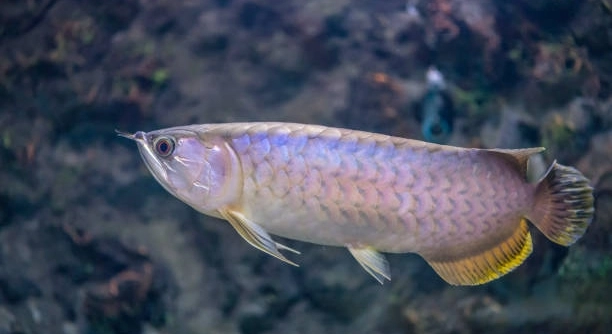
Arowanas are striking freshwater fish that often captivate aquarium enthusiasts with their elegance and size. Their intelligence and responsiveness make them fascinating pets, leading many owners to explore their potential for learning simple behaviors over time.
Arowanas can exhibit basic conditioned responses but cannot be trained to follow complex commands like terrestrial pets. They may learn to associate feeding routines with cues, yet their cognitive capacity limits advanced obedience or trick-based training.
Understanding these limitations helps owners set realistic expectations and develop a stronger bond with their arowana through consistent care and interaction.
Understanding Arowana Behavior
Arowanas are naturally cautious fish that rely on their instincts for survival. They explore their environment slowly and react primarily to movement or changes in light. In aquariums, they can become accustomed to regular feeding times and recognize the presence of their owner. Despite this, their responses are mostly instinctual rather than conscious learning. They may follow your hand or approach the surface when food is offered, but this behavior is motivated by anticipation rather than comprehension of commands. Observing an arowana requires patience, as sudden movements can startle them. Providing a consistent environment with appropriate tank size, water quality, and hiding spaces encourages a sense of security, which increases their responsiveness. Over time, arowanas can display what seems like recognition, appearing more interactive, but their actions are conditioned reactions. Understanding these natural tendencies helps in setting realistic expectations about their behavior and interactions in a home aquarium.
Building trust with an arowana is gradual but rewarding. Consistency matters more than effort.
Focusing on their instincts, feeding patterns, and environment allows owners to encourage approachable behavior. By providing stable conditions and minimizing stress, arowanas may become noticeably more interactive. Hand-feeding, gentle movements, and predictable routines help the fish recognize signals associated with food. However, owners must avoid expecting complex obedience. Observing their natural swimming patterns and reactions to stimuli can enhance understanding of individual behavior. Recognizing these nuances not only improves the bond but ensures healthier interactions. By being patient and attentive, an arowana can appear engaged and responsive, offering satisfaction through subtle forms of connection.
Training Possibilities and Limits
Basic training is achievable in small ways through conditioning and repetition.
Arowanas can be conditioned to respond to specific cues like tapping the tank before feeding. By consistently pairing a signal with food, the fish may begin to associate the two, appearing to follow commands. However, this conditioning is limited by their cognitive abilities and natural instincts. Repetition, patience, and maintaining calm routines are essential. Some owners report success with simple patterns, such as approaching the surface on cue, but more complex behaviors are unrealistic. Overly complicated training attempts can stress the fish and reduce trust. Understanding these limits ensures realistic expectations and maintains the fish’s well-being.
Attempting to train an arowana beyond simple conditioned responses is largely ineffective. Their large size, natural caution, and reliance on instinct make advanced tricks impractical. Training sessions must be brief and stress-free, focusing on gentle repetition. Consistency in signals and feeding reinforces predictable behavior, helping the fish respond without anxiety. Owners may notice subtle patterns, like following hands or swimming along certain areas of the tank, which can feel like learned behavior. Monitoring health, water quality, and tank conditions ensures that responses are genuine and not stress-induced. While they will never perform tricks like dogs or cats, small, achievable conditioning fosters interaction, satisfaction, and a deeper understanding of their nature. Respecting these boundaries creates a healthier and more rewarding environment for both the fish and the owner.
Feeding and Conditioning
Consistency in feeding routines is key to conditioning an arowana. Regular schedules help the fish recognize cues and respond predictably, forming a basic level of conditioned behavior over time.
Providing food at the same times and locations allows the arowana to anticipate feeding. Using gentle signals, like tapping the tank or hand movements, can reinforce this anticipation. Over time, the fish may approach the surface or follow your hand, demonstrating recognition. However, this response is instinct-driven rather than conscious obedience. Varying feeding times or methods can confuse the fish and reduce the effectiveness of conditioning, so maintaining routine is crucial. Patience and observation enhance understanding of individual behavior patterns.
Type of food and feeding technique influence responsiveness. Live or frozen foods often trigger stronger reactions, helping the fish associate cues with rewards. Avoid overfeeding, as it reduces interest in signals. Observing subtle signs, such as increased activity near feeding areas, allows owners to gauge how well conditioning is working. Combining proper nutrition with consistent signals encourages approachable behavior, giving the impression of training while respecting the fish’s natural instincts.
Tank Environment and Interaction
A well-maintained tank supports responsive behavior. Clean water, appropriate temperature, and adequate space reduce stress and encourage interaction.
Tank setup affects an arowana’s willingness to respond. Open swimming areas allow visibility, while hiding spots provide security. Minimal sudden movement around the tank prevents startling. Lighting that mimics natural conditions supports regular activity cycles. Gentle hand presence during feeding strengthens conditioned responses, while loud noises or rapid changes can trigger fear. By optimizing the environment, owners create conditions that allow the arowana to display predictable behaviors, giving a sense of interaction.
Interaction depends on calm, consistent engagement. Avoid forcing proximity, as it can create stress. Observing patterns in swimming and feeding helps identify moments when the fish is most receptive. Using visual or auditory cues consistently allows the arowana to link them with rewards, reinforcing conditioned behavior. Each fish is unique; some may become noticeably responsive, while others remain cautious. Regular care, monitoring water parameters, and gentle engagement cultivate trust and predictable behavior. A stable environment combined with attentive interaction ensures the fish remains healthy and displays its natural responsiveness.
Common Mistakes in Conditioning
Inconsistent feeding schedules confuse the arowana, reducing its responsiveness. Sudden movements or loud noises around the tank can startle the fish, undoing progress.
Overfeeding decreases interest in cues and weakens conditioning. Using overly complex signals or attempting advanced tricks often stresses the fish, limiting interaction and causing avoidance behaviors.
Understanding Stress Signals
Signs of stress include rapid gill movement, hiding frequently, or erratic swimming. Recognizing these cues helps maintain the fish’s well-being. Proper observation ensures the fish is comfortable and reduces the risk of behavior regression caused by anxiety or environmental changes.
Patience and Observation
Patience is essential when working with arowanas. Responses may develop slowly, and consistent observation helps identify patterns and moments of receptiveness.
FAQ
Can arowanas recognize their owner?
Arowanas can become familiar with the presence of their owner, particularly during feeding times. They may swim closer to the front of the tank or follow movements near the surface. This behavior is primarily based on anticipation of food rather than true recognition, but it can create the appearance of familiarity. Regular interaction and calm, predictable routines help strengthen this response without causing stress.
How long does it take for an arowana to respond to cues?
Response time varies depending on the fish’s temperament and consistency of the signals. Some arowanas may show noticeable reactions within a few weeks of repeated feeding cues, while others may take months. Consistency, patience, and gentle repetition are crucial. Overly frequent or inconsistent cues may confuse the fish and slow progress. Observing the fish’s natural behavior helps determine when it is most receptive to signals.
What types of cues work best for conditioning?
Simple visual or tactile signals work best. Light tapping on the tank, hand movements above the water, or predictable food delivery patterns are effective. Avoid complex gestures or verbal commands, as arowanas have limited cognitive ability. The goal is to create a consistent association between the cue and a reward, usually food, to encourage predictable behavior. Subtle cues are less stressful and easier for the fish to interpret.
Can arowanas perform tricks like dogs or cats?
No, arowanas cannot perform complex tricks. Their learning capacity is limited to conditioned responses. Attempts to train them for tricks can cause stress and reduce trust. Conditioning should focus on achievable behaviors, such as approaching the surface for food or responding to simple hand signals, without expecting advanced obedience. Small, realistic goals help maintain the fish’s well-being and enhance interaction.
Is overfeeding a problem during conditioning?
Yes, overfeeding can reduce the fish’s responsiveness to cues. If food is always available, the fish has little incentive to react to signals. It can also cause health problems, including digestive issues and water quality deterioration. Controlled portions, given at consistent times, encourage interest in cues and promote a healthier environment. Monitoring food intake ensures conditioning remains effective and safe.
How can I tell if my arowana is stressed?
Signs of stress include hiding, erratic swimming, loss of appetite, or rapid gill movement. Stress can result from sudden environmental changes, excessive handling, loud noises, or inconsistent feeding. Observing these behaviors allows owners to adjust routines or tank conditions to reduce stress. A calm, stable environment encourages predictable responses and overall well-being.
Can arowanas learn from visual observation alone?
Arowanas rely heavily on instinct and conditioned responses rather than observational learning. While they may notice movement or environmental changes, their ability to imitate behavior is limited. Repetition paired with food rewards is more effective than expecting them to learn by watching. Observing the fish helps refine cues for better conditioned responses.
What is the ideal environment for conditioning?
A spacious, clean tank with stable water parameters supports responsive behavior. Minimal sudden movements, proper lighting, and safe hiding spaces reduce stress and encourage interaction. Open areas allow the fish to see cues clearly, while predictable routines reinforce conditioned responses. Environmental stability ensures the fish remains comfortable and more likely to react to signals.
Can multiple arowanas be conditioned in the same tank?
Yes, but competition can interfere with individual responses. Dominant fish may monopolize food or cues, reducing the effectiveness of conditioning for others. Observing individual behavior and adjusting feeding strategies ensures each fish receives attention and learns at its own pace. Separate feeding areas or controlled portions help maintain consistent responses.
Is it possible to condition an arowana to come to the surface without food?
Conditioning without food is challenging, as their responses are primarily driven by rewards. Food is the most reliable motivator. However, after repeated pairing of cues and feeding, some fish may respond to visual or hand signals alone. Patience and consistent reinforcement are essential to maintain predictable behavior.
How often should conditioning sessions occur?
Short, consistent sessions work best. One or two brief sessions per day, tied to feeding, prevent stress and reinforce learning. Overly long or frequent attempts can overwhelm the fish and reduce responsiveness. Observing the fish’s natural activity cycles helps determine the best times for interaction.
Are there risks in conditioning arowanas too much?
Excessive conditioning can lead to stress, reduced appetite, or aggressive behavior. Overstimulating the fish may also impact health if water quality or feeding is neglected. Conditioning should always be gentle, short, and tied to natural behaviors, ensuring the fish remains healthy and responsive without undue pressure.
Can arowanas distinguish between different people?
Arowanas may react differently to familiar and unfamiliar individuals based on past interactions and feeding routines. However, this is limited to conditioned responses rather than true recognition. Repeated exposure and calm routines may make the fish more approachable with certain people, but responses are primarily motivated by food or environmental cues.
Do environmental changes affect conditioning?
Yes, sudden changes in tank setup, lighting, or water parameters can disrupt conditioned responses. Stress from environmental changes may cause the fish to hide or avoid cues temporarily. Maintaining stability and gradually introducing any modifications ensures the fish continues to respond predictably and remains comfortable.
How can I measure progress in conditioning?
Progress is measured by consistent, predictable responses to cues. Noting the fish’s proximity, speed of approach, or attention to signals over time indicates improvement. Subtle changes, like swimming near the surface or following hand movements, show the effectiveness of conditioning. Keeping track helps refine routines for better interaction.
Is conditioning stressful for arowanas?
When done correctly, conditioning is low-stress. Using gentle, consistent cues, brief sessions, and rewarding behaviors with food supports natural instincts. Stress occurs mainly from inconsistent routines, overhandling, or unrealistic expectations. Observing the fish’s responses ensures sessions remain safe and rewarding.
Can conditioning improve the bond with an arowana?
Yes, even though they cannot form bonds like mammals, predictable interaction through feeding cues and gentle engagement strengthens familiarity. The fish becomes more comfortable approaching and reacting to signals, making care and observation more rewarding for the owner.
Are some arowanas easier to condition than others?
Individual temperament and past experiences influence responsiveness. Some fish are naturally more curious and responsive, while others remain cautious. Recognizing these differences helps set realistic expectations and tailor conditioning methods to each fish’s personality.
Can arowanas learn to respond to sound?
Arowanas are more responsive to visual and tactile cues than sound. Loud or sudden noises can stress them. Gentle, consistent signals paired with rewards are more effective in encouraging predictable behavior. Sound alone is generally not reliable for conditioning.
Does age affect conditioning ability?
Younger fish may adapt more quickly to cues, while older arowanas can still respond but may require longer repetition. Age-related activity levels and temperament affect responsiveness, so patience and consistent routines are essential regardless of age.
How long do conditioned behaviors last?
Behaviors can persist if reinforced regularly but may diminish without consistent repetition. Long gaps or changes in routine may reduce responsiveness. Maintaining brief, predictable interactions helps preserve learned behaviors over time.
Can conditioning help with feeding aggression?
Yes, predictable feeding cues and controlled portions can reduce competition or aggressive behavior. Conditioning encourages orderly responses, helping multiple fish feed calmly and minimizing stress during meals. Proper observation ensures each fish receives adequate attention.
Are there tools to aid conditioning?
Simple tools like feeding tongs, consistent tank markers, or visual signals can help reinforce cues. Avoid overly complex devices, as they may stress the fish. Using minimal, clear tools supports learning while maintaining a calm environment.
How do I know if conditioning is working?
Signs include approaching cues predictably, increased surface activity, and faster responses to signals. Small, consistent behaviors indicate the fish is associating cues with rewards. Recording observations helps refine techniques and maintain progress.
Is it necessary to condition an arowana?
No, conditioning is optional. It enhances interaction and predictability but is not required for health or survival. Gentle engagement can make care more enjoyable and encourage the fish to display natural behaviors safely.
Can conditioning reduce fearfulness?
Yes, gentle, consistent routines help fish feel secure and less reactive to human presence. Reducing stress through predictability improves comfort and encourages responsive behavior over time.
Should I use multiple cues at once?
Stick to one clear cue at a time. Multiple signals can confuse the fish and weaken conditioned responses. Consistency with a single, simple cue is more effective for reliable behavior.
Can conditioning replace proper tank care?
No, conditioning supplements interaction but does not replace essential tank maintenance. Clean water, proper diet, and a stable environment are critical for health and responsiveness. Conditioning is only effective when basic needs are met.
Are arowanas capable of long-term memory for cues?
Yes, arowanas can remember associations between cues and food for extended periods, especially with consistent reinforcement. Irregular routines may weaken memory, so regular practice is important to maintain responses.
Does water quality impact responsiveness?
Poor water quality stresses the fish, reducing interest in cues and conditioning. Stable, clean water promotes health and natural responsiveness. Regular testing and maintenance ensure the fish remains comfortable and capable of reacting predictably.
Can conditioning help with tank acclimation?
Conditioning can ease acclimation by creating predictable routines. Associating feeding with specific signals helps the fish feel secure in a new environment and reduces initial stress or hiding behavior.
Are visual cues more effective than touch?
Yes, visual cues like hand movements or tapping are generally more reliable than touch. Direct contact can stress the fish, while consistent visual signals promote conditioned responses safely.
Is it possible to train multiple behaviors at once?
It is best to focus on one behavior at a time. Multiple simultaneous cues can confuse the fish and hinder learning. Gradual, sequential conditioning ensures each response is clear and stress-free.
Can arowanas anticipate feeding times?
Yes, consistent schedules allow the fish to anticipate feeding. They may become more active or approach the surface around regular feeding times, demonstrating conditioned behavior linked to routine.
Does temperament affect conditioning success?
Individual temperament plays a significant role. Curious and bold fish respond more readily, while shy or cautious fish require longer, gentler repetition. Recognizing temperament allows conditioning methods to be tailored effectively.
How do I avoid over-conditioning?
Keep sessions short, use gentle cues, and focus on realistic behaviors. Avoid pushing the fish to perform beyond instinctual responses. Monitor stress signals and adjust routines to maintain comfort.
Can conditioning help with aggression towards tankmates?
Yes, predictable feeding routines and controlled interactions can reduce aggressive encounters. Conditioning creates order during feeding and reinforces calm responses, improving compatibility with other fish.
Is reinforcement always food-based?
Primarily, yes. Arowanas respond best to food rewards. Non-food reinforcement is less effective, though gentle hand presence or predictable visual cues may help maintain engagement.
Can stress erase conditioned behavior?
Significant stress can temporarily suppress responses. Consistent routines, proper tank care, and gentle engagement help restore and maintain conditioned behaviors after stress events.
Are some cues more effective for different fish species?
Yes, arowanas respond best to visual and feeding-related cues. Other species may learn through sound, touch, or social observation. Tailoring cues to species’ instincts ensures effective conditioning.
Does tank size influence conditioning?
Yes, sufficient space allows the fish to see cues and swim freely. Crowded or poorly arranged tanks can hinder response and increase stress, reducing conditioning effectiveness.
Can conditioning improve overall health?
Indirectly, yes. Predictable feeding and reduced stress promote better appetite, stable behavior, and less aggressive tendencies. Healthy fish are more responsive and easier to manage.
Is there a limit to how many cues an arowana can learn?
Yes, their cognitive capacity is limited. One or two simple, consistent cues are realistic. Attempting too many cues can cause confusion and stress.
Can conditioning be combined with enrichment activities?
Yes, enrichment like floating objects or structured feeding can enhance engagement. Pairing simple cues with these activities encourages interaction while maintaining natural instincts.
Do arowanas remember cues if moved to a new tank?
Memory persists, but initial stress from relocation may temporarily reduce responsiveness. Maintaining consistent cues and routines helps restore conditioned behavior quickly.
Are certain times of day better for conditioning?
Morning or feeding times are ideal, as the fish is naturally more active and responsive. Observing individual activity patterns allows optimal timing for brief sessions.
Can conditioning reduce fear of human presence?
Yes, gentle, predictable signals paired with rewards help fish become less startled, creating calmer, more interactive behavior over time.
Is conditioning stressful for older arowanas?
Older fish may take longer to respond, but brief, consistent sessions are generally low-stress. Avoid forcing interaction, and monitor responses to ensure comfort.
Can multiple arowanas learn the same cue together?
Yes, but individual differences may affect responsiveness. Dominant fish may monopolize attention or food, so careful observation ensures all fish have the opportunity to respond.
Are there specific feeding tools that improve conditioning?
Simple tools like tongs or predictable feeding stations enhance cues. Avoid complex devices that could stress the fish. Consistency is more important than elaborate setups.
Can conditioning help with tank acclimation after transport?
Yes, consistent feeding cues and routines help the fish adapt to a new environment, reducing stress and encouraging predictable behavior.
Is reinforcement necessary every time?
Initially, reinforcement is essential to establish associations. Over time, occasional reinforcement may maintain responses, but inconsistent rewards can reduce effectiveness.
Can conditioning improve observation skills for owners?
Yes, tracking subtle behavioral changes helps owners understand individual responses, stress signals, and feeding patterns, improving overall care and interaction.
Does water temperature affect learning ability?
Extreme or fluctuating temperatures can reduce activity and responsiveness. Maintaining stable, appropriate temperatures ensures the fish remains alert and capable of conditioned responses.
Can conditioning reduce aggression during feeding?
Yes, predictable cues and controlled portions minimize competition, encourage orderly behavior, and reduce aggressive encounters among tankmates.
Is conditioning easier with smaller or younger fish?
Younger or smaller fish may adapt more quickly, but older arowanas can still respond. Patience and consistent cues are essential at any age.
Can conditioned behaviors transfer to other tanks?
Behaviors may persist, but environmental changes can temporarily reduce responses. Consistent cues in the new tank help restore conditioned behavior efficiently.
Are visual cues always better than touch?
Yes, visual cues are safer and more reliable. Touch can stress the fish and is generally ineffective for conditioning.
Can arowanas be conditioned without food rewards?
Food is the most reliable motivator. Non-food cues alone rarely produce consistent responses. Pairing visual signals with food is most effective.
How long does it take for conditioning to show results?
Results vary, typically several weeks with consistent routines. Individual temperament, feeding schedules, and patience all influence progress.
Can conditioning reduce hiding behavior?
Yes, gentle, predictable cues help fish feel secure, encouraging exploration and surface activity rather than constant hiding.
Are some arowanas more receptive than others?
Yes, temperament and prior experience affect responsiveness. Observing individual behavior allows tailored conditioning strategies.
Can conditioning improve the bond between owner and fish?
Yes, predictable interactions through cues and feeding create familiarity, making the fish more approachable and responsive without causing stress.
Does feeding method affect conditioning?
Yes, live or frozen foods often produce stronger responses, while pellets may be less motivating. Using preferred food increases engagement.
Is it necessary to condition all arowanas?
No, it is optional. Conditioning enhances interaction but is not required for health or survival. Some owners may choose to observe natural behavior only.
Can conditioning help detect health issues?
Yes, changes in response or appetite can signal illness or stress, allowing owners to address problems early and maintain overall well-being.
Can stress erase long-term memory of cues?
Significant stress may temporarily suppress responses, but consistent routines and proper care restore conditioned behavior over time.
Are arowanas capable of learning multiple cues?
Limited capacity allows one or two cues effectively. Attempting more may confuse the fish and increase stress.
Can conditioning improve daily care routines?
Yes, predictable responses streamline feeding and observation, making daily care easier and safer for both fish and owner.
Does conditioning require special equipment?
No, simple tools like feeding tongs or visual markers are sufficient. Consistency, patience, and proper tank care are more important than specialized devices.
Can conditioning help reduce aggression in community tanks?
Yes, predictable cues and controlled feeding encourage calm behavior, reducing conflict and promoting harmonious tank interactions.
Are conditioned behaviors permanent?
They can persist with regular reinforcement but may diminish if routines are disrupted or environmental stress occurs.
Can conditioning improve aquarium observation skills?
Yes, tracking responses enhances understanding of fish behavior, stress signals, and activity patterns, aiding in better care and interaction.
Is conditioning stressful for timid fish?
Short, gentle, consistent sessions reduce stress. Avoid forcing interaction and respect individual temperament for safe conditioning.
Does conditioning require special knowledge?
Basic understanding of fish behavior, patience, and consistency are sufficient. Complex techniques are unnecessary and may stress the fish.
Can conditioning help monitor feeding habits?
Yes, observing responses to cues provides insight into appetite, preference, and overall health, allowing adjustments to diet and care.
Are visual cues effective for all arowanas?
Most arowanas respond well to visual signals. Simple, predictable cues paired with food are the most reliable method for conditioning.
Can conditioning improve interaction without food?
Food is the primary motivator. Once behavior is established, visual cues may elicit responses, but initial training requires reinforcement.
Does conditioning require long sessions?
Short, consistent sessions are more effective. Long or frequent attempts can stress the fish and reduce responsiveness.
Can conditioning reduce fear of human presence?
Yes, gentle, predictable interaction helps fish become less startled, promoting calmer, more approachable behavior over time.
Are younger fish easier to condition?
Younger fish may respond more quickly, but older arowanas can still develop predictable responses with patience and consistency.
Can conditioned behavior transfer between environments?
Yes, but stress from relocation may temporarily reduce responses. Maintaining consistent cues helps restore behavior in a new tank.
Is reinforcement necessary every time?
Initially yes, for learning. Later, occasional reinforcement maintains behavior, but inconsistent cues can weaken responses.
Can conditioning help reduce hiding in new tanks?
Yes, predictable cues help fish feel secure, encouraging exploration and interaction rather than constant hiding.
Are arowanas capable of complex learning?
No, their learning is limited to simple conditioned responses tied to food and routine cues.
Can conditioning improve observation and care routines?
Yes, it makes behavior predictable, helps detect stress or health issues, and stream
Arowanas are fascinating fish that show remarkable intelligence for their species, but their learning capacity is limited. While they cannot follow commands like dogs or cats, they are capable of developing conditioned responses, primarily linked to food and routine cues. Consistent feeding schedules, gentle signals, and predictable interactions encourage these responses, giving the impression of recognition or interaction. Observing the fish’s natural behavior, such as swimming patterns, surface activity, and reactions to movements, is essential for understanding how they perceive their environment. Each fish is unique, and temperament plays a significant role in how responsive it becomes. Some arowanas may react quickly to cues, while others remain cautious, requiring more patience and repetition. By accepting these natural limitations, owners can set realistic expectations and focus on achievable forms of engagement. This approach ensures the fish remains stress-free and comfortable, while owners enjoy a more interactive and rewarding experience with their arowana.
Conditioning an arowana requires careful attention to both environment and routine. A spacious tank with stable water quality, proper lighting, and minimal stressors creates the foundation for consistent behavior. Predictable feeding cues, such as hand signals or tapping the tank, paired with appropriate food, help reinforce conditioned responses. Overfeeding or inconsistent routines can diminish responsiveness and may even cause health problems. It is also important to avoid attempting complex tricks or overtraining, as this can lead to stress, hiding, or erratic swimming. Gradual, brief sessions with gentle signals are most effective for fostering approachability and interaction. While it may take weeks or months to observe consistent responses, these small, achievable behaviors contribute to a stronger connection between the owner and the fish. Consistency, patience, and careful observation are key to understanding the individual needs of each arowana and maintaining a stable, safe environment for them.
Finally, conditioning an arowana is less about training in the traditional sense and more about encouraging predictable responses through gentle, repeated cues. It is an optional activity that enhances interaction but does not replace proper care, nutrition, or environmental stability. Owners who practice conditioning often gain a deeper understanding of their fish’s behavior, noticing subtle patterns, stress signals, and preferences that might otherwise go unnoticed. Even without complex tricks, these interactions create a sense of engagement and familiarity that can make daily care more enjoyable. Respecting the fish’s natural instincts, avoiding stress, and focusing on achievable behaviors ensures the well-being of the arowana while allowing owners to experience the satisfaction of a responsive, interactive pet. Conditioning should always be approached with patience and consistency, keeping the fish’s comfort as the top priority while fostering an environment where its natural intelligence and curiosity can be safely expressed.

Hello,
If you enjoy the content that we create, please consider saying a "Thank You!" by leaving a tip.
Every little bit helps us continue crafting quality advice that supports the health, happiness, and well-being of pets around the world, for pets of all shapes, sizes, and species.
We really appreciate the kindness and support that you show us!