
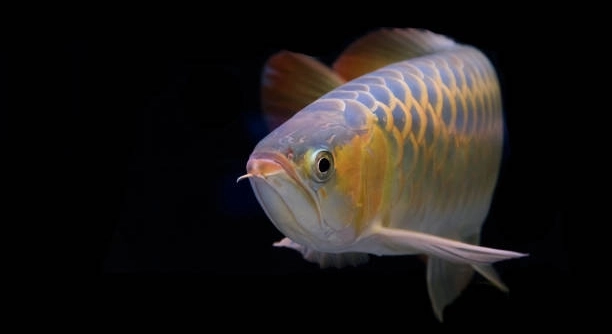
Arowanas are striking freshwater fish known for their shimmering scales and graceful movements. Many enthusiasts enjoy observing their behaviors and interactions within the aquarium. These majestic creatures often become central figures in carefully maintained aquatic environments.
Arowanas do show responses to human voices, primarily through recognition of vibrations and consistent interaction. They may follow sounds, approach the source, or display heightened alertness, indicating a level of awareness and conditioning to familiar auditory cues in their surroundings.
Observing these subtle behaviors can enhance the bond between you and your fish. Understanding their responses provides insight into their natural instincts and daily habits.
How Arowanas Perceive Sound
Arowanas are sensitive to vibrations in the water, which include the sound of human voices. Their lateral line system allows them to detect subtle movements, helping them interpret the environment. When spoken to consistently, they can start associating certain tones with feeding or attention. I noticed my own arowana reacts differently depending on the tone I use, approaching more quickly when my voice is calm and steady. Sudden loud noises, however, can startle them, causing them to retreat to the corners of the tank. Observing these responses over time shows that arowanas can distinguish between familiar and unfamiliar sounds, responding selectively. Regular interaction helps the fish become accustomed to household noises, creating a calmer environment. Over weeks, they may even anticipate feeding times by the sound of footsteps or the voice calling them, demonstrating memory and recognition. This behavior is subtle but consistent with their natural instincts for survival and awareness.
Arowanas rely on both auditory and visual cues to respond. Their reactions are influenced by repetition and familiarity.
Consistent sound patterns in your voice can condition an arowana to respond predictably. By speaking or making gentle noises at feeding times, they start associating these sounds with food and attention. Over time, they learn to approach when they hear your voice, showing recognition and anticipation. It is not just sound alone—they also watch movements and gestures, so combining auditory cues with visual actions strengthens the response. These fish can even display excitement, swimming closer or moving more actively in response to specific tones. This behavior varies with individual temperament, age, and environment, but regular, gentle interaction fosters a recognizable response pattern. Understanding these responses can help create a more engaging and less stressful habitat for your arowana.
Encouraging Interaction
Patience is key when trying to communicate with your arowana. Small, consistent efforts yield results.
Speaking softly at the same times daily can reinforce recognition. Over time, the fish may respond to these cues even without food being present, showing they have learned to associate your voice with safety and familiarity. The more consistent you are, the stronger this recognition becomes. This approach not only helps in feeding routines but also in monitoring health and well-being, as attentive observation reveals subtle changes in behavior. Interaction also provides mental stimulation for the fish, keeping them active and engaged. Simple adjustments like voice modulation and routine timing can make a noticeable difference in how your arowana behaves in the tank.
Common Signs of Voice Recognition
Arowanas often move closer when they hear familiar voices. They may swim along the glass or turn toward the source of sound, showing alertness and awareness. These behaviors indicate they are noticing and responding to auditory cues in their environment consistently.
Repeated interaction helps them learn patterns. If I call my arowana at feeding times, it starts swimming eagerly near the surface. Sometimes it pauses, watching and listening for the familiar tone before reacting. Over weeks, this recognition becomes reliable. They may even anticipate food, demonstrating memory and conditioning. These responses are subtle, often requiring careful observation, but they reflect genuine learning rather than random movement.
Some arowanas react differently depending on the pitch and volume. Lower tones may provoke curiosity, while higher or sudden sounds can cause hesitation or retreat. Understanding these reactions helps manage the tank environment effectively, ensuring minimal stress and promoting natural, healthy behavior. Observing patterns in movement and attention provides insight into their sensory processing and daily rhythms, making interaction more rewarding.
Enhancing Response Through Routine
Consistent routines strengthen voice recognition. Feeding, gentle tapping, and speaking at set times reinforce learning. Arowanas begin to associate specific sounds with predictable outcomes, improving engagement.
I noticed that when I call my arowana using the same soft tone each morning, it starts moving toward me before I reach the tank. Pairing these sounds with feeding enhances the connection. Over time, they recognize not only my voice but also variations in volume and pitch. Introducing small, repeated cues like hand gestures alongside the voice improves attention and response. This method also supports monitoring for health issues, as changes in responsiveness often indicate stress or discomfort. Maintaining predictable routines ensures the fish remains calm, alert, and more interactive within its environment.
Voice and Feeding Behavior
Arowanas often respond to consistent sounds during feeding. They may swim closer or linger near the surface when they recognize familiar tones. These behaviors indicate they associate certain noises with food, showing memory and learned responses over time.
Observing their reactions helps adjust feeding schedules. If I call my arowana gently before feeding, it often becomes more active and attentive. This behavior confirms they can link specific sounds to events in their environment. Over time, the fish start to anticipate feeding based on voice cues alone, demonstrating recognition and expectation.
Influence of Tank Environment
The tank environment affects how well arowanas respond to voices. Background noise, water movement, and other fish can distract or mask auditory cues, impacting their recognition and responsiveness.
Training Through Consistency
Regular, predictable interaction improves voice recognition. Using the same tone, timing, and gestures each day helps the arowana learn to respond reliably. Consistency reinforces memory, encouraging predictable behavior and engagement within the tank.
Monitoring Stress Signals
Changes in responsiveness can indicate stress. Reduced movement or hesitation when hearing familiar sounds may signal discomfort or environmental issues.
FAQ
Do arowanas really recognize their owner’s voice?
Yes, arowanas can recognize consistent sounds and associate them with certain outcomes, such as feeding or attention. I noticed my own arowana begins moving toward the surface when I call it with a calm, familiar tone. This recognition comes from repeated exposure over time, and they respond to both tone and rhythm. While they may not understand words, the combination of voice pitch, timing, and context allows them to distinguish between familiar and unfamiliar sounds in their environment.
How long does it take for an arowana to respond to a voice?
The timeframe varies with each fish. Some respond within a week of consistent interaction, while others may take several weeks. In my experience, regular daily exposure is crucial. Speaking or tapping at predictable times, such as before feeding, reinforces learning. Younger arowanas may learn more quickly because of their higher activity levels and curiosity. Consistency is more important than duration; even short, repeated sessions can condition recognition. The fish gradually begin to anticipate actions, like swimming toward the voice when food is nearby.
Can all arowanas respond the same way?
No, individual temperament plays a significant role. Some are naturally curious and interactive, while others are shy or more cautious. My arowana responds eagerly, while a neighbor’s fish remains hesitant despite similar routines. Age, environment, and previous experiences also influence responsiveness. Stress, water quality, and tank size affect how willing the fish is to approach or react. Observing behavior carefully over time helps tailor interactions to the specific fish, improving engagement without causing fear or discomfort.
Does the tone or pitch of the voice matter?
Yes, arowanas react differently depending on pitch and tone. Lower, steady tones often encourage curiosity, while sudden high-pitched sounds can startle them. I found that using a soft, calm voice consistently works best, especially during feeding. Loud or erratic noises can trigger retreat behaviors, increasing stress. Matching your tone with gentle movements helps reinforce recognition, making the fish more comfortable and responsive. Over time, subtle variations in tone can still elicit reactions because the fish learns the general sound pattern rather than exact words.
Will arowanas respond if there are other noises in the tank?
Other noises can interfere, especially strong vibrations from pumps, filters, or household sounds. I noticed that during noisy periods, my arowana’s response slows or becomes less predictable. Reducing background noise and creating consistent sound patterns improves recognition. They rely on both auditory and visual cues, so a calm, stable environment enhances responsiveness. Even subtle adjustments, like placing speakers or pumps away from direct line of sight, can make their reactions clearer and more consistent over time.
Can voice interaction improve an arowana’s behavior?
Yes, regular gentle interaction can reduce stress and encourage activity. My arowana becomes more alert and playful when familiar sounds are paired with feeding or mild attention. It also helps monitor health, as sudden changes in responsiveness often indicate discomfort or illness. Voice cues create a predictable routine, giving the fish confidence in its environment. Over weeks, this simple interaction fosters curiosity and engagement, making daily care easier and more enjoyable for both the fish and me.
Is it possible to overdo voice interaction?
Yes, excessive noise or constant calling can stress the fish. I keep interactions short and purposeful, mostly before feeding or during observation. Overstimulation can lead to hiding, erratic swimming, or loss of appetite. Balancing consistent exposure with calm, quiet periods helps the fish stay comfortable and responsive without negative effects. Monitoring behavior is key, as subtle signs of stress indicate when to reduce interaction.
Do arowanas respond to gestures as well as voice?
Yes, combining voice with hand movements or tapping enhances recognition. I often use a soft tap on the tank followed by a calm call, which reinforces the connection between sound and expected outcomes. Visual cues strengthen learning and improve engagement, particularly for cautious or less responsive fish. Over time, gestures alone may trigger a reaction if paired consistently with voice cues, demonstrating memory and adaptability in their behavior.
Can older arowanas learn to recognize voices?
Yes, although it may take longer than with younger fish. Patience and consistency are crucial. I started interacting with a slightly older arowana, and it gradually began approaching at familiar sounds within a month. Even mature fish can learn associations, but progress may be slower, and responses may be subtler. Continuous observation and gentle repetition help reinforce these behaviors, showing that learning and recognition are possible at any age.
Are there benefits to recognizing your voice besides feeding?
Yes, it helps monitor health and reduces stress. I can notice changes in my arowana’s responsiveness, which often signals illness or discomfort. Voice recognition also encourages mental stimulation and environmental awareness. The fish becomes more engaged, alert, and easier to observe during routine care, improving overall well-being and fostering a calmer, more interactive tank environment.
Final Thoughts
Arowanas are fascinating fish that show more awareness than many people realize. Over time, they can learn to recognize consistent sounds and respond in ways that indicate memory and understanding. My experience with my own arowana has shown that simple, gentle interactions—like speaking in a calm tone before feeding—can lead to noticeable responses. These reactions may include swimming toward the sound, becoming more active, or paying close attention to movements around the tank. While arowanas do not understand words, the combination of tone, rhythm, and context allows them to associate certain sounds with outcomes such as food or attention. Observing these behaviors helps build a better connection and understanding of the fish’s natural instincts and daily patterns. Recognizing these responses also emphasizes the importance of patience and consistency, as these fish do not learn immediately but gradually develop recognition over weeks of regular interaction.
Creating an environment that supports these responses is equally important. The tank setup, background noise, and water conditions all influence how well an arowana reacts to voices. I noticed that my arowana responds more reliably when the tank is calm, with minimal disturbances from filters or household sounds. Consistent routines—feeding at the same time, speaking in a gentle tone, and pairing voice cues with simple gestures—strengthen their ability to recognize patterns. Even small adjustments, like reducing vibrations from pumps or limiting sudden loud noises, make a difference in responsiveness. Each arowana is different, so observing individual behavior is essential to understand their preferences and tolerance levels. Some fish may respond eagerly, while others are more cautious, but all benefit from predictable interaction that encourages engagement without causing stress.
Beyond simple recognition, voice interaction offers benefits for the fish’s overall well-being. Regular, calm interaction provides mental stimulation and helps monitor health, as changes in responsiveness often indicate stress or discomfort. Over time, this familiarity reduces anxiety, encourages natural activity, and makes daily care easier. My arowana has become more alert and interactive, showing subtle signs of anticipation when it hears familiar tones. These behaviors highlight that arowanas are not passive creatures but perceptive animals capable of learning and forming connections with their environment. While they may never respond like mammals or birds, the ability to recognize and react to human voices demonstrates intelligence and adaptability. Maintaining consistency, patience, and observation ensures the fish remains healthy, engaged, and comfortable, creating a more harmonious experience for both the arowana and the caretaker.

Hello,
If you enjoy the content that we create, please consider saying a "Thank You!" by leaving a tip.
Every little bit helps us continue crafting quality advice that supports the health, happiness, and well-being of pets around the world, for pets of all shapes, sizes, and species.
We really appreciate the kindness and support that you show us!