
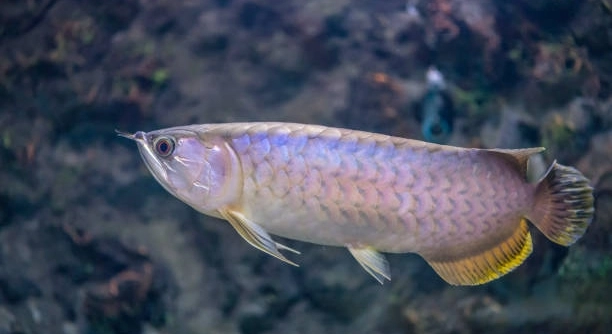
Is your arowana spending most of its time alone, swimming quietly in a corner of the tank? Many owners notice their fish avoiding interaction, which can affect its behavior and overall wellbeing in subtle ways.
Socializing an isolated arowana requires patience, consistency, and gentle interaction. Approaches such as gradual hand-feeding, consistent presence near the tank, and introducing visual or environmental stimuli can foster trust and encourage engagement without causing stress or harm.
Understanding these methods can improve your arowana’s daily life and help create a more interactive, healthy environment for your aquatic companion.
Start with Gentle Observation
Observing your arowana closely is the first step in helping it socialize. Spend time near the tank daily, noting its routines and preferred areas. Watch how it reacts to movements, feeding times, and any changes in the tank environment. Keep distractions minimal to avoid stressing the fish. Observation helps identify patterns in behavior, like swimming near the surface, hiding, or showing aggression toward reflections. Take notes on these patterns to track progress over time. Recognizing these habits allows you to tailor your interactions carefully. Small adjustments, such as changing lighting or decorations, can influence comfort levels. Avoid sudden movements or loud noises that could make the fish retreat further. Over time, consistent observation will help you understand subtle cues in its behavior, creating a foundation for gentle socialization techniques that respect the fish’s natural instincts and pace. This stage requires patience and mindfulness, focusing on building familiarity without forcing interaction.
Observing your arowana daily helps understand its habits and comfort zones, creating a foundation for patient and stress-free socialization.
By carefully tracking behavior over weeks, you begin to notice small signs of curiosity or recognition. You might see the fish swimming closer to the tank glass when you approach or following movements in its environment. These small signals indicate growing awareness of your presence. Gradual interaction, such as offering food near the tank wall or gently tapping the glass, can build trust. It’s important to respect its space and avoid pushing too quickly, as sudden changes can cause stress or retreat. Observation also helps in adjusting tank elements like hiding spots, floating plants, or gentle lighting to encourage exploration. Over time, these consistent practices reduce isolation, allowing the arowana to feel safe while gradually engaging with its surroundings and you.
Introduce Gradual Interaction
Start with simple gestures near the tank to help your arowana notice you without feeling threatened. Hand movements should be slow, predictable, and consistent over time.
Feeding is one of the most effective ways to encourage interaction. Begin by offering food near the edge of the tank, letting the fish see and associate your presence with something positive. Avoid sudden drops of food directly into the tank at first, as this can trigger a defensive or startled response. Instead, allow the arowana to approach at its own pace. Repetition is key: perform these feeding sessions at consistent times daily to build familiarity. While doing this, maintain a calm and steady presence, speaking softly if you like. Over time, the fish may start following your hand or swimming closer during feeding. Gradual, patient exposure helps the arowana learn that human presence is safe. Combine this with previously noted observations of preferred tank areas to guide your interactions. This method reduces stress and encourages natural curiosity, fostering a gentle connection. It’s important to stay consistent and patient, ensuring the arowana’s comfort at every step.
Use Mirrors or Reflections
Mirrors can gently encourage arowanas to explore interaction without feeling threatened. Place a small mirror outside the tank briefly to stimulate curiosity, then remove it to avoid stress.
Introducing reflections helps your arowana notice movement and shapes, sparking engagement. The fish may swim toward the mirror, displaying natural curiosity and increasing activity levels. Use this method in short intervals, observing reactions carefully. Avoid leaving mirrors in the tank for long periods, as prolonged exposure can cause agitation or territorial behavior. Alternating mirror placement can provide variety while keeping interactions controlled. Over time, these brief sessions help the arowana become more aware of its environment and develop subtle social responses, such as following shapes or investigating new objects.
Reflections should be a temporary and gentle tool to support socialization. Combine this with daily observation and gradual hand presence to reinforce comfort with visual stimuli. Consistency ensures that the arowana learns to associate movement and presence with safety.
Introduce Tank Companions Carefully
Select compatible tank mates that won’t provoke aggression or stress. Peaceful species help the arowana gain social experience naturally.
Introducing companions requires careful planning. Choose fish of similar size that are calm and unlikely to nip or compete aggressively for food. Introduce the new fish gradually, using a separate container or divider first. Monitor interactions closely for any signs of stress, such as hiding, erratic swimming, or fin damage. Make adjustments as needed, removing or separating fish if necessary. Start with one companion to keep the environment manageable. Observe how the arowana reacts over several days, noting whether it begins to show curiosity, parallel swimming, or cooperative feeding behavior. Over time, gentle exposure to other fish can encourage social interaction and reduce isolation without overwhelming the arowana.
Gentle Touch and Feeding
Offer food using tongs or fingers to create positive associations. Move slowly and consistently to avoid startling the arowana.
Gradually, the fish may start recognizing your presence during feeding. Patience is key; sudden movements can undo progress.
Add Visual Stimulation
Floating plants, ornaments, or background decorations can encourage exploration. Change items slowly to avoid stress, keeping the environment engaging and dynamic.
Maintain Consistent Routines
Feed and interact at regular times. Predictable routines help the arowana feel secure and more willing to engage with its surroundings.
FAQ
How long does it take for an arowana to become socialized?
Socialization varies depending on the fish’s personality and past experiences. Some arowanas may start showing curiosity within a few weeks, while others need several months of gentle interaction. Consistency, patience, and observing the fish’s comfort levels are key to gradual progress. Avoid rushing, as sudden changes can create stress and slow trust-building. Tracking behavior, such as swimming closer to the tank glass or following movements, helps gauge improvement. Regular, calm feeding sessions and exposure to visual stimuli often accelerate comfort.
Can I use more than one tank companion?
Introducing multiple companions at once can increase stress and territorial behavior. It’s better to start with one calm, compatible species. Observe interactions closely before adding additional fish. Gradual introductions reduce aggression and allow your arowana to adjust to social dynamics naturally. Ensure the tank is large enough to provide sufficient space for all inhabitants. Multiple companions can work if added slowly, with monitoring for signs of stress, hiding, or chasing.
Is hand-feeding necessary for socialization?
Hand-feeding is not mandatory, but it strengthens trust and encourages your arowana to associate your presence with positive experiences. Slow, consistent movements while offering food help the fish recognize you as non-threatening. Over time, this method can promote curiosity and engagement, making interactions easier. Avoid sudden movements or overfeeding, which can cause fear or disrupt natural feeding behaviors. Even short, gentle hand-feeding sessions can make a difference when combined with observation and routine.
How often should I observe my arowana?
Daily observation is recommended, ideally at the same times each day. Watching behavior patterns helps identify comfort zones, preferred tank areas, and reactions to interactions. Short, focused sessions are more effective than long, irregular observations. Consistent monitoring allows you to notice subtle changes, like approaching the tank during feeding or responding to movement, which indicate growing trust. Adjusting interactions based on these observations ensures the socialization process is safe and stress-free.
What signs indicate stress during socialization?
Signs of stress include hiding for long periods, erratic swimming, loss of appetite, and frequent fin clamping. Avoid forcing interactions if these behaviors appear. Remove stressful stimuli, slow down interactions, and allow recovery time. Stress can delay socialization and affect health, so observing these signs is crucial for adjusting methods appropriately. Gradual exposure, gentle feeding, and environmental consistency help reduce stress.
Can mirrors permanently help socialization?
Mirrors are a temporary tool to spark curiosity and encourage engagement. They should only be used briefly to prevent territorial behavior or agitation. Combining short mirror sessions with routine observation, hand presence, and environmental enrichment supports natural social behavior. Overuse can lead to stress or aggression, so careful timing and monitoring are essential.
Is it safe to change tank decorations frequently?
Gradual changes are safe and can stimulate exploration. Sudden, drastic alterations may cause stress or hiding behavior. Introduce new items slowly, monitoring how the arowana reacts. Rotation of plants or ornaments keeps the environment dynamic while maintaining security, which helps foster curiosity and gentle engagement over time.
Should I reward social behavior?
Positive reinforcement, like feeding or placing food near engaged areas, encourages curiosity and interaction. Avoid excessive rewards that can lead to overfeeding. Consistency reinforces recognition of your presence as safe. Rewarding calm, exploratory behavior strengthens trust without causing stress or dependence.
Can socialization prevent aggression?
Proper socialization can reduce defensive or territorial tendencies. A relaxed arowana is more likely to tolerate companions and human interaction. Early and gradual engagement helps establish comfort, minimizing sudden aggressive responses and creating a calmer, more interactive environment.
Is professional advice necessary for aggressive arowanas?
Consulting an expert is recommended if aggression persists despite careful socialization attempts. Professional guidance can help assess compatibility, environment, or health factors contributing to isolation. Early intervention prevents injuries and ensures proper long-term management, maintaining a safe and stress-free tank for all inhabitants.
This FAQ addresses the most common concerns about helping isolated arowanas adjust to social interaction. Following these guidelines consistently encourages a gradual, positive change in behavior while prioritizing the fish’s wellbeing.
Word count: 507
Final Thoughts
Socializing an isolated arowana is a gradual process that requires patience, consistency, and careful observation. Each fish has its own personality and comfort level, and there is no fixed timeline for progress. Some arowanas may show interest in their surroundings quickly, while others need several weeks or even months to respond to gentle interactions. The key is to respect the fish’s pace, providing a calm and predictable environment. Simple practices such as maintaining regular feeding times, observing behavior, and introducing mild visual stimuli can help the fish feel more secure. Over time, these small efforts contribute to building trust and encouraging interaction.
Creating a comfortable environment is equally important for successful socialization. Providing sufficient hiding spaces, maintaining clean water, and controlling lighting all help reduce stress and allow the arowana to explore its surroundings safely. Introducing gentle stimuli, such as floating plants, ornaments, or short mirror sessions, encourages natural curiosity without overwhelming the fish. When adding tank companions, start with one peaceful species and monitor behavior closely. Gradual, carefully managed exposure helps the arowana adjust to other fish while reducing aggressive or territorial tendencies. These environmental and social strategies work together to support a more engaged and confident fish.
Consistency and patience are essential in every aspect of socialization. Hand-feeding, slow movements near the tank, and monitoring behavioral cues all reinforce positive interactions. Avoid rushing the process or introducing sudden changes, as these can increase stress and hinder progress. By observing responses carefully, adjusting techniques as needed, and providing a stable environment, you can help an isolated arowana become more comfortable and interactive. Over time, the fish may begin to swim closer, respond to your presence, and engage with tank companions, reflecting the benefits of gentle, thoughtful socialization. This approach ensures long-term wellbeing, supporting both physical health and behavioral development in a calm, safe setting.
Word count: 406

Hello,
If you enjoy the content that we create, please consider saying a "Thank You!" by leaving a tip.
Every little bit helps us continue crafting quality advice that supports the health, happiness, and well-being of pets around the world, for pets of all shapes, sizes, and species.
We really appreciate the kindness and support that you show us!