
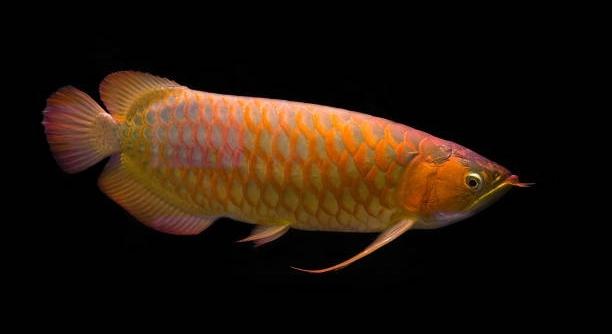
Is your arowana acting a little different lately, perhaps swimming slower or refusing food? Subtle changes like these can sometimes signal that your fish isn’t feeling its best.
The primary signs that an arowana is unwell include loss of appetite, clamped fins, faded color, erratic swimming, and lethargy. These symptoms often indicate stress, poor water quality, or underlying health issues that require prompt attention.
Learning to recognize these clues early can make all the difference in your arowana’s recovery and long-term health.
1. Loss of Appetite
When your arowana suddenly stops eating or eats very little, it’s often one of the first signs something is wrong. A healthy arowana has a strong appetite, eagerly taking pellets, insects, or small fish. Refusal to eat could be linked to poor water quality, stress from sudden changes, or internal infections. Sometimes, overcrowding or aggressive tankmates can also cause feeding problems. If your arowana goes without food for several days, it’s important to check your water parameters first. Clean water and proper temperature can make a noticeable difference. Regular water testing and gradual feeding adjustments can help restore your fish’s interest in food and overall health.
A good approach is to isolate the issue by making small environmental changes before turning to medication. This helps you pinpoint the real cause and prevent further stress on your arowana.
If the problem continues despite stable water and consistent care, it may be a sign of internal parasites or bacterial infections. You might notice your arowana spitting out food or losing weight even when it tries to eat. In such cases, treatment with anti-parasitic or antibacterial medications might be necessary, preferably under expert guidance. It’s also helpful to observe the fish’s behavior during feeding time—slow movement or unusual positioning can give clues. Patience and timely adjustments can often restore your arowana’s natural appetite.
2. Faded Color
Arowanas are known for their striking colors, but when these hues start fading, it’s usually not just a cosmetic issue. Dull or pale scales can indicate stress or illness, often triggered by poor lighting, unstable water conditions, or a lack of proper nutrition.
When your arowana’s color starts to fade, check the tank’s lighting and water temperature first. Inconsistent lighting can confuse your fish’s natural rhythm, while low temperatures can slow its metabolism. Nutrient deficiencies, especially lack of vitamins or carotenoids, also contribute to faded scales. Offering a balanced diet with high-quality pellets and occasional live foods can help maintain its rich coloration. Regular tank maintenance is equally important. Dirty water can dull colors over time, so routine cleaning and partial water changes help keep your fish healthy and vibrant. A stress-free environment—calm tankmates, stable conditions, and minimal sudden movements—can go a long way in bringing back your arowana’s natural shine.
3. Clamped Fins
Clamped fins are an early sign that your arowana is stressed or unwell. When the fins stay close to the body instead of spreading out naturally, it often points to poor water quality or external parasites.
Check for ammonia spikes, sudden temperature drops, or low oxygen levels, as these are common triggers. If your arowana is rubbing against surfaces, it might be trying to relieve irritation from parasites. Performing a partial water change and adding aquarium salt can help ease mild stress. However, persistent clamping may require closer inspection for fungal or bacterial infections. Clean filters and stable water parameters make a noticeable difference in recovery.
Sometimes, clamped fins come with other symptoms like reduced movement or dull scales. When that happens, act quickly—delayed response can lead to secondary infections. Maintaining good tank hygiene, balanced feeding, and consistent observation are the best preventive steps to keep your arowana’s fins healthy and open.
4. Erratic Swimming
Erratic swimming in an arowana usually means something is off internally or environmentally. It may circle rapidly, swim upside down, or bump into tank walls. These unusual movements often stem from stress, swim bladder problems, or sudden pH and temperature changes.
To address this, start by checking your water’s ammonia, nitrite, and nitrate levels. Even small fluctuations can upset your arowana’s balance. Avoid overfeeding, as excess food can cause bloating that affects the swim bladder. If water quality and diet seem fine, observe for signs of bacterial or parasitic infections, which can disrupt balance and coordination. Quarantining the fish and using appropriate medication can help stabilize its condition. Consistent lighting and minimizing loud noises around the tank can further reduce stress, allowing your arowana to regain calm and controlled movement.
5. Lethargy
When an arowana becomes sluggish or spends too much time near the bottom, it’s a sign that something is disrupting its normal energy levels. Common causes include cold water, poor nutrition, or early stages of disease.
Monitor the temperature carefully and ensure it stays within the ideal range for your species. Arowanas are sensitive to cooler water, which slows their metabolism. If the tank is clean and conditions stable, try offering fresh food or adjusting feeding times. Consistent, proper care usually restores their natural activity levels.
6. Cloudy Eyes
Cloudy eyes often develop when your arowana is exposed to dirty water or bacterial infection. It can also result from physical injury caused by sharp decorations or sudden movements. Early treatment is crucial to prevent vision damage and worsening infection.
Perform a partial water change and remove any sharp or rough objects from the tank. Adding aquarium salt and improving filtration helps clear up the issue in mild cases. If the cloudiness persists, medication might be needed. Keeping the water clean and balanced prevents the condition from returning.
7. Swollen Belly
A swollen belly can mean overfeeding, constipation, or internal infection. Reducing feeding portions and providing a fasting day can help relieve mild bloating. If swelling continues, it may require medical treatment to prevent serious health complications.
FAQ
What should I do if my arowana refuses to eat for several days?
First, check water quality and temperature, as poor conditions often reduce appetite. Ensure your tank is clean and stable, and try offering a variety of foods like pellets, live fish, or insects. If your arowana continues refusing food, it may need treatment for parasites or bacterial infections. Observing other symptoms, such as lethargy or clamped fins, can help determine the next steps.
How can I tell if faded colors are serious or just temporary?
Temporary color changes can occur from stress, minor water fluctuations, or mild dietary deficiencies. Persistent dullness, combined with other signs like lethargy or reduced appetite, indicates a deeper issue. Focus on stable water, proper lighting, and a vitamin-rich diet to help restore natural color. If no improvement appears after these adjustments, a health evaluation is recommended.
Why are my arowana’s fins clamped, and how can I fix it?
Clamped fins usually signal stress or illness. Poor water conditions, parasites, and sudden environmental changes are common triggers. Start by ensuring stable water temperature, clean filters, and proper oxygenation. Mild salt baths can ease irritation. Persistent clamping may indicate bacterial or fungal infections, which require careful treatment.
What causes erratic swimming in arowanas?
Erratic swimming is often linked to stress, swim bladder issues, or sudden water changes. Check for ammonia or pH fluctuations and avoid overfeeding. Swim bladder problems from bloating or infection may require treatment. Maintaining consistent tank conditions, gentle handling, and proper diet can help your arowana regain normal swimming behavior.
How do I address lethargy in my arowana?
Lethargy often results from poor water quality, low temperature, or improper nutrition. Ensure water is clean and within the species’ ideal temperature range. Feed fresh, high-quality food and observe activity levels. Persistent lethargy could indicate an underlying infection, which may require professional care or medication.
What steps should I take if my arowana’s eyes become cloudy?
Cloudy eyes may come from dirty water, physical injury, or infection. Start with a partial water change and remove sharp tank decorations. Mild cases may improve with aquarium salt and improved filtration. Persistent cloudiness requires antibacterial treatment. Prevention involves clean water, gentle handling, and monitoring tank conditions.
Is a swollen belly always a sign of serious illness?
Not always. Swelling can result from overfeeding, constipation, or internal parasites. Begin by reducing food portions and giving your arowana a fasting day. If swelling continues or is paired with other symptoms like lethargy or loss of appetite, consult a professional. Early action improves recovery chances.
Can I prevent these health issues with regular care?
Yes. Regular water testing, consistent feeding, proper tank size, and monitoring for early symptoms can prevent many common health problems. Observing behavior and appearance daily allows you to address issues before they become severe. Consistent care creates a stress-free environment that supports overall well-being.
How often should I perform water changes to keep my arowana healthy?
Partial water changes of 20–30% once or twice a week help maintain clean, stable conditions. Avoid drastic changes, which can stress the fish. Regular testing ensures proper ammonia, nitrite, nitrate, and pH levels, keeping your arowana healthy and preventing many common illnesses.
What diet is best to maintain my arowana’s health and color?
A varied diet including high-quality pellets, live or frozen insects, and occasional small fish ensures proper nutrition. Supplements rich in vitamins and carotenoids can enhance color. Avoid overfeeding, as it leads to bloating, swim bladder issues, and water quality problems, which directly affect your fish’s health.
How can I tell if my arowana needs professional treatment?
If symptoms persist despite stable water, proper diet, and basic care—such as continued lethargy, swollen belly, persistent clamped fins, or cloudy eyes—professional evaluation is needed. Early diagnosis and treatment prevent complications and increase the likelihood of full recovery.
This FAQ section covers the most common issues that signal your arowana is unwell, with practical steps to monitor, address, and prevent health problems effectively. Regular observation and consistent care are key to keeping your fish vibrant and active.
Final Thoughts
Caring for an arowana requires patience, observation, and consistent maintenance. These fish are sensitive to changes in their environment, and even small fluctuations in water quality, temperature, or tank conditions can affect their health. Paying attention to early signs of illness, like changes in appetite, clamped fins, or faded colors, helps prevent more serious problems later. Establishing a routine for feeding, cleaning, and monitoring your tank can make a significant difference in keeping your arowana healthy. Over time, observing subtle behavioral changes becomes easier, allowing you to respond quickly if something seems off.
Arowanas are resilient when their environment is stable and their dietary needs are met. Providing a balanced diet, including high-quality pellets, live or frozen insects, and occasional supplements for vitamins and minerals, supports their growth and natural coloration. Clean, filtered water is equally important. Regular partial water changes, careful testing of pH, ammonia, nitrite, and nitrate levels, and maintaining a consistent temperature help reduce stress. Minimizing stress from aggressive tankmates or frequent disturbances ensures that your arowana can swim freely and display natural behaviors. Even small adjustments in tank setup, like providing appropriate hiding spots and soft lighting, can improve your fish’s comfort and well-being.
Ultimately, understanding your arowana’s habits and signs of discomfort allows you to provide better care. By learning to recognize issues such as lethargy, erratic swimming, cloudy eyes, or swelling early, you can take steps to address them before they worsen. Consistency in feeding, cleaning, and monitoring not only prevents illness but also fosters a stronger bond with your fish as you observe its personality and natural behaviors. While challenges may arise, careful attention to environmental stability and health signals ensures that your arowana thrives, displaying its vibrant colors, active swimming patterns, and healthy appetite. Over time, these practices make caring for your arowana a manageable and rewarding experience.

Hello,
If you enjoy the content that we create, please consider saying a "Thank You!" by leaving a tip.
Every little bit helps us continue crafting quality advice that supports the health, happiness, and well-being of pets around the world, for pets of all shapes, sizes, and species.
We really appreciate the kindness and support that you show us!