
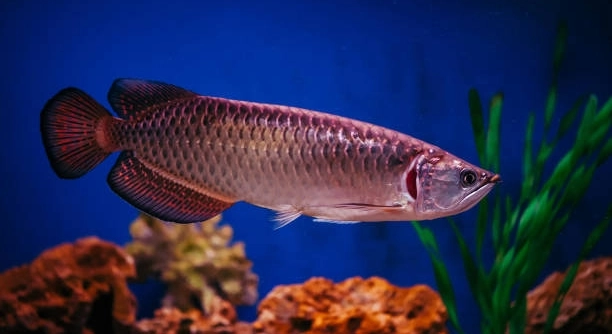
Restlessness in arowanas at night can be concerning for any aquarium owner. These graceful fish may swim rapidly or bump into tank walls, creating stress for both the fish and the caretaker. Understanding the causes is important.
The main causes of restlessness in arowanas at night include poor water quality, improper tank lighting, overfeeding, insufficient tank space, sudden temperature changes, aggressive tank mates, and health issues. Each factor disrupts their natural rhythm and comfort in the aquarium.
Knowing these reasons can help you create a calmer environment. Paying attention to these details will make caring for your arowana easier and more rewarding.
Poor Water Quality
Arowanas are very sensitive to their environment, and poor water quality is a major reason for nighttime restlessness. High levels of ammonia, nitrites, or nitrates can irritate their gills and make them uncomfortable. Cloudy or dirty water often leads to stress, which may cause the fish to swim erratically or collide with tank walls. Even slight imbalances in pH or hardness can affect their overall behavior. Regular water testing and partial water changes are essential to maintain stable water conditions. Additionally, filtration must be adequate for the tank size, ensuring toxins are removed efficiently. Sometimes, owners overlook subtle changes in water clarity or odor, not realizing the impact on the arowana’s comfort. By keeping water conditions optimal, the fish can rest calmly at night and maintain better health. Observing behavior alongside water parameters helps prevent long-term stress and potential illness, making water quality a key factor in peaceful nights for your arowana.
Maintaining clean water with proper filtration and regular testing reduces stress, allowing arowanas to sleep and behave normally at night.
Keeping water stable prevents sudden behavior changes and protects your arowana from illness. Paying attention to filtration and cleaning schedules ensures a calm environment consistently.
Improper Tank Lighting
Bright lights during nighttime hours can disturb arowanas’ natural sleep patterns. These fish are accustomed to periods of darkness for resting, and constant illumination can cause them to become active and agitated. Tank lights that remain on too long or flicker unexpectedly may confuse their internal rhythm. Even indirect lighting from nearby rooms can contribute to restlessness, as arowanas perceive it as daytime activity. Dimming lights gradually or using timers helps simulate natural day and night cycles, promoting calm behavior. Proper lighting also affects feeding schedules and hormone regulation, both of which influence activity levels. Observing the tank at night can reveal whether lighting is a stress factor, allowing adjustments for a more comfortable environment. Small changes in light intensity or duration often lead to noticeable improvements in how the fish settles during the night. Overall, respecting their natural light cycle helps them feel secure and reduces erratic swimming behavior.
Extended exposure to incorrect lighting disrupts the arowana’s rest and overall health. Consistently bright or fluctuating light can cause chronic stress, making the fish more prone to illness and behavioral issues. Lighting should mimic natural conditions as closely as possible, gradually transitioning from day to night to help the arowana recognize bedtime. Timers are very effective, preventing human error and ensuring the tank environment remains stable. For larger tanks, multiple lighting zones may be necessary to balance illumination. Observing the fish’s response after adjusting light schedules helps determine the ideal setup. Proper lighting not only improves nighttime rest but also enhances feeding efficiency and growth. By controlling the light cycle, owners support the arowana’s natural behavior, helping it feel secure and relaxed. Consistent, well-managed lighting is a simple yet powerful tool for preventing nighttime restlessness and ensuring long-term well-being.
Overfeeding
Overfeeding can lead to restless behavior in arowanas at night. Uneaten food decomposes quickly, reducing water quality. Large meals also stress their digestive system, causing discomfort that prevents them from settling down. Adjusting portion sizes and feeding frequency is essential for calm nighttime behavior.
Feeding too much or too often can create long-term health problems. Overfed arowanas may swim erratically at night as they try to process excess food, which can also lead to bloating and swim bladder issues. Leftover food increases ammonia levels, adding further stress. By providing smaller, measured meals and removing uneaten portions, owners can prevent nighttime agitation and promote better digestion. Balanced feeding habits support overall health, reduce stress, and help the fish rest peacefully. Monitoring feeding patterns closely ensures the tank environment stays clean and comfortable.
Smaller, controlled meals help regulate energy levels, preventing sudden bursts of activity at night. This approach also minimizes waste accumulation, keeping water conditions stable. Consistent feeding schedules create predictable routines for your arowana, reducing anxiety and promoting restful nights.
Insufficient Tank Space
Arowanas need enough room to swim freely, and cramped tanks often lead to nighttime restlessness. Limited space restricts movement, increases stress, and may cause aggressive behavior. Proper tank size allows natural swimming patterns, contributing to calmer behavior at night.
Crowded tanks create constant tension among fish, even if only one arowana is present. Restricted movement prevents proper exercise and can make them more reactive to minor disturbances. Tanks that are too small also hinder proper water circulation, worsening water quality and further stressing the fish. Providing ample space ensures they can explore and rest comfortably. Over time, a roomy tank reduces collision injuries and allows for natural behavior, making nighttime periods calmer. Ensuring the tank size meets or exceeds recommended guidelines is crucial for both physical health and mental well-being. Observing swimming patterns and adjusting tank layout can greatly improve overall comfort and reduce restlessness.
Sudden Temperature Changes
Sudden changes in water temperature can disturb an arowana’s natural rhythm, causing restlessness at night. Even a few degrees difference can make them uncomfortable and more active, as their bodies try to adjust to the new conditions.
Maintaining a stable temperature is essential. Using a reliable heater or chiller prevents fluctuations, keeping the fish calm. Regular monitoring helps catch small changes before they cause stress. Gradual adjustments are necessary if temperature changes are unavoidable, allowing the arowana to adapt without agitation. Consistency promotes better sleep and overall health.
Aggressive Tank Mates
Aggressive tank mates can provoke fear and restlessness in arowanas at night. Constant chasing or displays of dominance prevent the fish from settling and create ongoing stress within the tank.
Careful selection of compatible species helps maintain a peaceful environment. Monitoring interactions and separating aggressive individuals ensures nighttime calm.
Health Issues
Illness or parasites often make arowanas restless at night. Swelling, unusual swimming patterns, or loss of appetite may indicate underlying health problems. Early detection and treatment are critical for recovery. Regular observation and water testing reduce the risk of infections and other health-related agitation.
FAQ
Why is my arowana restless only at night?
Arowanas are naturally diurnal, meaning they are more active during the day and rest at night. Nighttime restlessness often signals stress, discomfort, or environmental issues. Common reasons include poor water quality, sudden temperature changes, overfeeding, improper lighting, or aggressive tank mates. Identifying the trigger helps restore calm nighttime behavior.
How can I improve my arowana’s nighttime behavior?
Stabilizing water conditions, maintaining proper temperature, and feeding controlled portions are key steps. Ensure the tank size allows ample swimming space, reduce aggressive interactions, and use timers for lighting to simulate natural day and night cycles. Consistency in routine helps the fish feel secure and relaxed.
Is poor water quality the main reason for restlessness?
Yes, poor water quality is one of the primary causes. High ammonia, nitrite, or nitrate levels irritate gills and can create stress. Cloudy water or sudden pH shifts also disturb behavior. Regular water changes and filtration maintenance are essential for nighttime calm.
Can overfeeding cause restlessness?
Absolutely. Overfeeding can lead to digestive discomfort and bloating, prompting nighttime activity. Uneaten food further deteriorates water quality, increasing stress. Feeding smaller, measured meals and removing leftovers prevents agitation and promotes restful behavior.
Does tank lighting affect arowana sleep?
Yes, excessive or fluctuating light can confuse arowanas and disrupt their natural sleep cycle. Using timers and dimming lights gradually at night helps maintain normal patterns. Even indirect room light should be minimized to prevent nighttime agitation.
How do aggressive tank mates influence restlessness?
Aggressive fish create fear and tension in arowanas. Constant chasing or dominance displays prevent them from settling. Separating aggressive individuals or choosing compatible species is important to maintain a peaceful tank environment for proper nighttime rest.
Could temperature fluctuations be responsible?
Sudden temperature changes stress arowanas, making them more active at night. Even a small variation can disturb their comfort. Using a reliable heater or chiller, monitoring daily, and adjusting temperatures gradually prevents nighttime agitation and keeps the fish healthy.
Are health issues a reason for nighttime activity?
Yes, illness or parasites often lead to restlessness. Symptoms like unusual swimming, swelling, or loss of appetite indicate underlying problems. Early detection, proper treatment, and maintaining clean water help the arowana recover and reduce nighttime activity.
How do I know if my tank is too small?
If the arowana swims rapidly in circles or bumps into walls frequently, it may need more space. Insufficient tank size restricts movement and increases stress, which manifests at night. Following size guidelines and allowing room for natural swimming helps reduce nighttime restlessness.
What are the best practices for feeding schedules?
Feed small, consistent portions at the same time each day. Remove leftover food promptly to prevent water quality deterioration. Avoid overfeeding, as it can cause bloating and nighttime agitation. A balanced diet with controlled feeding supports calm behavior and overall health.
Can I combine solutions to fix restlessness?
Yes, addressing multiple factors simultaneously works best. Stabilize water, regulate temperature, maintain proper lighting, control feeding, ensure adequate tank space, and monitor fish health. Combining these steps creates a secure and comfortable environment, helping your arowana settle at night and thrive in its tank.
How long does it take for changes to show improvement?
It depends on the cause. Water quality and temperature corrections may show results within a few days, while behavioral adjustments from lighting or tank mates can take a week or more. Monitoring consistently ensures the fish adapts smoothly to improvements.
Is it normal for arowanas to be slightly active at night?
Occasional activity is normal, but persistent restlessness indicates stress or environmental issues. Minor movement while adjusting position or exploring is natural. However, constant swimming or bumping signals that something in the tank requires attention.
Can stress make arowanas sick?
Yes, prolonged stress weakens their immune system, making them more susceptible to disease. Addressing environmental stressors, maintaining proper care routines, and observing behavior closely helps prevent health problems and ensures calm nighttime rest.
What should I do if restlessness persists despite adjustments?
Persistent restlessness may indicate an underlying health issue. Consult an experienced aquarist or veterinarian specializing in fish. Detailed observation, water testing, and documenting behavior patterns help professionals determine the best treatment for long-term calm and well-being.
This FAQ section covers the most common concerns regarding arowana restlessness at night and provides practical solutions to maintain a healthy, peaceful tank environment.
Final Thoughts
Restlessness in arowanas at night is a common issue that many owners face. These fish are naturally active during the day and need a quiet, comfortable environment to rest properly at night. When they become agitated or swim erratically after dark, it is often a sign that something in their tank or care routine is off. Factors such as water quality, temperature, tank space, lighting, feeding habits, and tank mates all play a role in their nighttime behavior. Paying close attention to these elements and making small, consistent adjustments can help your arowana feel more secure and calm. Understanding the causes behind restless behavior allows you to address problems before they become serious, helping to maintain the overall health and well-being of your fish. It is also important to remember that each arowana is unique, and what works for one may need slight modifications for another. Observing your fish’s natural patterns and habits is key to creating the best environment possible.
Maintaining water quality is one of the most critical steps in preventing restlessness. Ammonia, nitrites, nitrates, and pH fluctuations can create stress that shows up as nighttime activity. Regular water testing, partial water changes, and a properly sized filtration system help maintain a stable environment. Temperature control is equally important, as sudden changes can startle arowanas and make them swim more than usual. Feeding practices should be balanced and controlled, avoiding overfeeding, which can cause bloating and discomfort. Adequate tank space allows them to swim naturally, reducing tension and collisions with tank walls. Proper lighting, timed to simulate day and night, helps reinforce natural sleeping patterns. Aggressive tank mates should be avoided or separated to minimize stress. Addressing each of these factors individually may seem small, but together they create a stable, comfortable environment that promotes restful nights. Consistency in care routines provides the reassurance arowanas need, reducing nighttime restlessness and supporting long-term health.
Health concerns should never be overlooked. Illness or parasites can cause sudden or persistent activity at night. Observing for unusual swimming, changes in appetite, or physical symptoms is important. Prompt attention and treatment help prevent further stress and potential complications. Combining proper care, environmental adjustments, and monitoring creates a peaceful, well-managed tank. While some restlessness can be normal, persistent nighttime activity is often a signal to review and improve tank conditions. Patience and consistency are key; it may take time for your arowana to adjust after changes, but the results are worth it. By keeping water clean, maintaining the right temperature, feeding appropriately, ensuring space, and monitoring health, you provide the ideal conditions for your arowana to feel safe and settle at night. This careful approach ensures your fish thrives while giving you the satisfaction of a calm, healthy aquarium.

Hello,
If you enjoy the content that we create, please consider saying a "Thank You!" by leaving a tip.
Every little bit helps us continue crafting quality advice that supports the health, happiness, and well-being of pets around the world, for pets of all shapes, sizes, and species.
We really appreciate the kindness and support that you show us!