
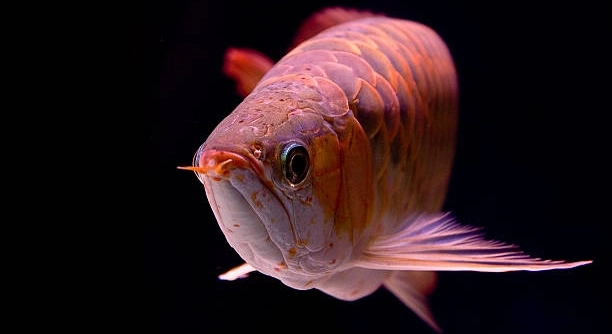
Keeping a community tank peaceful can sometimes feel tricky, especially when fish start showing signs of aggression. Fish behavior can change quickly, and even small actions in the tank can affect harmony among tank mates.
Preventing aggression in community tanks requires careful species selection, adequate space, hiding spots, and proper feeding routines. Maintaining water quality and observing social interactions regularly can significantly reduce stress-induced aggression and promote a stable environment for all fish.
Learning these strategies will help create a calmer tank environment and support the long-term well-being of your aquatic pets.
Understanding Fish Behavior
Observing your fish closely is the first step to preventing aggression. Fish have different temperaments, and some species are naturally more territorial. Changes in behavior, such as chasing, nipping fins, or hiding, can signal stress. Knowing how your fish act under normal conditions helps you spot early signs of conflict. Grouping compatible species together reduces tension, and balancing the number of males and females in the tank can prevent dominance struggles. Hiding spots, like plants, rocks, and caves, give fish places to retreat, which lowers stress and aggressive encounters. Overcrowding can heighten territorial behavior, so keeping the right number of fish per tank size is essential. Regular observation allows you to adjust the environment before minor issues become serious fights. Feeding schedules also affect mood; consistent, adequate nutrition keeps fish healthy and less likely to act out. Taking the time to understand each species’ needs ensures a calmer tank overall, creating a better environment for everyone.
Monitoring behavior daily lets you catch early signs of aggression and intervene quickly, avoiding long-term stress.
Patience and attention make a big difference. Small changes, like adding plants or adjusting group sizes, can prevent most problems. Watching how fish interact can teach you a lot about maintaining harmony in the tank, helping both shy and active species thrive together comfortably.
Tank Layout and Hiding Spaces
Providing hiding spaces reduces tension in community tanks. Fish need areas to retreat when stressed, which helps prevent aggressive encounters.
Arranging the tank with a mix of open swimming areas and dense cover creates balance. Rocks, driftwood, and plants serve as shelters and visual barriers, breaking lines of sight for territorial fish. Avoid clustering all hiding spots in one area; spreading them throughout the tank ensures that all fish have access. Open areas allow active species to swim freely, while timid fish can feel safe. Decorating the tank thoughtfully also helps define territories, which reduces conflicts among territorial species. Substrate type and placement of decorations can influence behavior. Floating plants provide shade and cover, reducing stress from bright lights or dominant fish. Even rearranging elements occasionally can reset territories, keeping aggression low. A well-structured environment gives fish control over their space, creating a calmer, more balanced community. Combining visual barriers with open spaces supports healthy interactions and minimizes stress for all inhabitants.
Proper Feeding Practices
Feeding on a consistent schedule keeps fish less aggressive. Overfeeding or underfeeding can trigger chasing and fin-nipping among tank mates.
Providing small amounts multiple times a day prevents competition. Uneaten food should be removed promptly to maintain water quality. Some species prefer sinking pellets, while others eat flakes at the surface, so matching food type to species reduces stress. Feeding in different areas of the tank allows timid fish to eat safely. Rotating food types ensures proper nutrition and keeps fish satisfied, lowering the likelihood of food-related aggression. Avoid sudden changes in diet, as this can unsettle territorial fish and spark conflicts. Observing how each fish feeds helps adjust portions and placement. Proper feeding supports both growth and harmony. By managing food distribution carefully, aggression over meals can be minimized.
Regular, balanced feeding prevents most chasing incidents during mealtime.
Consistency in feeding and observing reactions is key. Adjusting the amount and placement of food can solve many minor conflicts before they escalate, ensuring everyone gets enough without stress.
Selecting Compatible Species
Choosing species that naturally get along is essential for a peaceful tank. Aggressive or highly territorial fish should be avoided in mixed setups.
Researching species behavior beforehand helps avoid conflicts. Schools of small, peaceful fish often do well together, while larger or more aggressive species may dominate the tank. Matching activity levels and water parameter requirements is crucial to prevent stress. Even compatible species can clash if overcrowded, so maintaining appropriate stocking levels is important. Observing interactions early can identify potential problems before they become serious. Avoid combining species with very different temperaments or sizes, as this can lead to fin nipping or predation. Paying attention to these details ensures a calmer, safer tank environment for all inhabitants.
Compatibility also includes understanding gender ratios. Some species require more females than males to reduce dominance fighting, and this adjustment can greatly lower aggression.
Maintaining Water Quality
Clean water is essential for reducing stress and aggression. Poor water conditions can make fish irritable and more likely to fight.
Regular water changes, proper filtration, and monitoring parameters like ammonia, nitrite, and nitrate levels keep the tank stable. Healthy water supports calmer, healthier fish.
Proper Tank Size
Overcrowding increases tension and fights. Ensuring each fish has enough space is critical for harmony.
A larger tank allows fish to establish territories and reduces stress. Crowded conditions make even peaceful species aggressive. Providing extra swimming space and vertical areas gives all fish room to move freely. Proper stocking levels prevent territorial disputes and support a balanced community, letting shy and dominant fish coexist without constant conflict.
Observation and Intervention
Watching fish regularly helps catch early signs of aggression.
Early intervention, like separating overly aggressive fish or adjusting tank layout, prevents injuries and long-term stress.
FAQ
How can I tell if my fish are stressed or aggressive?
Signs of stress or aggression include chasing, fin-nipping, hiding, or refusing food. Territorial fish may patrol the tank constantly or block other fish from certain areas. Sudden color changes, clamped fins, or erratic swimming are also indicators. Observing your fish daily helps you identify early warning signs before fights become serious.
What are the best hiding spots for community tanks?
Hiding spots can include live or artificial plants, rocks, caves, and driftwood. Dense clusters help shy fish feel safe, while scattered shelters allow multiple fish to retreat simultaneously. Floating plants provide shade and reduce visibility from dominant fish, which lowers aggression. Rearranging decorations occasionally can also reset territorial boundaries and keep peace.
How often should I feed my fish to prevent aggression?
Small, frequent feedings are better than one large meal. Feeding two to three times a day ensures all fish get access to food without triggering competition. Placing food in multiple areas of the tank allows timid fish to eat safely. Remove uneaten food promptly to maintain water quality. Rotating food types keeps fish satisfied and supports nutrition.
Which species are usually safe to mix in community tanks?
Peaceful schooling fish, like tetras, danios, and rasboras, often do well together. Corydoras and other bottom dwellers coexist without conflict. Avoid highly territorial or aggressive species, like certain cichlids, unless the tank is very large. Matching activity levels, size, and water parameter needs reduces stress and lowers aggression risks. Gender ratios also matter for some species.
What should I do if aggression still occurs?
Separate aggressive fish temporarily or permanently if fights persist. Adjusting the tank layout by adding more hiding spots or visual barriers can help. Reducing overcrowding and ensuring proper feeding routines often resolves conflicts. Observing interactions and taking quick action prevents injuries and long-term stress, keeping the tank stable.
Does tank size affect fish aggression?
Yes. Crowded tanks increase competition for territory and food, making even peaceful fish aggressive. Larger tanks allow fish to establish territories and give shy fish space to retreat. Providing vertical swimming space, open areas, and multiple hiding spots ensures all fish can coexist comfortably without constant conflict.
Can water quality influence aggression?
Absolutely. Poor water conditions increase stress, which can trigger fights. Regular water changes, proper filtration, and monitoring ammonia, nitrite, and nitrate levels maintain stability. Clean, stable water keeps fish healthy, calm, and less prone to aggressive behavior, creating a safer environment for all tank inhabitants.
How do I balance males and females in the tank?
Some species become more aggressive when males outnumber females. Maintaining proper ratios helps reduce dominance struggles. For schooling fish, keeping a larger group dilutes aggression. Observing behavior and adjusting numbers as needed can maintain harmony and prevent long-term stress or injury.
Is it necessary to rearrange decorations occasionally?
Yes. Rearranging decorations can break up established territories and reduce persistent aggression. It allows fish to explore new areas and creates fresh hiding spots for shy species. Small changes, like moving rocks or plants, can reset the social balance in the tank and promote a calmer environment.
What role does diet play in aggression control?
A varied and balanced diet keeps fish healthy and satisfied. Nutritional deficiencies or irregular feeding can increase irritability. Providing appropriate food types for each species, in the right amounts and frequency, prevents food-related competition. Observing feeding behavior and adjusting portions supports harmony and reduces stress-driven fights.
This FAQ provides practical guidance to manage aggression, maintain harmony, and ensure all fish thrive in a community tank environment. Regular observation, careful planning, and thoughtful adjustments are key.
Maintaining a peaceful community tank requires attention and consistency. Aggression among fish can arise for many reasons, including overcrowding, incompatible species, poor water quality, and insufficient hiding spaces. Observing your fish daily allows you to notice small changes in behavior, like chasing or fin-nipping, before conflicts escalate. Even fish that are naturally peaceful can become aggressive when stressed, so creating a calm environment is essential. Regular tank maintenance, proper feeding routines, and providing a variety of shelters help reduce stress and give all fish the space they need. Paying attention to water parameters like temperature, pH, and ammonia levels ensures a stable environment, which directly impacts fish behavior. Each adjustment, whether it is adding a plant, rearranging decorations, or slightly increasing tank size, can make a noticeable difference in reducing tension among tank mates.
Choosing compatible species is another important factor in preventing aggression. Some fish are naturally territorial, while others prefer to swim in schools and avoid confrontation. Researching species’ natural behaviors and activity levels before adding them to your tank can prevent many common conflicts. Gender ratios also matter for certain species, as an uneven number of males can increase competition and fighting. Providing multiple hiding spots, visual barriers, and open swimming areas helps balance the tank and allows shy or timid fish to escape dominant individuals. Overcrowding is a common cause of aggressive behavior, so maintaining the right number of fish per tank size is crucial. Even small changes, like feeding in different areas or breaking up established territories, can prevent aggressive interactions and help fish coexist peacefully.
Aggression management is an ongoing process that requires patience and observation. No single solution works for every tank, so it is important to adjust your approach based on the needs of your fish. Paying attention to their interactions, keeping the environment stable, and providing proper nutrition all contribute to a healthier, calmer community tank. Intervening early when signs of aggression appear—through temporary separation, layout adjustments, or careful monitoring—prevents injuries and long-term stress. A thoughtful approach to tank setup, species selection, and daily care ensures that all fish can thrive together. By consistently applying these practices, you create a balanced, safe, and enjoyable environment for your aquatic pets, where aggression is minimized and the overall well-being of the tank is supported.

Hello,
If you enjoy the content that we create, please consider saying a "Thank You!" by leaving a tip.
Every little bit helps us continue crafting quality advice that supports the health, happiness, and well-being of pets around the world, for pets of all shapes, sizes, and species.
We really appreciate the kindness and support that you show us!