
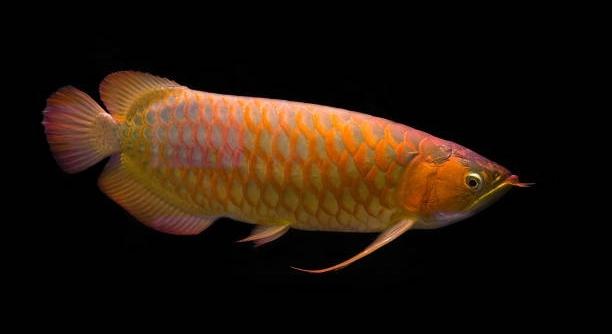
Do you ever notice your Arowana swimming slowly in one corner of the tank, almost avoiding certain areas? Observing their behavior can be fascinating, especially when you start thinking about how light affects their comfort.
Arowanas generally prefer dimmer or moderately lit environments rather than bright lighting. Excessive light can stress these fish, causing erratic behavior or hiding, while softer lighting helps them feel secure and maintain natural activity patterns.
Learning how lighting impacts your Arowana can improve their well-being and make caring for them a more rewarding experience.
Understanding Arowana Behavior in Different Lighting
Arowanas are sensitive to changes in their environment, and light is a major factor in their behavior. Bright lights often make them anxious, causing them to swim nervously or stay near shaded areas. On the other hand, dim or moderate lighting creates a sense of security, allowing them to move freely and explore their tank. Observing their reactions to light can help identify their comfort zones. Some Arowanas may prefer areas with gentle, filtered light, while others enjoy slightly darker corners. Adding plants or ornaments that provide shade can make the tank feel more natural. Lighting also affects their feeding patterns. A well-lit tank may make them shy away during feeding times, whereas soft lighting encourages regular eating. Adjusting lighting gradually instead of abruptly is essential, as sudden changes can stress the fish. Understanding these patterns helps maintain a stable and calm environment, which is crucial for their overall health and activity.
Arowanas tend to hide when exposed to strong light. Dimmed lighting encourages natural movement and reduces stress effectively.
Paying attention to these subtle cues allows for adjustments in tank setup. Over time, you can observe which areas your fish favors and create a balanced environment. Tank decorations, plants, and lighting positioning all contribute to their comfort. Experimenting with light levels carefully ensures their health and reduces unnecessary stress, making the aquarium a more peaceful space for both you and your fish.
Choosing the Right Lighting for Arowanas
Proper lighting is key to maintaining Arowana health and mood. Dim or moderately bright light mimics their natural habitat, helping them thrive.
Selecting lighting requires consideration of intensity, duration, and placement. Arowanas come from rivers and lakes where light is filtered through water and vegetation. Replicating these conditions involves using adjustable lights or lamps that provide a gentle glow without overwhelming the tank. Too much direct light can lead to stress, hiding, or even aggression among fish. Observing your Arowana during different times of the day helps identify their preferred light level. Combining soft lighting with shaded areas ensures they have options to feel secure. Timers can help maintain a consistent light cycle, promoting regular activity and feeding patterns. Proper lighting also enhances the natural colors of the fish, making them visually appealing without compromising comfort. Maintaining balance between bright and shaded areas creates a calm environment, essential for their well-being and longevity. Monitoring their response regularly allows small adjustments for optimal tank conditions.
Effects of Light on Arowana Health
Too much light can stress Arowanas, affecting their appetite and activity levels. Prolonged exposure may lead to erratic swimming or hiding, which can impact their overall health and growth if not managed properly.
Light intensity directly influences Arowana behavior. Bright, constant lighting often makes them restless, causing frequent darting or lingering near shaded areas. Stress from improper lighting can suppress their immune system, making them more susceptible to diseases. On the other hand, soft lighting promotes calm movement, regular feeding, and better digestion. Observing how your Arowana reacts to different light conditions allows you to adjust the setup effectively. Using dimmable lights or creating shaded zones with decorations helps maintain a stable environment. Balanced lighting ensures they remain active without unnecessary stress.
Arowanas also show physical signs under improper lighting. Fading colors or dull scales may indicate stress. Properly moderated light helps maintain vibrant coloration and smooth scale texture. Consistent observation is key.
Adjusting Tank Setup for Optimal Lighting
Arranging decorations and plants provides natural shading that reduces stress from bright lights. A mix of shaded and open spaces encourages exploration while offering security.
Positioning tank lights correctly is essential. Lights should simulate natural conditions without directly glaring at the fish. Plants, rocks, and driftwood create pockets of shade, giving Arowanas options to retreat if needed. Dimmable lights or adjustable LED systems allow gradual changes in intensity, preventing sudden stress. Maintaining a day-night cycle mimics their natural environment, supporting regular feeding and resting patterns. Observing their swimming patterns helps identify preferred areas and adjust decorations or light angles accordingly. Over time, this creates a stable, comfortable habitat where the Arowana can remain active, healthy, and visually vibrant. Careful planning ensures the tank meets both aesthetic and behavioral needs.
Common Mistakes in Lighting Arowanas
Overly bright lights are a frequent mistake. They can cause stress, hiding, and irregular feeding patterns, which may affect overall health.
Placing lights too close to the tank is another issue. Direct glare can make Arowanas uncomfortable and reduce their natural activity, leading to long-term behavioral problems.
Monitoring Behavior Under Different Light Conditions
Regular observation helps determine the best lighting setup. Watch for changes in swimming patterns, appetite, and hiding habits. Adjust light intensity or create shaded areas if the fish appear restless or stressed. Gradual adjustments prevent sudden discomfort, ensuring they stay calm and healthy. Consistent monitoring allows a personalized setup for your Arowana.
Using Natural Light
Indirect sunlight can be beneficial but must be controlled. Too much direct exposure can overheat the tank or cause algae growth, impacting water quality.
FAQ
Do Arowanas need complete darkness at night?
Arowanas benefit from a consistent day-night cycle, which means they do not require complete darkness but do need reduced lighting at night. Gradual dimming helps them rest and recover from daily activity. Sudden changes in light can startle them and disrupt normal sleeping patterns, so a soft, low glow or turning lights off gradually is ideal. This mimics their natural environment, where light fades gradually in the evening. Ensuring a consistent cycle also supports healthy feeding and digestion during the day.
Can too little light harm Arowanas?
Yes, extremely low light or prolonged darkness can affect their behavior and health. Arowanas may become less active, lose appetite, or show dull coloration when kept in overly dim conditions. Light stimulates natural movement, feeding, and social interactions if you have multiple fish. It also enhances their coloration, making scales appear vibrant. Balanced lighting ensures they stay alert and healthy. Observing how they respond to dimmed light allows adjustments without causing stress or discomfort.
How long should lights stay on in an Arowana tank?
Generally, Arowanas do best with 10–12 hours of light per day. This timeframe provides enough illumination for normal activity while allowing them sufficient rest. Using a timer ensures consistency, reducing the risk of stress caused by irregular lighting. Sudden long exposures or short periods of light can confuse their internal rhythms, affecting appetite and energy levels. Maintaining a steady schedule helps simulate natural conditions, promoting calm swimming, normal feeding behavior, and vibrant coloration.
Is LED lighting suitable for Arowanas?
LED lights are ideal because they provide adjustable brightness and low heat output. They allow gradual dimming to create a natural day-night cycle and reduce stress. Unlike traditional fluorescent bulbs, LEDs can be positioned to avoid direct glare, giving Arowanas shaded areas when needed. They also highlight the fish’s natural colors without overwhelming them. Using a combination of overhead lighting and shaded areas from decorations ensures comfort and activity. Monitoring their reactions helps fine-tune brightness levels for optimal health and behavior.
Should I use natural sunlight for my tank?
Indirect natural sunlight can improve Arowana coloration, but direct sunlight can overheat water and cause algae overgrowth. Placing the tank near a window with filtered light or using curtains can provide a gentle natural glow. Balancing sunlight with artificial lighting ensures the fish have consistent illumination while avoiding temperature fluctuations. Observation is key—if the fish appear restless in natural light, adjust the angle or use shading to reduce intensity. Proper management of natural light enhances their environment without compromising health.
What signs indicate improper lighting?
Arowanas show stress through erratic swimming, constant hiding, or loss of appetite. Dull or faded scales can also signal insufficient or excessive light. Overexposure may lead to aggression, while too little light causes lethargy. Monitoring these behaviors allows timely adjustments. Providing shaded zones and regulating light intensity helps restore balance. Observing feeding patterns, resting habits, and swimming locations gives a clear picture of whether the current lighting suits them.
Can I adjust light gradually or should it change suddenly?
Gradual adjustments are always preferred. Sudden changes in brightness or duration can stress Arowanas and disrupt their normal routines. Using dimmable lights or slowly covering and uncovering areas of the tank mimics natural conditions. Gradual changes help them adapt comfortably, maintaining calm behavior, healthy appetite, and normal swimming patterns. This approach ensures the tank remains a stable, stress-free environment, which is essential for long-term health and well-being.
Does tank size affect lighting needs?
Yes, larger tanks may require multiple light sources or higher-intensity lights to reach all areas, while smaller tanks can manage with a single, moderate light. Positioning lights strategically and providing shaded regions ensures consistent comfort throughout the tank. Observing where the fish spend most of their time can guide adjustments. Properly balanced lighting across the tank prevents areas that are too bright or too dark, supporting consistent activity and reducing stress.
Can lighting influence feeding behavior?
Lighting has a direct impact on appetite. Arowanas may avoid food in overly bright tanks or under intense direct light. Soft, moderate lighting encourages regular feeding, allowing the fish to see and pursue food naturally. Providing shaded areas near feeding zones also helps reduce stress during meals. Consistent light cycles support predictable feeding behavior and digestion, ensuring they receive proper nutrition without the interference of stress-induced avoidance.
Is it necessary to change lighting type for different Arowana species?
Different species may have slight variations in preference, but most Arowanas thrive under dim to moderate light with shaded options. Observing behavior and color vibrancy will guide adjustments for specific species. Some prefer darker corners, while others enjoy gentle illumination. Customizing lighting based on their response ensures comfort and supports healthy growth, while also enhancing natural beauty.
Can lighting affect social behavior in a tank with multiple Arowanas?
Yes, lighting impacts interactions. Bright or uneven lighting may trigger aggression or territorial behavior. Balanced light with shaded areas reduces conflict, allowing fish to establish preferred spaces without constant confrontation. Proper illumination ensures calmer interactions and smoother coexistence. Monitoring how individuals respond helps create a harmonious environment where all fish feel secure.
How often should I reassess lighting?
Regular reassessment is important, especially as fish grow or tank setup changes. Observing behavior, feeding, and resting patterns every few weeks allows adjustments to light intensity, duration, or placement. This ensures continued comfort, reduces stress, and maintains optimal coloration. Gradual changes with ongoing monitoring provide the best results for Arowana health and activity.
Does lighting affect breeding or spawning?
Proper light cycles can influence reproductive behavior. Balanced day-night patterns help maintain hormonal rhythms that trigger mating behavior. Overly bright or inconsistent lighting may suppress natural instincts, while consistent, moderate lighting encourages activity and readiness. Providing shaded areas and gentle illumination supports a natural environment conducive to breeding without causing unnecessary stress.
Can I combine different lighting types?
Combining LED, fluorescent, or indirect sunlight is possible as long as brightness is balanced and glare avoided. Layering lights allows shaded zones and enhances natural colors. Observing how Arowanas respond ensures the combination creates a comfortable environment. Gradual introduction of different lights prevents stress and maintains stable behavior.
How important is light placement in the tank?
Placement is critical. Lights should reach the tank evenly while avoiding direct glare at the water surface. Strategic positioning provides areas of shade and prevents overstimulated behavior. Adjusting angles or adding decorations helps distribute light naturally. Proper placement supports calm swimming, regular feeding, and overall well-being.
What is the ideal balance between light and shade?
Arowanas benefit from a mix of soft illumination and shaded areas. Bright open areas allow exploration, while shaded corners provide security. This balance reduces stress, encourages normal activity, and supports proper feeding. Observing preferred spots helps refine the setup. Too much light or shade disrupts comfort, so moderation is key.
Can seasonal changes affect tank lighting needs?
Seasonal variations in natural light may require adjustments. Longer daylight in summer might necessitate dimming artificial lights, while shorter days in winter may need slightly extended light periods. Maintaining a consistent total duration and intensity supports stable routines, feeding patterns, and overall health. Observation ensures seasonal changes do not cause stress.
Is colored lighting beneficial for Arowanas?
Soft, natural-colored lighting enhances visual appeal without stressing the fish. Harsh or neon colors can cause discomfort and abnormal behavior. Warm tones or neutral white light are most effective, supporting calm activity, regular feeding, and vibrant coloration. Gradual adjustments prevent sudden stress.
How can I tell if my lighting setup is optimal?
Indicators include active swimming, regular feeding, vibrant colors, and minimal hiding. Fish should explore the tank comfortably while using shaded areas as needed. Dull colors, lethargy, or erratic swimming suggest adjustments are necessary. Observing daily behavior provides reliable guidance for fine-tuning light intensity, placement, and duration for long-term health.
Does water clarity interact with lighting effects?
Yes, clear water enhances light penetration, while murky water reduces it. Clean water ensures consistent light distribution, supporting proper behavior and coloration. Regular maintenance and filtration keep water clear, preventing shadows or overly bright spots that may stress Arowanas. Monitoring clarity helps maintain a comfortable, well-lit environment.
Are timers necessary for consistent lighting?
Timers are highly recommended. They provide consistent day-night cycles, reduce human error, and prevent sudden light changes. Consistency supports normal activity, feeding, and resting patterns. Gradual transitions through dimmable timers mimic natural conditions, ensuring comfort and reducing stress for Arowanas.
Can lighting affect water temperature?
Some lights emit heat, which can raise tank temperature. Monitoring temperature ensures lighting does not create stress or unsafe conditions. LEDs are ideal because they produce minimal heat. Positioning lights at a safe distance and using dimmable or indirect lighting helps maintain stable water temperature, supporting overall fish health.
Is light intensity more important than duration?
Both matter, but intensity directly affects comfort and stress levels. Too bright light causes immediate discomfort, while proper duration supports natural rhythms. Moderate intensity combined with consistent cycles creates a balanced environment, promoting calm swimming, regular feeding, and vibrant coloration.
How often should bulbs or LEDs be replaced?
Lighting efficiency decreases over time, so replacing bulbs or LEDs annually ensures consistent brightness. Dim or aging lights may stress fish or reduce coloration. Observing changes in fish behavior can indicate when replacement is needed. Proper maintenance supports stable conditions and long-term health.
Can reflections or tank location affect lighting comfort?
Reflections on glass or placement near bright windows may cause glare, stressing Arowanas. Positioning lights carefully and using curtains or background materials reduces harsh reflections. Ensuring uniform lighting across the tank allows fish to move freely without being startled.
Are there any signs of overexposure to light?
Restlessness, hiding, aggression, or erratic swimming indicate overexposure. Scales may appear faded, and feeding may decline. Providing shaded areas or reducing intensity corrects these issues. Observing behavior closely allows timely adjustments to restore comfort and normal activity.
Can lighting influence Arowana growth?
Indirectly, yes. Proper lighting encourages regular feeding and activity, which supports healthy growth. Stress from improper light can reduce appetite, slow metabolism, and impact overall development. Maintaining balanced light and shade ensures optimal growth conditions.
Do Arowanas prefer certain angles of light?
They generally avoid direct overhead glare. Angled or diffused light creates comfortable zones and reduces stress. Observing preferred swimming areas helps determine ideal placement. Adjustments to light angles can enhance comfort and natural behavior.
How quickly should lighting changes be implemented?
Gradually, over several days or weeks. Sudden changes can cause stress, hiding, or abnormal behavior. Incremental adjustments allow adaptation, maintaining calm activity and regular feeding. This method supports stable, long-term well-being for Arowanas.
Is supplemental moonlight or night lighting useful?
Soft, low-intensity lighting at night can help observe behavior without disturbing rest. It should be gentle enough not to disrupt natural sleep cycles. Using timers ensures a consistent schedule while allowing occasional observation.
Can improper lighting affect disease susceptibility?
Yes, stress from poor lighting weakens the immune system, making Arowanas more prone to infections. Maintaining proper light intensity, duration, and shaded areas helps reduce stress, supporting stronger immunity and overall health.
How important is consistency in lighting?
Consistency is crucial. Irregular lighting patterns disrupt routines, feeding, and activity, leading to stress and weakened health. A steady schedule supports normal swimming, rest, and natural coloration, ensuring the tank remains a safe, comfortable environment.
Should lighting be adjusted for tank plants?
Yes, if live plants are present, light needs to support their growth without stressing the fish. Using adjustable lighting allows a balance between plant health and Arowana comfort. Proper placement ensures shaded areas remain available.
Can lighting influence Arowana temperament?
Yes, bright or inconsistent light can cause agitation or aggression. Soft, evenly distributed lighting promotes calm behavior, reducing conflicts and encouraging natural swimming patterns. Observing reactions helps maintain a peaceful environment.
Does tank background affect lighting comfort?
A dark or neutral background reduces reflections and glare, making Arowanas feel secure. Light-colored or reflective backgrounds may amplify brightness, causing stress. Choosing the right background complements lighting and supports calm behavior.
Can colored decor affect light intensity?
Yes, dark decorations absorb light, creating shaded zones, while reflective surfaces increase brightness. Balancing colors and placement helps maintain a comfortable light environment for Arowanas. Observing their behavior ensures shaded areas are adequate.
Are there risks with too many light sources?
Multiple lights can create uneven brightness or glare. Strategic placement and dimming options prevent overstimulation. Focusing on even coverage with shaded areas ensures comfort and reduces stress.
Is it better to have constant light or a gradual increase/decrease?
Gradual increase and decrease mimic natural conditions, reducing stress and supporting normal activity. Sudden on/off lighting can startle fish, affecting feeding, swimming, and overall comfort. Gradual changes ensure a stable environment.
How do I combine aesthetics and proper lighting?
Choose lighting that highlights fish colors while providing shaded areas. Use decorations to diffuse light naturally. Adjustable lighting allows a balance between visual appeal and Arowana comfort. Observing behavior ensures aesthetics do not compromise well-being.
Can lighting affect water plants and algae growth simultaneously?
Yes, excessive light can promote algae, while insufficient light hinders plant growth. Balance intensity and duration to support plant health without stressing Arowanas. Shaded areas and proper filtration help maintain equilibrium.
Should I adjust lighting during vacations or absence?
Timers are essential for maintaining consistent lighting while away. Avoid manual adjustments before leaving, as inconsistency can stress Arowanas. A steady cycle ensures feeding and activity remain normal.
How to measure if the light intensity is adequate?
Observe behavior, coloration, and swimming patterns. Calm movement, regular feeding, and vibrant scales indicate proper intensity. Adjust gradually if fish hide, appear restless, or show dull coloration.
Are specialized aquarium lights worth it?
Specialized lights offer adjustable intensity, color balance, and energy efficiency. They enhance comfort, coloration, and plant growth while preventing stress. Observation ensures they meet both Arowana needs and tank aesthetics.
Can lighting affect water chemistry?
Indirectly, yes. Excessive light can increase temperature and promote algae, impacting oxygen and pH levels. Balanced light helps maintain stable water conditions. Regular monitoring ensures a safe, healthy environment.
Do juvenile and adult Arowanas have different lighting needs?
Juveniles may prefer slightly dimmer areas for security, while adults tolerate moderate lighting better. Observing behavior ensures lighting suits their size and activity level. Adjustments support growth and stress reduction.
Can lighting affect reflection behavior in the tank?
Strong light reflecting on glass can confuse or stress Arowanas. Proper placement, shading, and non-reflective backgrounds reduce unwanted reflections, promoting calm behavior.
Is there a link between lighting and Arowana longevity?
Indirectly, yes. Proper lighting reduces stress, supports feeding, activity, and immune health, all contributing to a longer, healthier life. Balanced, consistent lighting is a key factor in overall well-being.
Can sudden power outages impact lighting stress?
Yes, abrupt loss of light can startle Arowanas. Using a backup or gradual dimming system helps mitigate stress, maintaining calm behavior until normal lighting resumes.
Do Arowanas prefer top lighting or side lighting?
Top lighting is natural, simulating sunlight. Side lighting can create glare or shadows. Combining top lighting with shaded zones offers comfort and reduces stress. Observation helps determine ideal placement.
How does reflection from water surface affect fish?
Reflections can confuse or stress Arowanas, causing them to dart or hide. Proper lighting angle and non-reflective tank surfaces minimize these effects, supporting calm swimming and normal behavior.
Should I change lighting gradually if relocating the tank?
Yes, gradual adjustments are essential. Moving a tank changes ambient light, so slowly acclimating the fish reduces stress, supports feeding, and maintains normal behavior in the new environment.
Can lighting affect aggression in multi-fish tanks?
Bright or uneven light may trigger aggression, while shaded zones reduce conflicts. Balanced lighting ensures all fish have comfortable areas, supporting peaceful interaction and normal swimming.
Does lighting affect reflection on water plants?
Yes, strong light can create glare on leaves, startling fish. Using angled or diffused lighting and shaded areas prevents stress and allows natural interaction with plants.
Can lighting influence stress-related disease outbreaks?
Yes, stress from improper lighting weakens immunity. Ensuring consistent, moderate light and shaded zones reduces stress, lowering the risk of infections and promoting overall health.
How long does it take for Arowanas to adjust to new lighting?
Adjustment may take several days to a couple of weeks. Gradual intensity changes and observation help them adapt comfortably, reducing stress and maintaining normal activity.
Is it better to have one long lighting period or split sessions?
A continuous period of 10–12 hours is optimal. Split sessions can confuse their internal rhythms and disrupt feeding or resting patterns. Consistency is more important than splitting duration.
Do reflective substrates impact lighting comfort?
Yes, reflective gravel or sand amplifies brightness, which can stress Arowanas. Using darker or matte substrates reduces glare and creates comfortable zones for resting and exploration.
Can lighting affect reproduction indirectly through stress?
Yes, consistent, moderate lighting reduces stress, allowing natural hormonal cycles to support mating behavior. Overly bright or irregular light can suppress reproductive instincts.
Are there long-term effects of improper lighting?
Chronic stress from poor lighting can reduce appetite, stunt growth, weaken immunity, and cause behavioral issues. Maintaining proper intensity, duration, and shaded areas prevents these long-term problems.
Should lighting adjustments coincide with other tank changes?
Yes, combining lighting changes with water or decoration adjustments should be done gradually. Sudden multiple changes increase stress, whereas gradual transitions maintain stability.
Can reflections from other equipment affect comfort?
Yes, reflections from heaters or filters may startle fish. Positioning equipment to minimize glare helps create a calmer environment.
Is dim lighting better for nighttime observation?
Yes, soft night lighting allows observation without disturbing rest. Keep intensity low and indirect to prevent stress while still monitoring activity.
Does lighting affect territorial behavior?
Bright or uneven lighting can trigger territorial aggression. Providing shaded areas reduces conflicts, ensuring calm coexistence among multiple Arowanas.
How do I test if current lighting is effective?
Observe activity, feeding, hiding, and coloration. Calm, active fish with vibrant colors indicate effective lighting. Stress signs suggest adjustments are needed.
Can lighting impact appetite indirectly through mood?
Yes, proper lighting promotes calm behavior, encouraging regular feeding. Stress from too bright or inconsistent light can reduce appetite and cause nutritional issues.
Are there lighting differences for freshwater vs. brackish Arowanas?
Preferences are generally similar: moderate light with shaded areas. Subtle adjustments may be needed based on habitat simulation, but behavior cues are
Final Thoughts
Caring for an Arowana means paying attention to more than just food and water quality. Light plays a surprisingly important role in their comfort and overall well-being. Arowanas are naturally sensitive to changes in their environment, and lighting can influence how they behave, eat, and interact within the tank. Observing their reactions to light is a simple but effective way to understand what makes them feel safe. Fish that are stressed by bright light may hide, swim erratically, or show reduced appetite, while those in properly adjusted lighting will explore the tank confidently and feed regularly. Creating a balance between soft illumination and shaded areas helps mimic the fish’s natural habitat, providing security and promoting natural behaviors. Even small changes in light placement, intensity, or duration can have noticeable effects, so it is worth monitoring carefully and adjusting gradually to maintain a calm and healthy environment.
Proper lighting is not just about comfort; it also impacts the fish’s health and longevity. Stress from overly bright or inconsistent light can weaken an Arowana’s immune system, making it more prone to illness. Dim or moderate lighting helps maintain normal activity levels, supports healthy feeding routines, and allows the fish to rest properly during darker periods. It also has an effect on their coloration, keeping scales vibrant and natural-looking. Providing areas of shade using plants, decorations, or tank structures gives Arowanas control over their environment. They can choose where to rest or explore based on their comfort. Even when using artificial lighting like LEDs, it is important to consider how intensity and duration mimic natural conditions. Gradual dimming in the evening and consistent day-night cycles contribute to a stable routine, reducing stress and encouraging healthy behavior. Observing the fish regularly allows for adjustments when necessary, ensuring they remain active, calm, and visually vibrant.
Lighting also interacts with other aspects of tank care, such as placement, water clarity, and decorations. Clear water allows light to reach all areas evenly, while reflective surfaces or bright backgrounds may increase glare and stress the fish. Arranging decorations thoughtfully creates natural shaded spots without reducing visibility or overcomplicating the setup. Combining natural sunlight with artificial lighting can work well if managed carefully to avoid overheating or algae growth. Timers, dimmable lights, and gradual adjustments help maintain a consistent environment, which is essential for both comfort and health. Understanding your Arowana’s reactions to different lighting conditions gives insight into its preferences and can improve your ability to care for it. With attention to these details, you can create a tank that supports natural behavior, reduces stress, and promotes long-term health, ensuring your Arowana thrives in a safe, balanced, and comfortable habitat.

Hello,
If you enjoy the content that we create, please consider saying a "Thank You!" by leaving a tip.
Every little bit helps us continue crafting quality advice that supports the health, happiness, and well-being of pets around the world, for pets of all shapes, sizes, and species.
We really appreciate the kindness and support that you show us!