
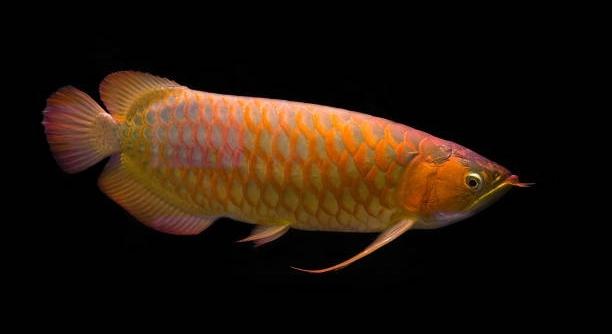
Have you ever noticed your arowana swimming restlessly, bumping into the tank walls, or struggling to stay in one spot? These small signs can often point to stress caused by improper water flow in their aquarium.
Arowanas are highly sensitive to water movement, and improper flow can lead to chronic stress, poor appetite, and even physical injuries. Strong currents, inconsistent circulation, or poorly placed filters disrupt their natural swimming behavior, affecting their overall health and lifespan.
Learning how to balance your tank’s flow can make a big difference in your arowana’s comfort and well-being.
Mistake 1: Using Strong Water Currents
Arowanas prefer calm waters that allow them to glide smoothly near the surface. When the water flow is too strong, it can push them around, forcing them to use more energy just to stay balanced. This constant struggle often leads to stress, reduced feeding, and even injuries to their fins or scales. Many owners make the mistake of using powerful filters or wave makers that are better suited for fast-swimming fish. To keep your arowana comfortable, aim for a gentle, steady flow that mimics their natural environment. Position the filter outlets in a way that breaks up the current, giving your fish space to swim freely without resistance or turbulence.
A balanced flow helps your arowana feel secure and reduces unnecessary strain. It also improves oxygen exchange without turning the tank into a constant storm of movement, keeping your fish healthy and relaxed.
If you notice your arowana gasping at the surface, swimming unevenly, or hiding near calmer areas of the tank, it may be reacting to overly strong currents. Adjusting your filter direction, lowering the pump speed, or adding decorations that diffuse flow can create a gentler setup. These small changes go a long way in supporting your fish’s health, helping it swim confidently and remain at ease in its habitat.
Mistake 2: Poor Filter Placement
Incorrect filter placement can quickly disrupt your tank’s balance, causing uneven water movement and stress for your arowana. When the flow is concentrated in one area, stagnant spots can form elsewhere, leading to waste buildup and low oxygen levels.
To prevent this, position the filter outlets toward the length of the tank, allowing the current to move water gently from one end to the other. Avoid directing the flow straight at your arowana’s usual swimming path, as this can create discomfort and make it harder for the fish to rest. Using spray bars or flow diverters can help spread movement evenly, keeping your tank cleaner and calmer. Consistent water flow ensures even temperature and oxygen distribution, promoting a more stable environment. When your arowana swims effortlessly and stays active without hiding or thrashing, it’s a good sign your filtration system is working properly.
Mistake 3: Ignoring Flow Direction
Water flow direction affects how your arowana moves and breathes. When the current constantly hits the fish head-on, it can cause fatigue and stress. A well-balanced directional flow allows smoother swimming and prevents unnecessary strain.
To fix this, try adjusting the angle of your filter outlet so the current moves along the length of the tank instead of directly across it. This setup mimics natural river movement and lets your arowana swim comfortably. It also helps distribute oxygen evenly throughout the tank, improving water quality. Watching how your fish reacts after adjusting the flow can guide you toward the ideal direction.
If your arowana often hides behind decorations or stays in corners, it might be avoiding harsh currents. Gentle flow in a consistent direction helps reduce anxiety and promotes better feeding behavior. Making small changes to flow direction can make your tank feel safer and more natural.
Mistake 4: Inconsistent Water Circulation
Uneven circulation can lead to oxygen-poor zones and waste accumulation, creating a stressful environment for your arowana. Proper water movement keeps the temperature stable, maintains clarity, and ensures nutrients are evenly distributed throughout the aquarium.
Use multiple circulation points if possible, such as adding a small secondary pump or repositioning existing outlets. This helps eliminate dead spots where debris might collect. Check regularly for buildup in corners or under decorations, as stagnant areas often appear there first. Consistent water movement supports strong biological filtration, helping your fish stay healthy and less prone to disease. With even flow, your arowana will swim more confidently, showing brighter colors and smoother motion.
Mistake 5: Overlooking Surface Agitation
Too much surface agitation can make your arowana uncomfortable. While some movement is needed for oxygen exchange, excessive splashing or turbulence can disturb their calm nature and cause them to avoid the top of the tank, where they usually swim.
Adjusting your filter output or spray bar can help create a smoother surface. A gentle ripple is enough to maintain oxygen levels without creating chaos. Reducing unnecessary splashing also prevents damage to the fish’s delicate barbels and keeps their environment stable and peaceful.
Mistake 6: Neglecting Regular Maintenance
Dirty or clogged equipment can change water flow patterns and stress your arowana. Regularly clean filter intakes, outlets, and hoses to maintain consistent circulation. A neglected system can create strong surges or weak flow, both of which affect your fish’s behavior and comfort over time.
Mistake 7: Using the Wrong Equipment
Using oversized pumps or unsuitable filters can cause strong, uneven currents that overwhelm your arowana. Choosing adjustable-flow equipment helps you fine-tune water movement, allowing you to create a balanced, gentle environment where your fish can swim gracefully and stay calm.
FAQ
How can I tell if my arowana is stressed from water flow?
A stressed arowana often shows visible changes in behavior. It may swim erratically, hide near calm areas, or stay close to the bottom. You might also notice its fins clamping, color fading, or reduced appetite. In some cases, it may start rubbing against surfaces or jump more often. These are all signs that the current might be too strong or inconsistent. When this happens, observe your water movement carefully and make small adjustments to your equipment. A relaxed arowana will swim smoothly and stay active near the surface without signs of distress.
What is the ideal water flow rate for an arowana tank?
The flow rate should be moderate and stable. Generally, your filtration system should circulate the entire tank volume about three to five times per hour. However, the output should not create harsh currents. Each setup is different, depending on tank size, filter type, and aquascape layout. The best approach is to test the water flow visually. If your arowana is constantly swimming against the current or avoiding specific areas, the flow is too strong. Use flow control valves or baffles to reduce speed. Gentle, even movement throughout the tank is ideal for comfort and proper oxygenation.
Can too little water flow also cause problems?
Yes, insufficient flow can be just as harmful. Without proper circulation, waste and uneaten food can settle, leading to poor water quality and reduced oxygen levels. This can make your arowana lethargic or more prone to illness. Low flow also limits biological filtration efficiency, which is crucial for maintaining a stable environment. To avoid this, ensure your filter is functioning properly and water moves throughout all areas of the tank. Look for subtle ripples on the surface and consistent movement in the water column as signs of healthy circulation.
Should I use wave makers in an arowana tank?
Wave makers are not always necessary for arowanas. These fish prefer calm, open waters, not strong, continuous waves. However, in large tanks, a small, adjustable wave maker can help maintain circulation without creating excessive turbulence. The key is balance—set the device to a low, steady setting and position it so it doesn’t directly hit the fish’s swimming path. If your arowana starts swimming more erratically after installation, reduce the speed or reposition it. Always prioritize gentle, even flow over high movement, as this keeps your fish comfortable and reduces stress.
How often should I check or adjust my water flow setup?
You should check your water flow weekly during regular maintenance. Filters, hoses, and outlets can slowly clog with debris, reducing performance or changing flow direction. After cleaning or water changes, always observe how the current moves across the tank. Even small shifts in decorations or equipment placement can alter circulation. Regular adjustments prevent sudden changes that might upset your arowana. Keeping consistent flow helps stabilize the entire ecosystem, ensuring oxygen is distributed evenly and waste is efficiently filtered out.
What are signs that my equipment is causing too much turbulence?
Excessive turbulence usually shows through surface splashing, swirling debris, or plants swaying aggressively. Your arowana may stay near calmer corners or under decorations to escape the flow. Its movement may seem jerky or strained. If you see these signs, reduce the filter output or redirect the flow. You can attach a spray bar or flow diverter to spread movement evenly. Consistency is key—your arowana should be able to move freely across the tank without resistance.
Can tank decorations affect water flow?
Yes, large rocks, driftwood, and tall plants can change how water moves around the tank. These objects may block flow or create stagnant spots where waste accumulates. Rearrange your decorations so that water moves smoothly through every area, preventing dead zones. Keep open swimming space for your arowana near the surface, as cluttered setups can make it feel confined. Watching how debris or bubbles move after rearranging decorations helps you understand where circulation needs improvement.
How can I balance filtration power with gentle water movement?
The best way is to use a high-quality filter with adjustable flow control. This allows you to maintain strong filtration capacity without harsh output. Direct the outlet toward the tank wall or use diffusers to soften the current. You can also install sponge filters or pre-filters to reduce water pressure. The goal is to achieve clear, well-oxygenated water without overwhelming movement. Proper setup ensures the biological and mechanical filtration systems work effectively while keeping your arowana stress-free.
Why does my arowana avoid certain areas of the tank?
Avoidance often points to uncomfortable water conditions or strong localized currents. Those spots may have high flow, poor circulation, or temperature inconsistencies. Observe your fish closely—it naturally seeks areas that feel safest. Use these behavioral cues to adjust flow direction or reduce output strength. Once the flow becomes balanced, your arowana will start exploring more evenly across the tank, showing signs of comfort and stability.
Is it necessary to monitor flow after installing new equipment?
Absolutely. Every time you add or replace filters, heaters, or air stones, the water dynamics change. Even small adjustments can shift circulation patterns. After installation, spend time watching how your arowana behaves and how debris moves. If the fish appears restless or the current seems too forceful, adjust accordingly. Continuous observation ensures you maintain an environment that supports both clean water and calm behavior. Regular monitoring helps prevent stress-related issues and keeps your arowana thriving in the long term.
Final Thoughts
Caring for an arowana goes far beyond feeding and keeping the water clean. These fish are sensitive, intelligent, and easily affected by small changes in their environment. One of the most overlooked aspects of their care is water flow. The way water moves in the tank influences how your arowana swims, breathes, and feels overall. Strong currents can exhaust them, while stagnant water can lead to poor oxygen levels and unhealthy buildup. Finding a steady, gentle flow is essential for their long-term comfort. Every adjustment you make, from how your filter is positioned to how often you clean it, plays a part in maintaining a calm and balanced home for your fish.
Consistency is the key to keeping your arowana stress-free. Sudden changes in water movement or filtration can make the fish anxious and affect its behavior. A stable flow helps keep oxygen levels steady and supports a healthy ecosystem for both your arowana and the beneficial bacteria that live in the tank. Regular maintenance, such as cleaning filter parts and checking for clogs, prevents unwanted shifts in circulation. It’s also important to observe how your fish reacts over time. If it seems more relaxed, swims confidently, and eats regularly, your setup is likely working well. Paying attention to these small details helps prevent future issues and keeps your arowana thriving.
Ultimately, good water flow is about balance and observation. There’s no single formula that works for every tank because each setup, fish, and filter system is different. What matters most is understanding how your arowana behaves and adjusting the environment to suit its needs. Over time, you’ll learn what level of movement keeps it calm and active without causing stress. Remember, your goal is to create a space that mimics the gentle rivers and calm waters where arowanas naturally live. When the tank’s water moves smoothly and evenly, your fish will show brighter colors, steady movement, and better health. Creating that sense of harmony in the water not only benefits the fish but also makes your aquarium a more peaceful, beautiful space to enjoy every day.

Hello,
If you enjoy the content that we create, please consider saying a "Thank You!" by leaving a tip.
Every little bit helps us continue crafting quality advice that supports the health, happiness, and well-being of pets around the world, for pets of all shapes, sizes, and species.
We really appreciate the kindness and support that you show us!