
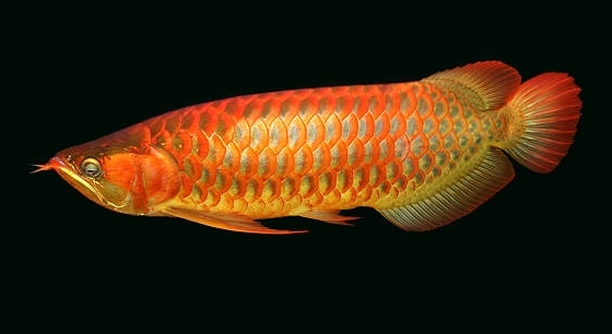
Are you caring for a majestic arowana and wondering about the best feeding practices? These fish have specific dietary needs, and providing the wrong food at the wrong time can affect their health and growth significantly.
There are several situations where feeding your arowana is not recommended. Overfeeding, offering unsuitable live prey, introducing contaminated food, feeding during illness, or providing food at improper times can cause stress, digestive issues, and long-term health complications. Proper care ensures longevity.
Understanding when not to feed your arowana is crucial for maintaining a balanced and healthy environment. Knowing these moments will support your fish’s overall well-being effectively.
Overfeeding Your Arowana
Overfeeding is one of the most common mistakes I have seen with arowana care. These fish have slow metabolisms, and giving them more food than necessary can quickly lead to obesity. Excess food not only clogs their digestive system but also pollutes the water. Uneaten pellets or live food decay, increasing ammonia levels, which is harmful. I learned early on that smaller, measured portions multiple times a day work best. Observing your fish’s behavior helps determine the right amount, as each arowana can have slightly different appetites. Over time, establishing a feeding routine prevents sudden spikes in food intake that can stress the fish.
Smaller, controlled portions are safer for their digestive health and keep the tank clean, reducing maintenance.
Feeding too much can cause bloating and swim issues. It may also trigger secondary problems like infections. By tracking daily intake and adjusting according to activity and size, you ensure your arowana remains healthy. Proper portion control keeps water quality high and minimizes aggressive behavior linked to competition over food. Observing subtle changes in appetite is essential for long-term care, especially for younger fish still growing. Keeping a feeding log can help maintain consistency, which benefits both fish and keeper.
Feeding Contaminated or Unsafe Food
Offering contaminated food even once can make arowanas very ill.
Live or frozen food must always be sourced carefully and inspected before feeding. Food exposed to bacteria or chemicals can cause severe infections, digestive upset, and even mortality. I once had a batch of frozen fish that looked fine but carried pathogens, which led to a week of close monitoring and extra tank cleaning. Even vegetables or prepared pellets can be harmful if stored incorrectly or left out too long. Avoid feeding anything that shows signs of spoilage, mold, or an unusual smell. Keeping a clean, reliable storage method for all food is critical, and washing or rinsing items when necessary reduces contamination risk. Some keepers prefer quarantining live food before feeding to avoid disease transfer. Ensuring proper handling protects your arowana and maintains a stable aquatic environment.
Regular inspections and careful sourcing of food are key habits that prevent unnecessary health problems. Following these precautions consistently creates a safe feeding routine that your arowana can rely on.
Feeding During Illness
Feeding your arowana while it is sick can worsen its condition. Digestive systems slow down, and forcing food can lead to further stress, bloating, or infections. I noticed recovery improved significantly when I paused feeding for a short period during illness.
Skipping meals allows the arowana’s digestive system to rest and focus energy on healing. Providing clean water and monitoring for symptoms is more important than feeding at this time. Some medications interact with food, reducing effectiveness or causing complications, so withholding food helps treatments work properly. It’s important to observe your fish closely during this period, noting changes in swimming, gill movement, or appetite, to adjust care as needed.
Once the fish shows improvement, gradually reintroducing food helps avoid shock to its system. I start with small, soft or easily digestible items, monitoring tolerance closely. Sudden feeding can trigger vomiting or bloating, so patience is key. Maintaining optimal water conditions during recovery also supports better digestion when food is reintroduced. Over time, I found this approach consistently speeds recovery and minimizes setbacks, keeping my arowana healthier and less stressed.
Feeding at Improper Times
Feeding your arowana at inconsistent times disrupts digestion and routine. Their metabolism thrives on predictability, and irregular feeding can lead to stress or overeating.
I learned that keeping a consistent schedule prevents confusion and aggression during feeding. Feeding too late or too early affects sleep and activity patterns, sometimes causing lethargy or hyperactivity. The tank environment also benefits from regular feeding, as waste production becomes more predictable, simplifying cleaning. Tracking exact times each day ensures the arowana receives meals when it is most receptive. I keep a small chart to maintain consistency, which has noticeably improved feeding response. Over time, this schedule also helps detect health issues quickly, as changes in appetite become more apparent.
Consistency extends to quantity and frequency. I feed smaller amounts twice daily, ensuring they consume everything quickly without leftovers. This prevents water pollution and digestive strain. Timing meals with natural light cycles also helps simulate their natural rhythm, reducing stress and improving overall activity. Avoid random snacking or last-minute feedings, as these can disrupt habits and water quality. By respecting a structured feeding schedule, I maintain both health and behavioral stability in my arowana.
Feeding Live Prey Without Preparation
Live prey can carry diseases or parasites harmful to arowanas. I always inspect and, if needed, quarantine live food before offering it.
Unprepared live food can bite, scratch, or stress your arowana. Small precautions prevent injuries and illness, keeping your fish safer and more comfortable.
Feeding Human Food
Human snacks and leftovers are not suitable for arowanas. Processed foods often contain salt, sugar, or additives that upset their digestive system. I have seen bloating and digestive issues after even small amounts of unsafe food.
Always stick to species-appropriate items. Feeding only fish-specific pellets, frozen or live fish, and occasional vegetables ensures proper nutrition. Human foods are unpredictable, and even small mistakes can cause long-term health problems. It’s important to treat your arowana as a carnivorous predator that thrives on controlled, clean, and balanced meals. Keeping their diet natural has consistently improved health, activity, and coloration in my tank.
Feeding During Water Maintenance
Avoid feeding your arowana immediately before or during water changes. Sudden stress from handling combined with digestion can be harmful.
FAQ
How often should I feed my arowana?
Feeding frequency depends on age and size. Juveniles need small portions two to three times daily, while adults usually thrive on once daily or every other day. I track each feeding closely to avoid overfeeding. Consistency helps digestion and reduces water pollution, keeping the tank cleaner.
Can I feed my arowana frozen food?
Yes, frozen food is safe if thawed properly. I always rinse and inspect frozen fish or shrimp before feeding. Improperly stored or thawed food can carry bacteria or parasites, which can make your arowana sick. Always avoid refreezing once thawed.
Is it okay to give vegetables to arowanas?
Arowanas are primarily carnivorous, but some accept vegetables like peas or spinach. I use vegetables sparingly as a supplement. Overfeeding plant matter can upset digestion, so I mostly rely on protein-based foods for balanced nutrition.
What should I do if my arowana refuses to eat?
Refusal can indicate stress, illness, or water quality issues. I check water parameters first, then observe behavior and appetite patterns. Sometimes pausing feeding for a day or switching to a softer or live food helps. Persistent refusal requires veterinary advice.
Are live feeder fish safe?
Only if properly quarantined. I have seen arowanas get infections from unprepared feeder fish. I quarantine live prey for several days, inspect carefully, and only feed healthy specimens to avoid transferring diseases.
Can overfeeding harm my arowana?
Absolutely. Overfeeding causes bloating, poor water quality, and stress. I portion meals based on size and appetite. Excess food often sinks and decays, increasing ammonia and nitrite levels, which harms gills and overall health. Regular portion control is essential.
Is it safe to feed my arowana during illness?
No, feeding while sick can worsen symptoms. I temporarily pause food and focus on clean water, proper temperature, and any necessary medications. Gradually reintroducing food once recovery begins reduces digestive stress. This approach has always improved recovery times in my experience.
Can human food be offered?
Never. Human snacks, cooked meat, or processed items contain salt, sugar, or additives that upset digestion. I stick to fish-specific pellets, frozen or live fish, and occasional safe vegetables to maintain health and growth.
Should I feed arowanas during water changes?
No, water maintenance is stressful. I avoid feeding before or during tank cleaning. Combining digestion and stress can lead to regurgitation or injury. After completing maintenance, I wait a few hours before feeding to allow your arowana to settle.
How do I know if my arowana is getting enough food?
Healthy arowanas are active, alert, and maintain body condition. I monitor swimming, appetite, and growth. Overly thin or lethargic fish may need adjusted feeding, while bloated or messy tanks indicate overfeeding. Observing behavior is the best guide.
Are supplements necessary for arowanas?
Occasionally, vitamins or minerals can help, but a balanced diet typically meets their needs. I only add supplements if recommended, ensuring proper dosages to avoid overdose, which can harm the fish.
Can I change feeding times often?
No, consistency matters. I stick to a regular schedule to reduce stress and prevent overeating. Irregular feeding disrupts digestion and behavior. Predictable feeding times improve health and allow easier detection of appetite changes or illness.
How should I store arowana food?
Keep food in a cool, dry place, sealed tightly to prevent contamination. I label and rotate stock to avoid spoilage. Frozen items must remain frozen until use and never refrozen once thawed. Proper storage ensures safety and maintains nutritional quality.
Can arowanas eat insects?
Yes, insects like crickets or mealworms can be offered occasionally. I ensure they are clean and free from pesticides. Insects provide protein but should supplement, not replace, regular fish-based diets. Overreliance can cause nutrient imbalance.
What is the best way to reintroduce food after illness?
I start with small, easily digestible portions. Gradually increase quantity over several days while observing tolerance. Soft or thawed items are ideal, as sudden large meals may cause digestive upset or stress. Monitoring is crucial to ensure recovery is supported.
How do I prevent food aggression among multiple arowanas?
I feed in separate areas or at slightly staggered times. Observing interactions during feeding helps reduce bullying. Smaller portions distributed evenly prevent dominant fish from taking all food, ensuring all fish receive adequate nutrition.
Can my arowana eat feeder shrimp?
Yes, but only if clean and properly prepared. I avoid wild-caught shrimp due to potential contamination. Frozen, rinsed, or quarantined shrimp are safe and provide valuable protein without introducing disease.
How do I handle leftovers?
Remove uneaten food promptly to prevent decay and water contamination. I use a net or siphon to clear the tank. Prompt removal maintains water quality and reduces risk of bacterial or fungal growth that could harm your arowana.
What signs indicate overfeeding or underfeeding?
Overfed arowanas appear bloated and may struggle to swim, while underfed ones look thin, lethargic, or have sunken bellies. I monitor weight, appetite, and behavior daily. Adjusting portions prevents long-term health problems and maintains activity levels.
Are frozen feeder fish better than live?
Frozen fish are safer in many cases, as they reduce risk of disease transfer. I always thaw and inspect carefully. Live feeder fish require quarantine and careful monitoring to avoid introducing parasites or infections into the tank.
Can feeding affect water quality?
Yes, excess food decomposes and raises ammonia and nitrite levels. I feed measured portions and remove leftovers promptly. Proper feeding habits maintain clear, stable water and reduce stress on the arowana’s immune system.
How long can arowanas go without food?
Healthy adults can manage one to two days without feeding, especially during water changes or minor stress. I avoid longer fasting unless medically advised. Short breaks rarely affect growth, while prolonged food deprivation can weaken the immune system.
Is it safe to feed multiple food types at once?
Yes, variety is good if portion sizes are controlled. I mix pellets with occasional frozen or live items. This provides balanced nutrition, keeps feeding interesting, and supports growth without overloading the digestive system.
What is the safest way to introduce new food?
I start with small portions alongside familiar food, observing reactions. Gradual introduction reduces stress and digestive upset. Monitoring ensures the arowana accepts the new item without issues before increasing the amount.
How do I deal with picky eaters?
I try variety in protein sources and textures. Occasionally switching between pellets, frozen, or live food encourages appetite. Observation is key to ensure nutritional needs are met without overfeeding. Patience and consistency usually resolve pickiness.
Can arowanas eat feeder goldfish?
It is not ideal. Goldfish can carry diseases and contain high fat content. I prefer safer fish-based options that provide balanced protein without unnecessary risk of infection or digestive issues.
Should I adjust feeding in colder water?
Yes, metabolism slows in cooler temperatures. I reduce portions or frequency accordingly. Feeding too much in cold water can lead to bloating or slow digestion, so I always monitor activity and adjust as needed.
How can I tell if food is spoiled?
Signs include unusual odor, discoloration, or slimy texture. I discard anything suspect. Feeding spoiled items can cause severe digestive issues and stress, so careful inspection before every feeding is essential.
What is the best practice for thawing frozen food?
I thaw in clean, cool water or the refrigerator. Avoid microwaving or leaving at room temperature too long. Proper thawing preserves nutrients and reduces the risk of bacterial growth that can harm your arowana.
Can arowanas eat feeder krill?
Yes, small amounts of krill are safe and nutritious. I ensure it is clean and free from additives. Krill provides protein and omega fatty acids but should not replace the main diet.
How important is monitoring feeding behavior?
Extremely important. Observing appetite, aggression, or hesitation helps detect health issues early. I keep a close eye on behavior at every feeding to catch subtle changes that might indicate illness or stress.
How should I manage feeding in a community tank?
Distribute food evenly and watch interactions. Dominant fish can monopolize meals, so I place portions in multiple areas. Observing and adjusting feeding methods ensures all fish receive adequate nutrition without stress or conflict.
Are feeding supplements necessary for growth?
Not always. A balanced diet typically meets growth needs. I only use supplements when advised, ensuring correct dosage to prevent toxicity while supporting overall health and development.
Can I feed too frequently?
Yes, frequent feeding stresses the digestive system and pollutes water. I maintain scheduled portions, allowing proper digestion and tank maintenance. Overfeeding can lead to bloating, illness, and long-term health problems.
How do I safely offer live insects?
I clean and quarantine insects before feeding. Only healthy, pesticide-free insects are safe. Offering them occasionally provides protein variety without risking contamination or digestive upset.
Is it okay to switch food brands?
Yes, but gradually. I mix the old and new food over several days to avoid digestive upset. Sudden changes can cause bloating or refusal, so a slow transition is safest.
What is the ideal portion size?
Portions should be slightly less than what your arowana can finish in a few minutes. I monitor consumption and adjust based on size, age, and appetite. Proper portions prevent waste, stress, and water quality issues.
Can overfed arowanas recover?
Yes, with proper portion control, regular water maintenance, and observation. I gradually reduce food and monitor behavior. Most overfed fish recover fully if steps are taken promptly.
Should I feed at night?
Arowanas are more active during the day. Feeding at night can disrupt sleep cycles and increase stress. I stick to daytime feedings, which aligns with natural activity patterns and supports better digestion.
How do I ensure safe live food handling?
I wash hands and containers, quarantine new prey, and inspect carefully. Clean handling prevents bacterial transfer and reduces risk of infection, keeping both the arowana and tank environment healthy.
Can I feed multiple arowanas at once?
Yes, if portions are distributed evenly. I watch for aggression and adjust spacing. Ensuring fair access prevents dominant fish from monopolizing food, reducing stress and maintaining overall health.
What if my arowana refuses a new food type?
I try smaller portions alongside familiar items. Gradual introduction and patience usually work. Forcing food can cause stress, so observation and incremental changes are more effective.
Are all frozen fish safe for arowanas?
No, only properly stored and thawed species are safe. I avoid wild-caught or suspicious sources to prevent disease transfer or nutrient imbalance. Careful selection ensures long-term health.
How important is water quality during feeding?
Critical. Poor water quality reduces appetite and increases disease risk. I maintain clean, filtered water and remove leftovers promptly, supporting both digestion and overall health.
Can feeding affect coloration?
Yes, a balanced diet supports vibrant colors. I use high-quality pellets, occasional live food, and safe vegetables to maintain natural hues. Nutritional deficiencies can dull appearance and indicate underlying issues.
What is the safest live food for beginners?
Frozen or quarantined feeder fish, shrimp, or insects are safest. I avoid wild-caught prey until experience increases, reducing the risk of illness or injury to the arowana.
How do I handle leftover frozen food?
Discard uneaten portions after thawing. Refreezing can promote bacteria growth. I always prepare only what I plan to feed immediately, ensuring safety and maintaining nutritional quality.
Can overfeeding shorten lifespan?
Yes, chronic overfeeding leads to obesity, organ stress, and water quality issues. I monitor portions carefully to promote longevity and prevent health complications. Proper feeding habits are key to a long, healthy life.
How do I know if my arowana is eating too fast?
Rapid consumption may indicate hunger or competition. I monitor closely, splitting portions if necessary. Fast eating can cause choking, stress, or digestive problems, so pacing meals is important.
Can arowanas eat feeder frogs?
Not recommended. Frogs can carry toxins or parasites. I avoid amphibians and stick to safe, fish-based protein sources to reduce risk of illness.
How do I gradually increase portion size?
I add small increments over several days, observing appetite and digestion. Sudden increases can lead to bloating or water contamination. Careful adjustment maintains health and growth.
Are freeze-dried foods safe?
Yes, if rehydrated properly. I soak freeze-dried fish or shrimp to prevent digestive issues. They are convenient and nutritious but should complement a balanced diet.
Can stress affect feeding behavior?
Yes, stressed arowanas may refuse food. I monitor water quality, tank conditions, and interactions with other fish. Reducing stress restores appetite and improves overall health.
What is the best way to transition between live and frozen food?
Mix small amounts initially, gradually increasing the new type while reducing the old. Observation ensures acceptance and digestion without stress. Sudden changes can cause refusal or digestive upset.
How can I tell if a food item is safe?
Inspect for smell, texture, and color. Avoid spoiled, contaminated, or unusual items. Proper selection prevents illness, digestive issues, and stress.
Should I feed before or after cleaning the tank?
After cleaning. Feeding beforehand adds stress and may cause digestive problems. I wait several hours post-maintenance before offering food, ensuring the arowana remains comfortable.
Can feeding improve immune system function?
Yes, a balanced, protein-rich diet supports immunity. I ensure quality food, proper portions, and occasional supplements when needed. Consistent nutrition strengthens resistance to illness.
Is it okay to skip a day of feeding?
Occasionally, yes. Short breaks help digestion or during minor stress. I avoid regular fasting, which can weaken the immune system or affect growth. One day without food rarely harms a healthy adult.
Can arowanas eat feeder minnows?
Yes, if disease-free and clean. I quarantine or inspect before feeding. Minnows provide protein without high fat content, supporting healthy growth and energy levels.
How do I prevent overfeeding when multiple arowanas are present?
Distribute portions evenly, observe feeding, and separate meals if necessary. I monitor dominant fish and adjust feeding areas to ensure all receive appropriate nutrition.
Can I feed during breeding season?
Yes, but carefully. I increase protein slightly to support energy needs but maintain portion control. Overfeeding can disrupt water quality and stress the breeding pair.
What is the best feeding tool for arowanas?
Tongs or feeding sticks work well for precise delivery. I avoid hand-feeding live prey directly, which reduces injury risk and prevents accidental bites.
Are all pellets created equal?
No, quality varies. I choose high-protein, species-appropriate pellets without fillers or artificial additives. Good pellets ensure balanced nutrition and support growth, coloration, and overall health.
Can feeding patterns affect behavior?
Yes, irregular or excessive feeding increases aggression, lethargy, or stress. I maintain consistent schedules, portion control, and observe responses to preserve calm and healthy behavior.
How do I rotate different protein sources?
I alternate between pellets, frozen fish, and live prey gradually. Rotation prevents nutrient deficiencies, keeps appetite strong, and encourages natural hunting behavior. Careful observation ensures no digestive issues occur.
Is it okay to feed in the morning and evening?
Yes, for juveniles or highly active adults. I monitor intake to prevent overfeeding and adjust portions based on activity level, age, and size. Consistency matters more than exact times.
Can feeding frequency change with seasons?
Yes, metabolism varies with temperature. I reduce portions in cooler months and increase slightly in warmer periods. Adjustments prevent overfeeding or underfeeding, maintaining health throughout seasonal changes.
How important is portion control?
Critical. I always measure portions to prevent obesity, stress, and water contamination. Proper portioning supports growth, activity, and long-term health. Overfeeding is more harmful than occasional slight underfeeding.
Can arowanas eat live crustaceans?
Yes, but only if disease-free and appropriately sized. I ensure no sharp shells that could injure the fish. Crustaceans provide protein and variety but should complement the main diet.
How do I know when to stop feeding each day?
Feed slightly less than what the arowana can consume in a few minutes. Uneaten food indicates the portion is too large. I adjust daily based on appetite and behavior to avoid overfeeding.
What is the safest frozen fish type?
Common safe choices include tilapia, silversides, and small shrimp. I avoid wild-caught or poorly stored fish to prevent disease or parasites. Proper handling ensures safety and nutrition.
Can feeding methods reduce aggression?
Yes, distributing food evenly and feeding multiple spots reduces competition. I watch for dominant fish and adjust placement, preventing stress and ensuring all fish receive nutrition.
How often should I inspect food before feeding?
Every time. I check for spoilage, discoloration, or odor before offering it to the arowana. Consistent inspection prevents illness and maintains safe, healthy feeding practices.
Can arowanas survive on pellets alone?
Yes, if pellets are high-quality and species-appropriate. I supplement occasionally with frozen or live items to mimic natural diet and support health, growth, and coloration.
How do I know if a new food is accepted?
I observe if the fish eats it promptly and shows no digestive issues. Gradual introduction ensures acceptance without stress. Rejection may require mixing with familiar items or trying alternatives.
Are homemade arowana foods safe?
Only if carefully balanced and free from additives. I prefer commercially prepared or frozen foods for consistency and safety. Homemade diets require precise nutrient control to avoid deficiencies or toxicity.
Can feeding times affect breeding behavior?
Yes, predictable feeding supports normal activity and energy levels. Irregular feeding may reduce interest in mating or increase aggression. I maintain consistent meals to support natural rhythms.
What is the best way to feed young arowanas?
Small portions multiple times a day, with soft or live food. I monitor growth, digestion, and appetite closely. Juveniles require more frequent feeding to support rapid growth and energy needs.
How do I avoid overfeeding frozen food?
Measure portions carefully and monitor consumption. I thaw only what I plan to feed immediately. Leftovers are discarded to prevent decay and water quality issues.
Can feeding schedules improve growth?
Yes, consistent timing and proper
Feeding an arowana properly is one of the most important parts of keeping it healthy and happy. These fish require specific diets and feeding routines to maintain their strength, growth, and overall well-being. I have learned that small mistakes in feeding, such as overfeeding, offering unsuitable food, or feeding at the wrong times, can lead to serious health issues. Overfeeding can cause bloating, digestive problems, and even stress, while contaminated or spoiled food can introduce disease into the tank. By paying attention to portion sizes and selecting appropriate food, I have been able to keep my arowanas active and vibrant. Consistency in feeding times also makes a noticeable difference. When arowanas are fed at regular intervals, they develop predictable behaviors and show better appetite, energy, and coloration. I have found that observing each fish closely during feeding times is essential. Watching how they eat and how quickly they consume their food helps me adjust portions to match their needs. It also helps identify any changes in appetite or behavior that may indicate health issues. Keeping track of these small details has made a significant difference in the overall care of my arowanas.
Maintaining a clean environment is just as important as providing proper food. Uneaten food can quickly decay and affect water quality, increasing ammonia and nitrite levels, which can harm the fish’s gills and immune system. I make it a habit to remove leftovers promptly and clean the tank regularly, especially after feeding sessions. Water maintenance and feeding schedules go hand in hand. Feeding your arowana immediately before or during water changes is not recommended, as the combination of stress and digestion can be harmful. I always wait a few hours after maintenance before offering food. In addition, feeding during illness should be avoided. Allowing the fish’s digestive system to rest while focusing on clean water, stable temperature, and any required treatments improves recovery and reduces stress. Gradually reintroducing food once the fish shows improvement ensures that it can handle meals without discomfort or digestive issues. Over time, I have seen that these careful feeding practices, combined with proper tank management, significantly reduce health problems and keep my arowanas more resilient.
Feeding an arowana is about more than just giving it food; it is about understanding its needs and respecting its natural behaviors. Offering a balanced diet that includes high-quality pellets, safe frozen or live food, and occasional vegetable supplements provides the nutrients necessary for growth and vitality. I have learned to quarantine live food, inspect frozen food, and avoid human snacks entirely, as these can cause long-term digestive or health problems. Watching my arowanas thrive under proper care has shown me that patience and attention to detail pay off. Establishing feeding routines, portion control, and safe food selection creates a stable, stress-free environment for the fish. Healthy feeding habits also encourage natural behaviors, such as hunting and exploration, which keep arowanas mentally and physically active. Paying close attention to water quality, portion sizes, and feeding schedules ensures that these magnificent fish remain strong and visually impressive. Overall, consistent care, proper feeding practices, and observation are the keys to supporting the long-term health, growth, and happiness of any arowana in captivity.

Hello,
If you enjoy the content that we create, please consider saying a "Thank You!" by leaving a tip.
Every little bit helps us continue crafting quality advice that supports the health, happiness, and well-being of pets around the world, for pets of all shapes, sizes, and species.
We really appreciate the kindness and support that you show us!