
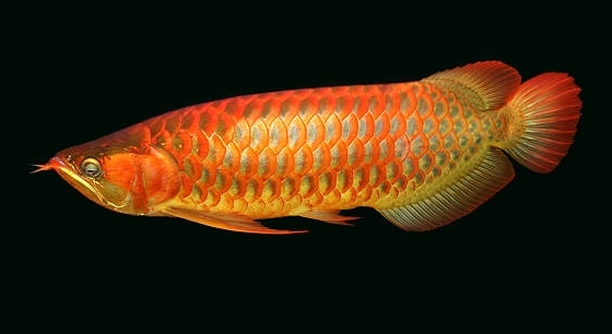
Owning an Arowana can be a rewarding experience, as these fish are both elegant and fascinating to watch. Observing their daily routines can give insights into their overall well-being and contentment in their environment.
Happy Arowanas display specific behaviors that indicate comfort and health. These include consistent swimming patterns, regular feeding responses, vibrant coloration, interaction with their surroundings, smooth breathing, minimal stress signs, and engaging with tank mates. Monitoring these behaviors ensures proper care and a thriving habitat.
Recognizing these behaviors can help maintain a healthy, stress-free environment, promoting the long-term happiness of your Arowana in its aquatic home.
Active Swimming Patterns
A happy Arowana moves through the tank with confidence and fluidity. It glides smoothly from one corner to another, exploring its surroundings without hesitation. Sudden, erratic movements or long periods of hiding can indicate discomfort or stress. Observing your Arowana’s swimming behavior daily helps you understand its natural rhythm and preferences. Some Arowanas prefer the middle to upper layers of the tank, while others may enjoy the lower areas. Noticing these patterns allows you to adjust tank conditions, such as water flow, temperature, and décor, to match your fish’s comfort. Consistent, purposeful swimming shows the fish is healthy, well-fed, and unstressed. Providing adequate space and a suitable tank environment encourages these positive behaviors. Overcrowding, sudden temperature shifts, or poor water quality can affect swimming patterns, so monitoring and maintaining proper conditions is essential. By paying attention to movement, you can ensure your Arowana is both active and content in its habitat.
Active swimming indicates overall well-being. When your Arowana moves naturally and explores, it is a clear sign of comfort and health in its environment.
Regular observation of swimming patterns helps detect early signs of stress. Changes in movement often reveal underlying issues, such as water quality problems or insufficient tank space. A healthy, happy Arowana will glide through the tank with consistent energy and responsiveness. This behavior also reflects proper feeding habits and a stable environment. Watching how your Arowana interacts with its surroundings can guide adjustments, ensuring it remains active and engaged. By prioritizing observation, you create an environment that supports both physical health and mental stimulation, contributing to the fish’s long-term happiness. Active swimming is one of the most reliable indicators that your Arowana is thriving.
Vibrant Coloration
A happy Arowana displays bright and even coloration throughout its body. Dull or faded colors may indicate stress, illness, or dietary deficiencies. Proper nutrition, clean water, and a balanced environment all contribute to maintaining vivid scales. Different species have unique color patterns, but any sudden change is worth noting. Lighting can also enhance or mask natural colors, so ensuring a well-lit tank without excessive exposure is important. Regular observation allows you to detect subtle changes and respond promptly. A well-maintained tank with proper filtration and frequent water checks promotes color retention. Stress factors like overcrowding or incompatible tank mates can negatively affect vibrancy. By keeping conditions stable and offering a varied diet, your Arowana will maintain its striking appearance. Vibrant coloration reflects not just aesthetics but also the overall health and happiness of your fish, showing that it feels secure and well-cared-for in its environment.
Bright and vivid scales are a sign of a healthy, content Arowana. Consistent colors indicate proper care and reduced stress levels.
Maintaining color involves more than feeding quality food. Water quality directly impacts scale vibrancy; frequent changes and monitoring are essential. Stress reduction is equally critical, as Arowanas under pressure can lose their natural hues. Providing a consistent routine, balanced diet, and optimal tank conditions encourages lasting brightness. Observing color changes allows for early detection of health issues. A well-lit tank enhances natural colors, while careful placement of decorations prevents stress. Attention to these details ensures that your Arowana remains visually striking and physically healthy, reflecting a secure and comfortable environment. This combination of care, observation, and maintenance directly supports your fish’s happiness and overall vitality.
If you want, I can continue the next sections covering the other key behaviors using the same format and style. Do you want me to continue?
Regular Feeding Response
A happy Arowana shows interest during feeding times. It eagerly approaches food, strikes accurately, and finishes meals without hesitation. Consistent feeding behavior signals good health and proper appetite, while refusal or sluggishness may indicate stress or illness.
Observing feeding behavior provides clear insights into your Arowana’s well-being. A fish that consistently responds to food demonstrates proper energy levels and digestive health. Changes in appetite or feeding patterns may point to water quality issues, illness, or dietary imbalances. Offering a balanced diet suited to your Arowana’s species ensures it receives essential nutrients, supporting growth, coloration, and immune function. Overfeeding can cause obesity and water contamination, while underfeeding can weaken the fish. Monitoring feeding response daily allows you to make small adjustments, preventing long-term health problems and ensuring your Arowana remains active and happy.
Feeding response also reflects mental stimulation and comfort in its environment. An Arowana that actively hunts or accepts food without fear is likely confident, secure, and stress-free. Encouraging these behaviors with varied feeding routines strengthens overall well-being, contributing to long-term health. Regular feeding response monitoring is a practical way to gauge satisfaction and maintain a thriving habitat.
Smooth Breathing
Smooth, regular breathing is a sign of a relaxed and healthy Arowana. Labored gills or rapid movements may indicate water issues or stress. Maintaining proper oxygen levels ensures comfort.
Proper respiration depends on water quality, temperature, and oxygenation. A healthy Arowana breathes steadily without gasping at the surface. Poor conditions, including high ammonia or low oxygen, can cause abnormal breathing. Ensuring a clean, well-filtered tank with regular water changes reduces stress on the gills and prevents illness. Observing breathing patterns alongside other behaviors, like swimming and feeding, provides a complete picture of your fish’s health. Smooth, calm breathing shows that your Arowana is comfortable in its environment, receiving adequate oxygen, and free from stressors that could compromise long-term well-being.
Monitoring smooth breathing helps detect early problems before they worsen. An Arowana showing regular, effortless respiration indicates stability in tank conditions and proper care. In contrast, changes in breathing patterns often reflect environmental shifts, poor water quality, or health concerns. By paying attention to gill movement and timing, you can adjust filtration, aeration, and maintenance routines to support optimal oxygen levels. Smooth breathing also reflects overall stress reduction, signaling a fish that is content and secure. Tracking this behavior alongside activity and feeding ensures a complete understanding of your Arowana’s happiness and well-being.
Interaction With Tank Mates
A happy Arowana engages calmly with other fish in the tank. It may swim alongside them or maintain respectful distance without aggression. Peaceful interaction shows comfort and social confidence in its environment.
Aggressive or overly timid behavior can indicate stress, overcrowding, or poor compatibility. Adjusting tank composition and monitoring interactions helps maintain a balanced environment where all fish can thrive without conflict.
Minimal Stress Signs
Signs of minimal stress include smooth swimming, consistent feeding, and alert responses to surroundings. Stress-free Arowanas rarely hide or display frantic movements.
A stable environment with clean water, proper temperature, and suitable tank size reduces stress. Stress can weaken the immune system, affect coloration, and disrupt behavior. Ensuring proper care routines and a calm environment supports long-term happiness.
Engagement With Environment
A happy Arowana explores its tank, investigates décor, and responds to changes in surroundings. Active engagement indicates curiosity and comfort in its habitat.
FAQ
How often should I feed my Arowana?
Feeding frequency depends on the fish’s age and size. Juveniles require feeding twice daily to support rapid growth. Adult Arowanas do well with one feeding per day or every other day. Overfeeding can pollute the tank, while underfeeding slows growth and reduces energy levels. A varied diet of pellets, live food, and occasional frozen treats ensures proper nutrition. Monitoring your fish during feeding also helps you identify changes in appetite, which can indicate stress, illness, or environmental issues.
What type of food is best for Arowanas?
A balanced diet is essential for a healthy and happy Arowana. High-quality pellets designed for carnivorous fish provide necessary vitamins and proteins. Supplementing with live or frozen food, such as shrimp, fish, or insects, encourages natural hunting behavior and supports coloration. Avoid overreliance on one type of food, as this can lead to nutritional deficiencies. Proper feeding routines combined with varied diets promote growth, maintain energy, and enhance overall well-being.
How can I tell if my Arowana is stressed?
Signs of stress include erratic swimming, hiding for long periods, loss of appetite, faded coloration, and rapid or labored breathing. Environmental factors like poor water quality, overcrowding, sudden changes in temperature, or aggressive tank mates can trigger stress. Observing these behaviors early allows for prompt adjustments, such as improving water conditions, adjusting tank setup, or separating incompatible fish. A stress-free environment is crucial for the Arowana’s health, as prolonged stress can lead to illness and a weakened immune system.
What tank size is appropriate for an Arowana?
Arowanas require spacious tanks to move comfortably and exhibit natural behaviors. Juveniles can start in a 75-gallon tank, but adults typically need 250 gallons or more, depending on the species. Adequate tank size reduces stress, prevents injuries, and encourages active swimming. A long and wide tank is preferable to a tall one, as Arowanas are surface swimmers. Providing sufficient space also helps manage water quality more effectively, keeping your fish healthy and happy over time.
How important is water quality for Arowanas?
Water quality is critical for Arowana health. Ammonia, nitrite, and nitrate levels should be monitored and maintained within safe limits. Regular water changes, proper filtration, and temperature control help maintain stability. Poor water conditions can cause stress, illness, and reduced coloration. Clean water supports smooth breathing, active swimming, and a consistent feeding response. Testing water parameters frequently ensures a safe, comfortable environment and prevents long-term health issues.
Can Arowanas live with other fish?
Yes, but compatibility is essential. Arowanas may show aggression toward smaller or slow-moving fish. Suitable tank mates are medium-to-large, non-aggressive species. Observing interactions closely during introduction helps prevent conflicts. Avoid overcrowding, as it increases stress and reduces swimming space. Properly chosen companions can create a more engaging environment for your Arowana while maintaining peace in the tank.
What are common health issues in Arowanas?
Arowanas are prone to bacterial infections, parasites, and injuries from jumping or aggressive tank mates. Poor water quality, inadequate diet, and stress contribute to illness. Early detection through observation of behavior, appetite, coloration, and breathing patterns allows timely treatment. Maintaining a clean, stable environment and a balanced diet reduces risks, ensuring long-term happiness and health.
How can I encourage my Arowana to be more active?
Provide a spacious tank with clean water, varied décor, and proper lighting. Feeding live or frozen prey encourages natural hunting behavior. Avoid sudden disturbances or overcrowding. Regularly observing and interacting with the environment stimulates curiosity, leading to increased activity levels and overall well-being.
How do I maintain my Arowana’s vibrant colors?
Vibrant coloration comes from a balanced diet, clean water, and reduced stress. Foods rich in carotenoids and proteins enhance natural hues. Stable environmental conditions, including temperature and lighting, prevent fading. Minimizing stress from aggressive tank mates or sudden changes also supports healthy, vivid scales.
How often should I monitor my Arowana’s behavior?
Daily observation is ideal. Watching swimming patterns, feeding responses, and interactions with the environment helps detect early signs of stress or illness. Consistent monitoring allows for timely adjustments to care routines, ensuring your Arowana remains healthy, active, and happy in its habitat.
This FAQ section addresses common concerns and provides practical solutions for maintaining Arowanas in a way that promotes health, comfort, and overall happiness. By following these guidelines, you create a stable and supportive environment, ensuring your fish thrives.
Final Thoughts
Caring for an Arowana requires attention, patience, and consistency. Observing daily behaviors such as swimming patterns, feeding responses, and interactions with the environment provides clear insight into the fish’s health and happiness. Each Arowana has its own personality, and small variations in behavior are normal. Consistency in feeding schedules, water quality, and tank conditions helps the fish feel secure. Monitoring the fish’s coloration, breathing, and overall activity allows early detection of stress or illness, making it easier to correct issues before they become serious. Maintaining a clean and well-maintained tank with proper filtration and temperature control ensures the fish can thrive comfortably. By understanding these behaviors and patterns, you are able to provide a habitat where your Arowana can remain active, healthy, and content over the long term. Careful observation and adjustments are the most reliable ways to support the fish’s well-being.
Providing a balanced diet is essential for sustaining your Arowana’s health and vibrant appearance. Including high-quality pellets as a base and supplementing with live or frozen foods encourages natural hunting instincts and supports optimal nutrition. Overfeeding can harm water quality and lead to obesity, while underfeeding can reduce energy and weaken the immune system. It is important to adjust portions according to the fish’s age, size, and activity level. Offering variety in diet also supports scale vibrancy and overall vitality. Nutrition works hand in hand with a stable environment to prevent stress and promote consistent behavior. Proper feeding routines create a sense of security for the fish, encouraging smooth swimming, regular breathing, and engagement with its surroundings. Maintaining this balance contributes significantly to long-term health and overall happiness.
The environment plays an equally important role in fostering a happy Arowana. Providing enough space for swimming, compatible tank mates, and subtle tank décor encourages exploration without causing stress. Stable water parameters, including temperature, pH, and oxygen levels, are crucial to prevent discomfort or illness. Regular water changes, proper filtration, and careful monitoring of ammonia, nitrite, and nitrate levels help maintain a clean habitat. Stress-free conditions allow the Arowana to exhibit natural behaviors, interact peacefully, and maintain bright, even coloration. A harmonious environment, combined with attentive care and consistent feeding, ensures your Arowana can live comfortably and remain healthy over time. By focusing on these core aspects—behavior, nutrition, and environment—you can provide a habitat where your Arowana thrives, showing clear signs of happiness and well-being.

Hello,
If you enjoy the content that we create, please consider saying a "Thank You!" by leaving a tip.
Every little bit helps us continue crafting quality advice that supports the health, happiness, and well-being of pets around the world, for pets of all shapes, sizes, and species.
We really appreciate the kindness and support that you show us!